Like
Share
멍실장
고양이 유기인제중독 증상과 응급 대처법, 위험 섭취량과 예방까지 총정리

If Your Cat Is Exposed to Organophosphates — From Poisoning Symptoms to Emergency Treatment and Detoxification

Emergency/ToxicityDiseasesMeongsiljang Veterinary Advisory Board

Organophosphate poisoning in cats is a toxic condition caused by organophosphate compounds found in pesticides and insecticides, which overstimulate the nervous system. Because symptoms can become life-threatening within hours, immediate emergency treatment is essential right after exposure.

What Is Organophosphate Poisoning in Cats?

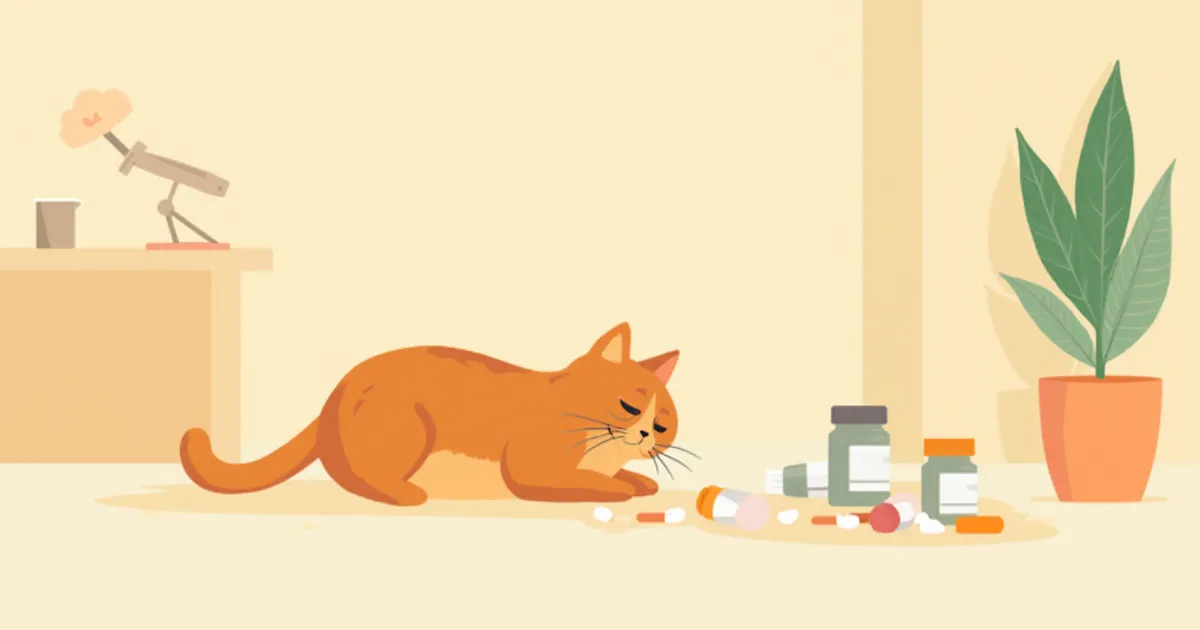
A sick cat lying weakly on the ground
Organophosphate poisoning in cats is a toxic condition caused by organophosphate compounds found in pesticides and insecticides. These substances are absorbed through the skin, mouth, or respiratory tract, leading to overstimulation of the nervous system. Speed is crucial: symptoms can become life-threatening within hours, so it is essential to seek veterinary care immediately after exposure. Cats are significantly more sensitive to organophosphates than dogs, and their grooming habits make them especially vulnerable, as they can easily ingest even small amounts of residue on their skin by licking it off.

Why Does Poisoning Occur? — Causes and Routes of Exposure

Organophosphates inhibit the enzyme responsible for terminating nerve signals. When this enzyme is blocked, neurotransmitters accumulate, causing nerves and muscles to remain in a state of continuous overstimulation without rest.
Dermal contact: This often occurs when insecticides or flea treatments not specifically formulated for cats are applied directly to the skin.
Oral ingestion: It is common for cats to ingest these substances by grooming and licking the chemicals off their skin.
Inhalation: This happens after prolonged exposure to areas where pesticides have been sprayed.

Symptom Checklist — Suspect Poisoning If You See These Signs

Symptoms typically begin to appear within 30 minutes to 2 hours of exposure.
Excessive drooling: The area around the mouth becomes wet, and the pet continuously drools.
Increased tearing and nasal discharge: Secretions increase simultaneously from both the eyes and nose.
Vomiting and diarrhea: Overstimulation of the gastrointestinal tract leads to repeated vomiting.
Pupil constriction: The pupils become extremely small, even in bright light.
Muscle tremors and convulsions: The entire body may exhibit fine tremors or seizures.
Difficulty breathing: Bronchoconstriction causes rough breathing sounds and panting.
A close-up of a cat's face with constricted pupils and drooling saliva

Go to an Emergency Veterinary Hospital Immediately If You See These Symptoms

The onset of symptoms depends on the type of organophosphate, the route of exposure, and the formulation, and can begin relatively quickly after absorption. Therefore, if exposure is suspected, immediate veterinary evaluation is necessary even if no symptoms are present yet. Excessive salivation: The area around the mouth becomes wet, with continuous drooling. Increased tearing and nasal discharge: Secretions increase simultaneously from the eyes and nose. Vomiting and diarrhea: Overstimulation of the gastrointestinal tract causes repeated vomiting and loose stools. Increased urination and defecation: Stimulation of the bladder and intestines leads to more frequent urination and bowel movements. Muscle tremors and convulsions: The entire body may exhibit fine tremors or seizures. Difficulty breathing: Airway secretions and respiratory muscle dysfunction cause rough breathing sounds and panting.

How Is It Diagnosed?

Veterinarians typically suspect poisoning first based on exposure history and clinical signs. Providing details about which product your pet was exposed to and when can significantly speed up the diagnosis. Bringing the product packaging or a photo of it is even more helpful.
Blood tests: Measure the activity level of cholinesterase (a nerve enzyme) in the blood. Levels below 50% of normal are suspicious, while levels below 25% are diagnostically significant.
Stomach contents and vomit analysis: Analyze stomach contents, vomit, or blood for the parent compounds or residues of organophosphates to confirm exposure.
Atropine challenge test: A lack of clear response after administering a small dose of atropine suggests poisoning.
Physical examination: Assess the severity of poisoning by evaluating pupil size and light reflex, amount of secretions, and muscle condition.

Treatment Methods — Step-by-Step Procedures
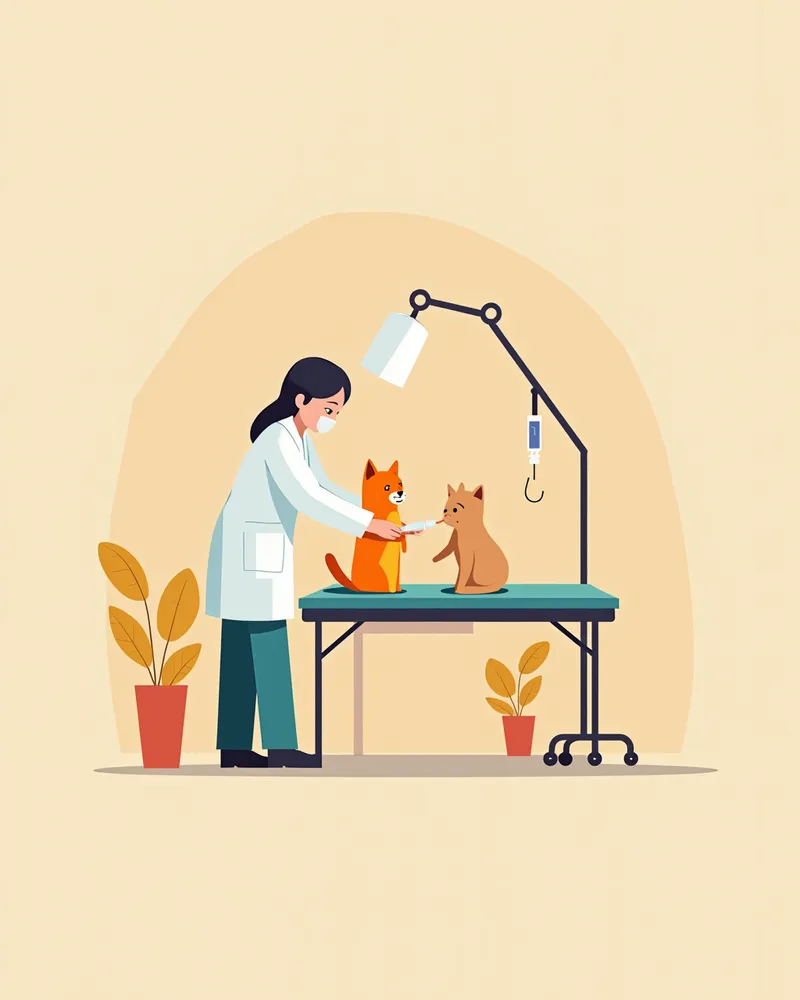
Treatment focuses on simultaneously removing the toxin and suppressing nervous system overexcitation.
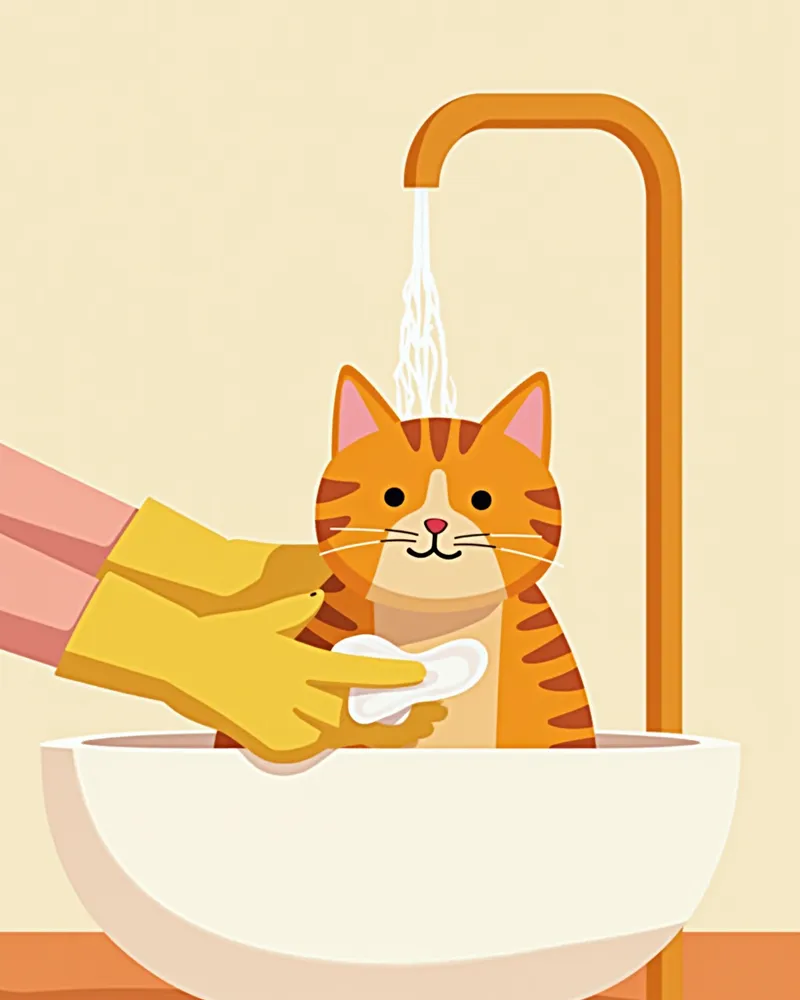
Decontamination: If the toxin contacted the skin, put on gloves and wash the area immediately with soap.
Inducing vomiting: This is only performed under a veterinarian’s judgment if it is early after ingestion and the pet shows no symptoms. However, vomiting is not induced for liquid products containing petroleum-based solvents due to the high risk of aspiration.
Atropine administration: This antimuscarinic drug blocks secretory symptoms (SLUDGE), such as excessive drooling and tearing. It is administered repeatedly in sufficient doses while monitoring secretions and heart rate.
Pralidoxime (2-PAM) administration: This antidote reactivates inhibited cholinesterase and is used for nicotinic symptoms like muscle tremors. It must always be used in combination with atropine; it should never be used alone.
Activated charcoal administration: This helps reduce the absorption of any remaining toxin in the stomach.
Fluid therapy: This corrects dehydration and stabilizes the pet’s overall condition.
A cat receiving intravenous fluid therapy at a veterinary clinic

Home Care and Prevention

Proper care after discharge and consistent daily prevention are key to avoiding recurrence.
Use only cat-specific flea treatments: Products containing permethrin, which are intended for dogs, can be fatal to cats. Always use only products prescribed by your veterinarian.
Wash immediately upon contact: Wear gloves and wash the affected area with soap for at least five minutes.
Keep cats away from treated areas: Allow sufficient time for ventilation after spraying pesticides before letting your cat re-enter the space.
Diet during recovery: Offer small amounts of easily digestible food until your cat’s digestive system has stabilized.
A pet owner wearing gloves while bathing their cat

Cats Are Much More Sensitive Than Dogs — Important Information to Know

Cats are much more sensitive to organophosphates than dogs because their cholinesterase (a nerve enzyme) activity is easily inhibited. Even with the same level of exposure, cats are at greater risk, and kittens or thin cats with low body fat are especially vulnerable. If you have both dogs and cats, your cat can be exposed simply by coming into contact with a dog that has been treated with dog-only flea and tick medication (within 48 hours after application). Be sure to take every precaution to ensure that products intended only for dogs never come into contact with your cat’s skin.

Reviewed by a veterinarian

Dr. Tony — Punnawat Phongkittirak

Dr. Tony — Punnawat Phongkittirak

Veterinarian

A veterinarian who majored in veterinary medicine at Khon Kaen University, Thailand, and completed the IVSA program at North Carolina State University in the United States. Drawing on clinical experience at animal hospitals, he works in the pet healthcare field and is dedicated to building a digital care environment that connects pet parents with veterinarians.

Frequently Asked Questions

I think my pet licked some pesticide, but there are no symptoms yet. Do I really need to go to the vet?
Yes, you need to go right away. Organophosphates can cause symptoms to appear relatively quickly after absorption, and the timing of onset varies depending on the specific type of organophosphate and the route of exposure. This current window, before any symptoms have appeared, is a critical time to attempt interventions such as inducing vomiting under a veterinarian's guidance.
Is it okay to induce vomiting at home?
No, inducing vomiting in cats with salt water or finger stimulation is ineffective and can lead to aspiration pneumonia. This should only be done under the guidance of a veterinarian.
What should you do first if flea and tick medication gets on your pet’s skin?
Put on gloves and immediately wash the affected area with lukewarm running water and soap for at least five minutes. While washing, have someone else call the veterinary clinic to explain the situation, and head to the clinic right after rinsing.
Can it be cured with treatment?
Mild to moderate cases are usually fully curable with prompt treatment. However, if the condition progresses to severe seizures or respiratory arrest, neurological sequelae may remain. Rapid emergency intervention is crucial in determining the prognosis.
My pet is suddenly drooling excessively after going outside. Could it be organophosphate poisoning?
It’s possible. If your pet exhibits two or more of the following symptoms after going outside—excessive drooling, increased tearing, vomiting, and muscle tremors—organophosphate poisoning should be suspected. If you suspect these symptoms, seek veterinary care immediately.

Share

Related Guides

References

[1] Peterson ME, Talcott PA (eds). Small Animal Toxicology, 3rd Ed. Blackwell's Five-Minute Veterinary Consult Clinical Companion. Wiley-Blackwell, 2013.

[2] Schaer M (ed). Clinical Medicine of the Dog and Cat, 4th Ed. CRC Press, 2022.

[3] Plumb DC. Plumb's Veterinary Drug Handbook, 10th Ed. Wiley-Blackwell, 2022.

[4] Drobatz KJ, Costello MF (eds). Feline Emergency and Critical Care Medicine, 2nd Ed. Wiley-Blackwell, 2020.

This information is based on veterinary literature and does not replace diagnosis or treatment. Please consult a veterinarian for specific health concerns.

Metapet Co., Ltd. | CEO: Park Sung-yong | Business Reg. No. 417-88-02562 | Seoul, South Korea | Customer Center

Cat Exposed to Organophosphates? Symptoms & Emergency Care | Meongsiljang