

Why Avocado Is Dangerous for Cats — Poisoning Symptoms and Emergency Response Timing
Avocado contains persin, a toxic substance that can cause serious damage to a cat’s heart and respiratory system. We’ve compiled a comprehensive guide based on veterinary advice, covering symptoms, dangerous ingestion levels, emergency response steps, and prevention tips.
What Is Avocado Poisoning in Cats?

Why Avocado Is Dangerous for Cats — The Action of Persin
Key Symptoms Checklist

If You See These Symptoms, Go to an Emergency Animal Hospital Immediately
If your pet is breathing with its mouth open or using abdominal breathing, has pale or bluish gums, appears disoriented, or struggles to stand, take it to a 24-hour emergency animal hospital immediately. Never induce vomiting at home or force your pet to drink water or milk.
Dangerous Ingestion Levels — How Much Is Too Much?
Emergency Response — 3 Things to Do Immediately After Ingestion
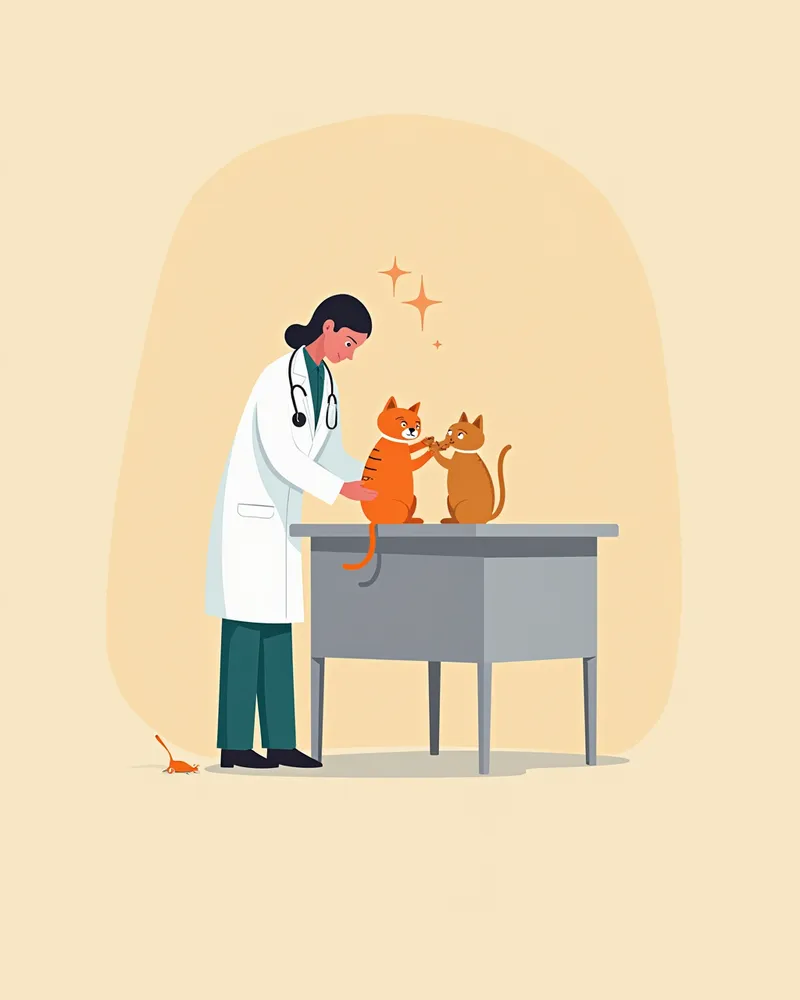
Diagnosis and Treatment Process at the Hospital
Recovery Care You Can Do at Home

Prevention Is Best — Completely Block Access to Avocado
Avocados contain toxic compounds not only in the flesh but also in the seeds, skin, and leaves, so it’s safest to keep them completely out of your cat’s reach. Even avocado oil or human snacks containing avocado ingredients shouldn’t be assumed safe. Avoid leaving avocados in accessible areas like dining tables, sinks, or fruit baskets. If you frequently keep avocados at home, restricting your cat’s access to the kitchen is the most reliable preventive measure.
Reviewed by a veterinarian

Dr. Tony — Punnawat Phongkittirak
VeterinarianA veterinarian who majored in veterinary medicine at Khon Kaen University, Thailand, and completed the IVSA program at North Carolina State University in the United States. Drawing on clinical experience at animal hospitals, he works in the pet healthcare field and is dedicated to building a digital care environment that connects pet parents with veterinarians.
Reviewed 2026-06-01
Frequently Asked Questions
My cat only licked a tiny bit of avocado—do I need to take it to the vet?
What should I do if my pet swallowed an avocado pit?
Is it okay to make my pet vomit at home?
Are avocado oil or treats containing avocado ingredients also dangerous?
Is it more dangerous if my pet is exposed to avocado again after recovering?
Share
Related Guides

Top 5 Emergency Poisoning Kits for Dogs Recommended by Veterinarians
7 Emergency Checklist Items for Cat Poisoning — Signs to Check Immediately After Exposure

Cat Ear Mites: Symptoms, Causes, Diagnosis, Treatment, and Management Essentials

Dog Tooth Extraction: Indications, Methods, Symptoms, Causes, Diagnosis, Treatment, and Care Essentials

Dog Tongue and Lip Lesions: Symptoms, Causes, Diagnosis, Treatment, and Care Essentials

Canine Oral Ulcers: Symptoms, Causes, Diagnosis, Treatment, and Management Essentials

Canine Oral Tumors: Comprehensive Guide to Symptoms, Causes, Diagnosis, Treatment, and Care

Complete Guide to Puppy Malocclusion: Symptoms, Causes, Diagnosis, Treatment, and Care

A Complete Guide to Canine Gingivitis: Symptoms, Causes, Diagnosis, Treatment, and Care

Dental Scaling and Tartar Removal for Dogs: Symptoms, Causes, Diagnosis, Treatment, and Management Essentials
References
[1] Osweiler GD et al., Blackwell's Five-Minute Veterinary Consult Clinical Companion: Small Animal Toxicology, 3rd Ed, Wiley-Blackwell, 2016
[2] Schaer M et al., Clinical Medicine of the Dog and Cat, 4th Ed, CRC Press, 2022
[3] Plumb DC, Plumb's Veterinary Drug Handbook, 10th Ed, Wiley-Blackwell, 2023
[4] Drobatz KJ et al., Feline Emergency and Critical Care Medicine, 2nd Ed, Wiley-Blackwell, 2020