Like
Share
멍실장
강아지 포도·건포도 신독성 증상과 원인, 진단·치료와 관리 포인트 총정리

My Dog Ate Grapes — Signs of Nephrotoxicity Leading to Kidney Failure Requiring Immediate Veterinary Care

KidneyDiseasesMeongsiljang Veterinary Advisory Board

Grape and raisin toxicity in dogs is a serious condition that can cause acute kidney damage even after ingestion of small amounts. Early detection and immediate veterinary care are crucial for survival.

Grape and Raisin Nephrotoxicity in Dogs Is a Serious Toxic Condition Causing Acute Kidney Injury
A veterinarian examining a puppy.
Grape and raisin nephrotoxicity in dogs is a serious toxic condition that can cause acute kidney injury even after ingestion of small amounts in some dogs. However, more than half of exposed dogs may show no symptoms at all, making it difficult to predict the risk in advance. Although the exact cause of this condition remains unknown, tartaric acid in grapes and raisins is suspected to be the primary culprit. Dogs are particularly vulnerable because they lack the OAT-4 transporter responsible for excreting this organic acid through the kidneys. Dogs of all breeds and ages can be affected, and some may be genetically more sensitive. Symptoms can appear within hours of ingestion, and early signs may be limited to lethargy or vomiting, making early detection challenging. Since appropriate detoxification and fluid therapy are critical to prognosis, immediate veterinary care is essential.

The Exact Cause Remains Unclear, but Tartaric Acid Is Suspected as the Primary Culprit
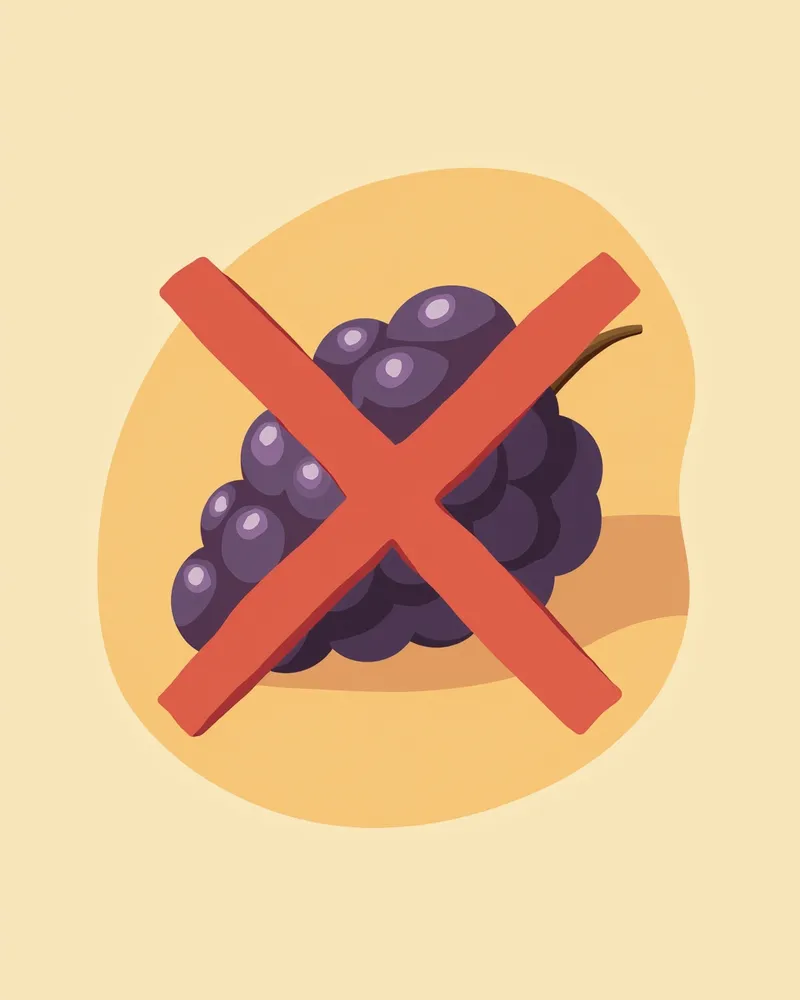
While the exact cause of grape and raisin toxicity in dogs remains unclear, tartaric acid, abundant in these fruits, is suspected to be the primary culprit. The levels of this organic acid vary depending on the grape variety and ripeness, and because dogs lack the OAT-4 transporter needed to excrete it through the kidneys, it can become toxic to kidney cells. Additionally, some dogs may be genetically more susceptible. Although more than half of exposed dogs show no symptoms, others can suffer severe kidney damage even after ingesting small amounts. All breeds and ages are at risk, with dogs that have pre-existing kidney conditions being particularly vulnerable. Early detection and immediate treatment are crucial for survival.
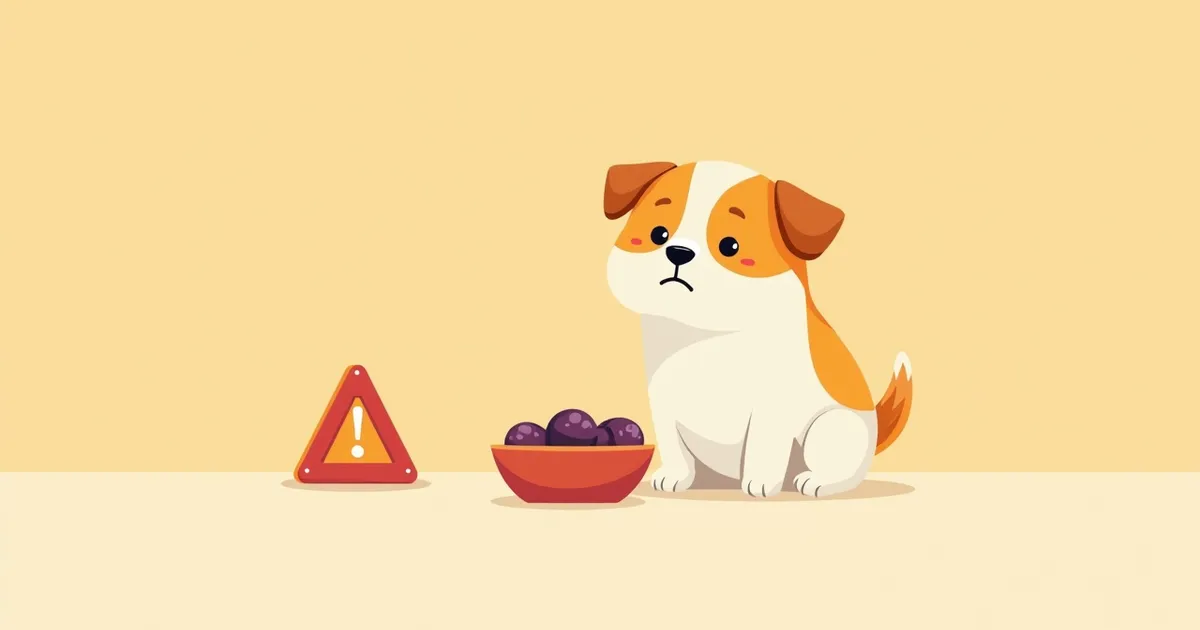
Red X mark over grapes and raisins

Main Symptoms Include Vomiting, Diarrhea, Lethargy, Pollakiuria, or Anuria

The main symptoms of grape and raisin toxicity in dogs include vomiting, diarrhea, lethargy, and loss of appetite, along with either increased urination (polyuria) or a significant decrease in urine output (oliguria or anuria). These signs result from declining kidney function, toxin accumulation, and progressing dehydration. Spontaneous vomiting is often the first warning sign, with symptoms typically beginning within hours of ingestion. However, more than half of exposed dogs may show no symptoms at all. Anuria, or little to no urine output, is a serious indicator of acute kidney injury and carries a poor prognosis. Early detection significantly improves treatment success, so immediate veterinary care is essential if ingestion is suspected.
A puppy lying down listlessly

An Emergency Situation Requiring Immediate Veterinary Care

If your dog shows symptoms such as vomiting, lethargy, or decreased urination after eating grapes or raisins, seek veterinary care immediately. These signs can appear within a few hours of ingestion and may indicate early acute kidney injury; delayed treatment can significantly worsen the prognosis. Even if no symptoms are present, contact a veterinarian or an animal poison control hotline right away if ingestion is suspected, to ensure timely decontamination. Do not attempt to induce vomiting at home; instead, transport your dog to a veterinary clinic as quickly as possible.

Diagnosis Involves Assessing Kidney Function Through Blood and Urine Tests

Grape and raisin nephrotoxicity in dogs is diagnosed by assessing kidney function through blood and urine tests. Elevated levels of serum creatinine and blood urea nitrogen suggest kidney damage. Urine volume and concentration are also key indicators; since they may appear normal in the early stages, retesting after 24 to 48 hours is necessary. In some cases, kidney function can deteriorate rapidly, making continuous monitoring essential. A professional evaluation by a veterinarian is required for an accurate diagnosis.
A veterinarian performing blood and urine tests.

Treatment Centers on Rapid Decontamination and Fluid Therapy
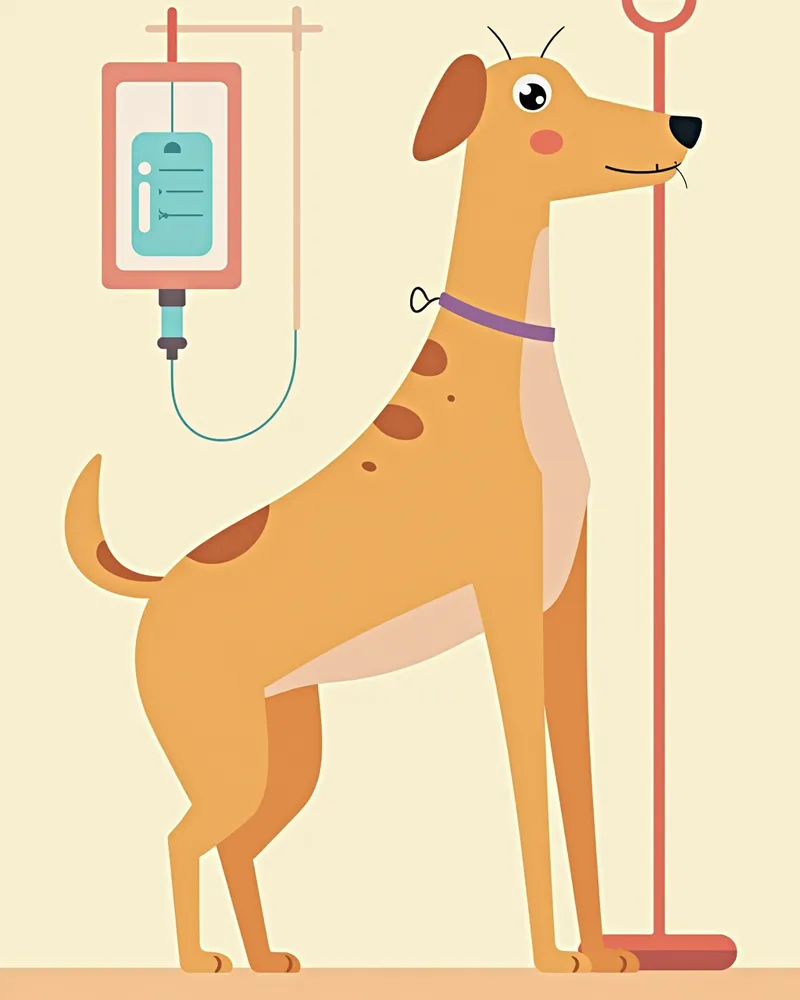
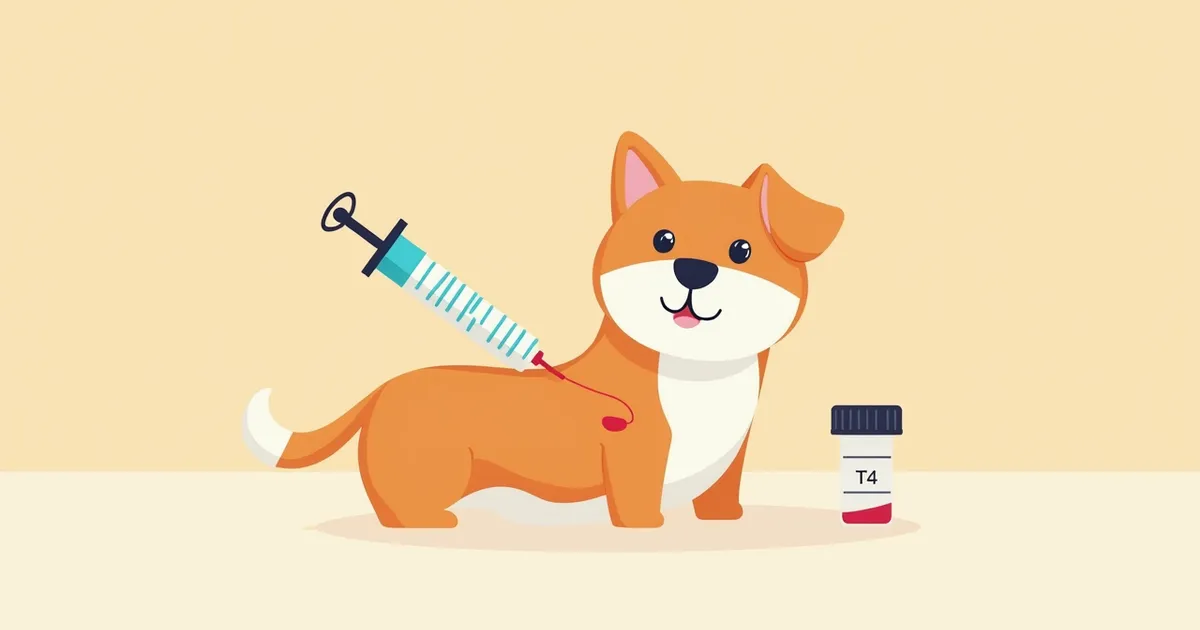
The cornerstone of treating grape and raisin toxicity in dogs is rapid decontamination and fluid therapy. If ingestion was recent, we attempt to remove the toxin by inducing vomiting or performing gastric lavage. In cases of massive ingestion where the toxin cannot be expelled through vomiting or lavage, a gastrotomy may be considered. Activated charcoal is also administered, while fluid therapy helps protect renal blood flow and prevent dehydration. Throughout treatment, kidney function values must be monitored at baseline, 24 hours, and 48 hours, and urine output should be checked frequently. If the condition progresses to anuria, where little to no urine is produced, the prognosis worsens, and intensive inpatient care may be required. Most dogs have a good prognosis with appropriate decontamination and fluid therapy, so it is essential to complete the full course of treatment as directed by your veterinarian.
A puppy receiving an intravenous injection

Home Care Requires Adequate Fluid Intake and Dietary Management Following Your Veterinarian’s Instructions
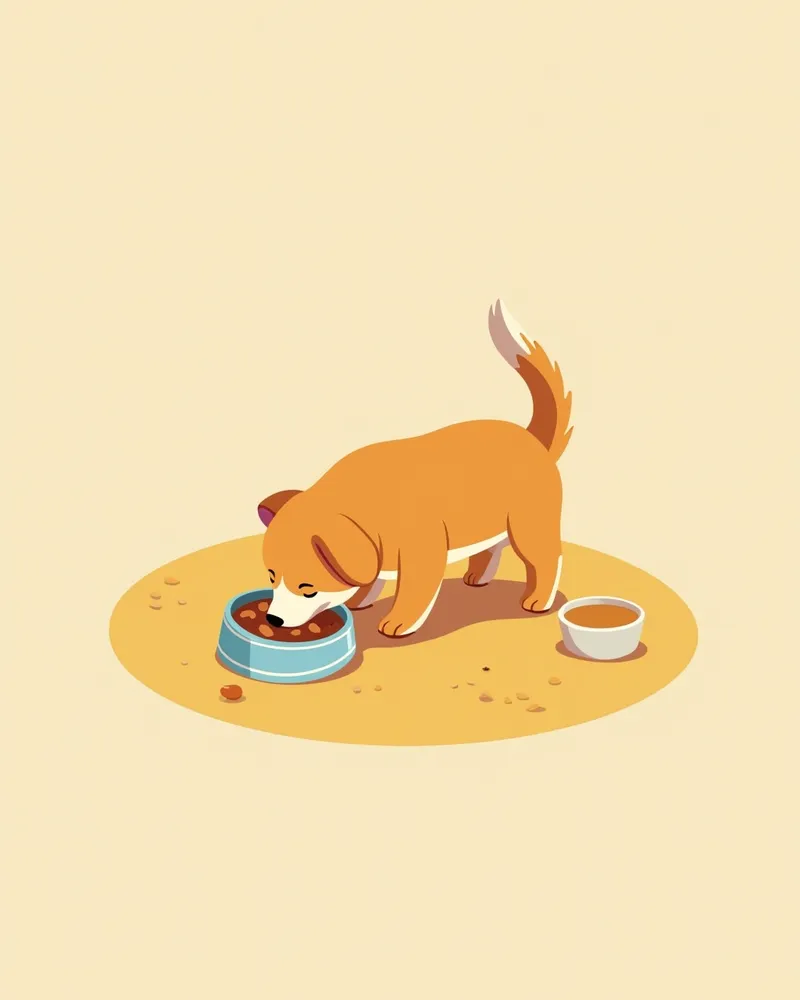
After a dog suffers from grape or raisin-induced kidney toxicity, home care should follow your veterinarian’s instructions, including ensuring adequate fluid intake and dietary management. Offer a bland diet to ease gastrointestinal stress and provide a low-protein diet that reduces the burden on the kidneys. Consistently administer any supplements or supportive medications recommended by your veterinarian. Monitor kidney function through regular check-ups, and seek immediate veterinary attention if any abnormal signs appear. Meticulous care is essential for a healthy recovery.
A puppy enjoying a blended meal

All Dog Breeds and Ages Are at Risk, and Even Small Amounts Can Be Dangerous

All dog breeds and ages are susceptible to grape and raisin toxicity. Even small amounts can cause severe kidney damage. Dogs with pre-existing kidney conditions are at even greater risk, so never feed them grapes or raisins, and store these foods securely out of reach at home.

Reviewed by a veterinarian

Dr. Tony — Punnawat Phongkittirak

Dr. Tony — Punnawat Phongkittirak

Veterinarian

A veterinarian who majored in veterinary medicine at Khon Kaen University, Thailand, and completed the IVSA program at North Carolina State University in the United States. Drawing on clinical experience at animal hospitals, he works in the pet healthcare field and is dedicated to building a digital care environment that connects pet parents with veterinarians.

Frequently Asked Questions

My dog ate a small amount of grapes. Is it okay?
While more than half of exposed dogs may show no symptoms, some can develop kidney damage even after ingesting small amounts. Since it’s difficult to predict the risk in advance, it’s safest to visit a veterinarian immediately if ingestion is confirmed. Early decontamination and fluid therapy improve the prognosis.
Are raisins just as dangerous as grapes?
Yes, both grapes and raisins are dangerous for dogs and should never be given to them. Tartaric acid is suspected to be the cause, and its content varies depending on the grape variety and ripeness. For reference, commercial grape juice, wine, and jam are known to pose no risk of kidney failure because tartaric acid is removed during processing.
It’s been 24 hours since my pet ate grapes—should I take them to the vet?
Yes, even if some time has passed, if you suspect your pet has ingested the substance, you should go to the vet immediately for blood and urine tests to assess kidney function. BUN and creatinine levels typically rise within 18 to 24 hours after ingestion, and a follow-up test may be needed 24 to 48 hours later.
My dog only vomited after eating grapes. Is that okay?
Spontaneous vomiting is often the first sign of poisoning, but it doesn’t necessarily mean your pet is safe. Kidney damage may have already begun, so it’s important to have your pet examined at a veterinary clinic.
Can a dog that has eaten grapes safely eat raisins afterward?
Absolutely not. Grapes and raisins are foods that should never be given to dogs. If ingested again, there is a risk of additional kidney damage, so please store them completely out of reach in your home.

Share

Related Guides

References

[1] Blackwell's Five-Minute Veterinary Consult Clinical Companion, Small Animal Toxicology, 3rd Edition

[2] The Dog Care Handbook, Things I Wish My Vet Had Told Me

[3] Coyne SR, Landry GM. Tartaric acid induces toxicity in Madin-Darby Canine Kidney cells, but not Human Kidney-2 cells in vitro and is prevented by organic anion transporter (OAT) inhibition and human OAT-4 transfection. J Vet Emerg Crit Care 2023;33(3):298–304.

This information is based on veterinary literature and does not replace diagnosis or treatment. Please consult a veterinarian for specific health concerns.

Metapet Co., Ltd. | CEO: Park Sung-yong | Business Reg. No. 417-88-02562 | Seoul, South Korea | Customer Center

My Dog Ate Grapes: Nephrotoxicity Signs & When to Rush to Vet | Meongsiljang