Like
Share
멍실장
강아지 폐동맥 고혈압 증상과 원인, 진단·치료와 관리 포인트 총정리

If Your Dog Is Constantly Short of Breath or Collapsing — Causes and Warning Signs of Pulmonary Arterial Hypertension

HeartDiseasesMeongsiljang Veterinary Advisory Board

Pulmonary hypertension in dogs is a condition in which pressure in the pulmonary artery remains persistently elevated, placing a strain on heart function. Early detection and proper management are essential.

What Is Pulmonary Arterial Hypertension in Dogs?

An anatomical diagram illustrating the location where pulmonary hypertension occurs in a dog's heart.
Pulmonary arterial hypertension in dogs is a condition in which pressure within the pulmonary artery remains persistently elevated, placing strain on the right side of the heart (the right ventricle). Rather than being a standalone disease, it is an abnormal hemodynamic state that arises from increased blood flow to the lungs, increased pulmonary vascular resistance, elevated pulmonary venous pressure, or a combination of these factors. Chronic elevation of pressure causes the right ventricle to enlarge and thicken; once it exceeds its adaptive capacity, this can ultimately lead to right-sided heart failure. In the early stages, pressure may be normal at rest and rise only during exercise, so symptoms are often minimal. As the condition progresses, signs such as difficulty breathing, fatigue, and exercise intolerance may appear. - Pulmonary arterial hypertension: A hemodynamic state characterized by persistently elevated pressure within the pulmonary artery, placing strain on the right heart. It is rarely an independent disease and is more commonly seen in association with other underlying conditions. - Prognostic factors: The prognosis depends on the rate and reversibility of vascular changes, as well as the timing of onset. Generally, long-term survival prospects are poor. - Cardiac strain: If the right ventricle can no longer cope with the increased pressure load, it may progress to right-sided heart failure.

Main Causes and Pathogenesis

Pulmonary arterial hypertension in dogs is rarely a primary disease; it most commonly develops secondary to other underlying conditions. The most frequent cause in dogs is elevated pulmonary venous pressure resulting from left-sided heart disease, such as chronic mitral valve insufficiency. Other potential causes include chronic lung disease and hypoxemia, pulmonary artery thrombosis or embolism, parasitic infections like heartworm disease, and congenital heart defects that create left-to-right shunts, such as patent ductus arteriosus or ventricular septal defects. - Triggered by underlying disease: Pulmonary arterial hypertension is not a standalone illness but rather a secondary condition arising from other heart or lung problems. - Increased vascular resistance: When the pulmonary arteries narrow or constrict, resistance to blood flow increases, leading to higher pressure. - Chronic hypoxemia: Insufficient oxygen supply due to lung disease causes pulmonary blood vessels to constrict, raising pressure. - Thrombi and parasites: Blood clots in the pulmonary artery or heartworm infections obstruct blood flow, resulting in elevated pressure.
Risk factors for pulmonary arterial hypertension in dogs with narrow chest structures

Main Symptoms and Signs

Pulmonary hypertension often shows few or no symptoms in its early stages. However, as the condition progresses, you may notice the following signs. If you observe any of these symptoms, consult your veterinarian immediately.
Difficulty breathing: Your pet may become easily short of breath after exercise, or breathe rapidly and with effort even while at rest.
Coughing and respiratory symptoms: Coughing may recur, often accompanied by other respiratory issues.
Exercise intolerance and weakness: Your pet may tire easily with minimal activity, leading to reduced daily movement and engagement.
Fainting and collapse: Sudden fainting or collapse can occur, particularly during exercise or excitement.
Signs of right-sided heart failure: In more advanced stages, signs of right-sided heart failure may appear, such as abdominal distension caused by fluid accumulation (ascites).
Difficulty breathing caused by pulmonary hypertension in dogs

Signs Requiring Immediate Veterinary Visit

If your dog suddenly starts breathing heavily, their mouth turns bluish, or they collapse, it could be a sign that pulmonary hypertension has worsened significantly. In such cases, you should take them to the vet immediately. This condition can be life-threatening, so quick action is essential.

Diagnostic Methods and Procedures
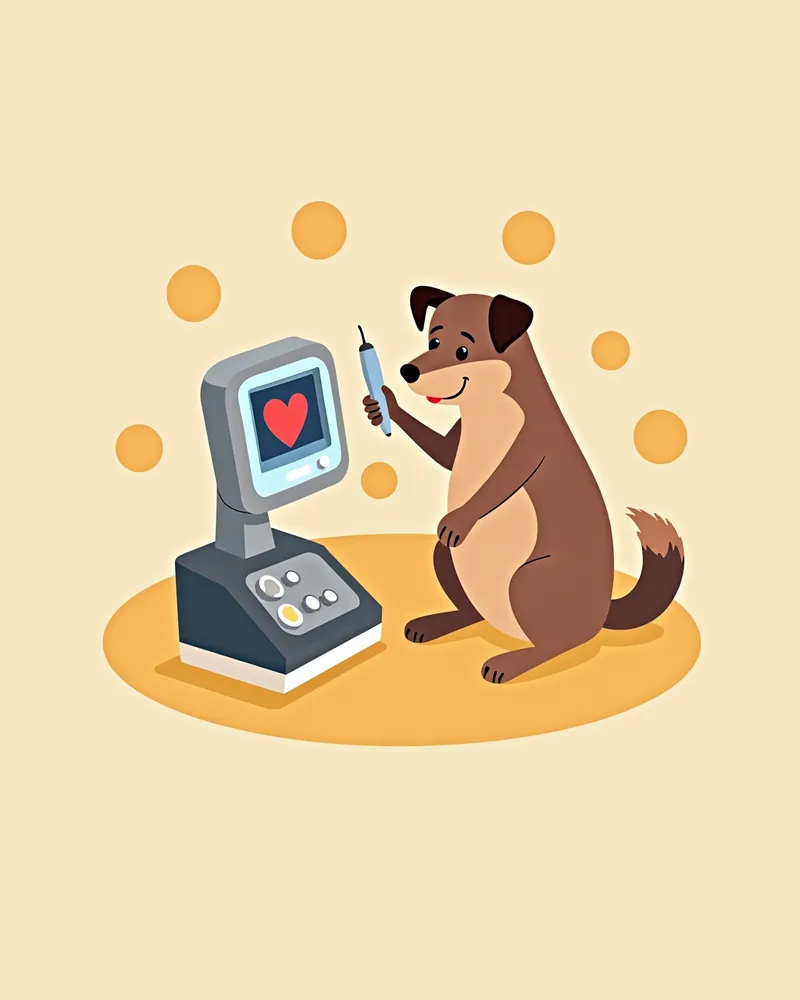
Diagnosing pulmonary arterial hypertension requires a combination of tests. While right heart catheterization, which directly measures pulmonary artery pressure, is the gold standard, it is often impractical in clinical settings. Therefore, Doppler echocardiography (echo) is the practical diagnostic tool of choice. - Echocardiography: This non-invasive test is the accepted practical standard for estimating pulmonary artery pressure, using indicators such as tricuspid regurgitation velocity. - Thoracic Radiography (X-rays): These images help assess changes in heart size, including enlargement of the right heart and dilation of the pulmonary artery. - Blood Tests: These aid in identifying any underlying conditions. - Electrocardiogram (ECG): This evaluates electrical changes associated with right heart strain or accompanying arrhythmias. For an accurate diagnosis, your veterinarian will comprehensively evaluate the results from these various tests.
An echocardiogram being performed to diagnose pulmonary arterial hypertension in a dog

Treatment Methods and Step-by-Step Management

Treatment is tailored to the underlying cause. If an underlying disease is present, it is important to address and manage it first. - Medication: Medications such as pulmonary vasodilators, anticoagulants to prevent blood clots, and drugs to improve heart function are used to lower blood pressure and reduce the strain on the heart. - Regular check-ups: Regular monitoring through echocardiograms and blood tests, in collaboration with your veterinarian, is essential. - Exercise management: Avoid excessive exercise; short, slow walks are recommended instead. - Dietary management: Reduce the strain on the heart by maintaining a healthy weight and following a low-sodium diet. - Environmental stability: It is important to minimize stressors and reduce changes in your pet’s daily routine. Treatment requires long-term management, combining consistent medication with adjustments to lifestyle habits.
A scene showing the administration of medication and care for a puppy with pulmonary hypertension.

Home Care Points

Home care is crucial to the success of treatment. It's important to minimize stress and avoid excessive exercise. Weight management and regular meals are key to reducing the burden on the heart. Keep walks short and slow, and minimize changes in the environment.
Walk Management: Keep walks short and slow, divided into 2-3 sessions per day.
Diet Management: Choose a low-sodium diet and heart-healthy food.
Stress Reduction: Maintain a quiet environment and limit interactions with new people or animals.
Regular Check-ups: Always keep your appointments with the veterinarian.
A quiet indoor environment for managing pulmonary arterial hypertension in dogs

Breed-Specific Precautions and Prevention of Recurrence

Pulmonary hypertension is rarely a condition exclusive to certain breeds; more often, it develops secondary to an underlying disease. However, brachycephalic breeds with narrowed upper airways that cause chronic breathing difficulties are at an increased risk. If the underlying condition is not properly managed, blood pressure can rise again, making consistent medication and lifestyle management essential to prevent recurrence.

Reviewed by a veterinarian

Dr. Tony — Punnawat Phongkittirak

Dr. Tony — Punnawat Phongkittirak

Veterinarian

A veterinarian who majored in veterinary medicine at Khon Kaen University, Thailand, and completed the IVSA program at North Carolina State University in the United States. Drawing on clinical experience at animal hospitals, he works in the pet healthcare field and is dedicated to building a digital care environment that connects pet parents with veterinarians.

Frequently Asked Questions

Can a dog's pulmonary arterial hypertension be cured?
Once the underlying condition is corrected, symptoms may improve. In rare cases, complete recovery is possible if the cause is a left-to-right shunt that can be surgically corrected, such as a patent ductus arteriosus (PDA). However, most cases are progressive and difficult to cure, requiring ongoing management, and the long-term prognosis is generally poor.
How long should the medication be administered?
These medications are often needed for long-term use. Stopping them can cause symptoms to worsen, so please follow your veterinarian’s instructions carefully. Do not stop taking them abruptly.
How should I walk my dog?
Adjust your dog's walk duration and intensity based on their condition. Short, slow walks split into two to three sessions per day are ideal. If your dog becomes short of breath, let them rest immediately.
How should I transition my pet’s food?
Choose a diet formulated to support heart health. For the safest option, use a food recommended by your veterinarian. Avoid excessive treats, as maintaining a healthy weight is crucial.
How can we prevent the condition from coming back?
The key is managing underlying conditions, regular check-ups, adhering to medication, reducing stress, and avoiding overexertion during walks while maintaining proper dietary care. If symptoms reappear, please visit the clinic immediately.

Share

Related Guides

References

[1] Textbook of Cardiovascular Medicine in Dogs and Cats, 2020, Chapter 12: Pulmonary Hypertension in Canines

[2] Clinical Medicine of the Dog and Cat, 4th Ed, 2021, Section on Cardiovascular Disorders

[3] Small Animal Critical Care Medicine, 3rd Ed, 2019, pp. 1140-1155, Hypertensive Heart Disease in Dogs

This information is based on veterinary literature and does not replace diagnosis or treatment. Please consult a veterinarian for specific health concerns.

Metapet Co., Ltd. | CEO: Park Sung-yong | Business Reg. No. 417-88-02562 | Seoul, South Korea | Customer Center

Pulmonary Hypertension in Dogs: Causes & Warning Signs | Meongsiljang