

Leptospirosis (Zoonotic): Infection and Prevention
Leptospirosis is a zoonotic bacterial infection spread through contaminated water and urine from rodents. Vaccination and avoiding puddles are key to prevention, and if you notice fever or jaundice, seek veterinary care immediately.
What is Leptospirosis?
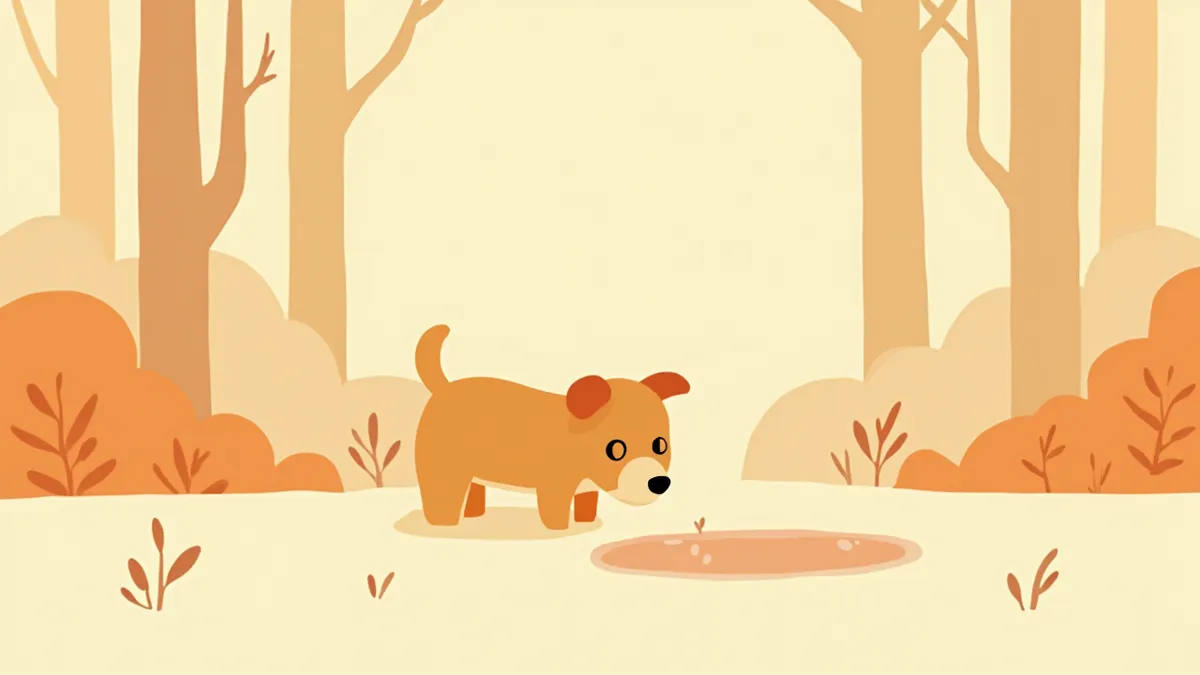
How is it transmitted?
Suspect Leptospirosis if you notice these symptoms

Emergency signs requiring immediate veterinary care
If you notice any of the following symptoms, your pet needs emergency veterinary care within 24 hours. Leptospirosis can rapidly progress to acute kidney or liver failure, significantly increasing the risk of death. 1. Inability to urinate for more than 12 hours, or conversely, passing large amounts of very pale, watery urine 2. Yellowing of the gums or the whites of the eyes (jaundice) 3. Vomiting or diarrhea containing blood 4. Rapid breathing and coughing up blood 5. Seizures or decreased level of consciousness
How is it diagnosed?
How is it treated?
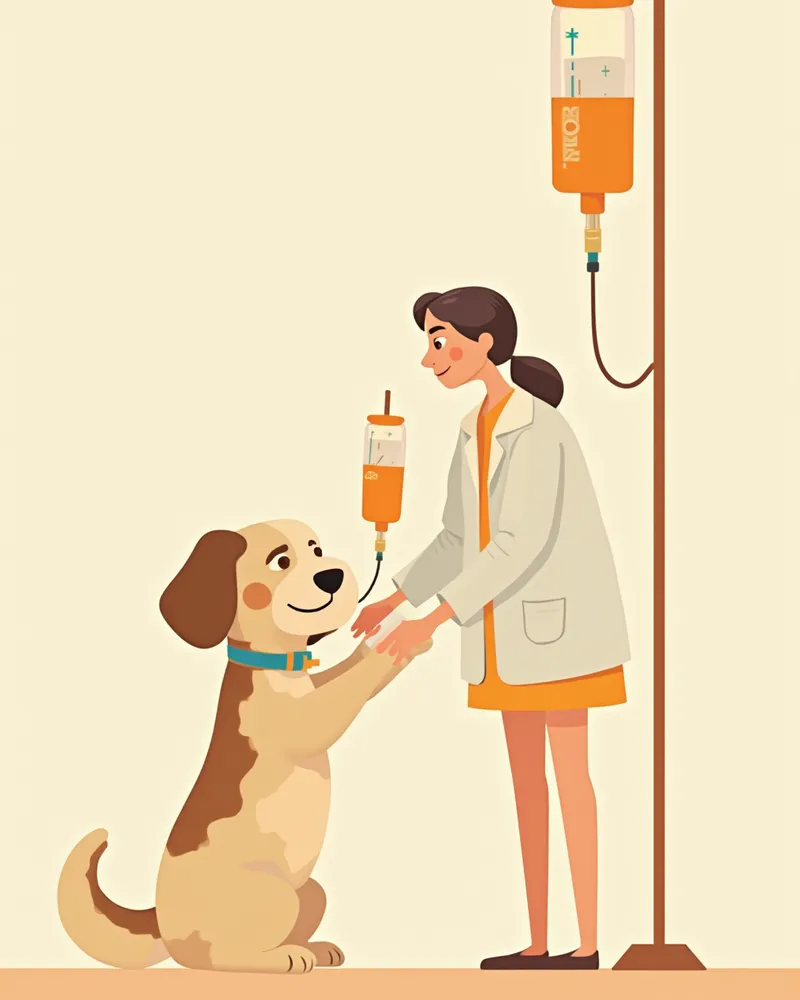
Home care management
Vaccination and environmental management are the best prevention
Prevention is far more important than treatment for leptospirosis. - Dog vaccinations: Included in the combination vaccine (DHPPL) or administered as a separate leptospirosis vaccine. Annual booster shots are required. - Cats: Since there is no dedicated vaccine, minimizing outdoor exposure is key. - Environmental management: Remove attractants for rodents around your home, such as food waste and open food containers. - Walking habits: Prevent access to standing water and areas near drains, and avoid puddles after rain. Before traveling, camping, or visiting rural areas, please consult your veterinarian to review vaccination schedules.
Reviewed by a veterinarian

Dr. Tony — Punnawat Phongkittirak
VeterinarianA veterinarian who majored in veterinary medicine at Khon Kaen University, Thailand, and completed the IVSA program at North Carolina State University in the United States. Drawing on clinical experience at animal hospitals, he works in the pet healthcare field and is dedicated to building a digital care environment that connects pet parents with veterinarians.
Reviewed 2026-04-29
Frequently Asked Questions
Can dogs transmit leptospirosis to humans?
Can my pet still get sick even after being vaccinated?
Can it still be transmitted to other pets even after recovery?
Should dogs that live exclusively indoors still receive vaccinations?
Can cats get leptospirosis?
Share
Related Guides

Primary vs. Secondary Veterinary Hospitals: A Comparison

5 Easy-to-Raise Cat Breeds for First-Time Owners — Grooming Difficulty Comparison

Top 7 Short-Legged Dog Breeds

Puppy Drinking Excessive Water and Losing Weight — Causes and Treatment Timing for Chronic Kidney Disease (CKD)
Dog Herbicide Poisoning: Symptoms, Emergency Response, Dangerous Dosages, and Prevention – A Complete Guide
If You Notice a Black Spot on Your Dog’s Skin — A Guide to Canine Cutaneous Melanoma Symptoms, Diagnosis, and Treatment
Canine Pulmonary Adenocarcinoma: Early Symptoms, Diagnosis, Treatment, Prognosis, and Management Guide

Treatment of Canine Otitis Externa by Type (Bacterial, Fungal, Parasitic)

The Complete Guide to Tick-Borne Lyme Disease in Dogs
Ear Mites in Dogs: Symptoms, Causes, Diagnosis, Treatment, and Care Essentials
References
[1] Sykes JE, Canine and Feline Infectious Diseases, Chapter 50 Leptospirosis, 2013
[2] Greene CE, Infectious Diseases of the Dog and Cat, 4th Edition, 2012
[3] ACVIM Consensus Statement on Leptospirosis in Dogs (2010)