Like
Share
멍실장
강아지 고혈압성 망막증 증상과 원인, 진단·치료와 관리 포인트 총정리

If Your Dog Suddenly Loses Vision — Causes and Treatment Timing for Hypertensive Retinopathy

Eye HealthDiseasesMeongsiljang Veterinary Advisory Board

Hypertensive retinopathy in dogs is a condition where high blood pressure causes damage to the retina, making early detection crucial. Symptoms include vision loss, increased tear production, and bleeding within the eye.

What Is Canine Hypertensive Retinopathy?

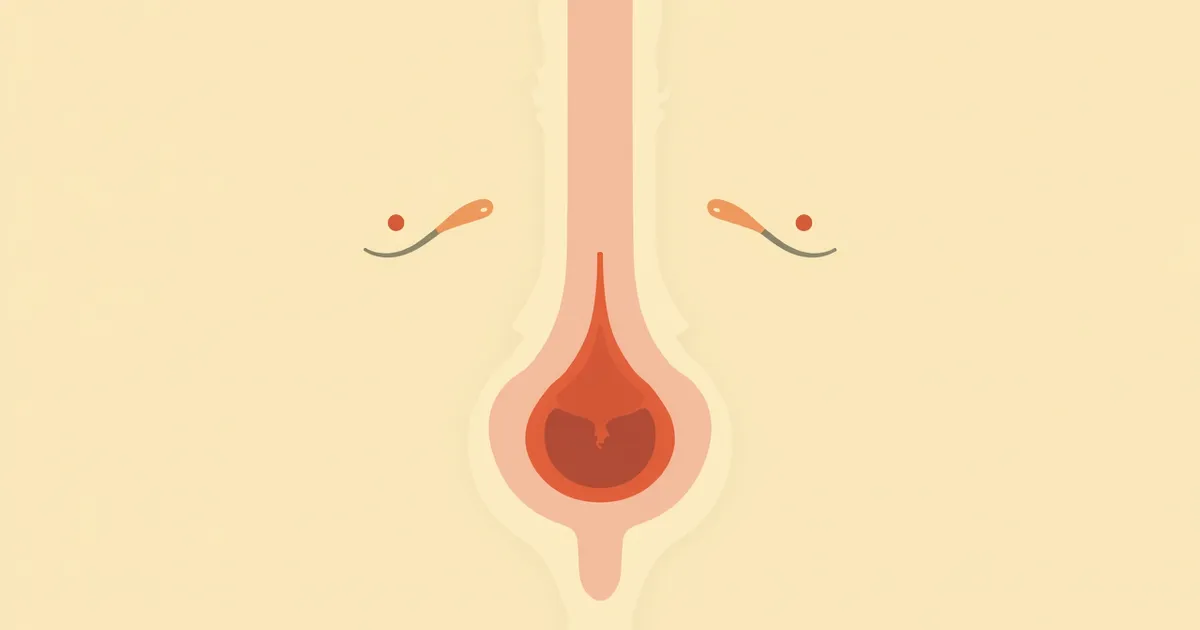
Image of a dog’s face suspected of having hypertensive retinopathy
Canine hypertensive retinopathy is a condition in which sustained high blood pressure damages the blood vessels of the eye, including those in the retina, choroid, and optic nerve. Elevated blood pressure weakens these vessels and alters their permeability, which can lead to retinal hemorrhage or exudation, and in severe cases, retinal detachment. Contrary to common belief, ocular changes are often the first sign that reveals systemic hypertension, and vision loss or sudden blindness are the most common reasons owners seek veterinary care. Therefore, it is crucial not to overlook even subtle changes. If left untreated, progressive retinal detachment can result in permanent blindness. Early detection is especially critical for dogs with underlying conditions such as chronic kidney disease, making regular fundus (retinal) examinations essential for proactive risk assessment.

What Are the Main Causes?

The primary cause of hypertensive retinopathy in dogs is usually secondary hypertension associated with other systemic diseases. Chronic kidney disease is the most common cause; as kidney function declines, the renin-angiotensin-aldosterone system becomes activated and peripheral blood vessels constrict, leading to elevated blood pressure. Other endocrine disorders, such as hyperadrenocorticism (Cushing’s disease), diabetes mellitus, thyroid disease, pheochromocytoma, and hyperaldosteronism, can also be underlying causes. Additionally, certain medications, such as glucocorticoids (steroids), and tumors (neoplasms) may induce hypertension. Because these conditions place stress on the retinal blood vessels and cause damage, accurately identifying the underlying disease is essential for effective treatment. Both blood tests and imaging studies are necessary for an accurate diagnosis.
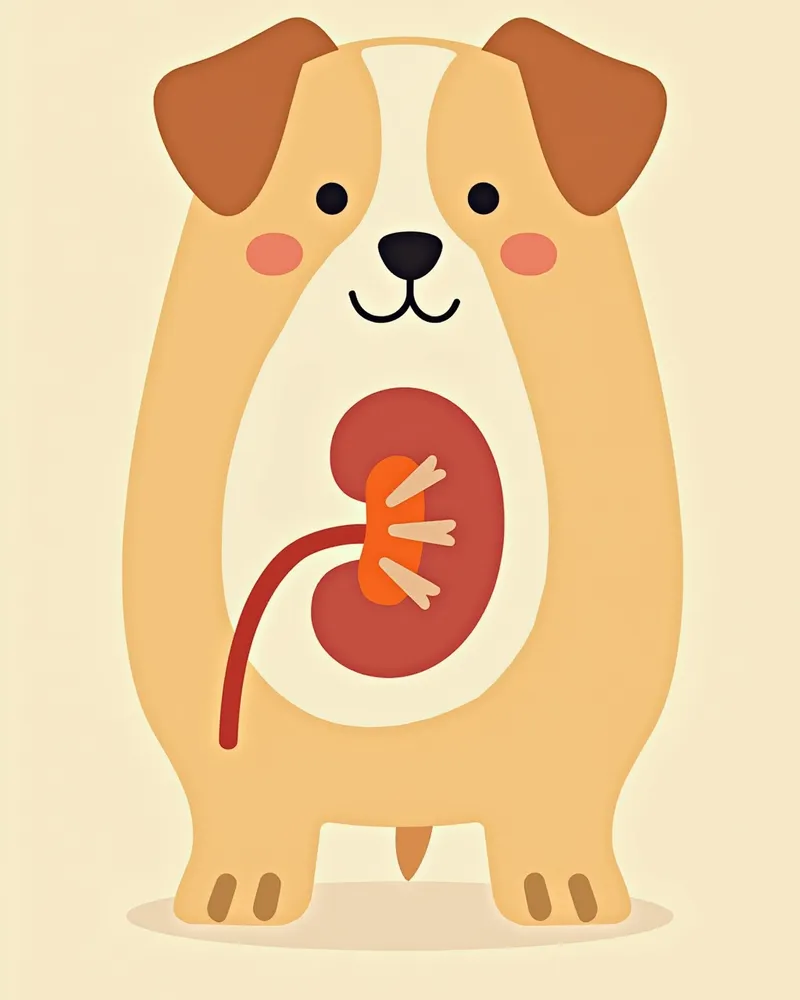
Illustration of kidney and blood vessel damage caused by hypertension

Key Symptoms and Signs

The hallmark signs of hypertensive retinopathy in dogs include vision loss, retinal and vitreous hemorrhages, bleeding in the front of the eye (anterior chamber hemorrhage), and dilated pupils that respond poorly to light. In severe cases, retinal detachment can lead to sudden blindness. Owners often overlook subtle clues such as unsteady gait in dim lighting or bumping into furniture and walls. Sudden disorientation or staring blankly into space are also warning signs. Since ocular changes are frequently the first indication of systemic hypertension, any such symptoms warrant an immediate veterinary visit. Early detection is crucial for preserving vision.
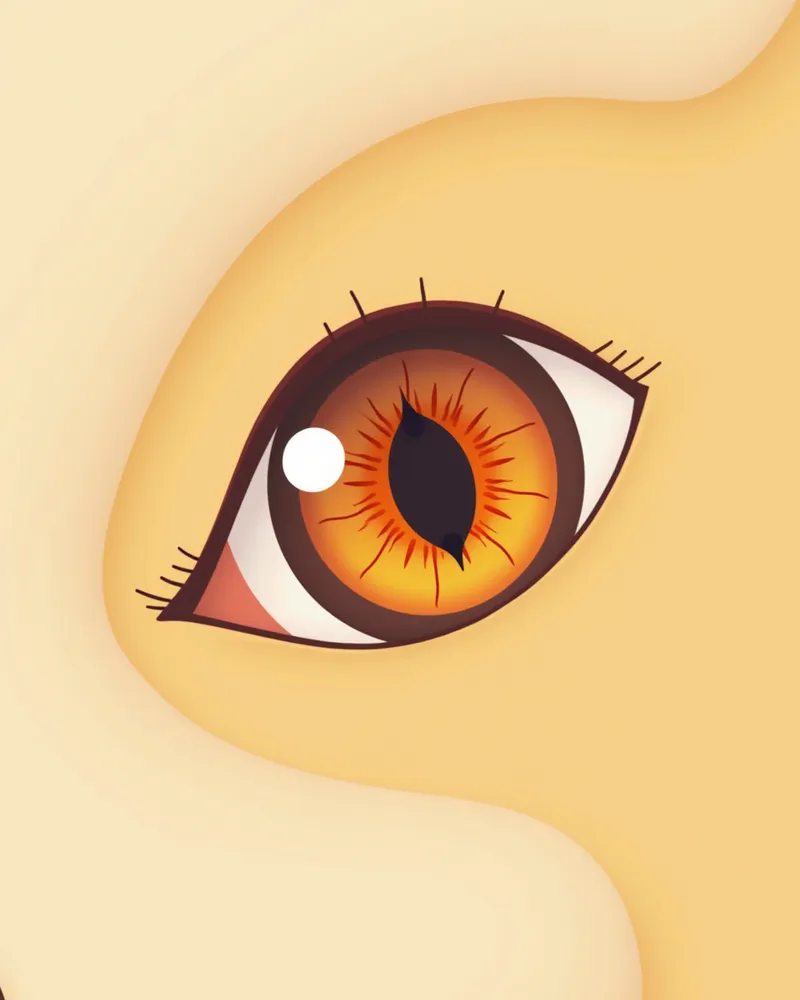
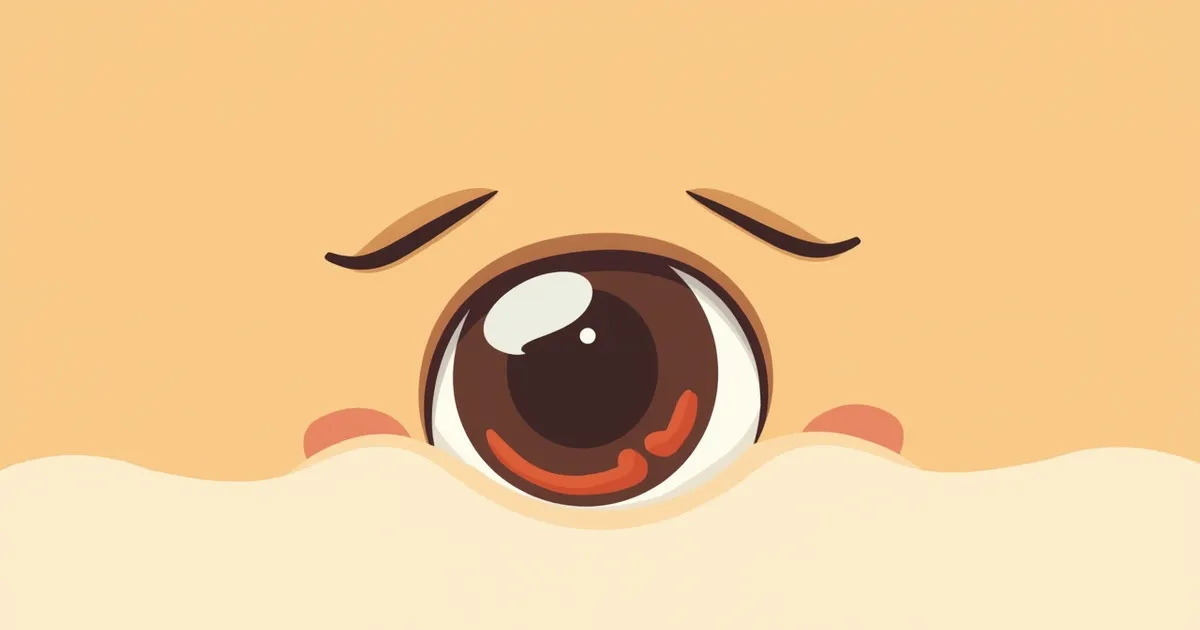
A close-up image of a dog's eye showing retinal hemorrhage.

Signs Requiring Immediate Veterinary Visit

If your pet suddenly loses vision, experiences eye bleeding, or has dilated pupils, seek veterinary care immediately. These are emergency symptoms that can lead to blindness, so treatment within 24 hours is essential.

How Is It Accurately Diagnosed?
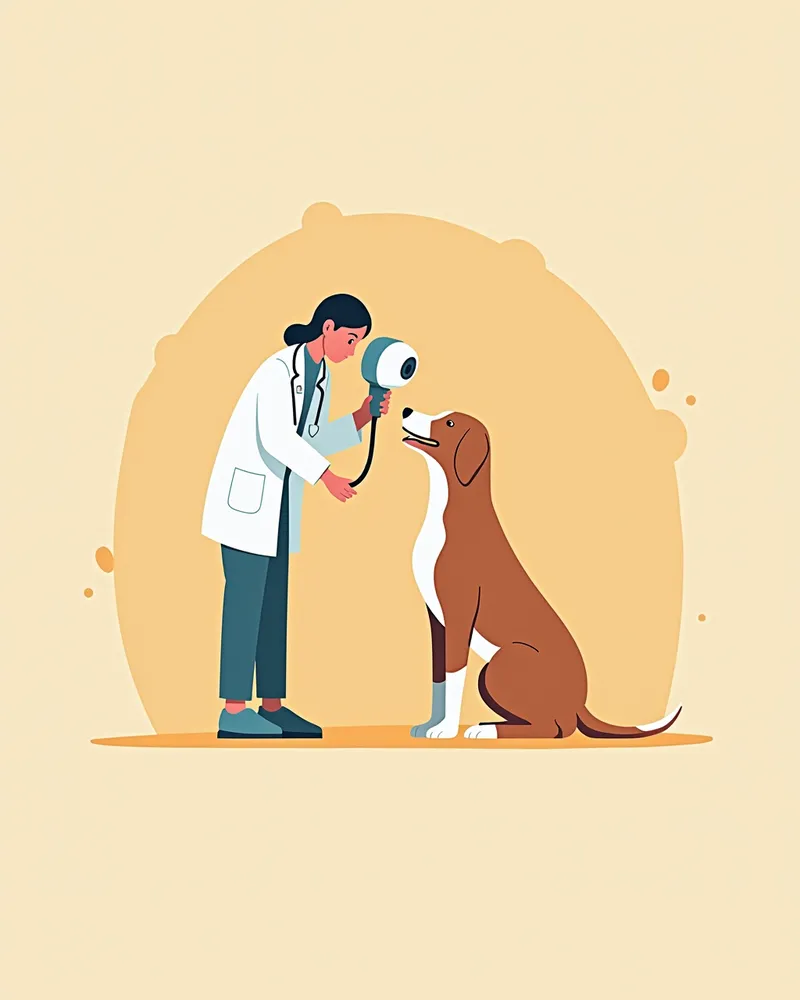
Hypertensive retinopathy is diagnosed by directly observing the condition of blood vessels inside the eye using a specialized ophthalmic retinal examination device. Blood pressure measurement is essential and plays a crucial role in confirming the presence of hypertension. Kidney function tests and hormone level measurements are also conducted to identify the underlying cause. Blood tests and ultrasound examinations are used to assess the status of internal organs. It is particularly important to determine whether any chronic diseases are present. Multiple tests must be performed in parallel to ensure an accurate diagnosis.
A veterinarian examining a dog's eyes using an ophthalmoscope.

Treatment Methods and Step-by-Step Management

The cornerstone of treatment is to stabilize and control elevated blood pressure. Antihypertensive medications such as ACE inhibitors or amlodipine are most commonly used, typically starting with a single drug and adjusting based on the patient’s blood pressure response. Concurrently, it is essential to treat the underlying cause—such as chronic kidney disease, Cushing’s disease, or thyroid disorders—because failing to address the primary condition can prevent ocular lesions from improving and may even worsen them. The therapeutic goal is to reduce systolic blood pressure to approximately 140–150 mmHg or lower to prevent further organ damage. Treatment may last from several months to years, making regular veterinary visits essential. Missing doses or arbitrarily changing dosages can cause blood pressure to rise again, so consistent blood pressure monitoring and check-ups are crucial throughout the course of treatment.
A veterinarian administering medication to a puppy.

Management Points at Home

- Blood pressure monitoring: Measure blood pressure regularly. - Medication adherence: Strictly follow the prescribed timing and dosage. - Dietary management: Avoid feeds that are excessively high in salt. However, since strict sodium restriction has not been clearly proven to lower blood pressure and may instead stimulate the hormonal system (RAAS), consult your veterinarian to select a diet tailored to the underlying condition (such as kidney disease) rather than making independent judgments. - Environmental stability: Provide a quiet space, as stress can temporarily raise blood pressure. - Regular check-ups: Schedule regular ophthalmic (fundus) and internal medicine examinations. - Activity regulation: Maintain a consistent daily routine. These management practices are greatly beneficial for long-term health maintenance.
A puppy resting in a calm, stable environment

Specific Breeds Require Caution

Hypertensive retinopathy is more closely linked to underlying conditions like chronic kidney disease or endocrine disorders, as well as advanced age, than to specific breeds. Dogs with these underlying conditions or those who are older are at a higher risk of developing high blood pressure and the resulting retinal damage. Therefore, regular blood pressure monitoring and fundus (retinal) examinations are essential, even if no outward symptoms are present.

Reviewed by a veterinarian

Dr. Tony — Punnawat Phongkittirak

Dr. Tony — Punnawat Phongkittirak

Veterinarian

A veterinarian who majored in veterinary medicine at Khon Kaen University, Thailand, and completed the IVSA program at North Carolina State University in the United States. Drawing on clinical experience at animal hospitals, he works in the pet healthcare field and is dedicated to building a digital care environment that connects pet parents with veterinarians.

Frequently Asked Questions

Can hypertensive retinopathy in dogs be cured?
Effectively managing the underlying condition and high blood pressure can stabilize symptoms, and in some cases, restore vision. However, since already damaged retinal tissue may not fully recover, earlier diagnosis and treatment lead to better outcomes.
Is prevention possible?
Early detection and management of chronic conditions, such as kidney disease, can help reduce the risk of hypertensive retinopathy. Regular check-ups are key.
Will giving the medication cause any side effects?
Blood pressure medications can affect dogs differently, so side effects may occur. Typically, treatment starts with one medication, and the dosage is adjusted based on the dog’s blood pressure response. If any abnormalities arise, do not stop the medication on your own; instead, consult your veterinarian to adjust the dosage.
Can I measure my pet’s blood pressure at home?
Blood pressure readings can vary depending on the device and measurement environment. Since diagnosis and treatment decisions are based on multiple repeated measurements, it’s best to have a veterinarian take the readings or review them with you to ensure accurate recording and interpretation.
Can it cause blindness?
Prolonged high blood pressure can cause severe retinal damage, potentially leading to retinal detachment and blindness. Early diagnosis and treatment are key to preserving vision.

Share

Related Guides

References

[1] Brown SA, Henik RA. Diagnosis and treatment of systemic hypertension. Vet Clin North Am Small Anim Pract 1998;28(6):1481–94.

[2] Komáromy AM, Andrew SE, Denis HM, Brooks DE, Gelatt KN. Hypertensive retinopathy and choroidopathy in a cat. Vet Ophthalmol 2004;7(1):3–9.

[3] Clinical Medicine of the Dog and Cat, 4th Ed. Elsevier, 2020.

This information is based on veterinary literature and does not replace diagnosis or treatment. Please consult a veterinarian for specific health concerns.

Metapet Co., Ltd. | CEO: Park Sung-yong | Business Reg. No. 417-88-02562 | Seoul, South Korea | Customer Center

Sudden Blindness in Dogs: Hypertensive Retinopathy Timing | Meongsiljang