Like
Share
멍실장
강아지 치과 방사선 검사 증상과 원인, 진단·치료와 관리 포인트 총정리

Comprehensive Guide to Canine Dental Radiography: Symptoms, Causes, Diagnosis, Treatment, and Management

Oral HealthDiseasesMeongsiljang Veterinary Advisory Board

Dental X-rays are a key diagnostic tool for uncovering hidden problems in your dog’s tooth roots, gums, and jawbone. Regular check-ups help prevent tooth loss and support your pet’s overall health.

Dental radiography is a key diagnostic method for uncovering hidden problems in your dog’s tooth roots and jawbone.
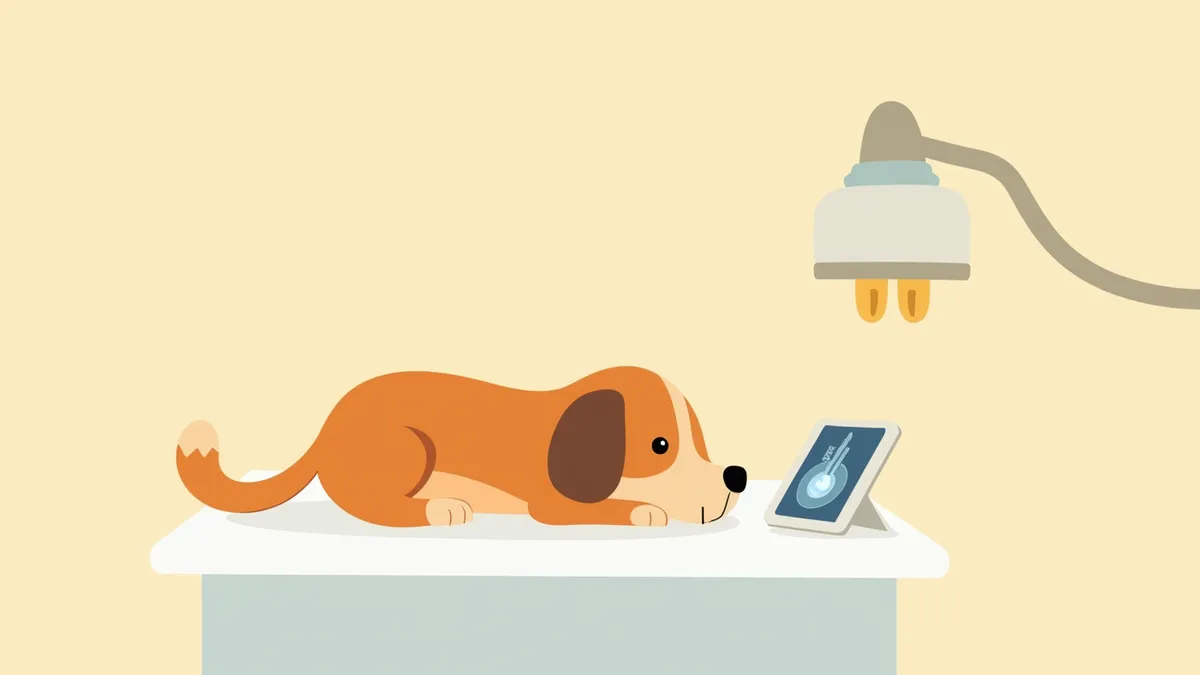
A veterinarian uses radiographic equipment to take an X-ray of a puppy’s jaw.
Dental radiography is a key diagnostic tool for uncovering hidden problems in your dog’s tooth roots, gums, and jawbone. It provides a much more accurate assessment than simply examining visible dental abnormalities. Conditions such as root inflammation, jawbone resorption, and tooth displacement cannot be detected by visual inspection alone, making radiographic imaging essential for diagnosis. Regular dental check-ups help prevent tooth loss and support your pet’s overall health.

Root inflammation, jawbone resorption, and tooth displacement are the main causes.
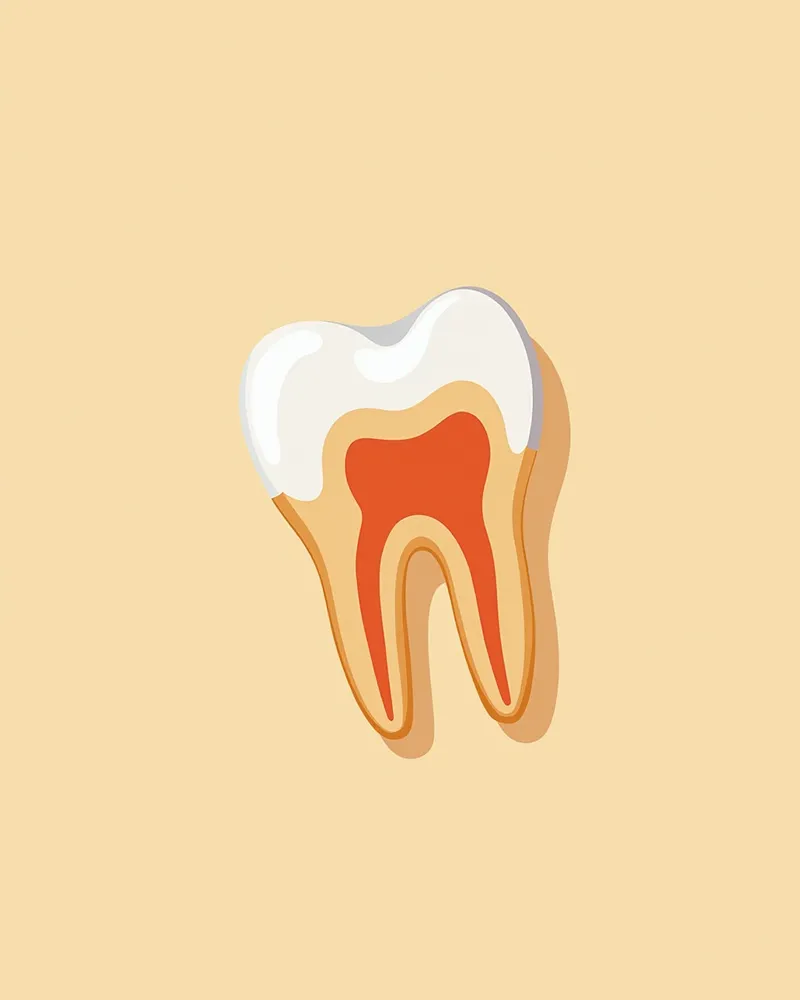
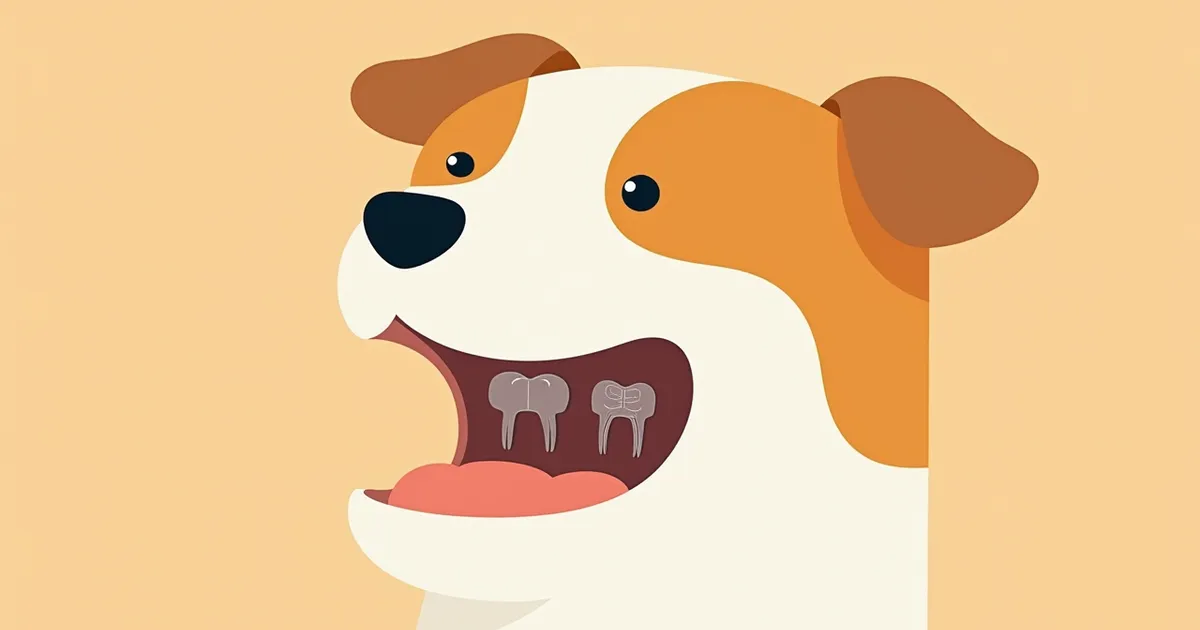
The most common issue found in dental radiographs of dogs is periodontal disease. As plaque and tartar on the tooth surfaces progress below the gumline, the bone surrounding the tooth roots gradually becomes resorbed. This process typically occurs without any visible external symptoms. Severe bone resorption reduces the structures supporting the teeth, which can cause them to become loose or fall out; in severe cases, pathological fractures of the jawbone may even occur. Tooth displacement refers to the phenomenon where teeth move out of their normal positions due to trauma or chronic inflammation. Because these problems are not easily visible externally, and particularly because subtle bone loss is difficult to detect with standard skull radiographs, intraoral dental radiography is essential.
Radiographic image showing bone resorption around the tooth root.

Check for key symptoms and signs.

The main symptoms of problems detected in dental radiographs for dogs are as follows:
Severe bad breath: Chronic inflammation of the tooth roots causes a strong odor.
Reluctance to eat: Dogs may avoid moving their jaws or eating when painful teeth are touched.
Reaction to jaw touch: Touching the jaw may cause pain, leading to a hunched back or pulling away of the hind legs.
Swelling around the mouth: Inflammation in the jawbone can cause swelling and severe pain.
Loose teeth: Weakened bones can lead to loose or falling teeth.
If you notice any of these signs, consult your veterinarian immediately.
A puppy showing reluctance to eat, with a slightly swollen jaw

Signs requiring immediate veterinary visit

If your dog shows severe pain, has a swollen jaw, refuses to eat, or has a strong bad breath, you should visit the vet immediately. This could indicate a serious tooth root infection or a jawbone infection. A radiographic examination is necessary for an accurate diagnosis and to start appropriate treatment.

Radiographic examination is essential for accurate diagnosis.
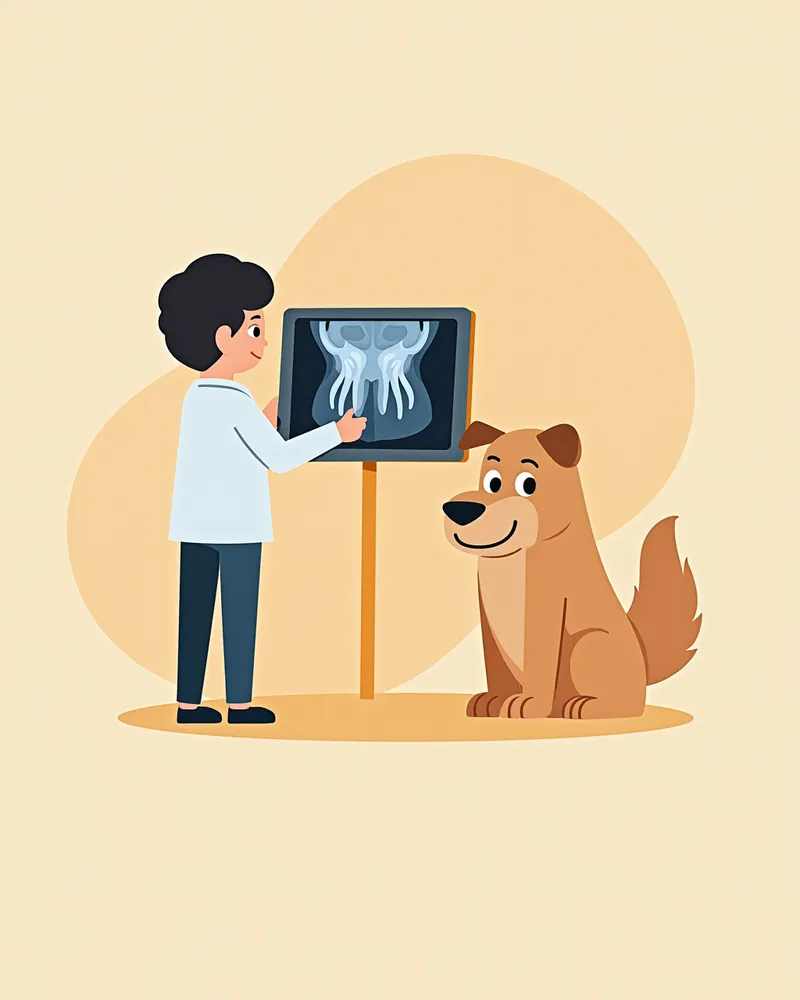
Dental radiography is essential for accurately identifying hidden problems in your dog’s tooth roots, gums, and jawbone. A routine visual exam performed while the dog is conscious is often insufficient to detect inflammation of the tooth roots beneath the gumline or subtle bone resorption in the jaw. In particular, the fine bone loss associated with periodontal disease is rarely visible on standard skull radiographs; therefore, intraoral dental radiographs are necessary to properly diagnose and treat pathological jaw fractures. Veterinarians analyze variations in radiographic density (shading) to assess the condition of the teeth and surrounding bone, thereby formulating an appropriate treatment plan. Furthermore, if the diseased tooth root causing the problem is not removed, the fracture site may fail to heal properly. Consequently, without radiographic examination, treatment may be ineffective or lead to incorrect clinical decisions.
A veterinarian analyzing dental radiographs.

Treatment methods vary depending on the type of problem.

If a tooth root infection is confirmed, root canal therapy or tooth extraction will be necessary. Root canal therapy removes the inflammation while preserving the tooth. However, if there is significant jawbone resorption or severe tooth displacement, extraction is the more appropriate option. After surgery, antibiotics and pain relievers are prescribed, and the diet is adjusted for a specific period to support recovery. Accurate diagnosis through radiographic imaging allows for optimized treatment planning. Your veterinarian will create a tailored treatment plan based on your pet’s weight and overall condition.
A dog recovering from dental surgery, wearing a cone

Home care and prevention are important.
Maintaining good dental health requires regular care. - Teeth cleaning: Consistent at-home care, such as daily brushing, is recommended. Regular brushing helps reduce tartar buildup, gum inflammation, and periodontal ligament damage, thereby preventing or alleviating bad breath, tooth pain, and tooth loss. - Dietary management: Choose a diet that supports dental health, and be cautious when offering overly hard treats. - Regular check-ups: Periodic dental examinations with your veterinarian are essential. Professional scaling under anesthesia may be recommended as needed. - Radiographic exams: Regular dental X-rays are crucial for early detection of hidden dental issues. Certain breeds and senior dogs are at higher risk for dental diseases, so your veterinarian may adjust the frequency of check-ups accordingly. With these preventive measures, dental diseases can be detected and prevented early.
A puppy chewing on a treat that’s good for dental health.

Certain breeds are at higher risk for dental problems.

Small breeds and brachycephalic (short-muzzled) dogs are prone to periodontal disease and bone resorption around the tooth roots because their teeth are small and tightly packed. In fact, acquired dental diseases become more common with age, and they occur more frequently in small dogs weighing less than 5 kg and in brachycephalic breeds. Additionally, the shortened muzzles of these breeds can cause abnormal tooth alignment, which may irritate the roof of the mouth or surrounding bones. Because dental issues are common in these breeds, it is important for veterinarians to recommend regular check-ups tailored to each dog’s individual needs. Early detection and consistent care can help prevent tooth loss.

Reviewed by a veterinarian

Dr. Tony — Punnawat Phongkittirak

Dr. Tony — Punnawat Phongkittirak

Veterinarian

A veterinarian who majored in veterinary medicine at Khon Kaen University, Thailand, and completed the IVSA program at North Carolina State University in the United States. Drawing on clinical experience at animal hospitals, he works in the pet healthcare field and is dedicated to building a digital care environment that connects pet parents with veterinarians.

Frequently Asked Questions

Does a dental X-ray hurt my dog?
There’s no pain involved. Since the procedure is performed under anesthesia, your dog won’t feel any discomfort during the imaging. The veterinarian will carefully manage the anesthesia based on your dog’s weight and overall health to ensure safety.
How is the frequency of X-ray examinations determined?
Regular check-ups along with X-rays are generally recommended, but the exact frequency is determined by your veterinarian based on your dog’s overall health, breed, age, and whether there are any dental abnormalities. Some breeds or senior dogs may require more frequent imaging.
If a tooth root infection is detected, is it always necessary to extract the tooth?
Not necessarily. In some cases, root canal therapy can help preserve the tooth. Your veterinarian will evaluate radiographic images and the overall condition of the tooth to determine the most appropriate treatment plan.
How long does it take from the X-ray examination to starting treatment?
It depends on the treatment method. Root canal therapy typically requires one or two visits, while tooth extraction involves a recovery period after surgery. Your veterinarian will guide you through the schedule based on your pet's condition.
If I clean my pet’s teeth at home, is an X-ray still necessary?
Yes, it’s necessary. While dental cleanings help prevent issues, root inflammation or jawbone problems that have already developed can’t be detected by appearance alone. Regular dental X-rays are key to early detection.

Comparison of radiographic findings and treatment methods by type of dental problem

ItemRadiographic FeaturesTreatment MethodRecovery Period
Tooth root inflammationBone resorption around the root, blurred root tipRoot canal treatment or tooth extraction1–2 weeks
Jawbone resorptionBlurred or diminished bone structureSurgery after removing inflammation, or observation2–4 weeks
Tooth luxationTooth displaced from its normal positionTooth extraction or stabilization treatment1–3 weeks
Tooth fractureSigns of a broken tooth, marks on the boneRoot canal treatment or extraction2–3 weeks

The veterinarian establishes an accurate diagnosis and treatment plan based on the radiographic images.

Share

Related Guides

References

[1] Plumb's Veterinary Drug Handbook, 9th Edition. Wiley-Blackwell, 2022.

[2] American Veterinary Dental College. (2021). Guidelines for Dental Radiography in Dogs. AVDC Journal, 15(2), 45-58.

[3] Larson, R. et al. (2020). Advanced Imaging in Veterinary Dentistry: Clinical Applications of Dental Radiography. Veterinary Clinics of North America: Small Animal Practice, 50(3), 501-518.

This information is based on veterinary literature and does not replace diagnosis or treatment. Please consult a veterinarian for specific health concerns.

Metapet Co., Ltd. | CEO: Park Sung-yong | Business Reg. No. 417-88-02562 | Seoul, South Korea | Customer Center

Dog Dental X-Rays: Symptoms, Causes, Diagnosis & Treatment | Meongsiljang