Like
Share
멍실장
고양이 복막 투석 증상과 원인, 진단·치료와 관리 포인트 총정리

If Your Cat’s Kidney Failure Has Progressed — Timing for Starting Peritoneal Dialysis and Management Points

KidneyDiseasesMeongsiljang Veterinary Advisory Board

Feline peritoneal dialysis is a treatment used when kidney function declines due to chronic kidney disease. It’s an important option for extending survival when kidney function has significantly diminished.

What Is Feline Peritoneal Dialysis?
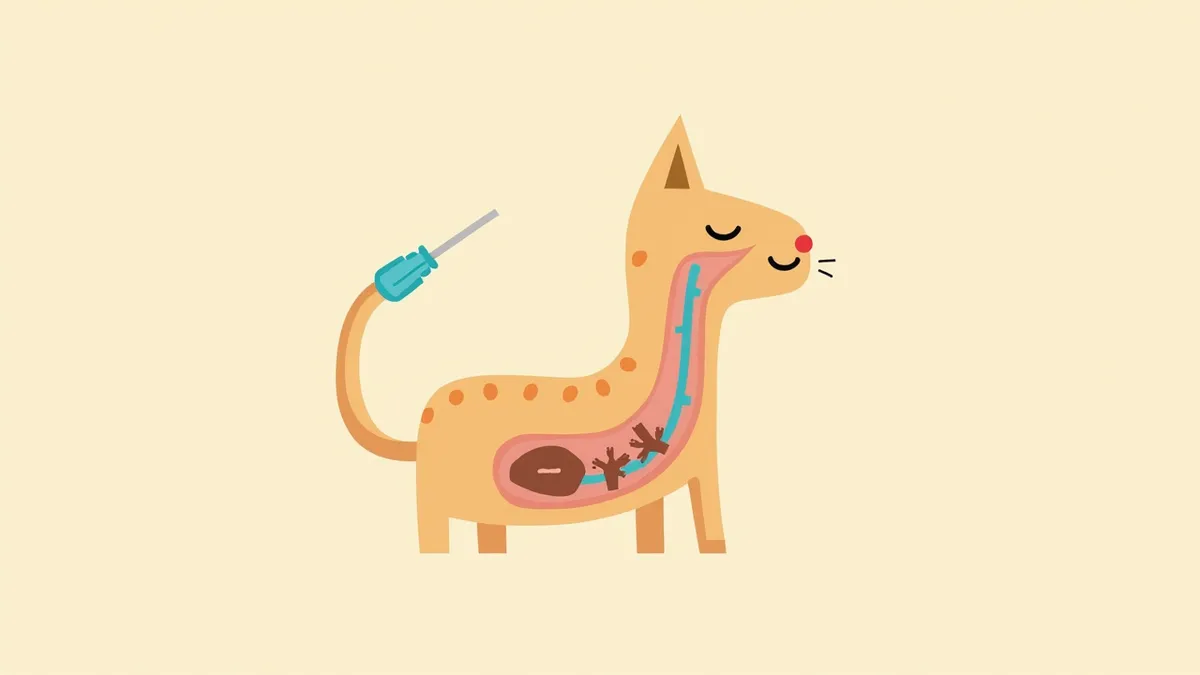
An anatomical diagram illustrating the peritoneal dialysis procedure in cats
Feline peritoneal dialysis is a treatment used when kidney function is nearly absent. It involves infusing a special solution into the abdominal cavity to help remove waste products and excess fluid. The goal is to partially replace kidney function, reduce the buildup of toxins in the body, and stabilize the cat’s condition.
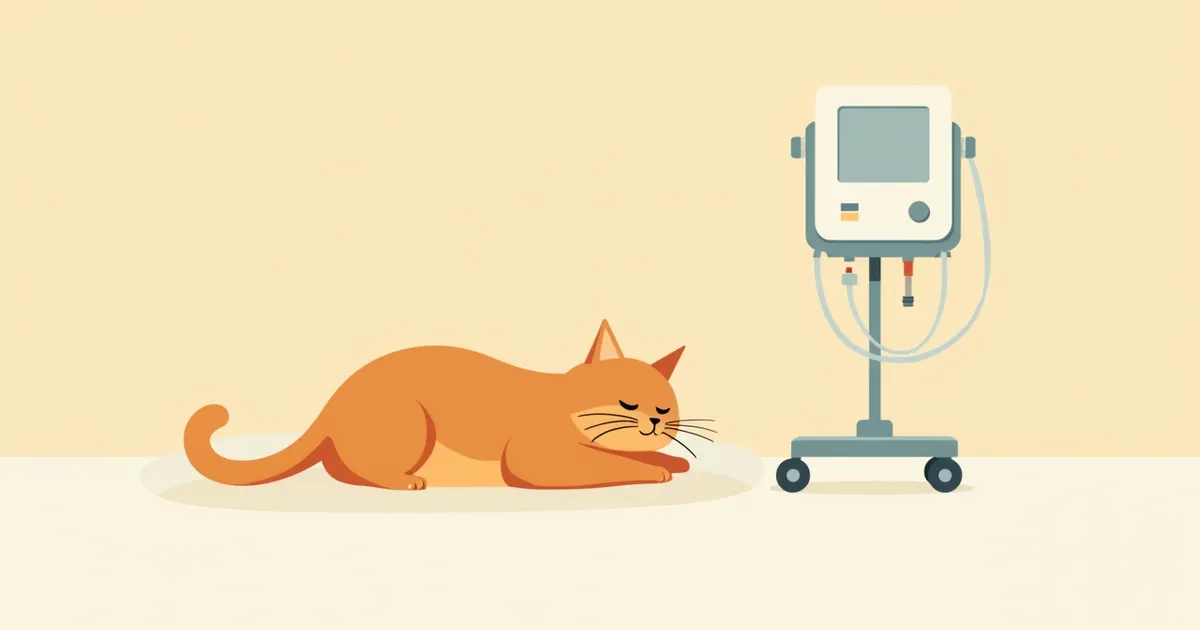
Peritoneal Dialysis Equipment: The procedure involves infusing dialysis fluid into the abdomen through a catheter and then draining it out.
Dialysis Schedule: There is no fixed number of sessions. Instead, the veterinarian determines the daily frequency based on the cat’s condition and test results.
Long-term Management: To continue dialysis at home, owners need proper education and must master hygienic procedures.

What Are the Main Causes of Peritoneal Dialysis?

Peritoneal dialysis in cats is typically considered only after chronic kidney disease has progressed significantly, as it becomes necessary when the kidneys can no longer adequately filter waste products on their own. The precise timing varies by individual and is determined based on test results.
Chronic kidney disease: Various factors can contribute, including aging, genetic predisposition, infections, and drug toxicity.
Acute kidney injury: Sudden declines in function due to poisoning, severe dehydration, or infections can also be a cause.
Recurrent pyelonephritis: Repeated or long-term inflammation can damage kidney tissue.
Hypertension: Persistent high blood pressure can place strain on the blood vessels in the kidneys.
A diagnostic chart showing the progression of chronic kidney disease in cats

Check for Key Symptoms and Signs

The need for peritoneal dialysis in cats typically arises only after severe symptoms have already developed. Early detection significantly expands treatment options.
Loss of appetite: A sudden decrease in food intake.
Repetitive vomiting: Vomiting multiple times a day.
Signs of dehydration: Dry mouth and sunken eyes.
Lethargy: Lying still and sleeping throughout the day.
Decreased urine output: Little to no urine production.
Difficulty breathing: Rapid, labored breathing with quick chest movements.
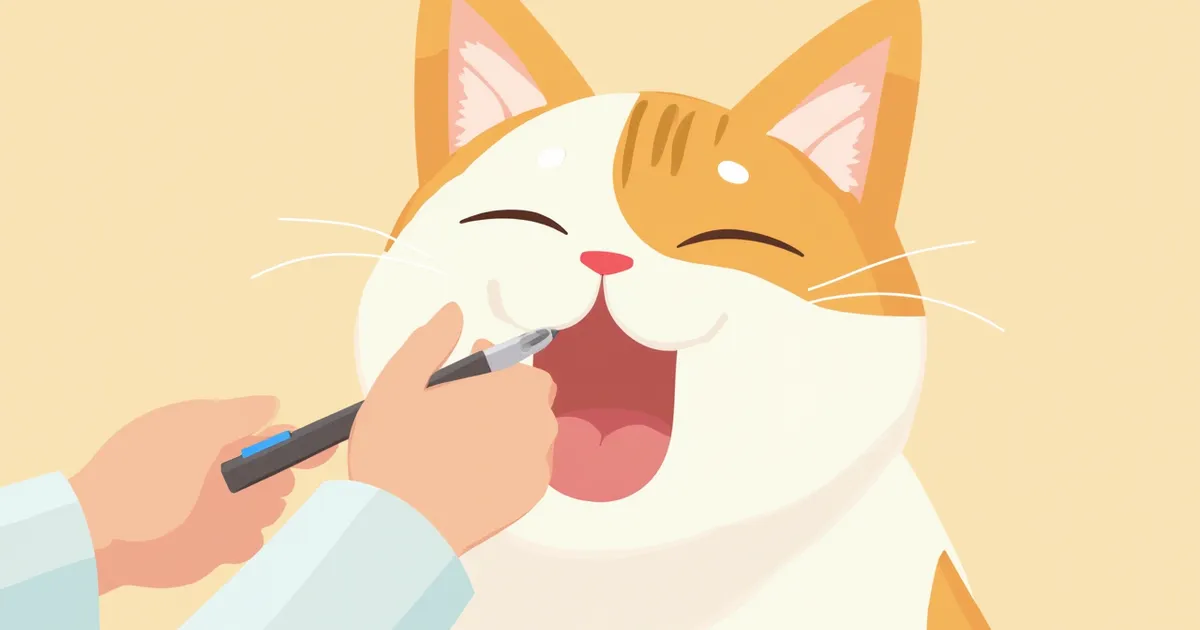
The face of a cat showing signs of dehydration and lethargy

Symptoms Requiring Immediate Veterinary Visit

If your cat is unable to urinate at all and is experiencing severe vomiting and lethargy, you should take them to the vet immediately. This could indicate that their kidney function has completely stopped, which can be life-threatening.

Diagnostic Tests for Accurate Diagnosis
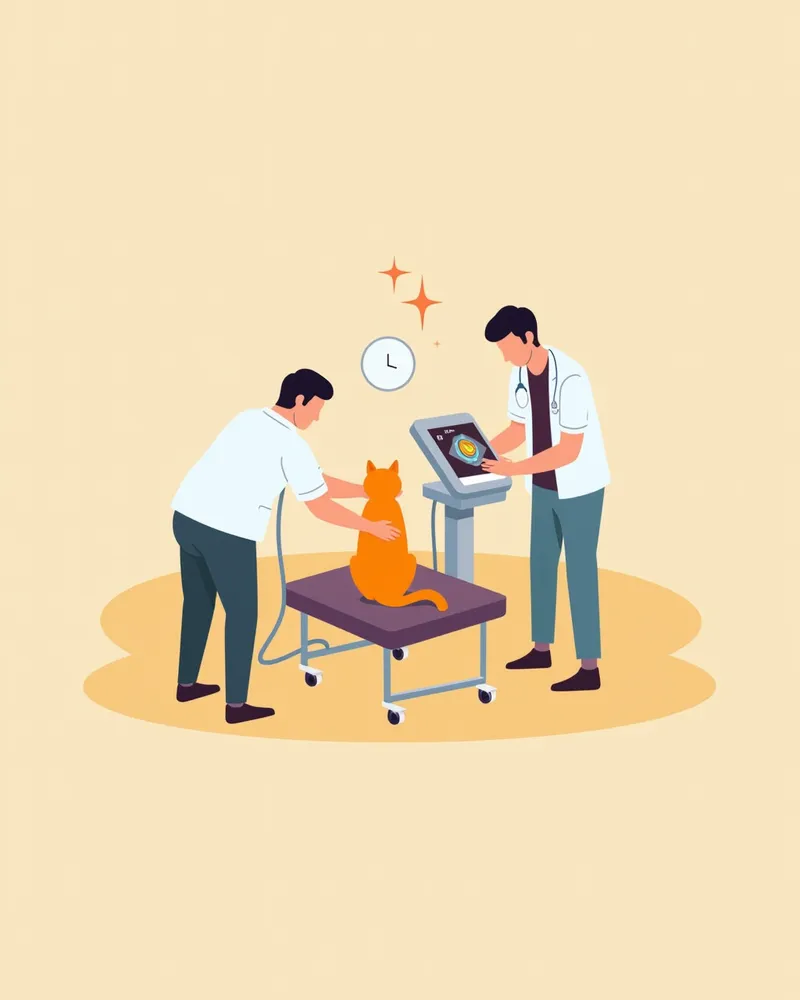
Before deciding on peritoneal dialysis, it is essential to accurately assess kidney function through various tests.
Blood tests: Evaluate kidney function by checking creatinine and BUN levels.
Urinalysis: Analyze urine concentration and the presence of protein.
Ultrasound examination: Check the size and structure of the kidneys.
Blood pressure measurement: Determine whether hypertension is present.
Peritoneal dialysis trial: Administer a small volume of dialysate to observe the patient’s response.
A veterinarian performing an abdominal ultrasound on a cat

Step-by-Step Treatment Approach

Peritoneal dialysis is carried out in stages, with important procedures at each step.
Surgical preparation: A catheter is inserted into the abdominal cavity.
Training period: Time is needed for the owner to learn the dialysis procedure and hygiene management.
Start of regular dialysis: Dialysis begins regularly according to the schedule set by the veterinarian.
Monitoring: Changes in weight, appetite, urine output, and other factors are recorded regularly.
Adjustments: The veterinarian adjusts the dialysis schedule and solution concentration based on the patient's progress.
A scene of a caregiver performing peritoneal dialysis on a cat at home.

Management Points at Home

Peritoneal dialysis needs to be performed continuously at home, so daily care is crucial.
Hygiene: Keep the area around the dialysis catheter clean at all times.
Dialysis Schedule: Perform dialysis at the same time every day for optimal results.
Dietary Management: A low-protein, low-sodium diet is recommended.
Weight Monitoring: Weigh your pet once or twice daily.
Record Keeping: Keep a log of dialysis sessions, appetite, and bowel movements.
Cat Peritoneal Dialysis Management Log and Equipment

Preventing Recurrence and Breed Considerations

Certain cat breeds may have a genetic predisposition to kidney disease, so cats with a family history or higher risk require closer monitoring. However, risk varies from individual to individual, so rather than assuming a specific breed is at risk, it’s most important to regularly check kidney health through routine check-ups and catch any warning signs early.

Reviewed by a veterinarian

Dr. Tony — Punnawat Phongkittirak

Dr. Tony — Punnawat Phongkittirak

Veterinarian

A veterinarian who majored in veterinary medicine at Khon Kaen University, Thailand, and completed the IVSA program at North Carolina State University in the United States. Drawing on clinical experience at animal hospitals, he works in the pet healthcare field and is dedicated to building a digital care environment that connects pet parents with veterinarians.

Frequently Asked Questions

How long can a cat undergo peritoneal dialysis?
Life expectancy varies significantly from pet to pet, depending on the severity of kidney damage, the effectiveness of dialysis, and the overall quality of care. Because there is no definitive average lifespan, it is best to discuss the prognosis with your veterinarian based on the specific test results.
Can dialysis be performed at home?
Yes, in many cases, dialysis can be performed at home. The veterinarian will train you on the procedure and hygiene management, allowing you to handle the care directly.
What should I do if my cat feels unwell during dialysis?
If you notice any signs of pain or discomfort, stop the dialysis immediately and consult your veterinarian. It could be a sign of infection or a side effect.
What should I do if my pet eats less after dialysis?
Loss of appetite is common. Instead of offering large meals, try feeding smaller portions more frequently, and consider offering strongly scented foods to stimulate interest. If the lack of appetite persists, consult your veterinarian.
Is peritoneal dialysis painful for cats?
After surgery, some pain is normal, but with proper pain management and as your cat adjusts, discomfort typically decreases. If your cat shows significant pain or resistance, consult your veterinarian to adjust the treatment plan.

Share

Related Guides

References

[1] Schoeneman, M. et al. (2020) Peritoneal Dialysis in Cats: A Retrospective Study of 45 Cases. Journal of Feline Medicine and Surgery, 22(8), 721–730.

[2] Bergman, J. et al. (2018) Long-term Outcomes of Peritoneal Dialysis in Cats with End-Stage Renal Disease. Veterinary Medicine and Science, 4(3), 189–197.

[3] American College of Veterinary Internal Medicine (ACVIM). (2021) Consensus Guidelines on Management of Chronic Kidney Disease in Cats. Journal of Veterinary Internal Medicine, 35(4), 1450–1465.

This information is based on veterinary literature and does not replace diagnosis or treatment. Please consult a veterinarian for specific health concerns.

Metapet Co., Ltd. | CEO: Park Sung-yong | Business Reg. No. 417-88-02562 | Seoul, South Korea | Customer Center

Feline Peritoneal Dialysis: When to Start & Management Points | Meongsiljang