Like
Share
멍실장
고양이 단백뇨 관리·UPC비 증상과 원인, 진단·치료와 관리 포인트 총정리

Foam in Cat Urine — Causes of Proteinuria and UPC Ratio, and Treatment Timing

KidneyDiseasesMeongsiljang Veterinary Advisory Board

Proteinuria in cats is an important sign that may indicate kidney dysfunction. The UPC ratio is a key indicator for quantitatively assessing proteinuria, making early detection and management crucial.

Proteinuria in Cats Is an Early Sign of Kidney Damage

Protein leaking out of the microscopic structures in a cat's kidneys
Proteinuria in cats occurs when more protein than normal appears in the urine, serving as an important indicator that kidney issues may be present. However, the presence of proteinuria does not necessarily mean that the kidneys’ filtering function is impaired; early detection and proper management of the underlying cause can help slow disease progression. The UPC ratio (urine protein-to-creatinine ratio) is a key metric for quantitatively assessing the severity of proteinuria, with a normal value being 0.2 or lower. A ratio between 0.2 and 0.4 is considered borderline, while a value above 0.4 indicates proteinuria, and a ratio exceeding 2.0 is classified as severe proteinuria. Note that high-protein diets can lead to elevated values, so testing with a fasting sample is recommended. Once proteinuria is confirmed, additional tests are needed to identify the underlying cause, and early diagnosis combined with consistent management can significantly improve your cat’s quality of life.

The Main Causes of Proteinuria Are Kidney Disease and Systemic Disease
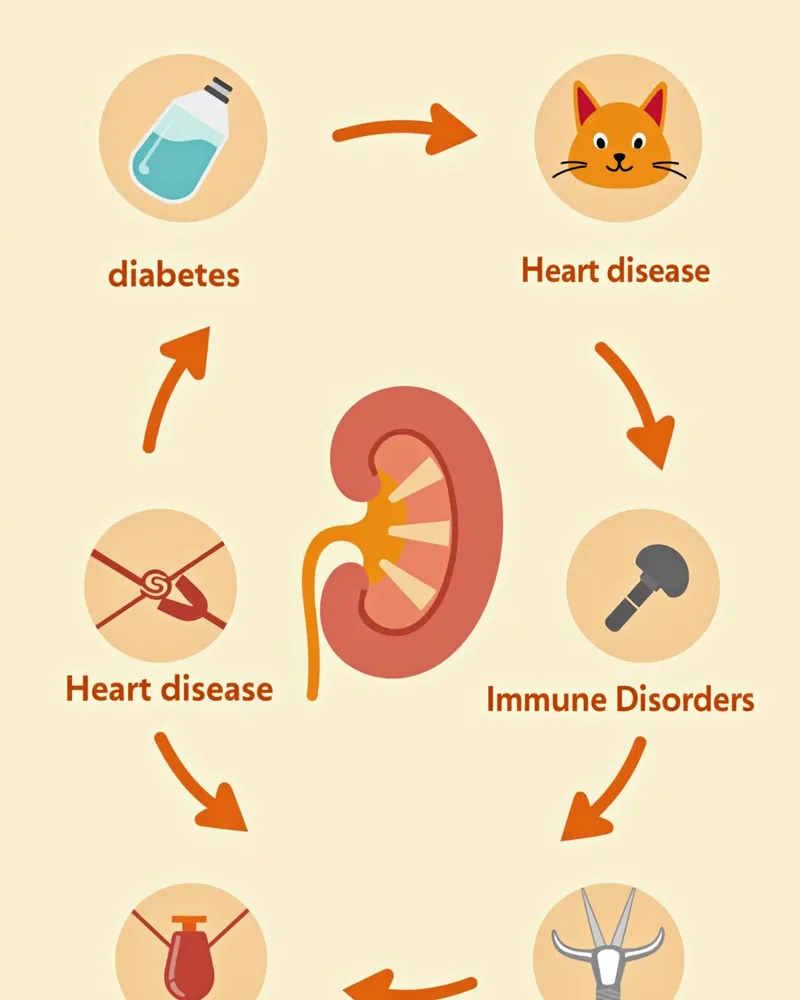
The most common cause of proteinuria in cats is disease affecting the kidneys themselves, such as chronic kidney disease, pyelonephritis, and glomerular diseases. Proteinuria is particularly prominent in conditions that damage the glomerular filtration barrier, including systemic hypertension, glomerulonephritis, and amyloidosis. Additionally, systemic conditions such as chronic infections, inflammatory diseases, tumors, and immune-mediated disorders can also lead to proteinuria. However, if blood or inflammatory cells are present in the urine sample, the urine protein-to-creatinine (UPC) ratio may appear artificially elevated. Therefore, to ensure an accurate diagnosis, it is important to consider multiple tests, including urinalysis with sediment examination.
An illustration showing how systemic diseases in cats can affect the kidneys.

Check for Key Symptoms and Signs

In the early stages, proteinuria in cats often shows few or no symptoms. However, as the condition progresses, the following signs may appear. These behaviors are not simply due to aging or habit—they could be indicators of kidney issues. Early detection significantly improves treatment outcomes. Carefully check for these signs that pet owners often overlook.
Excessive water consumption: Your cat may drink more than twice the usual amount of water daily.
Frequent or increased urination: Your cat may visit the litter box more often or produce larger volumes of urine.
Weight loss: Your cat may lose weight rapidly despite maintaining a normal appetite.
Lethargy: Your cat may stay in one place all day or show little interest in play.
Recurrent vomiting: Vomiting may occur frequently in the morning or after meals.
Deteriorating coat condition: Your cat’s fur may become rough and prone to shedding.
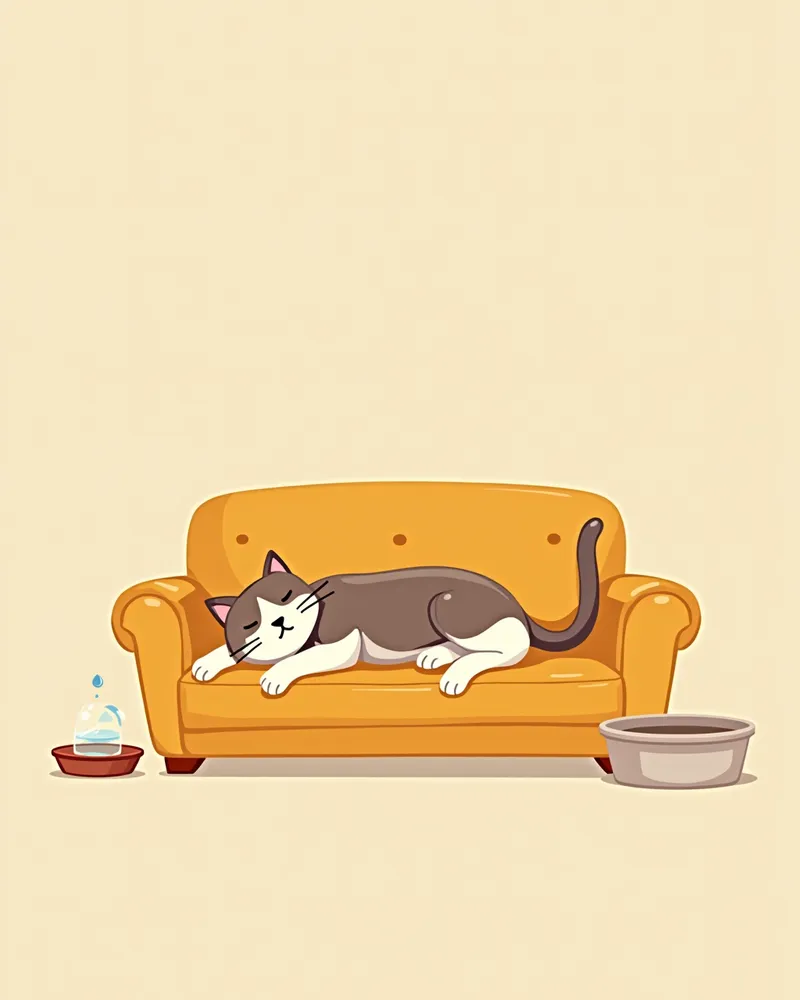
A tired cat lying on the bed, near a water bowl and a litter box.

Situations Requiring Immediate Veterinary Visit

If your cat is experiencing severe vomiting, loss of appetite, signs of shock (such as blue lips or fainting), or complete inability to urinate, seek immediate veterinary care. These symptoms may indicate rapidly progressing emergencies such as urethral obstruction or acute kidney injury. In critically ill cats, urine output must be monitored hourly, and a urine protein-to-creatinine (UPC) ratio exceeding 2.0 indicates severe proteinuria, requiring immediate treatment without waiting for further confirmation.

Diagnostic Tests for Accurate Diagnosis

Diagnosing proteinuria requires several tests, with urinalysis and blood work being the most fundamental. Measuring the urine protein-to-creatinine ratio (UPC) helps determine the severity of proteinuria. A UPC of 0.2 or below is considered normal, 0.2–0.4 is borderline, and values above 0.4 indicate proteinuria. A UPC exceeding 2.0 is classified as severe proteinuria. Since proteinuria can be transient, it’s important to confirm persistence: if borderline, re-evaluate in 2 weeks to 2 months; if proteinuria is present, re-check in 2–4 weeks. However, if the UPC exceeds 2.0, treatment may begin immediately without waiting to confirm persistence. Additional imaging studies, such as ultrasound, may also be necessary. Blood tests should include creatinine and BUN levels to assess kidney function.
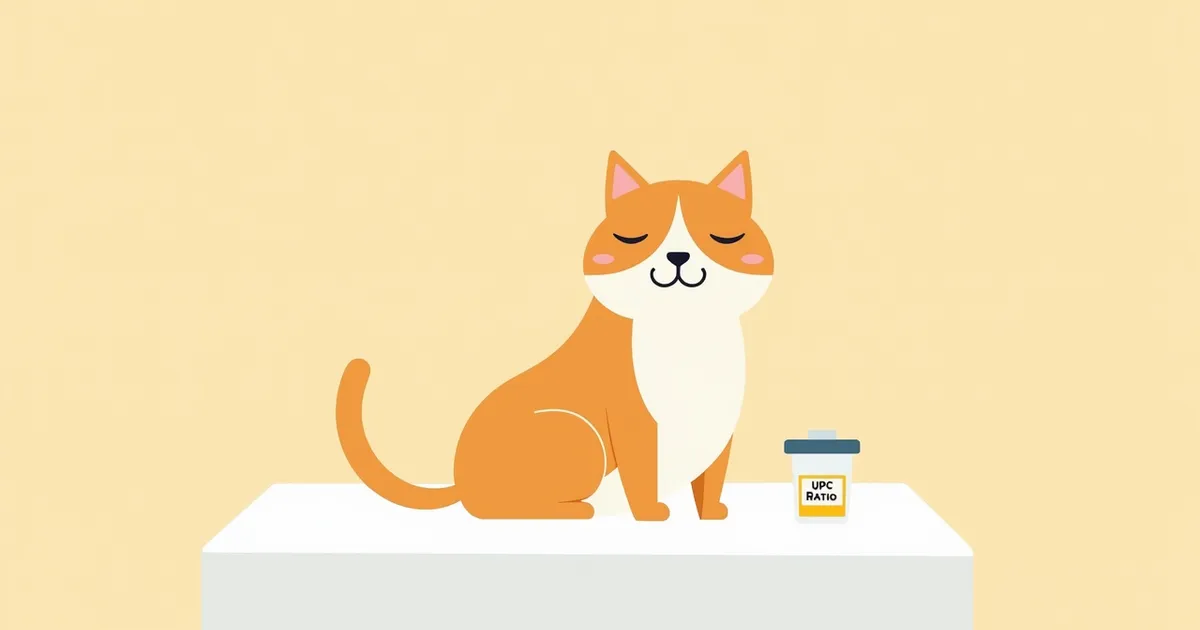
A veterinarian holding a cat’s urine sample and the UPC ratio test results.

Treatment Methods Vary Depending on the Cause and Severity

Treatment for proteinuria varies depending on the underlying cause. If kidney disease is the culprit, kidney protectants and a low-protein diet are key. For inflammation, anti-inflammatory medications are used, while infections require antibiotic prescriptions. If an immune-mediated disorder is suspected, immunosuppressants may be considered. Additionally, using blood pressure medications can help further delay kidney damage. This isn’t a short-term fix; it requires long-term management. Your veterinarian will adjust medications and diet based on your pet’s weight and overall condition.
A cat eating prescription food, a veterinarian writing down a treatment plan

Management Points at Home

Managing proteinuria hinges on consistent care at home. It’s essential to keep up with regular check-ups and medication. Make sure your pet drinks plenty of water, avoid high-protein foods, and provide the special diet recommended by your veterinarian. Create a low-stress environment for your pet. Keep the litter box clean and ensure it’s comfortable for your cat to use. Regular weight checks and monitoring for behavioral changes are also important.
An indoor environment with a clean litter box, a water fountain, and a comfortable bed.

Breed-Specific Precautions and Prevention of Recurrence

Cats with certain genetic conditions, such as polycystic kidney disease or hereditary nephropathy, may be more susceptible to kidney problems. If proteinuria is detected, the kidney disease may progress, so it is advisable to monitor the condition through regular check-ups every 3 to 6 months. Do not arbitrarily stop or alter the medications prescribed by your veterinarian or the recommended dietary plan; consistency is key. Additionally, reducing stressors and maintaining a consistent daily routine can be beneficial.

Reviewed by a veterinarian

Dr. Tony — Punnawat Phongkittirak

Dr. Tony — Punnawat Phongkittirak

Veterinarian

A veterinarian who majored in veterinary medicine at Khon Kaen University, Thailand, and completed the IVSA program at North Carolina State University in the United States. Drawing on clinical experience at animal hospitals, he works in the pet healthcare field and is dedicated to building a digital care environment that connects pet parents with veterinarians.

Frequently Asked Questions

Is a UPC ratio of 0.3 a cause for concern?
A UPC ratio of 0.3 is borderline. Since the normal range is 0.2 or below, persistently elevated levels may indicate kidney damage. We recommend further testing.
Is proteinuria a natural occurrence as cats age?
While aging can lead to a decline in kidney function, proteinuria is a pathological condition. Even in older pets, it's important to detect and manage proteinuria early.
Can proteinuria improve with dietary management alone?
If the cause is dietary, it may be possible to manage it through diet alone. However, in most cases, dietary management needs to be combined with medication. This should be done under the guidance of a veterinarian.
Does proteinuria significantly increase the risk of death in cats?
Proteinuria can be a sign of serious kidney disease, but early detection and proper management can significantly extend your pet’s lifespan. Consistent care is key.
When should a UPC test be performed?
If your cat shows symptoms such as excessive drinking, frequent urination, or weight loss, or if abnormalities are detected during a routine checkup, have them tested immediately. We also recommend testing if your cat hasn’t had a checkup in over six months.

Characteristics and Management Directions by Degree of Proteinuria

ItemStageUPC ratio rangeMain characteristicsMain management direction
Borderline0.2 – 0.4Border between normal and proteinuriaSlight increase of protein in urineConfirm persistence with retesting, stress management, dietary management
Mild0.4 – 1.0A state with proteinuriaThere may be no clear symptoms in the early phaseCause evaluation, regular testing, dietary management if needed
Moderate1.0 – 2.0Suspected progression of kidney damageMay be accompanied by polydipsia/polyuria, weight loss, etc.Treat the cause, protein/phosphorus-restricted diet, regular management
Severe2.0 or higherSevere proteinuriaSystemic symptoms such as vomiting and loss of appetite possibleBegin treatment immediately without confirming persistence, intensive management

The UPC ratio is most accurate when measured in a fasting state. Results may be distorted if blood or inflammation is present.

Share

Related Guides
References

[1] Sparkes AH, Caney S, Chalhoub S, et al. ISFM consensus guidelines on the diagnosis and management of feline chronic kidney disease. J Fel Med Surg. 18(3):219–239, 2016.

[2] Littman MP. Protein-losing nephropathy in small animals. Vet Clin North Am Small Anim Pract. 41(1):31–62, 2011.

[3] Feline Emergency and Critical Care Medicine, 2nd Ed. Normal feline UPC values are <0.2. Inflammation and blood contamination can increase urine protein content.

This information is based on veterinary literature and does not replace diagnosis or treatment. Please consult a veterinarian for specific health concerns.

Metapet Co., Ltd. | CEO: Park Sung-yong | Business Reg. No. 417-88-02562 | Seoul, South Korea | Customer Center

Foam in Cat Urine? Proteinuria, UPC Ratio & Treatment Timing | Meongsiljang