Like
Share
멍실장
고양이 건식 vs 습식 vs 생식 선택 증상과 원인, 진단·치료와 관리 포인트 총정리

Cat Dry vs. Wet vs. Raw Food Selection: Symptoms, Causes, Diagnosis, Treatment, and Management Points Summary

Lifestyle & Age CareDiseasesMeongsiljang Veterinary Advisory Board

A cat’s diet can lead to serious health issues such as kidney disease and urinary tract problems. It’s important to understand the characteristics and risks of dry, wet, and raw food, and to provide tailored care.

Choosing Between Dry, Wet, and Raw Food for Cats Is a Dietary Issue That Directly Affects Health
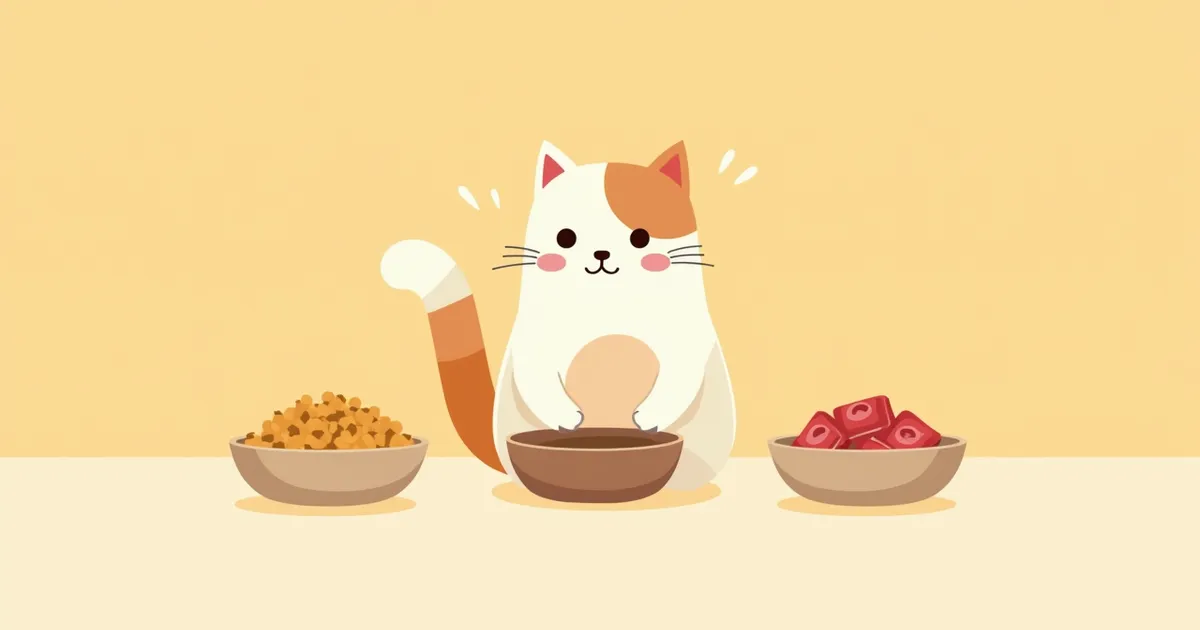
A cat contemplating whether to choose dry, wet, or raw food.
A cat’s diet significantly impacts overall health, including kidney function, urinary tract health, and weight management. It is essential to understand the characteristics and risks of dry, wet, and raw diets to provide tailored care.
Dry food: With low moisture content, dry food can place a burden on urinary tract health. If cats do not drink enough water, inadequate hydration may negatively affect their urinary system.
Wet food: Its high moisture content helps supplement a cat’s water intake, supporting kidney function and promoting urinary tract health. In certain medical conditions, wet food may be recommended.
Raw food: While it may resemble a cat’s natural diet, raw food carries risks of microbial contamination and nutritional imbalances. It poses infection risks not only to cats with weakened immune systems or kittens but also to vulnerable family members, such as young children and the elderly. Consultation with a veterinarian and the use of specialized products are strongly recommended.

The Key to Dietary Selection Is Matching the Cat’s Physiological Characteristics and Health Status
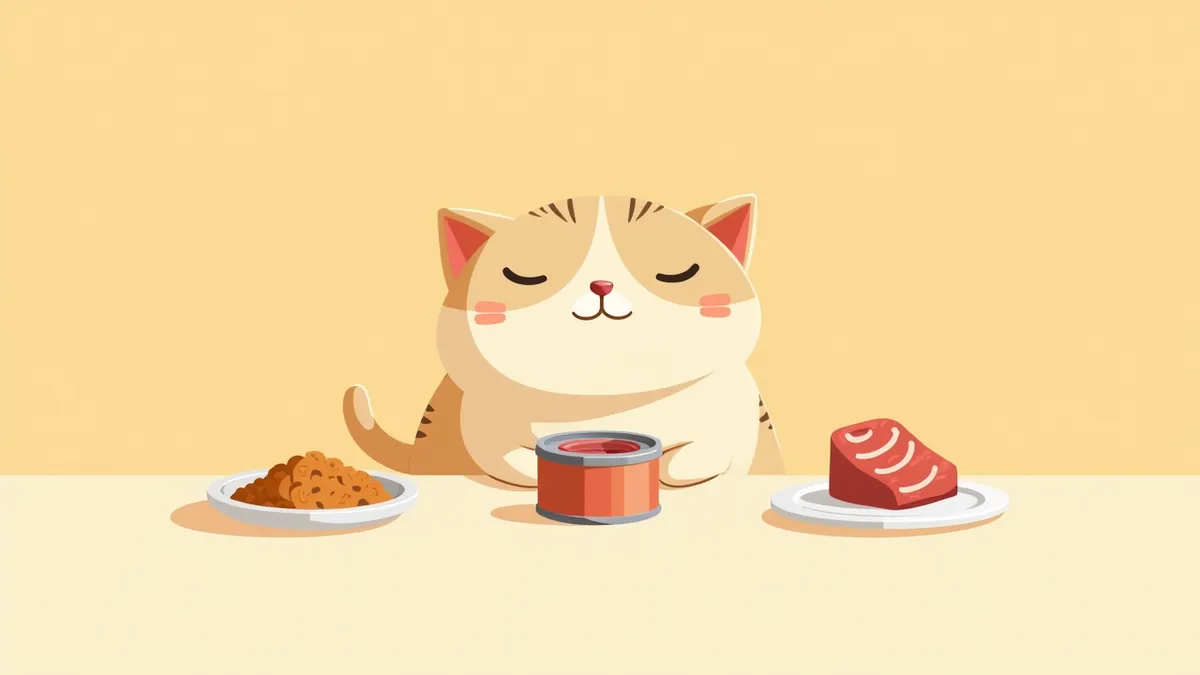
Cats are naturally inclined to drink less water, which can lead to urinary tract issues if they don’t get enough fluids. Dry food contains less than 10% moisture, so if your cat doesn’t drink enough water, their hydration levels can drop significantly. Wet food, on the other hand, has a high moisture content of about 70–80%, helping to increase your cat’s fluid intake. For cats with chronic kidney disease or urinary tract conditions, dietary adjustments tailored to their individual needs are important, and wet food may be recommended to encourage hydration. Raw food diets may align more closely with a cat’s natural eating habits, but there’s a risk of microbial contamination like Salmonella or E. coli during preparation and storage. Additionally, it can be difficult to maintain proper nutritional balance, and there’s a potential infection risk for immunocompromised cats and family members, especially young children and the elderly. It’s safest to consult your veterinarian and use professionally prepared raw food products.
A scene showing a cat drinking water alongside wet food.

Checklist of Main Symptoms Caused by Dietary Imbalance
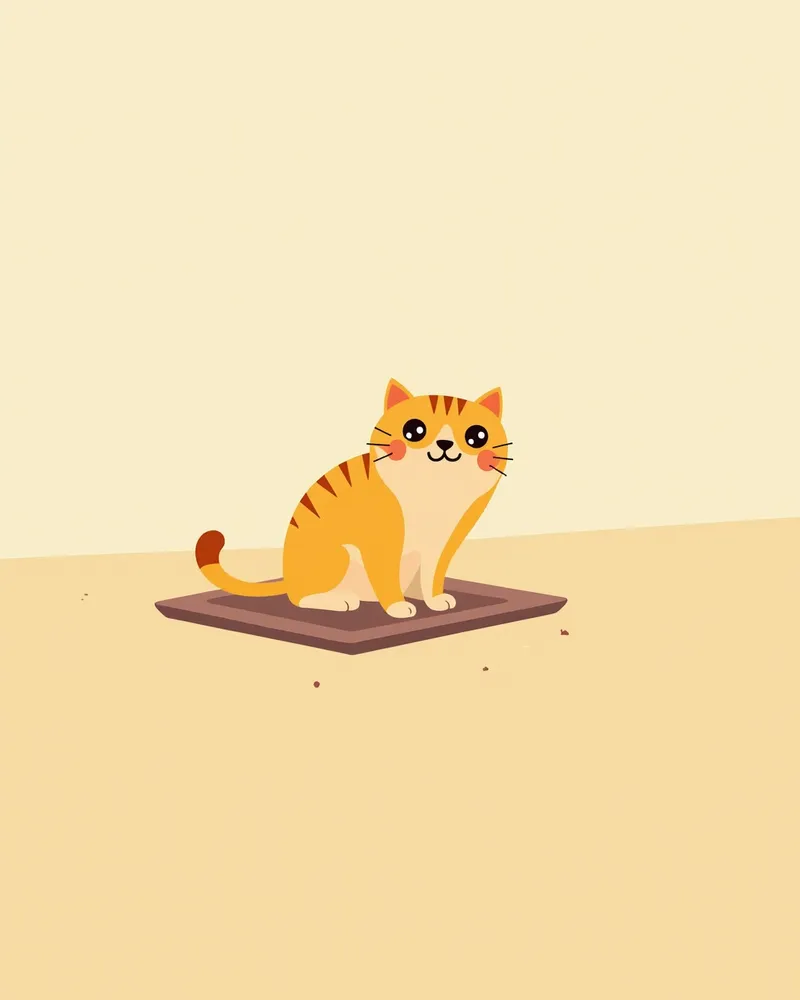
Poor dietary choices in cats can lead to a variety of health issues. Carefully check for the following signs:
Urinary tract symptoms: Frequent trips to the litter box with little urine output, or signs of distress while using the litter box
Decreased appetite: A sudden drop in food intake or refusal to eat
Weight loss: Rapid weight loss despite normal eating habits
Lethargy: Sleeping all day or showing little interest in play
Vomiting or diarrhea: Frequent vomiting after meals, or stools that are unusually soft or hard
If these symptoms persist, consult a veterinarian immediately. Urinary symptoms, in particular, require close attention as they can lead to acute urinary obstruction.
A cat in distress while using the litter box

Emergency Signs Requiring Immediate Veterinary Visit

If your cat is going to the litter box but producing no urine, or if they appear to be in pain and straining, seek veterinary care immediately. This can be a dangerous condition leading to urinary tract obstruction, which is especially common in male cats. Prompt veterinary intervention can be life-saving.

Tests and Evaluations for Accurate Diagnosis
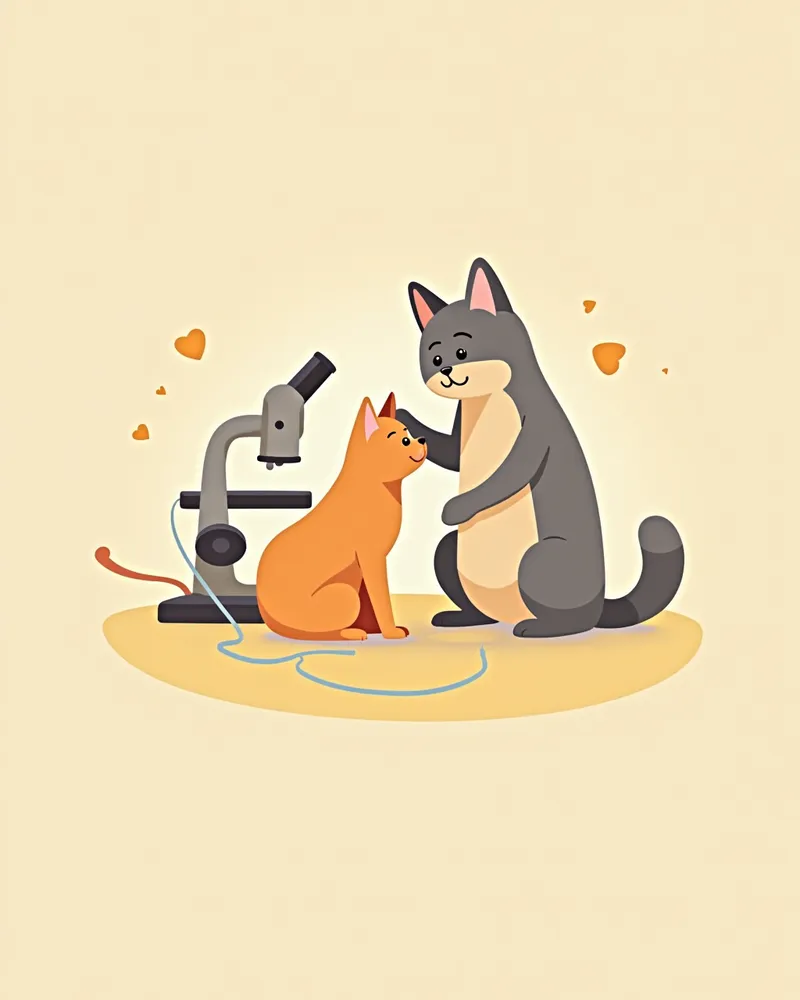
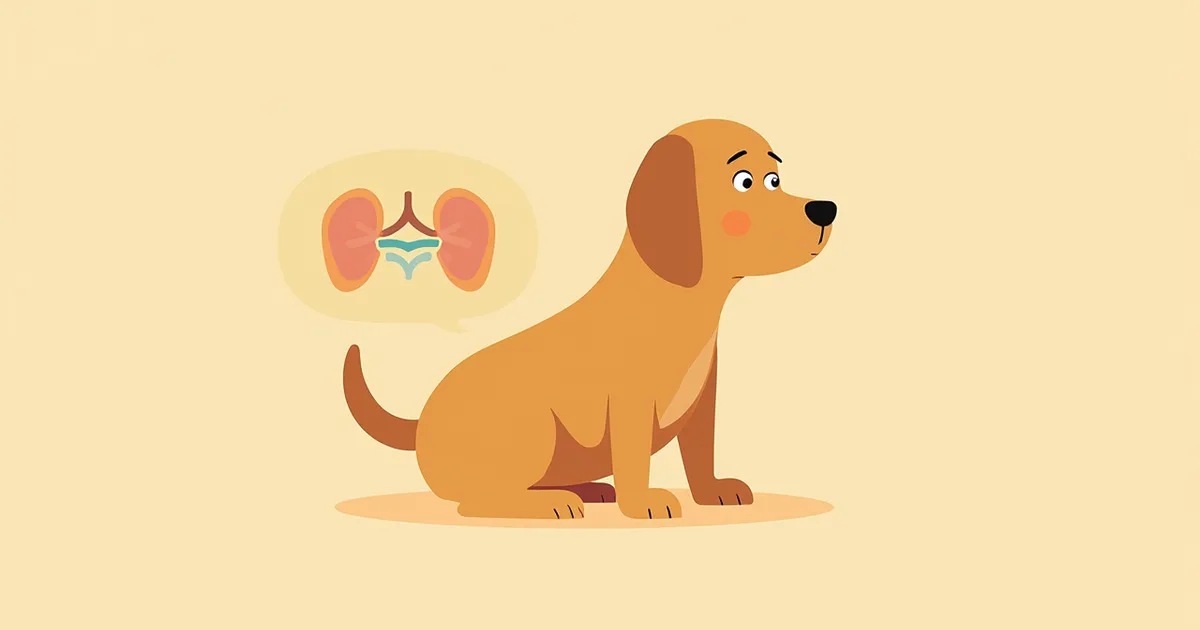
Diagnosing a cat’s dietary issues requires several tests. First, blood tests check kidney function (creatinine and BUN levels) and electrolyte balance. Urinalysis helps assess urine concentration, protein, white blood cells, and the presence of crystals. If a urinary tract obstruction is suspected, X-rays or ultrasound imaging are used to examine the ureter. These tests help accurately evaluate how a cat’s diet impacts its health. Based on the results, your veterinarian will recommend a tailored dietary plan.
A veterinarian examining a cat's urine sample

Treatment and Management Plan: Dietary Regulation Is Key
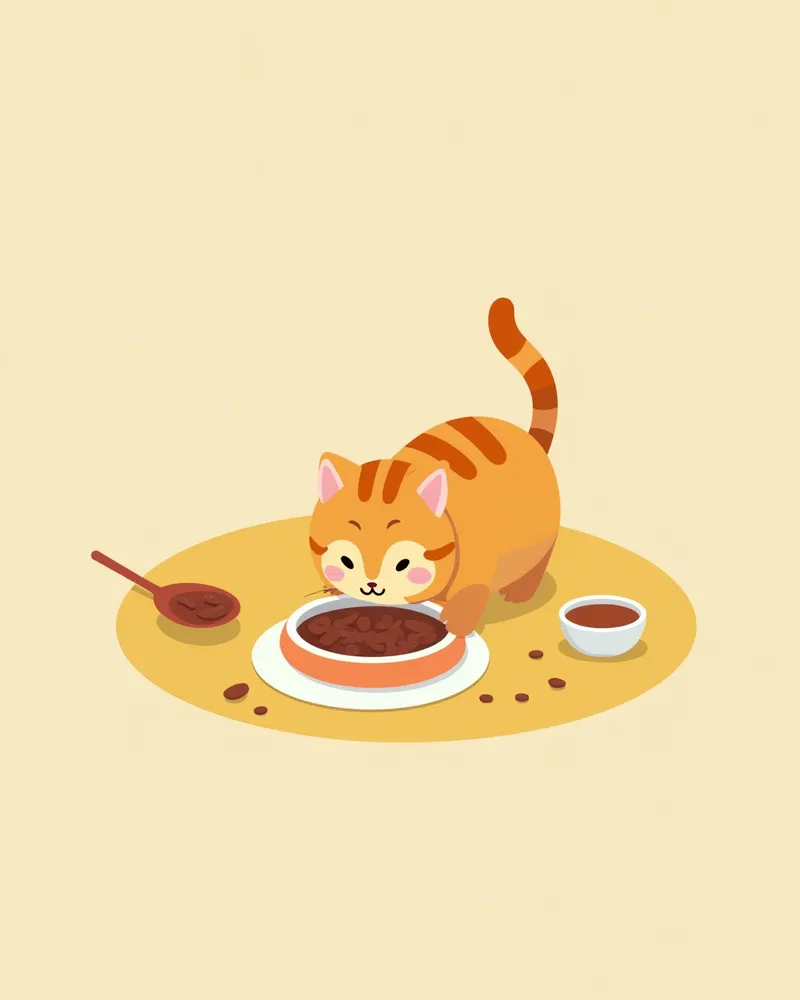
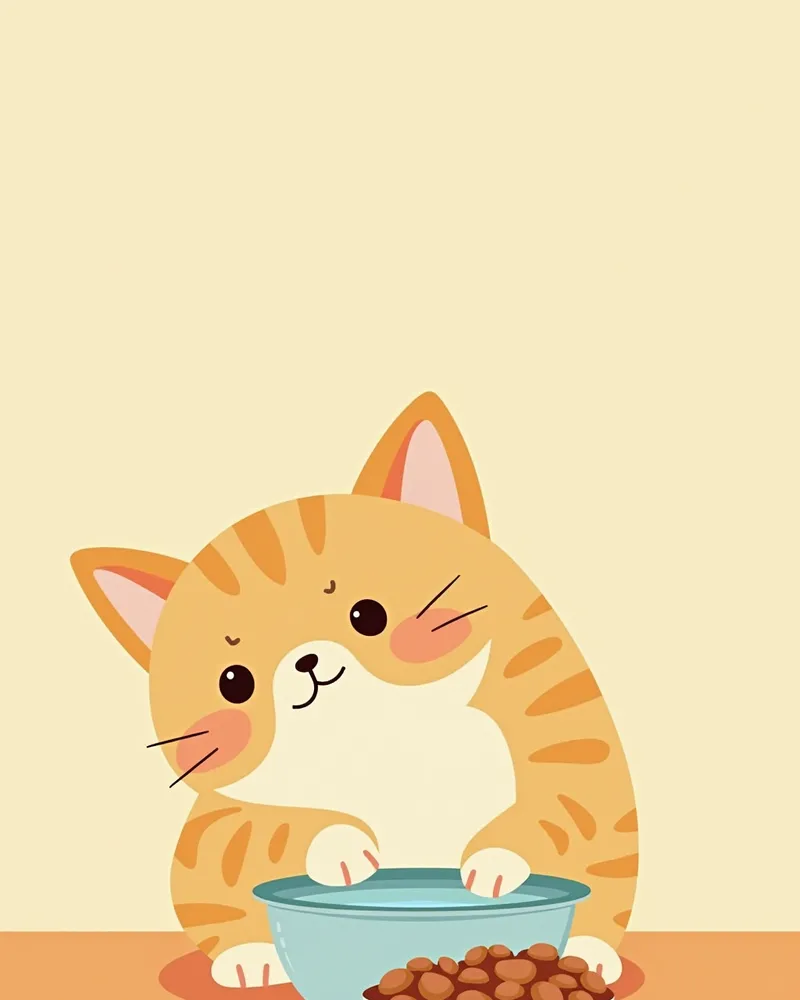
The key to treatment is selecting a diet tailored to your cat’s health status. For cats with impaired kidney function, a therapeutic diet specifically formulated for kidney disease can be helpful, as it limits phosphorus while providing adequate calories and protein. Since cats are obligate carnivores with high protein requirements, it is important to adjust the diet according to the individual cat’s condition rather than drastically reducing protein intake, and to consistently monitor weight, muscle mass, and appetite. To support urinary tract health, wet food that encourages increased water intake can be beneficial. If you choose to feed a raw diet, use professionally prepared products and ensure strict refrigeration. Additionally, consult your veterinarian to verify that the diet is nutritionally balanced. When changing your cat’s diet, it is important to transition gradually, as sudden changes can cause digestive upset.
A scene showing a cat eating wet food with water nearby.

Lifestyle Habits for Long-Term Management and Prevention
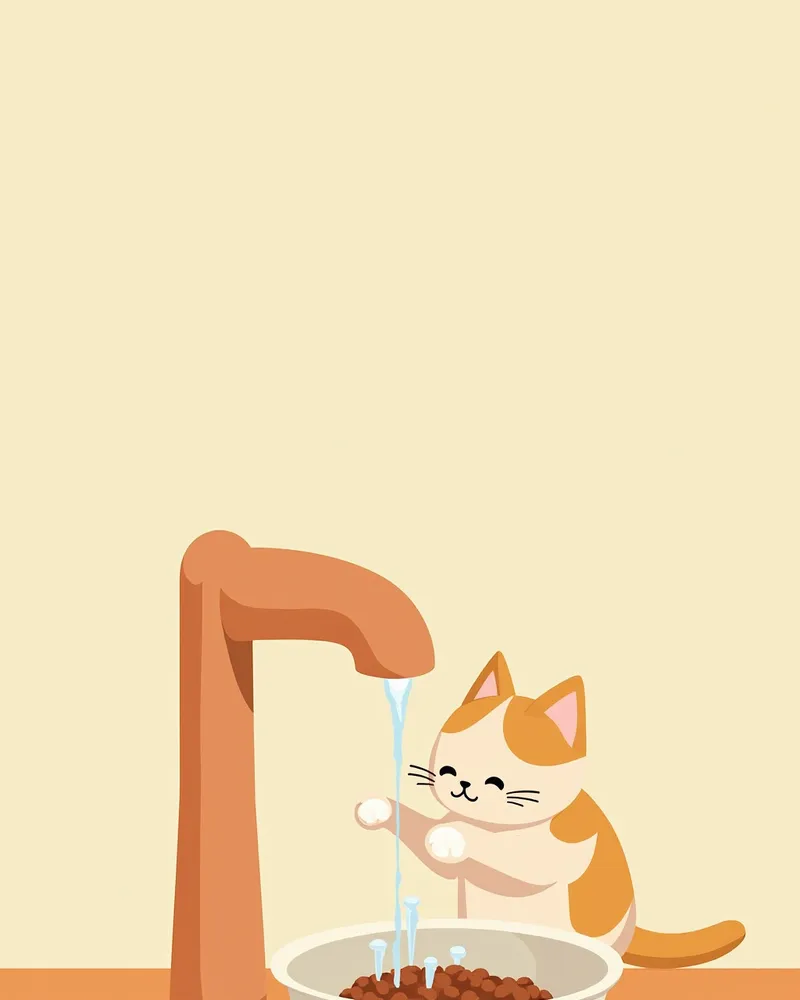
Dietary management is not a short-term issue but a foundation for lifelong health. It is important to provide your cat with various types of water. Place water bowls in multiple locations and ensure the water is always clean and fresh. If you are feeding wet food, it is safe to discard it within 24 hours of opening. Raw food should be stored in the refrigerator, and after preparation, it should be served immediately or frozen. Consistently recording your cat's weight and appetite changes can help you monitor their health status.
A cat drinking water from a fountain

Precautions and Contraindications for Using Raw Food

We do not recommend raw diets due to the risk of microbial contamination, especially for kittens, senior cats, and cats with weakened immune systems. There is also a risk of bacterial infections, such as Salmonella, for family members, particularly young children and the elderly, so caution is advised. Additionally, homemade raw diets are difficult to balance nutritionally; imbalances in minerals like calcium and phosphorus, or vitamin deficiencies, can lead to skeletal disorders such as secondary nutritional hyperparathyroidism or neurological symptoms. Do not feed a raw diet long-term without consulting your veterinarian.

Reviewed by a veterinarian

Dr. Tony — Punnawat Phongkittirak

Dr. Tony — Punnawat Phongkittirak

Veterinarian

A veterinarian who majored in veterinary medicine at Khon Kaen University, Thailand, and completed the IVSA program at North Carolina State University in the United States. Drawing on clinical experience at animal hospitals, he works in the pet healthcare field and is dedicated to building a digital care environment that connects pet parents with veterinarians.

Frequently Asked Questions

Is it better to feed my cat raw food?
Raw diets may mimic a cat’s natural eating habits, but they carry risks of microbial contamination and nutritional imbalances. Consult your veterinarian and choose professionally formulated products, and be sure to store them properly.
Is it okay to feed only wet food?
Wet food is beneficial for hydration, but it is generally recommended to appropriately mix wet and dry food, taking into account your cat's weight, dental health, and eating habits, rather than feeding only wet food long-term.
Why is dry food not good for cats?
Dry food has a low moisture content, which can make it difficult to ensure your cat gets enough water. This can put extra strain on the urinary tract, especially in cats that don’t drink enough water.
What should you keep in mind when changing your pet’s diet?
When changing your pet’s diet, it’s important to transition gradually. Over the course of about seven days, slowly mix the old and new food, gradually increasing the proportion of the new food. Sudden changes can lead to digestive upset.
My cat doesn’t drink enough water. What should I do?
Using a water fountain, placing clean water bowls in multiple locations, and frequently refreshing the water can be helpful. Offering wet food is also one way to increase water intake.

Cat Meal Selection Comparison Chart: Dry vs. Wet vs. Raw

ItemDry FoodWet FoodRaw Food
Moisture ContentUnder 10%70–80%Variable (typically 60–75%)
Urinary HealthLowHighModerate (risk factors present)
Nutritional BalanceModerateModerateLow (requires professional adjustment)
Hygiene RiskLowLowHigh (possibility of microbial contamination)
Recommended ForCats needing weight controlCats with urinary disease or cats needing increased water intakeHealthy adult cats (after consulting a veterinarian, when using professional products)

Raw food should be used only after consulting a veterinarian, using professionally prepared products, and requires thorough hygienic handling and storage. Caution is needed due to the risk of microbial contamination and nutritional imbalance.

Share

Related Guides
References

[1] Freeman LM, Chandler ML, Hamper BA et al. (2013) Current knowledge about the risks and benefits of raw meat-based diets for dogs and cats. Journal of the American Veterinary Medical Association, 242(10), 1377–1384.

[2] Morelli G, Catellani P, Miotti Scapin R et al. (2020) Evaluation of microbial contamination and effects of storage in raw meat-based dog foods purchased online. Journal of Animal Physiology and Animal Nutrition, 104(4), 690–697.

[3] BSAVA Manual of Canine and Feline Dermatology, 4th Ed. (2018) Conway DMP and Saker KE. Chapter on nutrition and skin health.

This information is based on veterinary literature and does not replace diagnosis or treatment. Please consult a veterinarian for specific health concerns.

Metapet Co., Ltd. | CEO: Park Sung-yong | Business Reg. No. 417-88-02562 | Seoul, South Korea | Customer Center

Cat Dry vs. Wet vs. Raw Food: Symptoms & Management | Meongsiljang