Like
Share
멍실장
고양이 털 관리·빗질 증상과 원인, 진단·치료와 관리 포인트 총정리

Comprehensive Guide to Cat Grooming and Brushing: Symptoms, Causes, Diagnosis, Treatment, and Management

Lifestyle & Age CareDiseasesMeongsiljang Veterinary Advisory Board

Grooming and brushing your cat are essential for maintaining its health and hygiene, but abnormal behaviors during grooming can sometimes signal an underlying medical condition. This guide provides a comprehensive overview of the causes, symptoms, diagnostic methods, and management strategies.

Grooming and Brushing Are Normal Physiological Behaviors in Cats
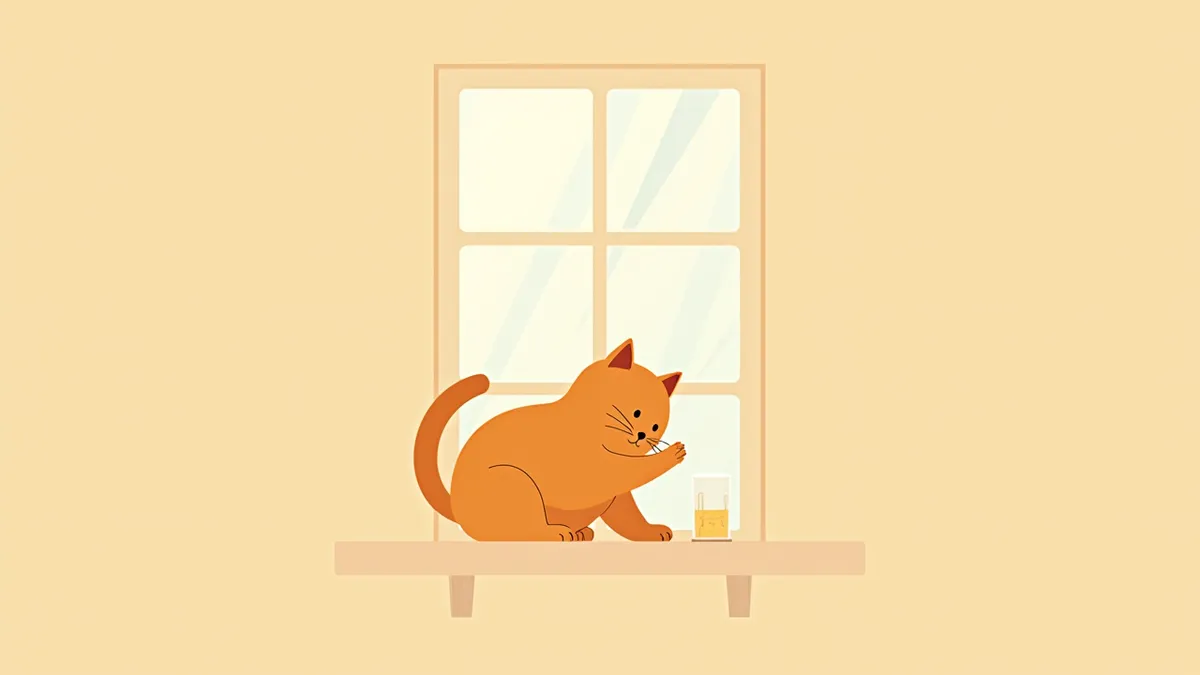
A cat sitting by the window, grooming itself.
Grooming and brushing are natural physiological behaviors for cats that help maintain skin hygiene, remove external parasites, and promote emotional well-being. A cat’s tongue has backward-facing barbs that act like a comb, while its front teeth gently pick out tangles and debris, simultaneously removing loose hair and dead skin cells. Grooming also serves as a self-soothing behavior, which may help alleviate stress. Cats can spend about an hour of their daily activity time grooming, and an inability to groom properly can cause significant stress. Therefore, older cats or those with discomfort due to oral or jaw issues may require assistance from their owners.

What Are the Criteria for Normal Grooming Behavior?

Normal grooming is a natural behavior that helps maintain skin cleanliness and coat care. Some cats may groom repetitively for short periods after experiencing conflict or heightened arousal; this can be a normal behavior within the expected range if it’s not excessive, as it serves as a “displacement behavior” to relieve discomfort. However, if the grooming becomes focused on a specific area, is performed compulsively, or is followed by signs of anxiety, hair loss, or skin irritation, it may indicate an underlying issue. In senior cats or those experiencing pain, grooming may become incomplete, leading to a dull or matted coat, so it’s important to carefully monitor their overall grooming habits.
The sight of a cat gently rubbing its paces against your face

Main Symptoms and Signs of Excessive Grooming
If your cat is over-grooming, you may notice the following signs. This behavior can be more than just a hygiene issue and may indicate an underlying health problem. Immediate attention is necessary.
Excessive Licking: Repeatedly licking a specific area can cause hair loss and expose the skin. If the fur feels short and stubby, it may be a sign of self-inflicted damage from over-licking.
Skin Damage: The licked areas may develop wounds, abrasions, inflammation, scabs, or non-healing ulcers, and may even bleed.
Behavioral Changes: Grooming may become compulsive and difficult to stop, or your cat may lick secretly when you're not around.
Appetite Changes: If pain or stress is involved, your cat's food intake may decrease or increase.
Other Signs: You may also notice matted fur, exposed skin, or frequent vocalizations.
A cat with hair loss on its back and legs, exposing the skin.

When to Visit the Veterinarian Immediately

If your cat’s skin is peeling or bleeding, if they’re grooming excessively, or if they’ve lost their appetite, consult a veterinarian right away. These signs could indicate stress-related hair loss (psychogenic alopecia), dermatitis, endocrine disorders, painful conditions such as arthritis, or even malignant tumors. When a cat’s grooming behavior goes beyond normal levels, a comprehensive veterinary evaluation is necessary.

Main Causes of Excessive Grooming
Excessive grooming in cats can result from a combination of factors. Accurately identifying the underlying cause is the first step toward effective treatment.
Stress response: Chronic stress triggered by environmental changes, conflicts with other animals, or noise can lead to excessive grooming. You may also notice brief, repetitive grooming episodes following conflicts or arousing situations.
Skin conditions: Itching caused by parasites, allergies, or fungal infections can trigger grooming behavior.
Pain-induced behavior: Conditions such as arthritis or degenerative joint disease (DJD) may cause a cat to repeatedly lick specific areas. In senior cats, grooming is often a response to pain in the spine or joints.
Behavioral disorders: Psychological anxiety or compulsive behaviors can lead to abnormally repetitive grooming, which may represent an excessive form of "emotional self-soothing."
Age-related changes: Older cats may groom less efficiently, leading to matted fur or exposed skin.
In older cats, the fur may become matted and lose its luster.

Diagnostic Methods and Treatment Approaches
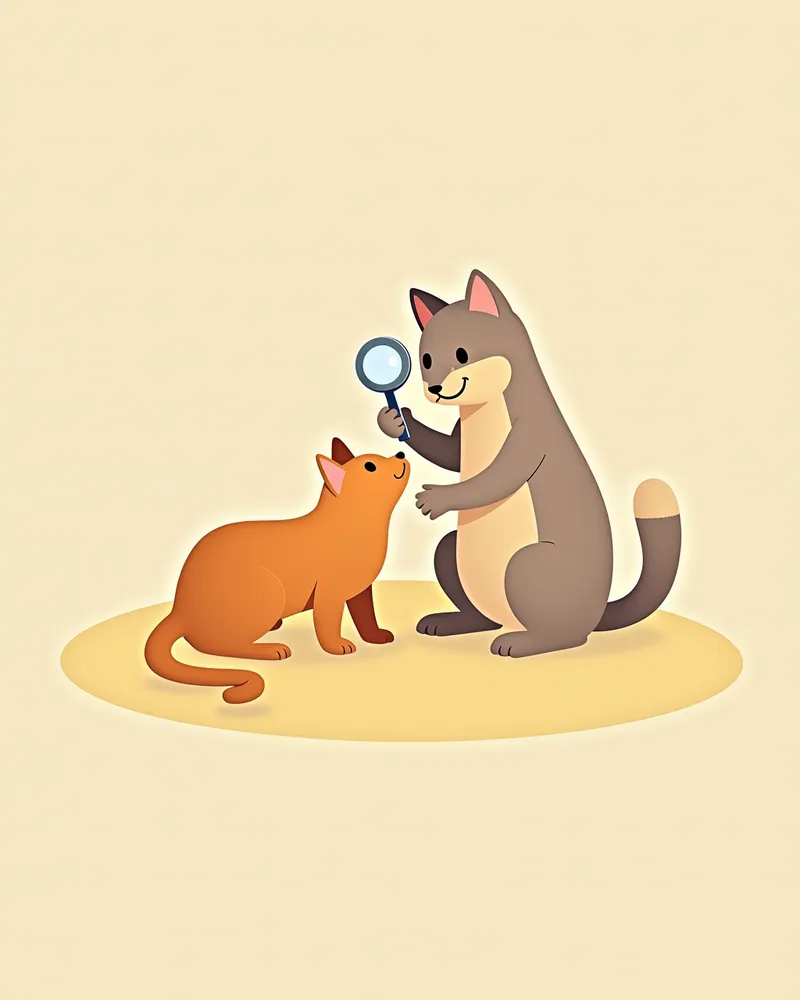
Excessive grooming in cats requires an accurate diagnosis. A veterinarian will comprehensively evaluate the symptoms and behavior, and perform any necessary tests.
Skin examination: The fur and skin are directly observed to check for parasites or inflammation. If worn or broken hair tips are found, it may indicate self-inflicted damage from licking.
Blood tests: These are conducted to identify endocrine disorders or allergic reactions. In older cats, metabolic diseases should be closely monitored.
Skin biopsy: If severe inflammation or abnormal cells are suspected, a small tissue sample is taken for analysis.
Behavioral assessment: Psychogenic alopecia is diagnosed only after ruling out all other causes, so keeping a behavior diary and consulting with a vet to identify environmental stressors is essential. In particular, if grooming is asymmetrical or focused on specific areas, it may be related to pain or anxiety.
Treatment approach: Depending on the cause, treatment may include medication, environmental adjustments, behavioral modification, and nutritional supplementation. For compulsive behaviors, behavioral modification therapy is essential.
A veterinarian using a magnifying glass to examine a cat's skin.

Home Management and Care Methods

Environmental Stability: Create a quiet, comfortable space where your cat can relax. Sudden noises or changes can cause stress, so be cautious when introducing new scents or objects.
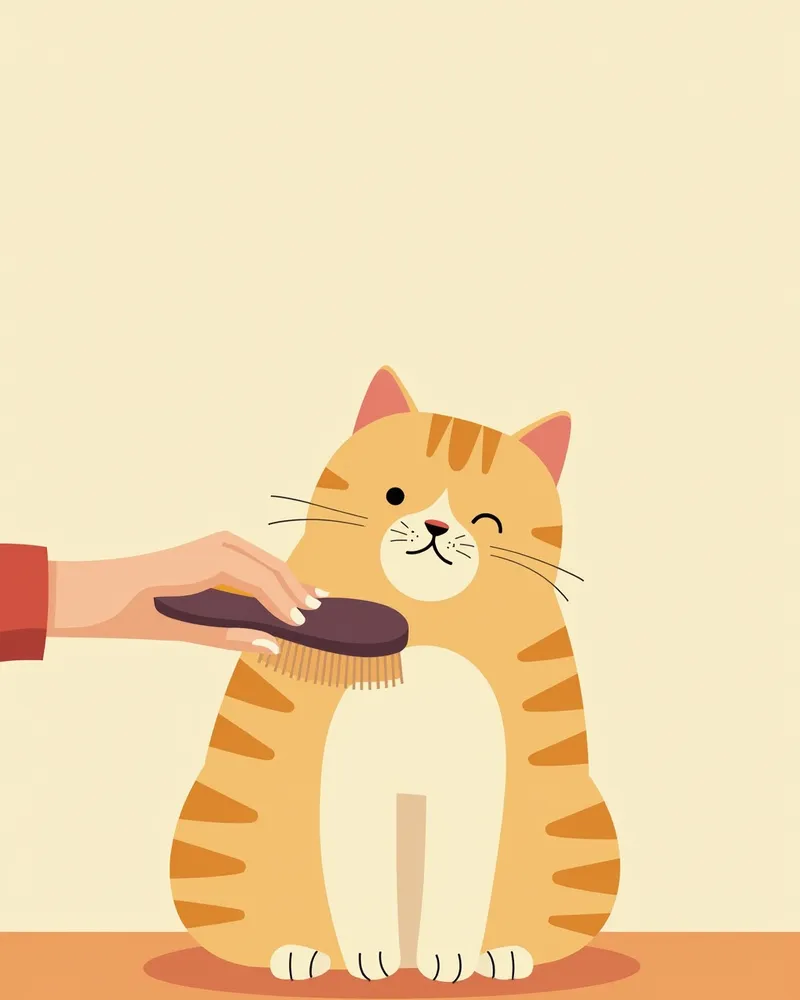
Regular Grooming: If your cat has difficulty grooming itself or has matted fur, gently brush it with a soft comb at appropriate intervals and for suitable durations. Lightly mist matted fur with water to help loosen it, which is important for preventing skin damage.
Nutritional Care: Support skin and coat health with a balanced diet. Nutritional imbalances can negatively affect the condition of your cat’s fur and skin.
Play-Based Brushing Introduction: Place grooming tools in areas your cat enjoys and help them become familiar with brushing through play. Start with short sessions and offer rewards to create a positive experience.
Regular Veterinary Check-ups: Schedule routine check-ups with your veterinarian to monitor your cat’s health. Annual exams are recommended for cats aged seven and older, while those ten and older should be checked every six months. Early detection aids recovery. For senior cats, closely monitor changes in weight, mobility, and posture.
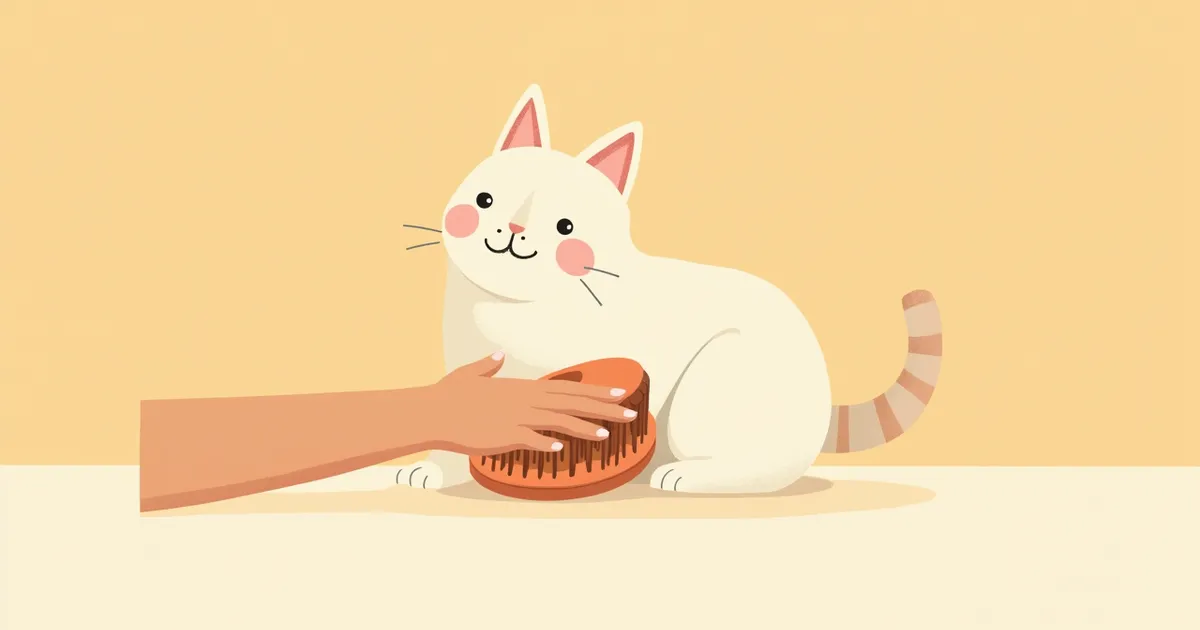
A person gently brushing a cat's fur with a soft brush.

Precautions for Grooming in Senior Cats

As cats age, their joints weaken and their grooming efficiency declines, making it difficult for them to maintain their coat properly. This often leads to matting, exposed skin, and increased dandruff, which can raise the risk of dermatitis or infections. It is recommended to gently brush them two to three times a week. If mats form, lightly mist the area with water to help loosen them. If your cat shows any signs of discomfort during brushing, stop immediately and consult your veterinarian. Since older cats may no longer be able to groom themselves effectively, they will need your help.

Reviewed by a veterinarian

Dr. Tony — Punnawat Phongkittirak

Dr. Tony — Punnawat Phongkittirak

Veterinarian

A veterinarian who majored in veterinary medicine at Khon Kaen University, Thailand, and completed the IVSA program at North Carolina State University in the United States. Drawing on clinical experience at animal hospitals, he works in the pet healthcare field and is dedicated to building a digital care environment that connects pet parents with veterinarians.

Frequently Asked Questions

Is it okay to brush my cat more than five times a day?
Healthy cats naturally spend a significant portion of their day grooming, so it’s difficult to determine whether their behavior is normal based solely on frequency. However, if you notice signs of excessive grooming—such as obsessive, repetitive licking of a specific area that leads to hair loss or raw skin—it may indicate underlying stress, pain, or a skin condition. It’s important to closely monitor any changes in your cat’s behavior and consult your veterinarian if you observe these signs.
What kind of grooming tool should I choose?
For long-haired cats, we recommend a slicker brush that effectively detangles, while short-haired cats do well with a massaging brush. Choose products with soft bristle tips and clearly defined teeth. It’s also important to adjust your brushing technique based on your cat’s coat condition and their individual response.
What should I do if my cat refuses to be brushed?
Avoid forcing the issue; instead, make brushing feel like a game. Start with short sessions and pair them with rewards. Gradually build a consistent routine based on your cat’s mood and comfort level.
Why is grooming your cat’s coat so important?
Regular grooming helps maintain skin health, prevent parasites, and reduce stress. Matted or excessive shedding can be a sign of underlying health issues, especially in senior cats, where coat condition often reflects overall well-being.
How often should you brush an older cat?
Senior cats often experience weakened joints and reduced grooming efficiency, making it difficult for them to maintain their coat on their own. Gently brush them two to three times a week, and if tangles form, lightly mist the area with water to help loosen them. Adjust the frequency and technique based on your cat’s response.

Share

Related Guides

References

[1] Richards, S. (2024). A Professional’s Guide to Feline Behaviour: Understanding, Improving and Resolving Problems.

[2] The Cat, Clinical Medicine and Management, 2nd Edition. (2023). Elsevier Health Sciences.

[3] 100 Top Consultations in Small Animal General Practice. (2022). Wiley-Blackwell.

This information is based on veterinary literature and does not replace diagnosis or treatment. Please consult a veterinarian for specific health concerns.

Metapet Co., Ltd. | CEO: Park Sung-yong | Business Reg. No. 417-88-02562 | Seoul, South Korea | Customer Center

Cat Grooming & Brushing: Causes, Symptoms & Management | Meongsiljang