Like
Share
멍실장
강아지 두꺼비독중독 증상과 응급 대처법, 위험 섭취량과 예방까지 총정리

If Your Dog Bites a Toad — From Poisoning Warning Signs to First Aid and Prevention

Emergency/ToxicityDiseasesMeongsiljang Veterinary Advisory Board

If your dog bites or licks a toad, it can be exposed to bufotoxin, which may cause dangerous symptoms such as drooling, seizures, and cardiac arrhythmias within minutes. Prompt oral rinsing and a visit to the vet are essential.

What Is Toad Poisoning in Dogs?

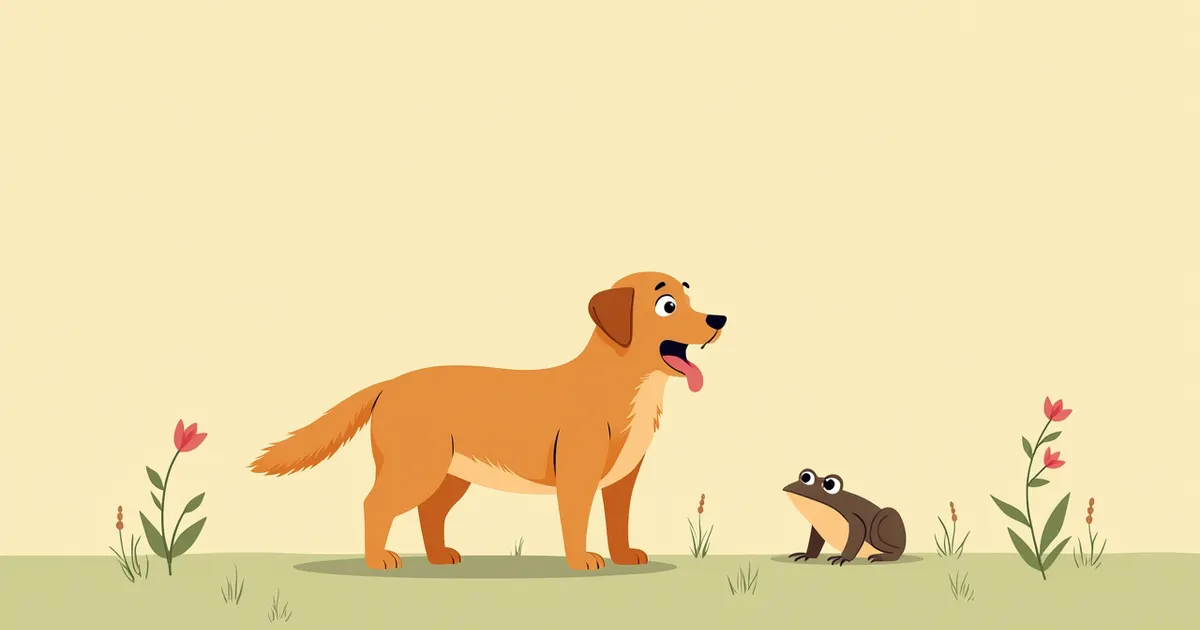
Toad Poisoning in Dogs — A Dog with Its Mouth Open and Drooling, Alongside a Toad
Toad poisoning in dogs occurs when a dog bites or licks a toad, absorbing the toxic substance (bufotoxin) secreted from the toad’s skin glands (parotoid glands) through its oral mucosa. Speed is critical. The toxin is rapidly absorbed even without ingestion, leading to symptoms such as excessive drooling and vomiting within minutes. If left untreated, it can worsen into seizures and cardiac arrhythmias. If you suspect your dog has licked a toad, immediately rinse its mouth with water and contact your veterinarian.

Why Toad Venom Is Dangerous — Toxic Components and Hazardous Exposure Levels

The primary toxic component in toad venom is bufotoxin. Toad venom contains a complex mixture of digitalis-like cardiac glycosides, such as bufadienolides (bufagenin) and bufotoxins, which inhibit the Na/K-ATPase pump in myocardial cells, as well as potent mucosal irritants. When a dog bites a toad, the toxin is rapidly absorbed into the bloodstream through the oral mucosa. Because this mucosal absorption bypasses hepatic first-pass metabolism, the toxin acts more quickly. There is no established safe exposure level, so all exposures should be treated as toxic and managed accordingly. The severity of toxicity depends on the size of the toad and the dog, as well as the amount of secretions involved. The venom from the parotoid glands of a single average-sized cane toad is potent enough to cause fatal toxicity in a 10–15 kg dog. Therefore, small-breed dogs are at greater risk from the same amount of exposure.

Checklist of Main Symptoms of Toad Poisoning in Dogs
If your pet licks or bites a toad and develops any of the following symptoms within minutes to tens of minutes, suspect toad toxin poisoning.
Excessive drooling: The toxin irritates the oral mucosa, causing a sudden increase in saliva production.
Vomiting: Gastrointestinal irritation leads to repeated vomiting.
Scratching at the mouth with front paws: Pain and irritation in the mouth cause the pet to scratch around its mouth with its paws.
Staggering and loss of direction: Neurotoxins affect the nervous system, resulting in unsteady gait.
Seizures: These occur when the toxin affects the central nervous system.
Gingival hyperemia (brick-red color) and cyanosis: Toxin-induced irritation of the mucous membranes causes the gums to become brick-red; if accompanied by difficulty breathing, cyanosis may develop, turning the gums blue.
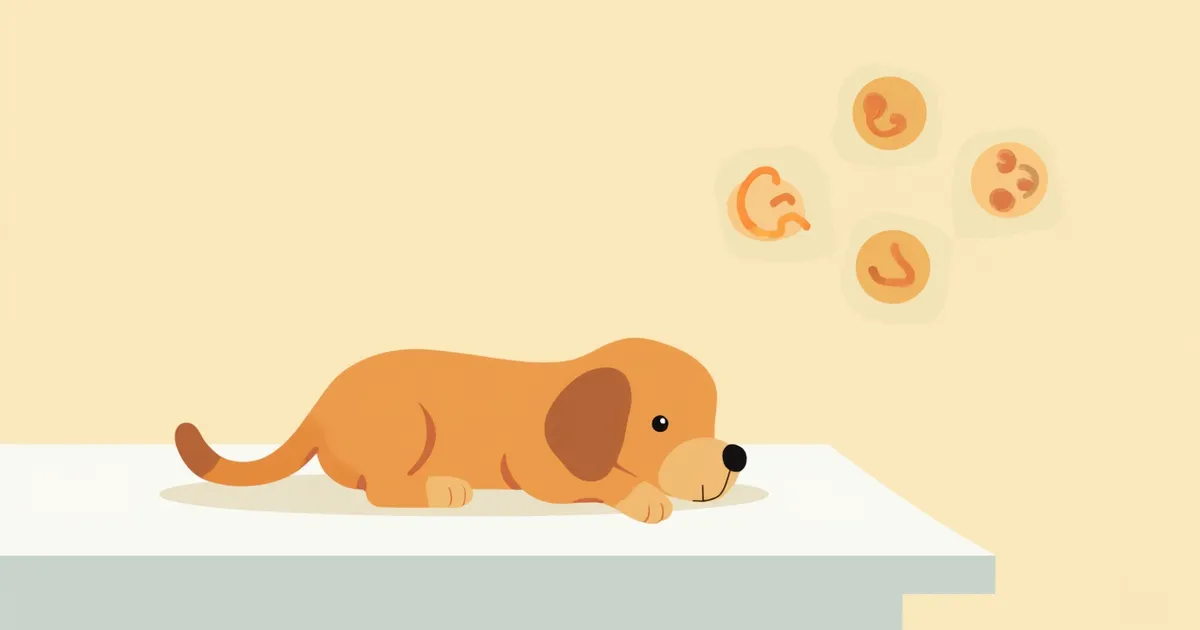
Symptoms of toad venom poisoning in dogs: drooling and pawing at the mouth

If You See These Symptoms, Go to a 24-Hour Veterinary Hospital Immediately

If seizures last longer than one minute or do not stop, if the gums appear brick-red or bluish (cyanotic), if your dog is unconscious or unresponsive to calls, if the heart rate is irregular and breathing is labored, or if your dog is repeatedly vomiting and unable to stand, seek immediate care at a 24-hour emergency veterinary clinic. Call ahead to describe the symptoms, and wrap your dog in a blanket to maintain body temperature during transport.

Diagnostic Methods at the Veterinary Hospital

Toxicity from toad venom is diagnosed based on clinical signs and exposure history, as there is no specific diagnostic test for it. Witnessed information such as "biting or licking a toad" is the most important clue. Veterinarians often recommend an electrocardiogram (ECG) to assess heart condition and continuously monitor if symptoms are present. Blood tests are used to check for electrolyte imbalances, including sodium, and may be repeated frequently every 2-4 hours during hospitalization. When visiting the clinic, please accurately explain where and what animal was contacted, as well as the timing of exposure.

Treatment Steps at the Veterinary Hospital
According to clinical toxicology textbooks, there is no specific antidote for toad venom poisoning, so oral decontamination and symptomatic, supportive care are the mainstays of treatment.
Oral decontamination: The first step is to thoroughly rinse the oral mucosa with copious amounts of water for about 10–15 minutes as soon as the patient arrives. Keep the nose pointed downward to prevent water from being swallowed.
Fluid therapy: Intravenous fluids are administered at approximately 1.5 times the maintenance rate to correct dehydration, maintain blood pressure, and promote toxin elimination.
Cardiac monitoring: Continuous electrocardiogram (ECG) monitoring is used to detect arrhythmias, with antiarrhythmic therapy initiated if they occur.
Intravenous lipid emulsion (ILE): A 20% lipid emulsion may be used to reduce the toxicity of bufadienolides, which are highly lipophilic.
Temperature and neurological monitoring: Body temperature and neurological status are closely monitored throughout recovery. If hyperthermia is present, the patient is cooled gently and carefully to avoid overcooling.
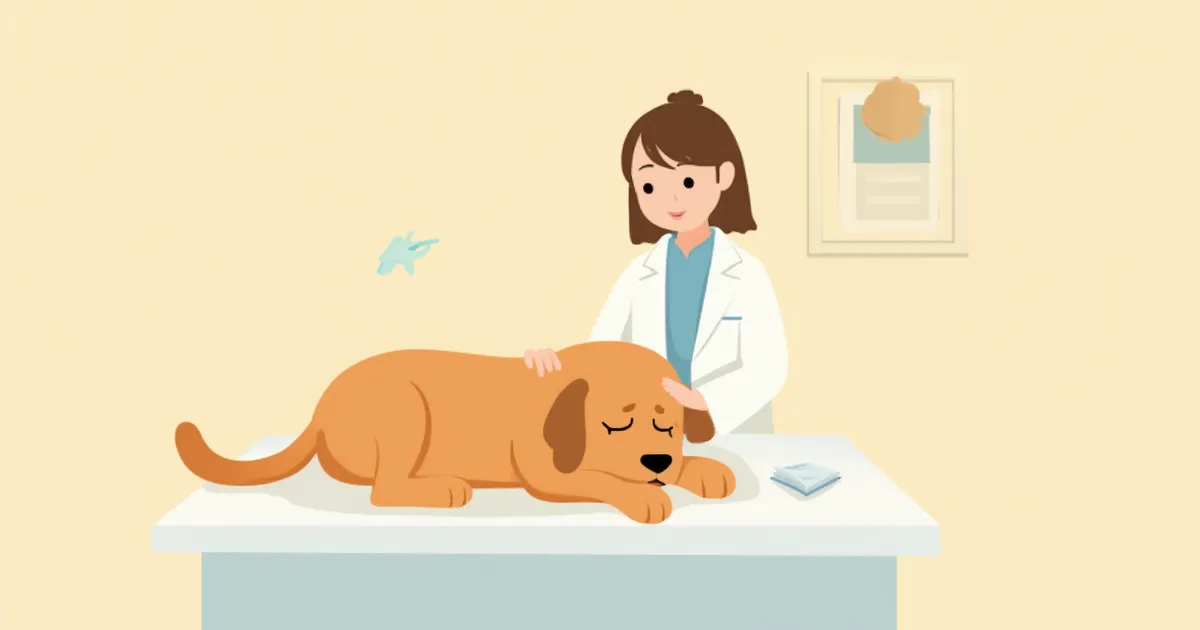
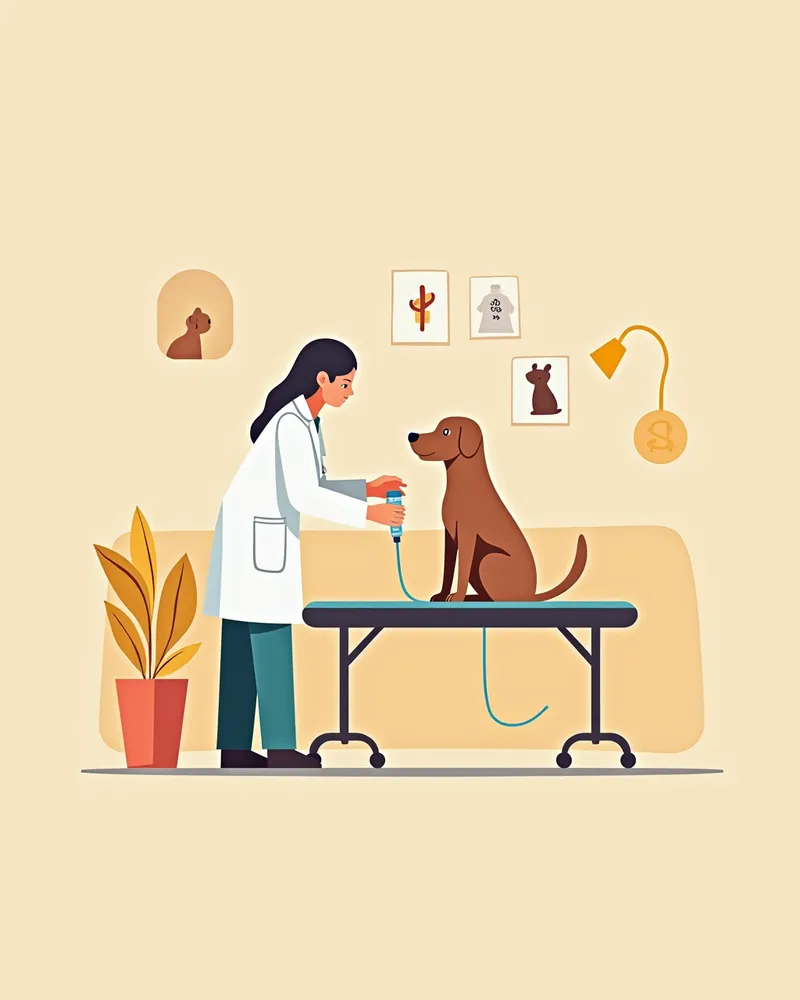
A puppy receiving intravenous fluid therapy at the animal hospital

First Aid You Can Do at Home — Before Going to the Vet
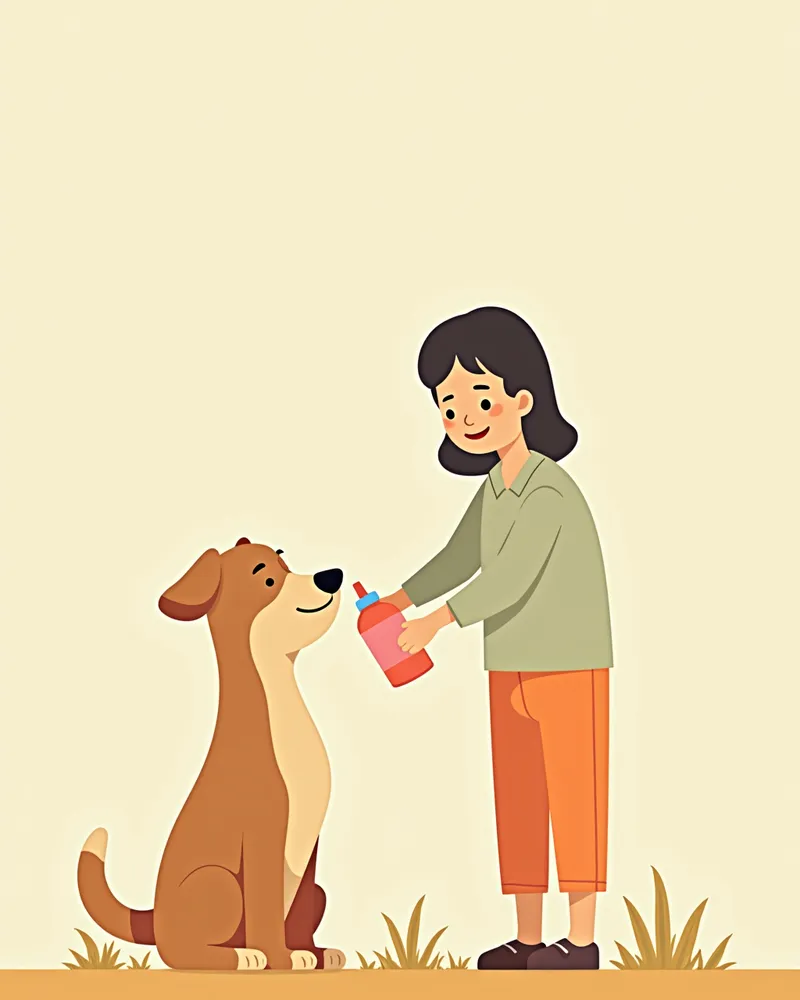
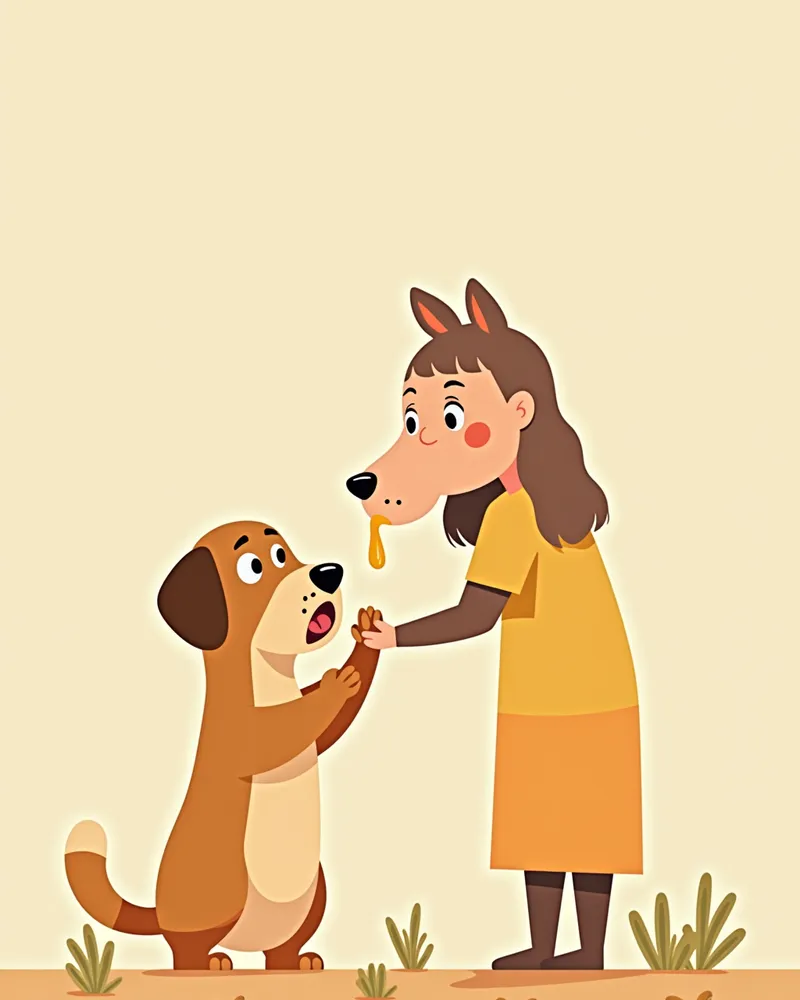
Before heading to the vet, the most important first aid step you can take at home is to rinse your pet’s mouth. Gently wipe the inside of the mouth with a towel or damp gauze, or carefully pour water from a plastic bottle into the mouth to flush it out. This helps reduce absorption through the oral mucosa. Avoid squirting water forcefully, as this poses a risk of aspiration; instead, let the water flow in slowly. Do not induce vomiting or give milk or oil. Even if your pet appears asymptomatic, if you’ve confirmed they licked a toad, it’s essential to consult a veterinarian.
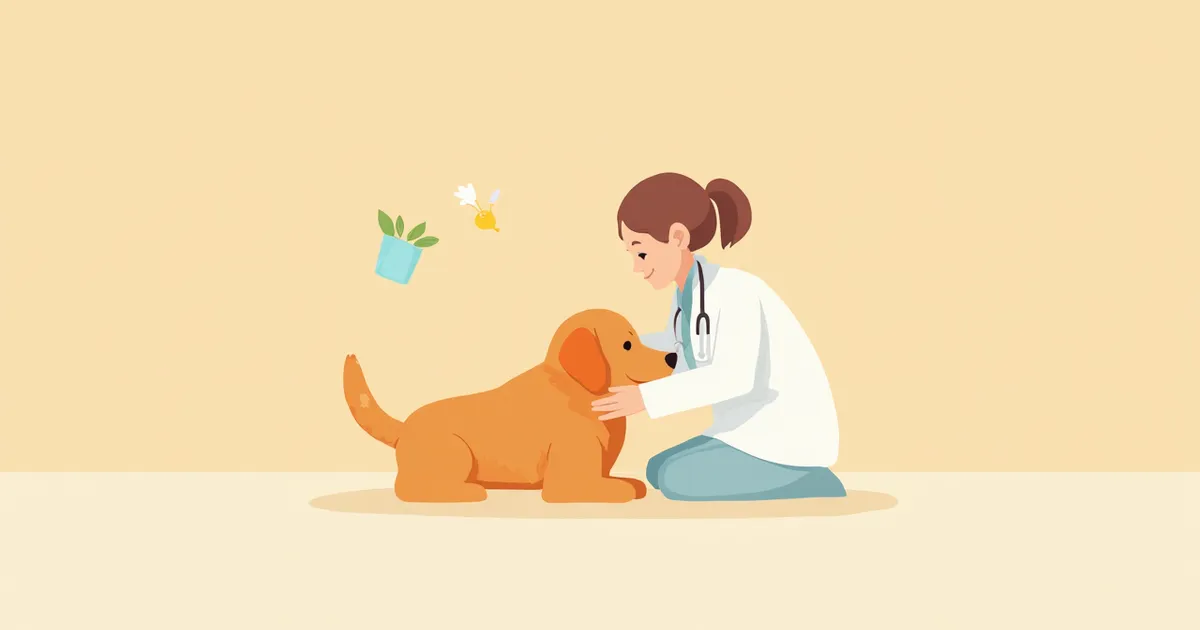
Emergency first aid for toad toxin poisoning in dogs — gently rinse the mouth

Preventing Toad Poisoning — Essential Rules for Walks

Toads are most active from spring through fall, especially at night right after rain, in lawns, parks, rice paddies, and along streams. Keep your dog on a short leash during walks, and train the “leave it” command in advance to prevent accidents. Curious breeds like Retrievers and Hounds require extra caution. Make it a habit to shine a light on the ground ahead when walking at night.

Reviewed by a veterinarian

Dr. Tony — Punnawat Phongkittirak

Dr. Tony — Punnawat Phongkittirak

Veterinarian

A veterinarian who majored in veterinary medicine at Khon Kaen University, Thailand, and completed the IVSA program at North Carolina State University in the United States. Drawing on clinical experience at animal hospitals, he works in the pet healthcare field and is dedicated to building a digital care environment that connects pet parents with veterinarians.

Frequently Asked Questions

Can licking a toad cause poisoning?
Yes, that’s correct. Even if the substance isn’t swallowed, toxins can be absorbed through contact with the oral mucosa. If you notice your pet has licked it, immediately rinse their mouth with water and contact your veterinarian.
How much licking is considered dangerous?
There is no such thing as a “safe” amount of exposure. Any contact with toad secretions should be treated as potentially toxic, and the severity of toxicity can vary significantly depending on the size of the toad and the dog, as well as the amount of secretion ingested. If your dog has licked even a small amount, we strongly recommend consulting your veterinarian.
If there are no symptoms, is it okay?
It’s too early to let your guard down. While symptoms typically appear within 30 to 60 minutes, they may seem mild at first and then suddenly worsen, or persist for 12 to 24 hours. Therefore, if exposure is confirmed, it’s safest to have your pet examined at a veterinary clinic—even after rinsing their mouth at home—and we recommend monitoring them closely until all symptoms resolve.
Is it dangerous if my pet licks a frog?
It’s difficult to give a definitive answer. The veterinary textbook references provided do not allow us to confirm the safety of species such as the Korean brown frog or the green frog. Since it is often hard to accurately identify the specific species, if you’re unsure what your pet licked, it’s safest to rinse its mouth and consult with a veterinarian, treating it with the same caution as if it had been a toad.
Will my pet make a full recovery after treatment?
Most pets make a full recovery if treated promptly. However, severe cases involving seizures or cardiac arrhythmias may require intensive care. Immediate treatment right after exposure is crucial for a positive prognosis.

Share

Related Guides

References

[1] Plumb DC. Plumb's Veterinary Drug Handbook, 10th Ed. Wiley-Blackwell, 2023.

[2] Osweiler GD, Hovda LR, Brutlag AG, Lee JA (Eds.). Blackwell's Five-Minute Veterinary Consult Clinical Companion: Small Animal Toxicology, 3rd Ed. Wiley-Blackwell, 2016.

[3] Schaer M (Ed.). Clinical Medicine of the Dog and Cat, 4th Ed. CRC Press, 2022.

This information is based on veterinary literature and does not replace diagnosis or treatment. Please consult a veterinarian for specific health concerns.

Metapet Co., Ltd. | CEO: Park Sung-yong | Business Reg. No. 417-88-02562 | Seoul, South Korea | Customer Center

Dog Bit a Toad? Poisoning Warning Signs, First Aid & Prevention | Meongsiljang