
Dog Bladder Ultrasound: Symptoms, Causes, Diagnosis, Treatment, and Management Essentials
Ultrasound examination of a dog’s bladder is a non-invasive diagnostic method that precisely evaluates the structure and function of the bladder. It is a key test recommended by veterinarians when abnormal signs are present.
A dog bladder ultrasound is a key diagnostic method for evaluating bladder structure and function.
What are the main reasons a bladder ultrasound is needed?
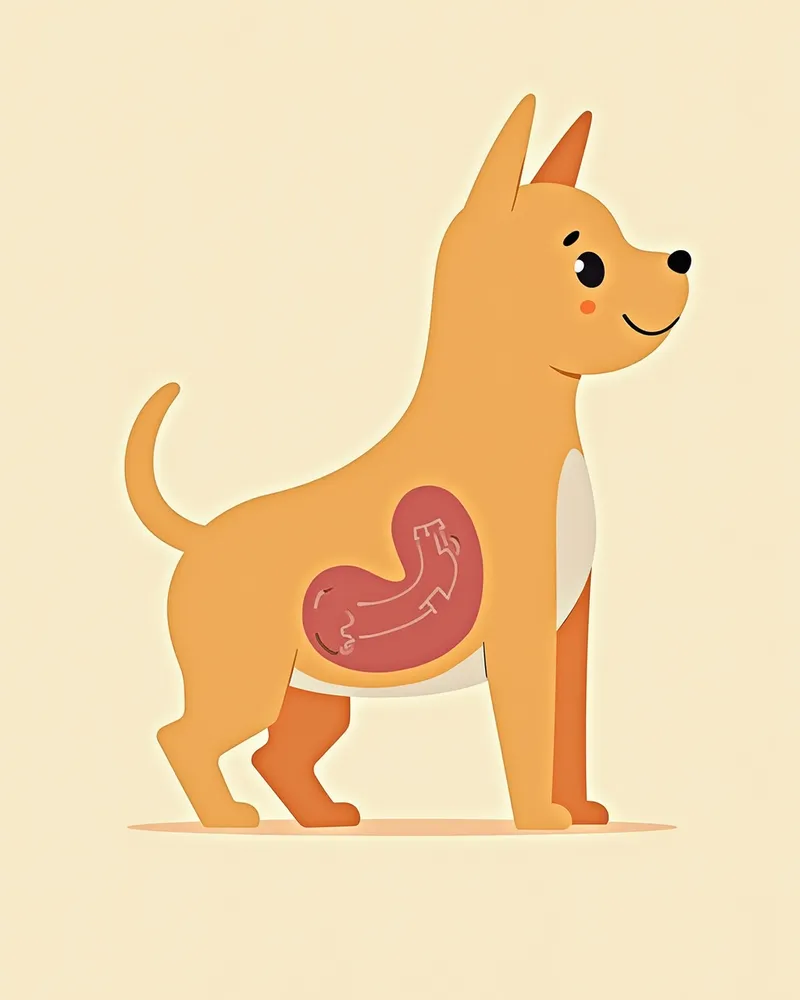
Key signs identifiable during a bladder ultrasound
Emergency signs requiring immediate veterinary attention
If your dog is unable to urinate at all, cries out in pain while trying to urinate, or has severe blood in the urine, immediate veterinary attention is necessary. This could indicate a dangerous condition such as bladder obstruction or severe inflammation. A veterinarian needs to take urgent action, as delays can lead to bladder rupture or kidney damage.
Diagnostic process and criteria for bladder ultrasound
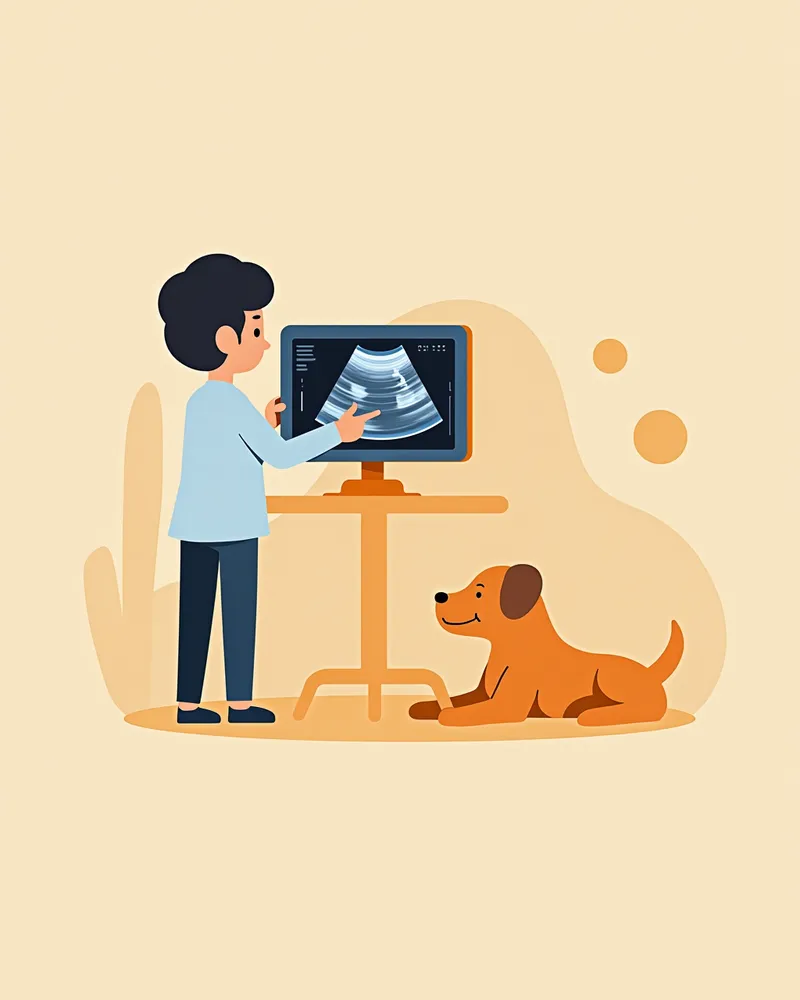
Treatment methods and step-by-step approach based on bladder ultrasound results
Home care and daily management tips
Certain breeds are more susceptible to bladder diseases
Certain breeds may be more susceptible to bladder diseases. Bladder stones and inflammation can result from a combination of genetic predisposition and dietary factors. In particular, small- to medium-sized breeds or those at higher risk for specific neurological conditions may benefit from regular health check-ups. According to veterinary textbooks, the risk of disease varies depending on each animal’s physiological characteristics and environmental factors. While preventive care tailored to breed-specific traits is worth considering, it is not accurate to definitively claim that a particular breed has a higher incidence rate.
Reviewed by a veterinarian

Dr. Tony — Punnawat Phongkittirak
VeterinarianA veterinarian who majored in veterinary medicine at Khon Kaen University, Thailand, and completed the IVSA program at North Carolina State University in the United States. Drawing on clinical experience at animal hospitals, he works in the pet healthcare field and is dedicated to building a digital care environment that connects pet parents with veterinarians.
Reviewed 2026-06-29
Frequently Asked Questions
Does a bladder ultrasound cause pain?
Should I have my pet relieve itself before the test?
Even if the bladder ultrasound results are normal, is it necessary to have another test?
If stones are found, is surgery necessary?
Are there any special precautions to take after a bladder ultrasound?
Share
Related Guides

Top 5 Prescription Diets for Feline FLUTD — Comparison by Struvite and Calcium Oxalate Stones

Top 7 Prescription Diets for Feline Bladder and Urinary Tract Health Recommended by Veterinarians — Including Selection Criteria

Top 5 Cranberry Urinary Supplements for Dogs — Preventing Cystitis

Surgical Correction for Brachycephalic Dogs: Symptoms, Causes, Diagnosis, Treatment, and Care Essentials

Feline Viral Upper Respiratory Infection: Symptoms, Causes, Diagnosis, Treatment, and Management Essentials
Feline Pulmonary Thromboembolism: Symptoms, Causes, Diagnosis, Treatment, and Management Essentials

Feline Bordetella Respiratory Infection: Symptoms, Causes, Diagnosis, Treatment, and Management Essentials

Complete Guide to Managing Dogs During Winter Cold Snaps: Hypothermia Prevention, Symptoms, Causes, Diagnosis, Treatment, and Care Points
Comprehensive Guide to Dog Routine Blood Test Items, Symptoms, Causes, Diagnosis, Treatment, and Management
Dog Rabies Vaccination: Symptoms, Causes, Diagnosis, Treatment, and Management Essentials
References
[1] Textbook of Cardiovascular Medicine in Dogs and Cats, 2020, Chapter 11: Echocardiography and Cardiac Imaging
[2] Small Animal Critical Care Medicine, 3rd Ed, 2019, Section 43.1: Indications for Echocardiography
[3] Clinical Medicine of the Dog and Cat, 4th Ed, 2021, Chapter 23: Fluid Therapy and Ultrasound Applications