Like
Share
멍실장
고양이 신장 식이 처방 사료 증상과 원인, 진단·치료와 관리 포인트 총정리

Feline Renal Prescription Diets: Complete Guide to Selection Criteria, Ingredients, and Feeding Points

KidneyDiseasesMeongsiljang Veterinary Advisory Board

Prescription renal diets for cats play a crucial role in managing chronic kidney disease. Proper nutritional management helps slow disease progression and improves quality of life.

What Are Feline Renal Prescription Diets?

Cat kidney prescription diet food packaging box
Feline renal prescription diets are specially formulated foods designed to provide precise nutritional management for cats with chronic kidney disease. - Optimized protein levels: These diets contain protein adjusted to an appropriate level, balancing nutrition to reduce the workload on the kidneys. - Restricted phosphorus content: Hyperphosphatemia is associated with the progression of kidney disease. Limiting phosphorus intake helps slow the advancement of the condition. - Enhanced potassium and antioxidants: Renal prescription diets are fortified with potassium and antioxidants to support kidney disease management. - Omega-3 fatty acids: These diets include omega-3 polyunsaturated fatty acids. - Adequate intake is essential: To be effective, cats must consume enough of this prescription food to meet their daily caloric needs. Therefore, consistently monitor your cat’s appetite and ensure you use this diet only under veterinary prescription.

What Are the Main Causes of Feline Renal Prescription Diets?
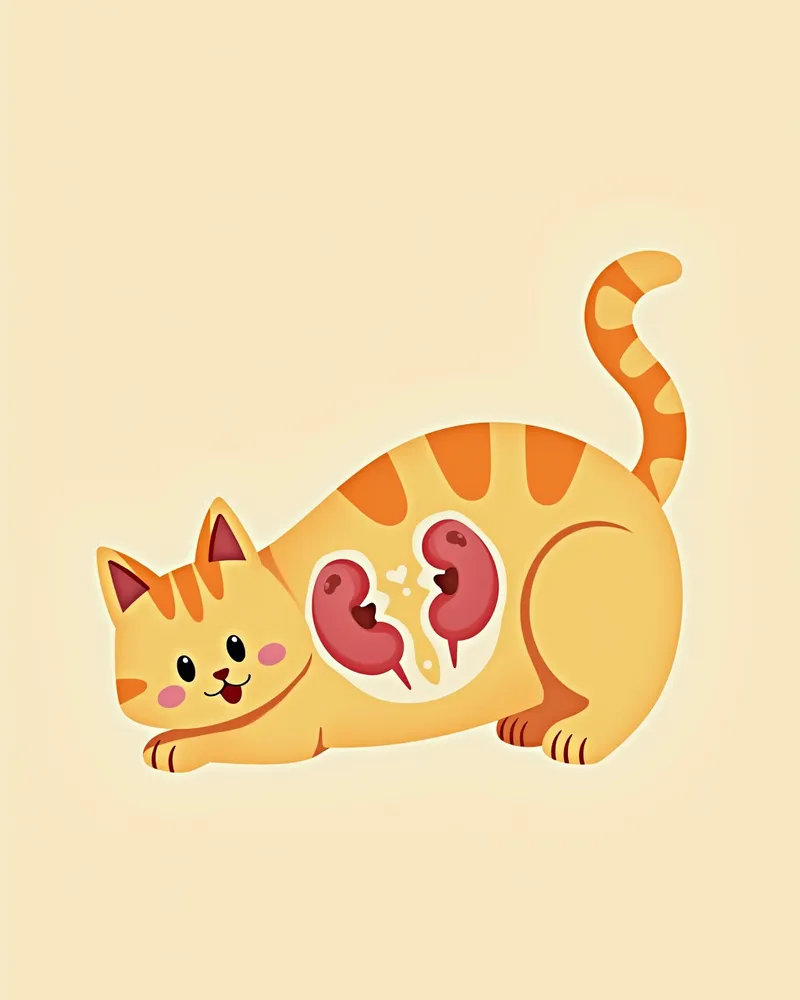
Prescription renal diets for cats are used to slow the progression of chronic kidney disease. The causes of chronic kidney disease are varied. - Age-related onset: Chronic kidney disease is common in older cats. As the average lifespan of cats increases, the number of cases is also rising. - Genetic and congenital predispositions: Genetic or familial kidney diseases, such as polycystic kidney disease, have been reported and can occur even in young cats. - Chronic tubulointerstitial nephritis and infections: Chronic tubulointerstitial nephritis of unknown origin or pyelonephritis can cause long-term kidney damage. - Exposure to toxic substances: Plant toxins, such as those from lilies, can cause severe kidney damage. - Other factors: Hydronephrosis, hypokalemic nephropathy, kidney tumors, and hypercalcemia can also be contributing factors. Since some of these causes are difficult to prevent, it is important to combine early diagnosis with dietary and medical management.
A diagram explaining the decline in kidney function in senior cats

Check for Key Symptoms and Signs

Don’t miss the signs that your cat may need a prescription renal diet. These behaviors can indicate an underlying health issue.
Excessive thirst: Your cat may start drinking water multiple times a day.
Frequent urination: You may notice more trips to the litter box or increased urine volume.
Weight loss: Your cat may lose weight rapidly despite maintaining normal food intake.
Loss of appetite: Your cat may show little interest in food or eat less than usual.
Recurrent vomiting: Vomiting may occur frequently, especially in the morning or after meals.
Lethargy: Your cat may stay in one place all day and show little interest in play.
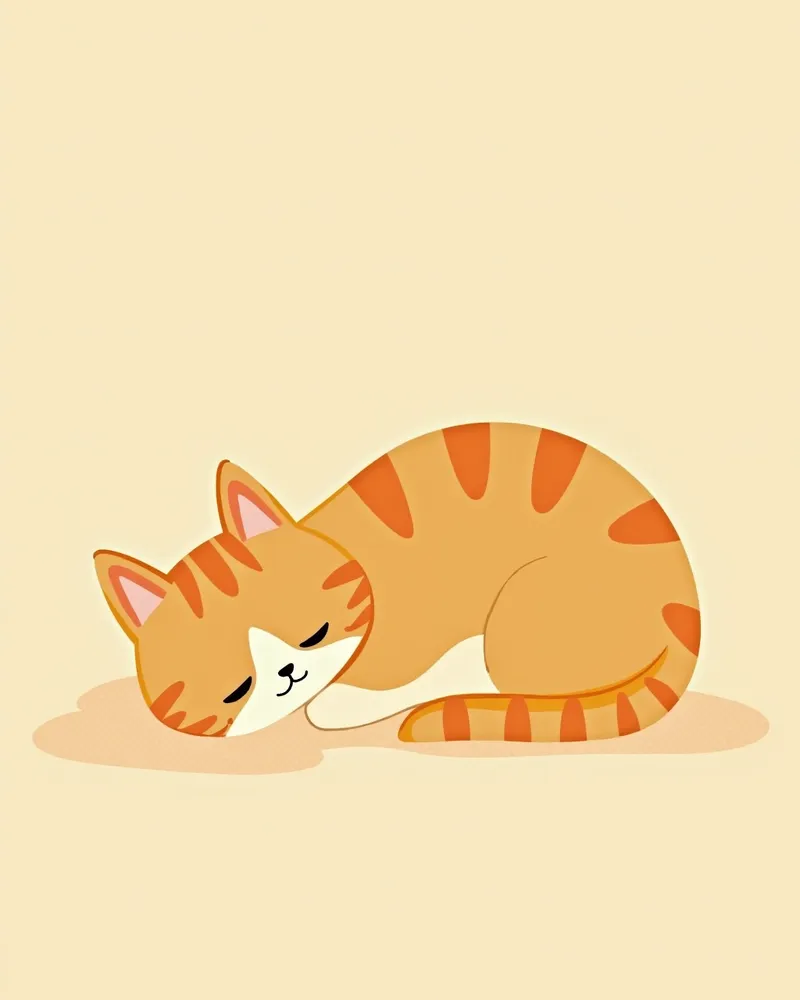
A tired cat lying on the floor

Signs Requiring Immediate Veterinary Visit

If your cat shows signs of uremia such as severe vomiting, black or bloody stools, mouth ulcers, muscle tremors or seizures, and extreme lethargy, consult a veterinarian immediately. These are warning signs of a uremic crisis caused by a rapid decline in kidney function.

Diagnostic Tests for Accurate Diagnosis

Before starting your cat on a renal prescription diet, an accurate diagnosis is essential. - Blood tests: Check blood creatinine and BUN levels to assess kidney function. - Urinalysis: Analyze urine concentration and protein content to evaluate the kidneys’ filtering ability. - Renal ultrasound: Visually confirm kidney size and check for structural abnormalities. - Urine protein-to-creatinine ratio: Helps more accurately assess the stage of disease progression. - Blood pressure measurement: Hypertension is closely linked to kidney disease. Based on these tests, your veterinarian will develop a tailored treatment plan.
A veterinarian reviewing blood test results.

Step-by-Step Treatment Approach

Prescription renal diets are the cornerstone of feline kidney disease management. Let’s break it down step by step.
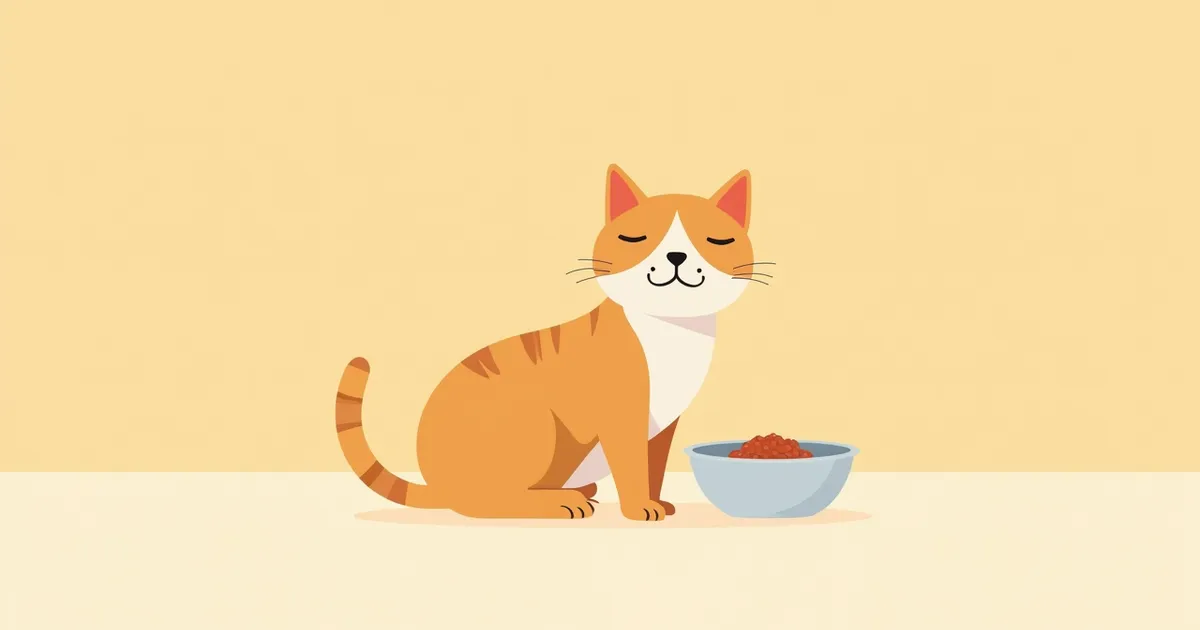
Step 1: Transition to a veterinarian-prescribed renal diet. Gradually mix it with your cat’s current food to ease the change.
Step 2: Ensure adequate hydration. Offer fresh water frequently or supplement with wet food to increase fluid intake.
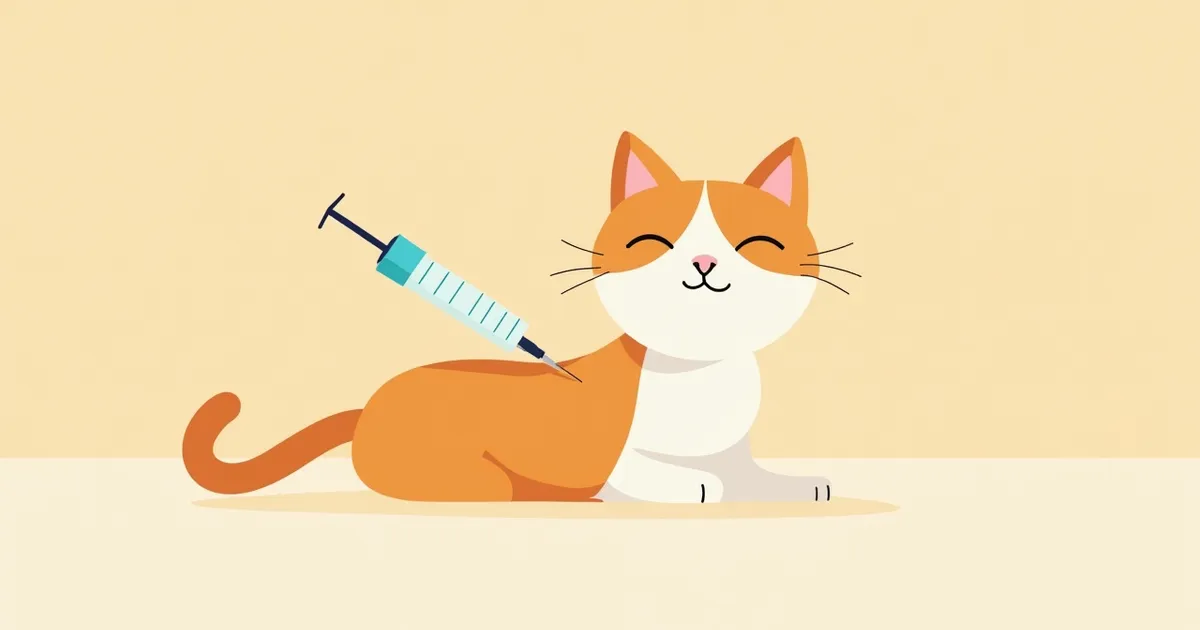
Step 3: Medication. Administer prescribed medications to manage complications such as hypertension, anemia, and metabolic acidosis.
Step 4: Regular monitoring. Schedule blood tests every three months to track your cat’s condition and adjust treatment as needed.
A cat drinking water from a fountain

Management Points at Home

Proper management of your cat’s renal prescription diet is essential.
Gradual food transition: Mix the new food with the current diet over a period of seven days.
Ensure adequate water intake: Place multiple water bowls around the home and consider using a water fountain.
Consistent feeding schedule: Feed your cat regularly, two to three times per day.
Monitor weight: Weigh and record your cat’s weight every week.
Minimize stress: Maintain a quiet environment and manage interactions with other animals.
Regular check-ups: Consult with your veterinarian every three months.
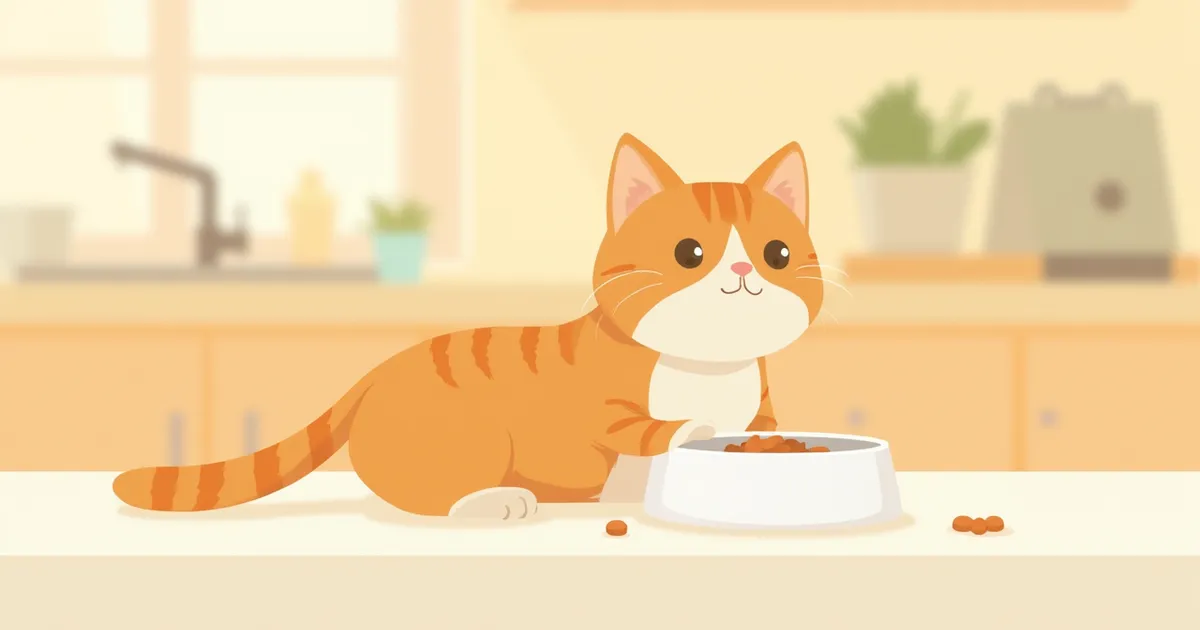
A cat eating in a quiet environment

Breed-Specific Precautions and Prevention of Recurrence

Certain breeds, such as Persians, may be more susceptible to kidney disease due to a genetic or familial predisposition to conditions like polycystic kidney disease. If symptoms worsen even after switching to a specialized diet, consult your veterinarian immediately. Regular check-ups are essential to help slow disease progression.

Reviewed by a veterinarian

Dr. Tony — Punnawat Phongkittirak

Dr. Tony — Punnawat Phongkittirak

Veterinarian

A veterinarian who majored in veterinary medicine at Khon Kaen University, Thailand, and completed the IVSA program at North Carolina State University in the United States. Drawing on clinical experience at animal hospitals, he works in the pet healthcare field and is dedicated to building a digital care environment that connects pet parents with veterinarians.

Frequently Asked Questions

When should I start feeding my cat a prescription renal diet?
If your veterinarian diagnoses chronic kidney disease, it’s best to switch to a prescription diet right away. Early intervention can help slow the progression of the disease.
Can I mix this with my pet’s current food?
Yes, mix them gradually. Start with about 10% and complete the transition within 7 days. Sudden changes can cause digestive upset.
What should I do if my pet’s appetite decreases after switching to a new food?
A temporary loss of appetite is common. Try gently warming the food with warm water to enhance its aroma, or mix in a small amount of fish or chicken. If your pet has no appetite for more than three days, consult your veterinarian.
Can I give my pet other foods besides the prescription diet?
Avoid regular treats and human food, as their high protein and phosphorus content can worsen the condition. Only offer special treats approved by your veterinarian.
What should I do if my pet vomits while eating?
If vomiting occurs two to three times or more, temporarily pause the food transition and consult your veterinarian. It could be a sign of indigestion or an allergic reaction.

Share

Related Guides

References

[1] Feldman, E. C., & Nelson, R. W. (2022). Textbook of Veterinary Internal Medicine: Diseases of the Dog and Cat. Elsevier.

[2] Kass, P. H., et al. (2021). Nutritional management of chronic kidney disease in cats: A review. Journal of Feline Medicine and Surgery, 23(5), 456–468.

[3] American College of Veterinary Internal Medicine (ACVIM). (2023). Consensus Guidelines for the Management of Chronic Kidney Disease in Cats.

This information is based on veterinary literature and does not replace diagnosis or treatment. Please consult a veterinarian for specific health concerns.

Metapet Co., Ltd. | CEO: Park Sung-yong | Business Reg. No. 417-88-02562 | Seoul, South Korea | Customer Center

Feline Renal Prescription Diets: Selection, Ingredients, Feeding | Meongsiljang