
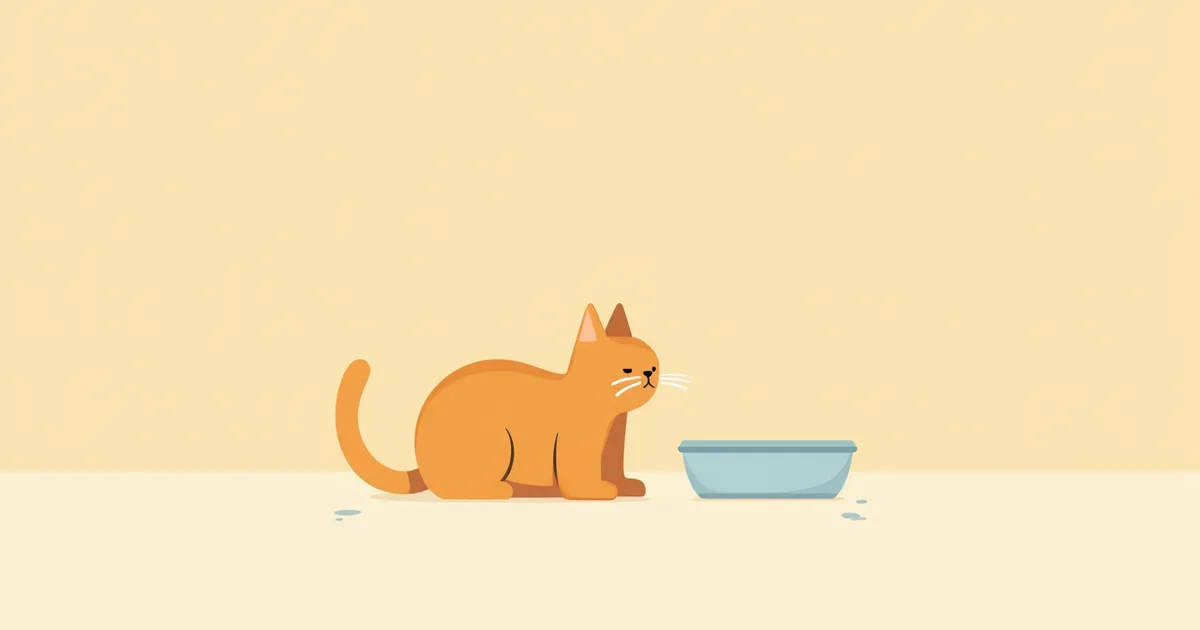
My Cat Keeps Drinking Water — Causes of Polyuria/Polydipsia (PU/PD) and When to Visit the Vet
Feline polyuria and polydipsia (PU/PD), characterized by increased urine output and excessive water intake, can be an early sign of serious conditions such as chronic kidney disease or diabetes. Early detection and accurate diagnosis are essential.
What Is Feline Polyuria/Polydipsia (PU/PD)?
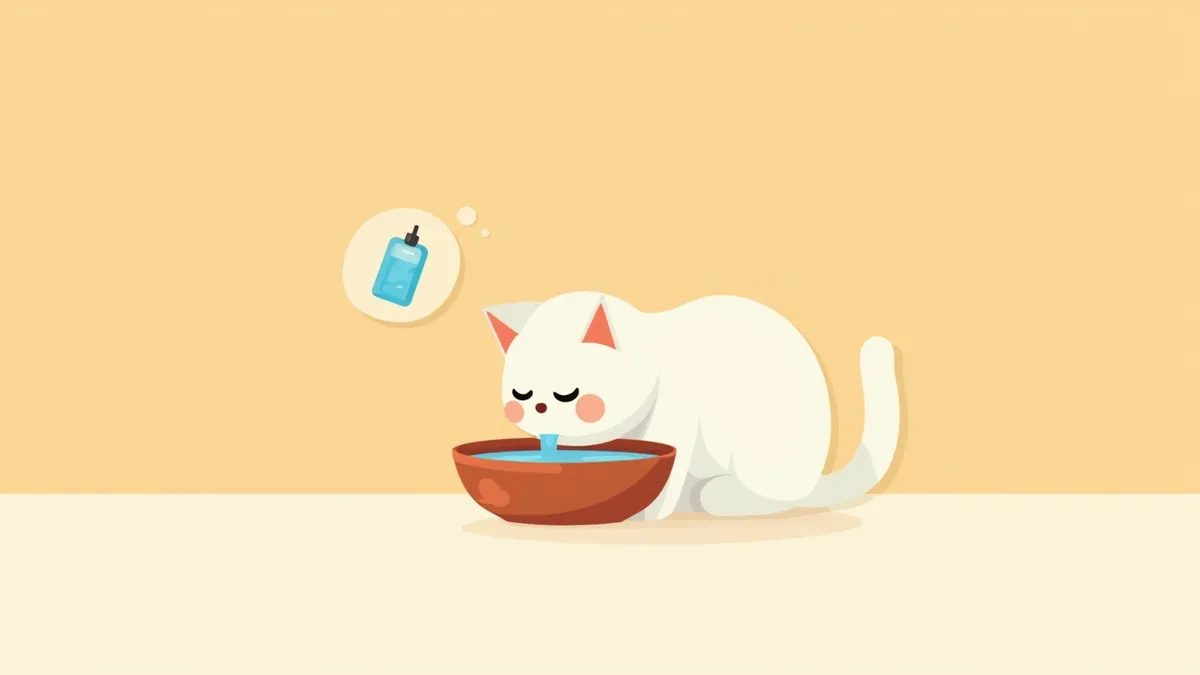
What Are the Main Causes of Polyuria/Polydipsia?
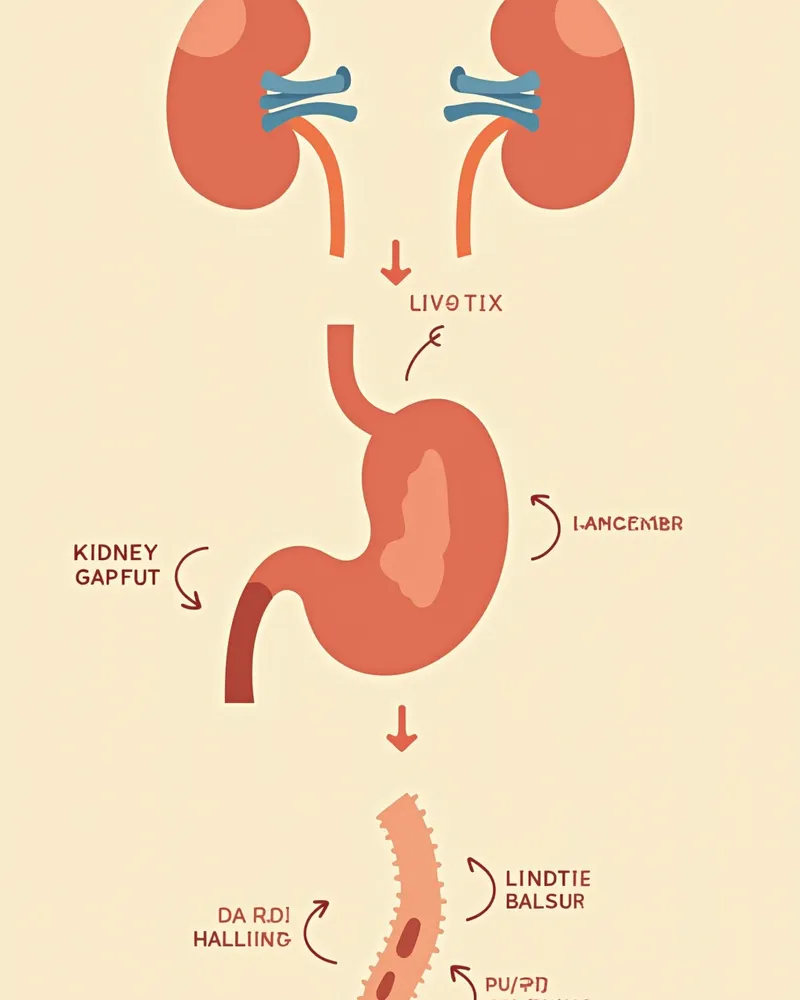
Key Symptoms and Signs of Polyuria/Polydipsia
When Immediate Veterinary Attention Is Necessary
If your cat drinks more than 45 mL of water per kilogram of body weight per day, experiences a sudden increase in urine output, loses its appetite, or vomits repeatedly, immediate veterinary attention is necessary. These symptoms may indicate diabetes mellitus or acute kidney injury.
Diagnostic Tests for Accurate Diagnosis

Treatment Methods and Step-by-Step Management
Management Points at Home
Precautions by Cat Breed
Feline polyuria and polydipsia can occur in various conditions such as chronic kidney disease, diabetes mellitus, and hyperadrenocorticism, and is particularly common in older cats (approximately 5-16 years old). Rather than focusing on specific breeds, it's important to carefully monitor water intake and urine output in daily life and have regular health check-ups.
Reviewed by a veterinarian

Dr. Tony — Punnawat Phongkittirak
VeterinarianA veterinarian who majored in veterinary medicine at Khon Kaen University, Thailand, and completed the IVSA program at North Carolina State University in the United States. Drawing on clinical experience at animal hospitals, he works in the pet healthcare field and is dedicated to building a digital care environment that connects pet parents with veterinarians.
Reviewed 2026-06-05
Frequently Asked Questions
Is it normal for a cat to drink a lot of water?
Is polydipsia a symptom of diabetes?
What tests should be done if polyuria develops?
Can diabetes insipidus be treated?
Can polyuria be prevented?
Comparison of Characteristics by Cause of Polyuria/Polydipsia
| Item | Main symptoms | Main tests | Treatment direction |
|---|---|---|---|
| Chronic kidney disease | Increased urine volume, weight loss, fatigue | Blood test (creatinine, BUN), urine test | Low-protein diet, medication, fluid supplementation |
| Diabetes mellitus | Drinking a lot of water, weight loss, increased appetite | Blood test (blood glucose), urine test (glucose) | Insulin injection, dietary management, regular monitoring |
| Hyperadrenocorticism | Drinking a lot of water, excessive urination, muscle weakness | Blood test (cortisol), ultrasound examination | Hormone-regulating medication, surgery (if needed) |
Because symptoms and treatment direction differ depending on the cause, accurate diagnosis is essential.
Share
Related Guides
Top 5 Prescription Diets for Cats with Chronic Kidney Disease — Stage-Specific Protein Adjustment
7 Emergency Signs and Causes of Acute Kidney Failure in Dogs You Must Not Miss
Top 5 Cat Kidney Supplements Recommended for 2026
If Your Dog Barks and Bites at Strangers — Causes of Aggression and Behavior Modification Tips
Canine Compulsive Disorder: Symptoms, Causes, Diagnosis, Treatment, and Management Summary
My Dog Is Acting Strange Since the New Pet Arrived — Causes and Step-by-Step Management of Adjustment Stress
If Your Dog Growls at Its Food Bowl — Causes of Food Resource Guarding and Behavior Modification
Fear-Based Aggression in Dogs: Symptoms, Causes, Diagnosis, Treatment, and Management Essentials
My Dog Destroys Everything When Left Alone — Causes of Separation Anxiety and When to See a Vet

Why Does My Dog Eat Poop? — Causes, Diagnosis, and Treatment Timing for Coprophagia
References
[1] The Veterinary Workbook of Small Animal Clinical Cases, Case 21, 2020
[2] The Cat, Clinical Medicine and Management, 2nd Edition, 2018
[3] Urinalysis in the Dog and Cat, 2019