Like
Share
멍실장
고양이 특발성 방광염 증상과 원인, 진단·치료와 관리 포인트 총정리

Feline Idiopathic Cystitis: Symptoms, Causes, Diagnosis, Treatment, and Management Essentials

UrinaryDiseasesMeongsiljang Veterinary Advisory Board

Feline idiopathic cystitis is a bladder inflammation of unknown cause, characterized by difficulty urinating, blood in the urine, and changes in litter box habits. Accurate diagnosis and environmental management are key to treatment.

What is Feline Idiopathic Cystitis?
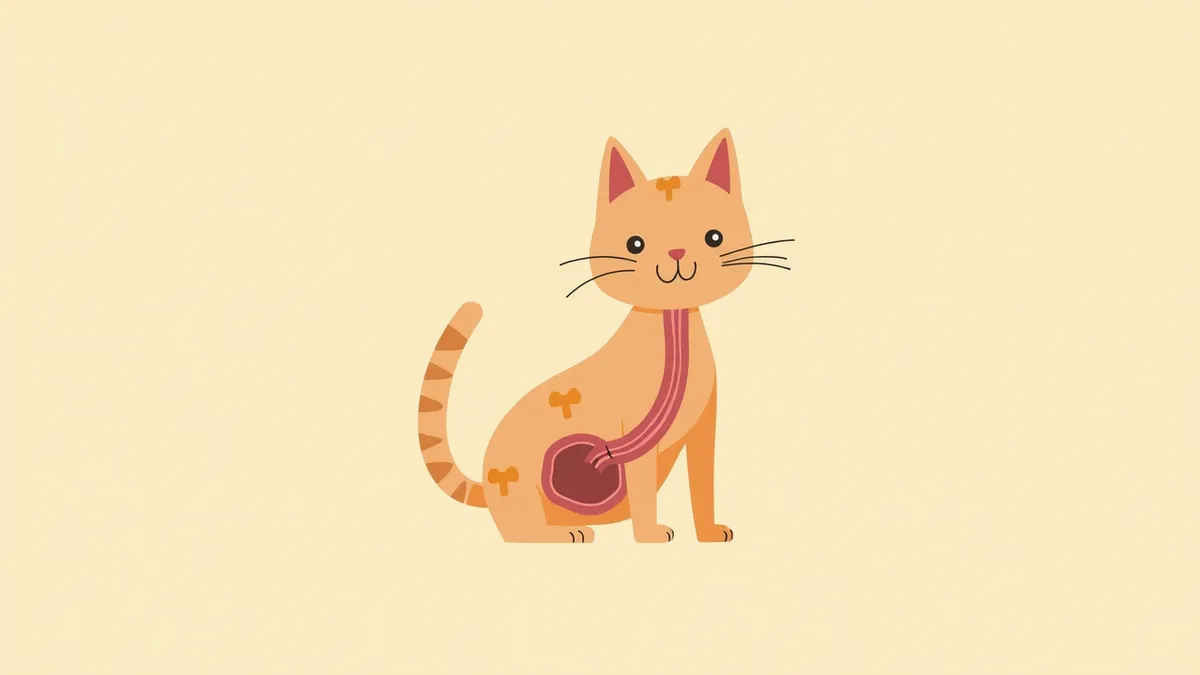
An anatomical diagram of a cat's urinary tract, with the bladder highlighted.
Feline idiopathic cystitis is an inflammatory condition of the bladder lining with no clearly identified cause. - Idiopathic cystitis: A sterile, hemorrhagic inflammation of the bladder lining that occurs without infection, accompanied by pain and urinary dysfunction, and primarily affects cats that are sensitive to stress. - Risk factors: Known risk factors include multi-cat households, indoor living, obesity, lack of exercise, inter-cat conflict, and purebred status. - Diagnostic criteria: Diagnosis is confirmed by ruling out infectious diseases, stones, tumors, and other conditions; urinalysis may reveal hematuria and inflammatory cells. - Key features: Distinctive signs include difficulty urinating, hematuria, elimination outside the litter box, and recurrent episodes. When in pain, cats often vocalize or frequently lick their lower abdomen and genital area. Accurate diagnosis and early management are essential to preventing recurrence.

What are the Main Causes?

While the exact cause of feline idiopathic cystitis remains unknown, it is believed to result from a combination of several factors. - Stress factors: Environmental changes, conflicts with other animals, and noise are major triggers, linked to the brain-bladder axis and neuroinflammatory responses. - Lifestyle habits: Insufficient water intake, irregular meal times, and lack of exercise can influence both the onset and recurrence of the condition. - Physiological factors: Damage to the bladder’s inner protective lining (the glycosaminoglycan layer) can cause hypersensitivity to external stimuli, leading to inflammation. - Genetic predisposition: Certain breeds show higher incidence rates, suggesting a role for genetic vulnerability. - Environmental factors: The location of the litter box, type of litter, and cleaning frequency directly affect a cat’s stress levels. Hypersensitivity to stress can worsen clinical symptoms.
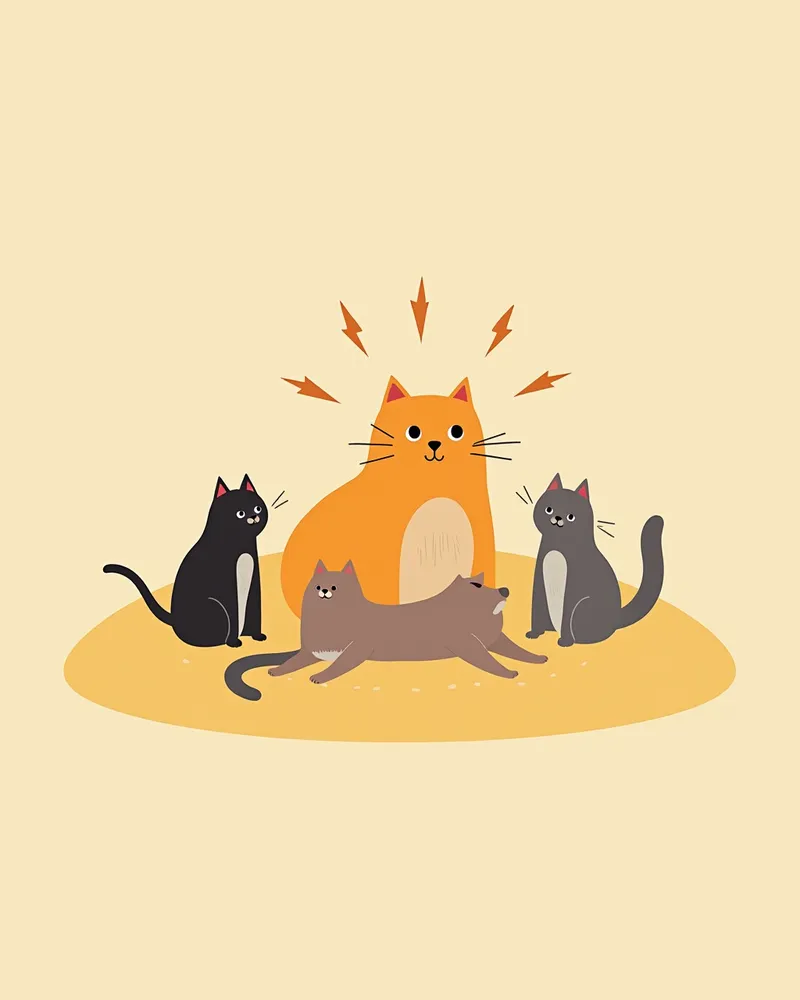
A stressful situation in which multiple cats are confined in a small space

Main Symptoms and Signs

The main symptoms of feline idiopathic cystitis include straining and vocalizing during urination due to pain. Cats may visit the litter box frequently but pass little to no urine, or produce only small amounts. Blood in the urine and urinating outside the litter box are also common. Discomfort may lead to excessive licking of the lower abdomen or genital area, along with reduced activity and lethargy. In male cats, there is a risk of urinary obstruction, making prompt diagnosis essential.
A cat showing signs of pain while using the litter box

Signs Requiring Immediate Veterinary Attention

If your cat continues to strain in the litter box without producing any urine, this is an emergency. This could indicate a urinary tract obstruction, which is the most common cause of acute kidney injury in cats. If your cat is unable to urinate and also shows signs of vomiting, lethargy, or circulatory collapse (such as cold paws and a weak pulse), you must seek veterinary care immediately. This condition can be life-threatening, so prompt action is essential.

Accurate Diagnostic Methods
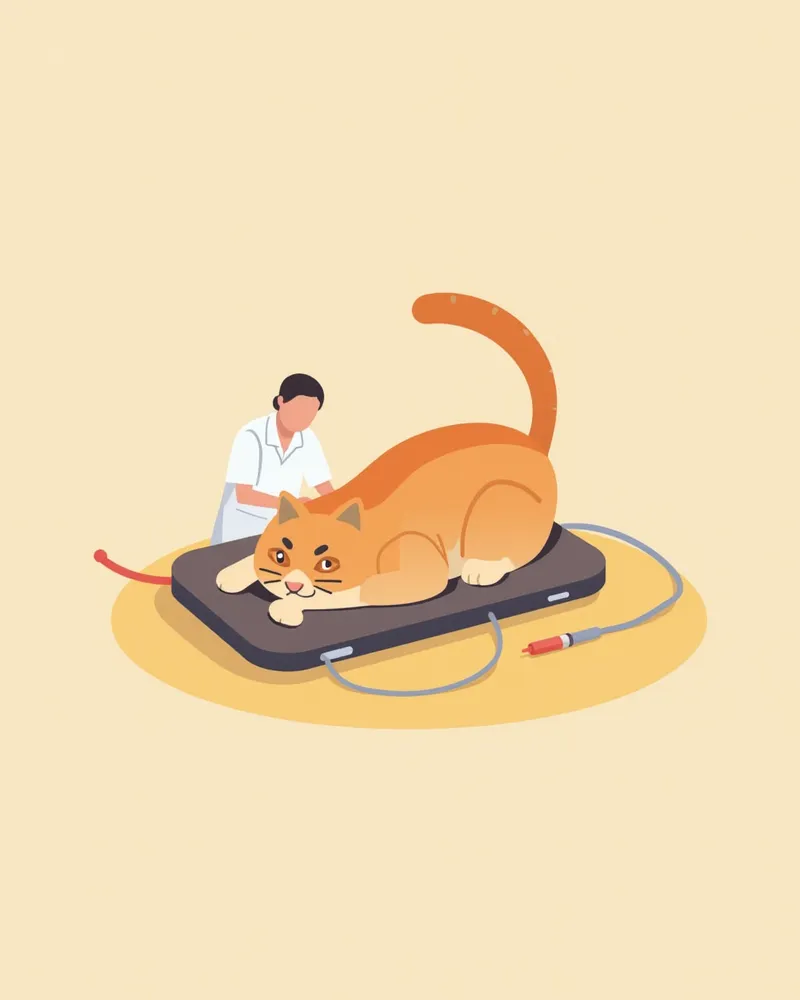
Feline idiopathic cystitis is diagnosed by ruling out other potential conditions. - Urinalysis: We analyze white blood cells, red blood cells, protein, and pH to check for infection. In idiopathic cystitis, urine cultures are negative, though hematuria and inflammatory cells may be present. - Blood tests: These assess kidney function and electrolyte balance to rule out underlying diseases. - Bladder ultrasound: This is essential for evaluating bladder wall thickness, stones, tumors, and abnormal filling. - Diagnostic criteria: A diagnosis of idiopathic cystitis is made when infection is absent and no lesions are detected on ultrasound. The presence of hematuria, red blood cells, and distinct inflammatory cells in the urine supports the clinical diagnosis. - Warning signs: If symptoms such as difficulty urinating, blood in the urine, or elimination outside the litter box persist, immediate veterinary examination is necessary.
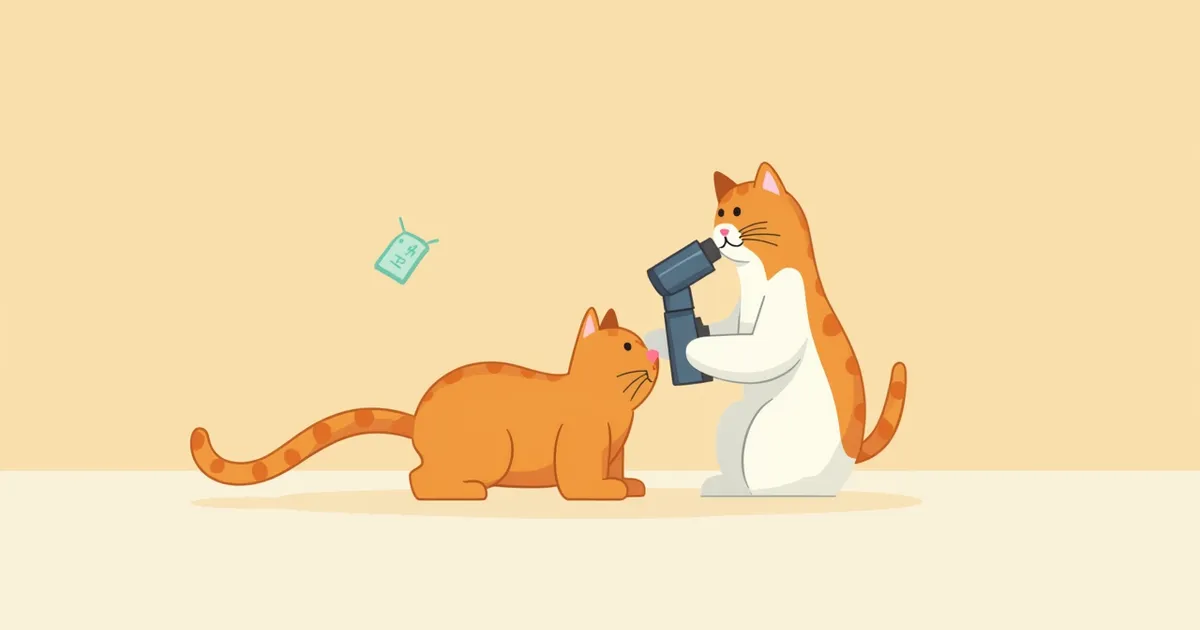
A veterinarian performing an ultrasound examination of a cat's bladder.

Treatment Methods and Step-by-Step Approach
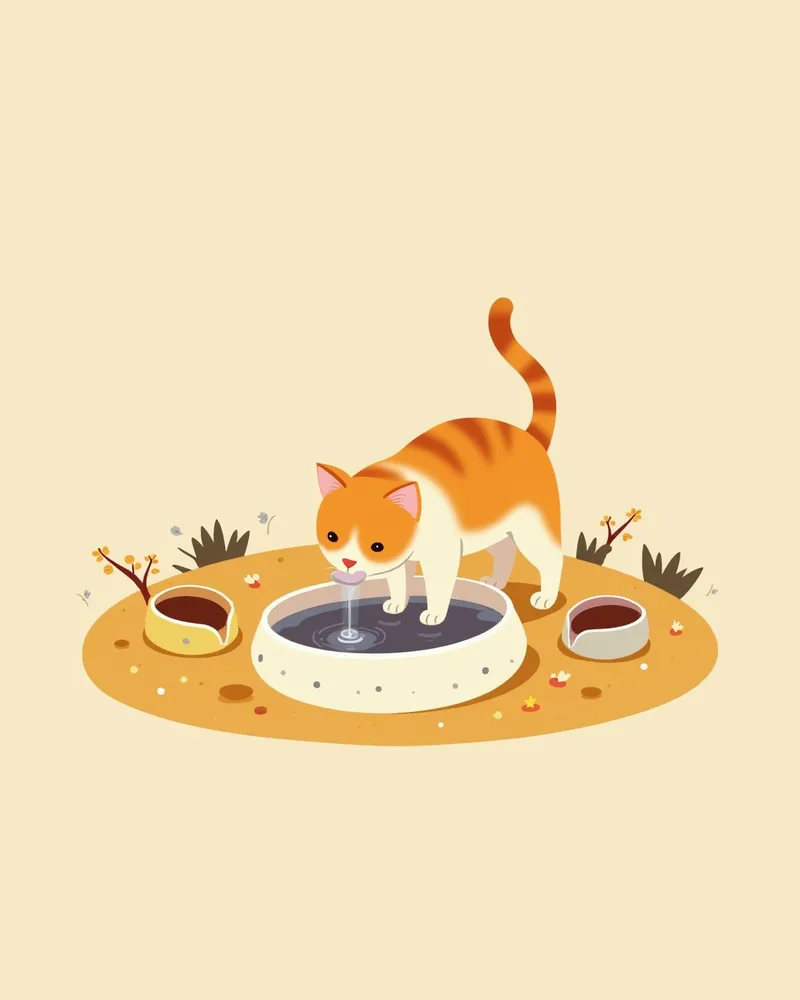
Treatment focuses on pain relief, stress reduction, environmental enrichment, and increased water intake. - Pain Management: Veterinarian-prescribed analgesics help alleviate your cat’s discomfort. While non-steroidal anti-inflammatory drugs (NSAIDs) may be appropriate for inflammatory pain, they must be used with caution due to the risk of gastrointestinal damage. - Environmental Adjustments: Provide multiple litter boxes, clean them at least once daily, and use the litter type your cat prefers. In multi-cat households, it is essential to provide individual litter boxes for each cat. - Increasing Water Intake: Feeding wet food and refreshing water frequently are crucial steps. Adequate hydration helps reduce inflammation within the bladder. - Psychological Comfort: Maintain a consistent routine and regular playtime to minimize stress. Stress management should be integrated with environmental improvements for best results. - Ongoing Care: Regular monitoring is necessary even after treatment. Consistent management of the environment, diet, and behavior is key to preventing recurrence.
A cat drinking from a water fountain in an environment with multiple clean litter boxes.

Management Points at Home

Feline idiopathic cystitis tends to recur frequently, so consistent management is essential. - Litter box hygiene: Clean the litter box at least once a day and use the litter type your cat prefers. In multi-cat households, it’s important to provide enough litter boxes—one more than the number of cats is a good rule of thumb. - Environmental stability: Avoid sudden changes and keep feeding, play, and litter box routines consistent. A stable environment is key to reducing nerve-related inflammation. - Stress reduction: Minimize stress from conflicts with other animals, loud noises, or visitors. Effective stress management requires an integrated approach addressing diet, environment, and behavior. - Dietary management: Choose veterinarian-recommended foods and actively incorporate wet food. Therapeutic diets can help reduce inflammatory responses. - Regular check-ups: If symptoms recur, visit the vet promptly for early intervention. Early detection significantly improves treatment success rates.
A serene cat gazing out the window in a quiet room

Precautions to Prevent Recurrence

Feline idiopathic cystitis is highly sensitive to stress, so changes in the environment or disruptions in daily routine can trigger flare-ups. It’s important to maintain consistent feeding, litter box, and playtime schedules for your cat. In multi-cat households, providing separate spaces and individual litter boxes is especially crucial. Regular check-ins with your veterinarian are the safest way to monitor your cat’s condition.

Reviewed by a veterinarian

Dr. Tony — Punnawat Phongkittirak

Dr. Tony — Punnawat Phongkittirak

Veterinarian

A veterinarian who majored in veterinary medicine at Khon Kaen University, Thailand, and completed the IVSA program at North Carolina State University in the United States. Drawing on clinical experience at animal hospitals, he works in the pet healthcare field and is dedicated to building a digital care environment that connects pet parents with veterinarians.

Frequently Asked Questions

Is feline idiopathic cystitis treatable?
Yes, directly eliminating the cause can be challenging, but most symptoms improve with environmental adjustments, pain relief, increased hydration, and dietary management. However, since there's a tendency for recurrence, consistent care is essential.
Does keeping the litter box clean prevent urinary tract infections?
While keeping the litter box clean is important, cystitis cannot be completely prevented by cleanliness alone, as it results from a combination of factors such as stress, water intake, diet, and living environment.
My cat is passing blood in its urine. Should I be concerned?
Blood in the urine can be a serious warning sign. Consult your veterinarian immediately to rule out infections, stones, tumors, and other causes through urinalysis, ultrasound, and other tests. Early diagnosis is crucial for preventing recurrence and complications.
Does idiopathic cystitis affect a cat's lifespan?
Even if the exact cause remains unknown, proper care can help maintain your pet’s quality of life. By minimizing recurrences, you can help them stay stable in the long term. While this condition doesn’t directly affect lifespan, inadequate management may lead to complications.
Will the medication cure the condition completely?
Medications can help alleviate symptoms, but since the underlying cause is often stress or environmental factors, a cure through medication alone is usually difficult. Adjusting the environment and improving daily habits are far more important.

Share

Related Guides

References

[1] Lloyd, D.H. et al. (2019) Feline Idiopathic Cystitis: Pathogenesis, Diagnosis, and Management. Journal of Feline Medicine and Surgery, 21(8), 687–700.

[2] Hosgood, G. (2020) Feline Lower Urinary Tract Disease: A Comprehensive Review. Veterinary Clinics of North America: Small Animal Practice, 50(5), 887–905.

[3] Plumb's Veterinary Drug Handbook, 9th Edition. (2022) Wiley-Blackwell. Chapter on Urinary Tract Disorders in Cats.

This information is based on veterinary literature and does not replace diagnosis or treatment. Please consult a veterinarian for specific health concerns.

Metapet Co., Ltd. | CEO: Park Sung-yong | Business Reg. No. 417-88-02562 | Seoul, South Korea | Customer Center

Feline Idiopathic Cystitis: Symptoms, Causes & Treatment | Meongsiljang