Like
Share
멍실장
고양이 심부전 병기(ACVIM 분류) 증상과 원인, 진단·치료와 관리 포인트 총정리

Feline Heart Failure ACVIM Stages — Symptoms, Diagnosis, and Treatment by Stage at a Glance

HeartDiseasesMeongsiljang Veterinary Advisory Board

Feline heart failure is classified into four stages by the ACVIM based on the degree of cardiac dysfunction, and early detection along with appropriate management can significantly extend survival. We provide a comprehensive guide covering symptoms, causes, diagnosis, and treatment options.

Feline Heart Failure Stages (ACVIM Classification) is a system that divides the degree of cardiac dysfunction into four stages.
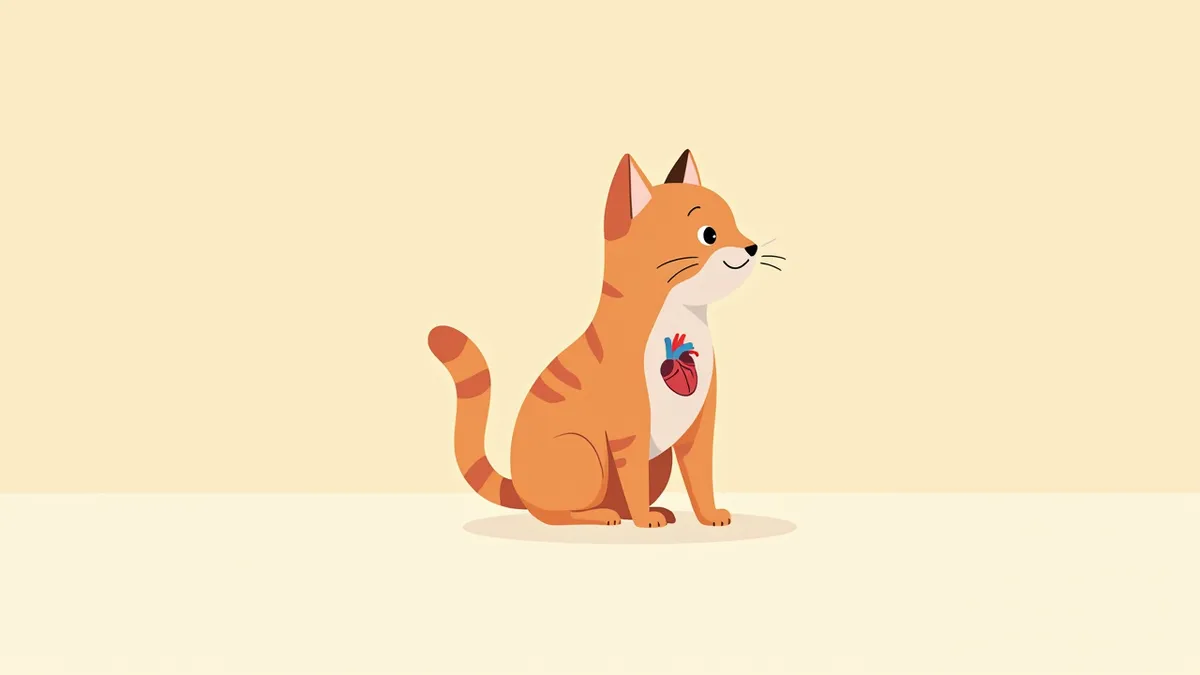
Diagram of Stage-by-Stage Structural Heart Changes in Feline Heart Failure (ACVIM Classification)
Feline heart failure is classified into four stages, A through D, based on the severity of the cardiac condition according to the ACVIM guidelines. - Stage A: No structural heart abnormalities have been detected yet, but the cat is at high risk due to breed predisposition (such as Maine Coons or Ragdolls) or a family history of cardiomyopathy. - Stage B: Structural changes, such as left ventricular hypertrophy, are present, but clinical signs of heart failure are absent. This stage is further divided into B1, where the left atrium is normal to mildly enlarged and risk is low, and B2, where the left atrium is moderately to severely enlarged and risk is higher. - Stage C: The cat is currently experiencing, or has previously experienced, clinical signs of congestive heart failure, such as respiratory distress, which impact daily life. - Stage D: This refers to refractory heart failure that does not respond well to standard treatments, requiring continuous therapy and intensive management. Accurate staging is essential for developing an effective treatment plan and assessing prognosis, with tailored management for each stage yielding the best outcomes.

The main causes of heart failure stages are structural heart abnormalities and impaired cardiac function.
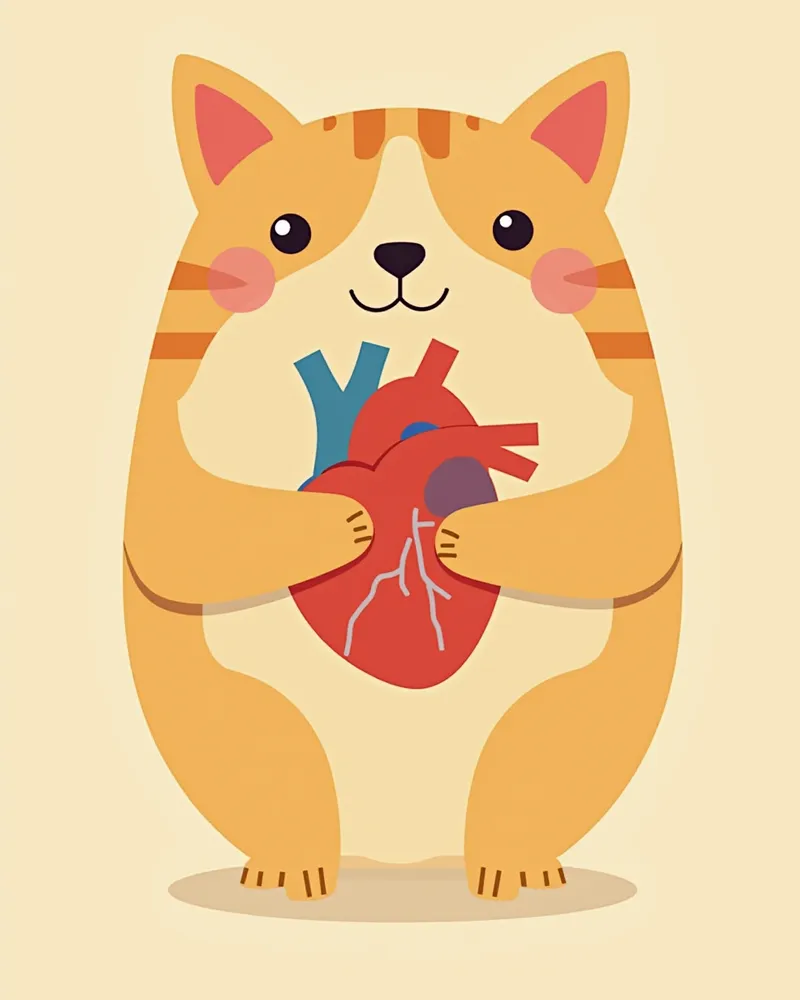
- Cardiomyopathy: The most common heart disease in cats, typically involving structural changes to the heart muscle—such as hypertrophic cardiomyopathy (HCM), where the heart muscle thickens—leading to impaired cardiac function. - Valvular disease: Improper closure of the heart valves causes blood to flow backward, increasing the workload on the heart. - Arrhythmia (abnormal heart rhythm): Irregular heart rhythms can disrupt efficient blood circulation and may lead to symptoms such as fainting. - Hypertension: Chronic high blood pressure places sustained stress on the heart and can induce cardiomyopathic changes. - Hyperthyroidism: An elevated metabolic rate causes the heart to work excessively, potentially leading to cardiomyopathic changes. Early diagnosis and treatment of the underlying cause are key to slowing disease progression.
Structural heart abnormalities that appear as causes of heart failure stages in cats

Main symptoms vary by stage.

The main symptoms of feline heart failure include the following. Unlike dogs, cats rarely cough; instead, they typically present with dyspnea (rapid breathing), which is a distinctive feature.
Dyspnea: Breathing becomes rapid and labored, often worsening after activity or stress. This is the most common and critical sign of feline heart failure.
Fatigue and lethargy: Cats may avoid routine play and rest more frequently.
Pleural effusion and abdominal distension: Fluid accumulation in the chest (pleural effusion) or abdomen (ascites) can cause difficulty breathing or a swollen belly.
Decreased appetite: Cats may refuse food or eat only small amounts quickly.
Altered mental status: Cats may appear drowsy or respond more slowly.
Since the severity and combination of symptoms vary by disease stage, regular monitoring is essential.
Breathing difficulties that appear in the stages of feline heart failure

Emergency Signs Requiring Immediate Veterinary Visit

If your cat suddenly starts panting, develops blue discoloration of the mouth or lips, or collapses, seek veterinary care immediately. These are signs of a rapid worsening of heart failure, so consult a veterinarian without delay.

Diagnosis is conducted comprehensively using echocardiography, X-rays, blood tests, and more.
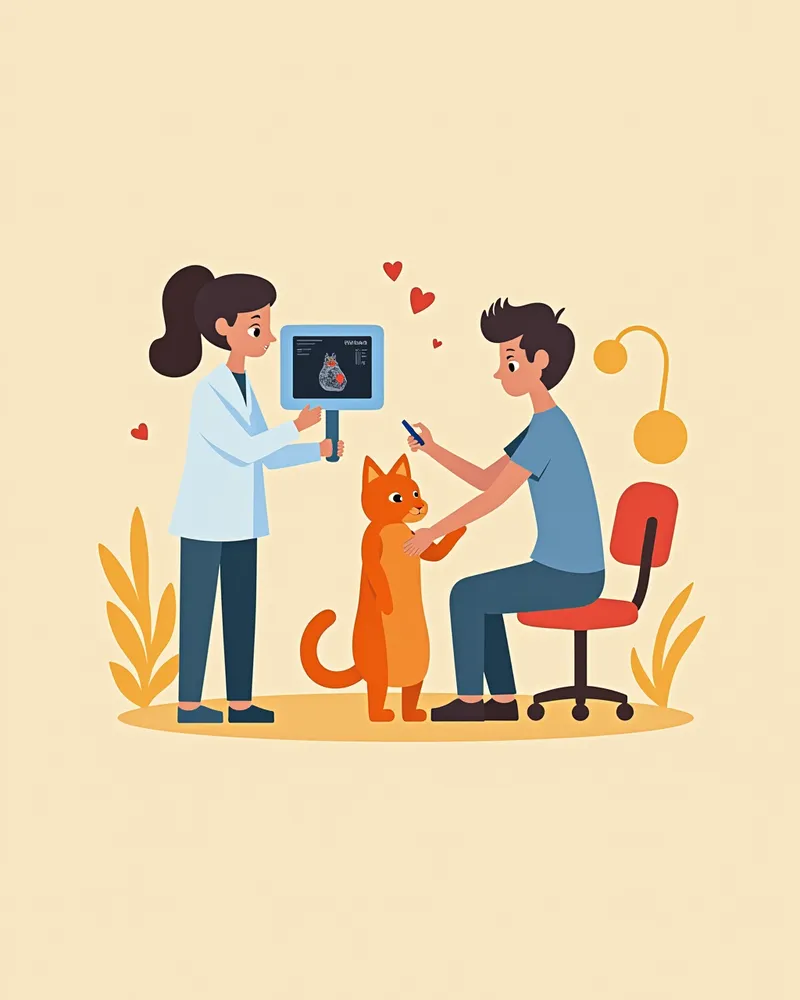
- Echocardiography (Cardiac Ultrasound): This is the most critical diagnostic test, allowing for a precise evaluation of heart size, wall thickness, heart rate, and valve function. - Cardiac X-ray: This helps determine the severity of heart failure by checking for pulmonary edema and changes in heart size. - Blood Tests: These evaluate thyroid hormone levels and kidney function to rule out or confirm underlying causes. - Electrocardiogram (ECG): This is used to detect abnormal heart rhythms and determine the presence of arrhythmias. - Vital Signs Monitoring: Continuously tracking changes in weight, respiratory rate, and activity levels enables early detection of disease progression. The final disease stage classification is determined by synthesizing the results of all these tests.
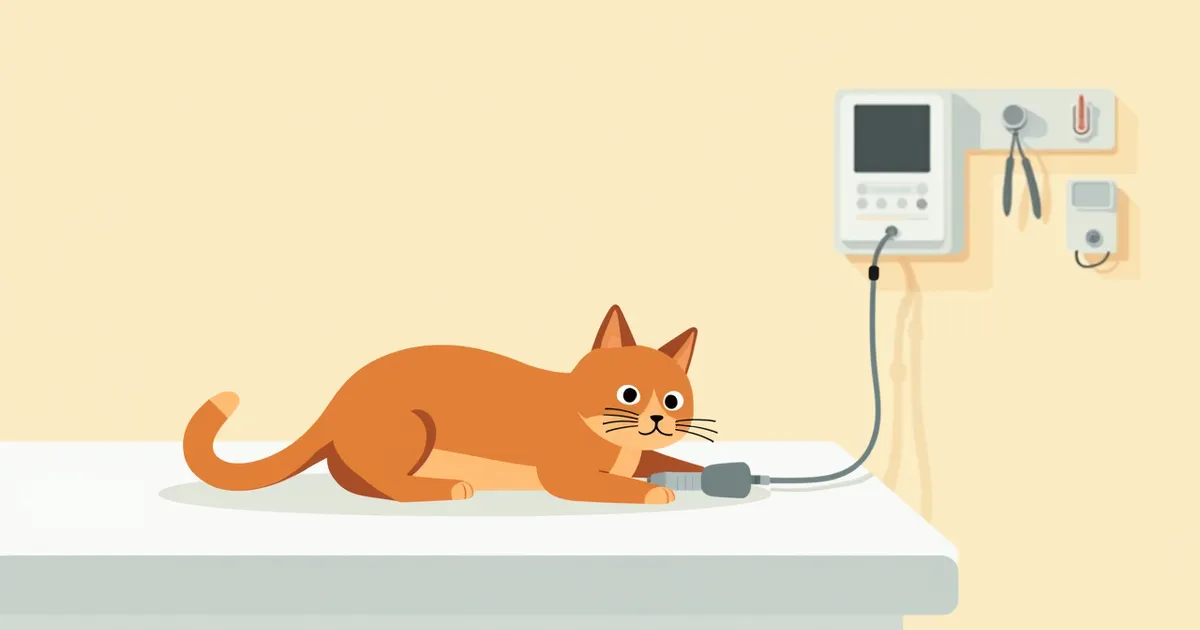
A scene of an echocardiogram being performed to diagnose heart failure in a cat.

Treatment is implemented stepwise according to each stage.
Treatment for feline heart failure is tailored to each stage as follows:
Stage A: This stage involves no structural heart disease. If risk factors such as hypertension or hyperthyroidism are present, the underlying conditions are managed first.
Stage B: This is an asymptomatic, latent phase. Progression is monitored through regular cardiac examinations, and risk factors are managed. The decision to use medication is made by the veterinarian based on risk indicators, such as left atrial size.
Stage C: Treatment focuses on alleviating symptoms of congestive heart failure. Diuretics (furosemide) are used to reduce fluid accumulation in the lungs and chest cavity, and thoracentesis may be performed to drain pleural effusion if present.
Stage D: This stage is characterized by poor response to standard treatments. A combination of therapies, including adjusting diuretic dosages, adding additional medications, and providing supportive care, is implemented.
Treatment must be customized for each stage and strictly follow the veterinarian’s prescription.
Medication treatment for cats with heart failure, by stage

Home management is key to maintaining the stage and improving quality of life.
Managing heart failure in cats involves several key points:
Dietary Control: A low-sodium diet is recommended. Use special cat food recommended by your veterinarian.
Activity Control: Avoid excessive exercise and provide a calm environment for your cat to rest comfortably.
Weight Management: Obesity increases the burden on the heart, so monitor your cat's weight regularly.
Medication: Ensure consistent administration of medication at the correct times and dosages.
Regular Check-ups: Consult with your veterinarian every 1-3 months and review test results.
These management strategies can significantly help slow the progression of heart failure.
Creating a Stable Environment for Managing Stages of Feline Heart Failure

Breeds and Age Groups to Watch for in Feline Heart Failure Stages

Maine Coons and Ragdolls are known to be particularly susceptible to heart conditions such as hypertrophic cardiomyopathy. The risk of developing these conditions increases with age, and the prevalence of hypertrophic cardiomyopathy is notably high in senior cats aged nine years and older, making regular cardiac screenings essential.

Reviewed by a veterinarian

Dr. Tony — Punnawat Phongkittirak

Dr. Tony — Punnawat Phongkittirak

Veterinarian

A veterinarian who majored in veterinary medicine at Khon Kaen University, Thailand, and completed the IVSA program at North Carolina State University in the United States. Drawing on clinical experience at animal hospitals, he works in the pet healthcare field and is dedicated to building a digital care environment that connects pet parents with veterinarians.

Frequently Asked Questions

Why is staging of feline heart failure (ACVIM classification) important?
Symptoms and treatment approaches vary depending on the stage of the disease, so early staging significantly impacts both survival time and quality of life.
Can stage A be cured with early intervention?
Stage A is a high-risk phase where structural heart disease has not yet developed. Managing risk factors such as hypertension and hyperthyroidism, along with regular cardiac monitoring, can help reduce the risk of progression.
Can a cat have heart failure if it’s only coughing?
Unlike dogs, cats with heart failure rarely show coughing as a symptom. Instead, rapid and labored breathing (dyspnea) is a more significant warning sign, so it's best to seek immediate veterinary care if you notice your cat breathing faster than usual.
Will the disease worsen again if I stop the medication?
Yes, most medications help alleviate symptoms but do not cure the underlying condition. Stopping medication on your own can cause symptoms to worsen, so please always consult with your veterinarian before making any changes.
Is stage D heart failure untreatable?
While a complete cure may not be possible, treatments are available to help alleviate symptoms. Work closely with your veterinarian to manage your pet’s condition and maintain the best possible quality of life.

Comparison of Characteristics by Stage in Feline Heart Failure (ACVIM Classification)

ItemStageDefinitionMain SymptomsTreatment Direction
ANo structural heart abnormality, high-risk groupSusceptible breeds such as Maine Coon and Ragdoll, or family historyNo symptomsRisk factor management and regular checkups
BStructural heart abnormality present, no symptomsStructural changes such as left ventricular hypertrophy (B1/B2)No symptomsRegular follow-up and risk-based management
CStructural heart abnormality present, symptomaticCurrent or past congestive heart failure symptomsDifficulty breathing, pleural/abdominal effusionSymptom-relieving treatment such as diuretics
DRefractory heart failure, severe symptomsPoor response to standard treatmentSevere difficulty breathing, collapseCombination therapy and supportive care

According to the ACVIM classification, treatment strategies differ by stage.

Share

Related Guides

References

[1] Björk et al. (2020) Cardiovascular Disease in Cats: A Comprehensive Review. Journal of Feline Medicine and Surgery.

[2] Pouchelon et al. (2019) ACVIM Consensus Guidelines on Heart Failure in Cats. Journal of Veterinary Internal Medicine.

[3] Horn et al. (2021) Diagnostic and Therapeutic Approaches to Feline Heart Failure. Veterinary Clinics of North America: Small Animal Practice.

This information is based on veterinary literature and does not replace diagnosis or treatment. Please consult a veterinarian for specific health concerns.

Metapet Co., Ltd. | CEO: Park Sung-yong | Business Reg. No. 417-88-02562 | Seoul, South Korea | Customer Center

Cat Heart Failure ACVIM Stages: Symptoms, Diagnosis & Treatment | Meongsiljang