Like
Share
멍실장
고양이 간 보호제(SAMe·밀크시슬) 증상과 원인, 진단·치료와 관리 포인트 총정리

When to Use Feline Liver Protectants — Effects of SAMe and Milk Thistle and Selection Points

Liver HealthDiseasesMeongsiljang Veterinary Advisory Board

SAMe and milk thistle are supplements that help prevent liver dysfunction and support recovery in cats. Recognizing early signs of liver damage and providing proper care are essential.

What Are Feline Liver Protectants (SAMe and Milk Thistle)?
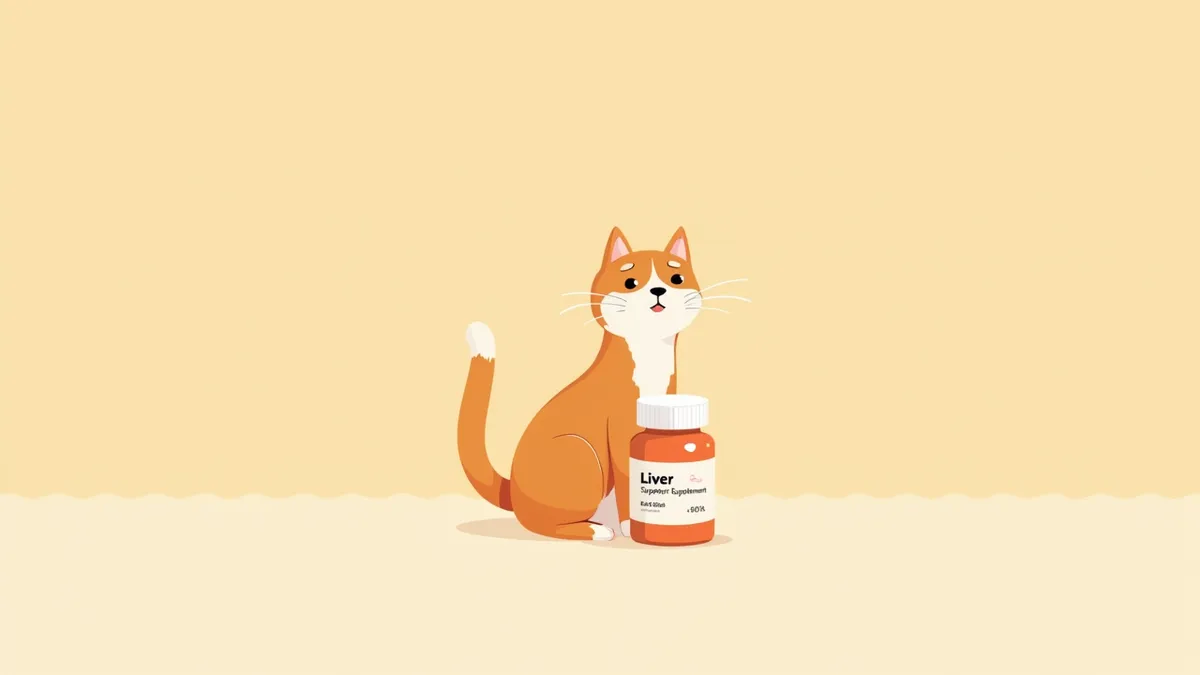
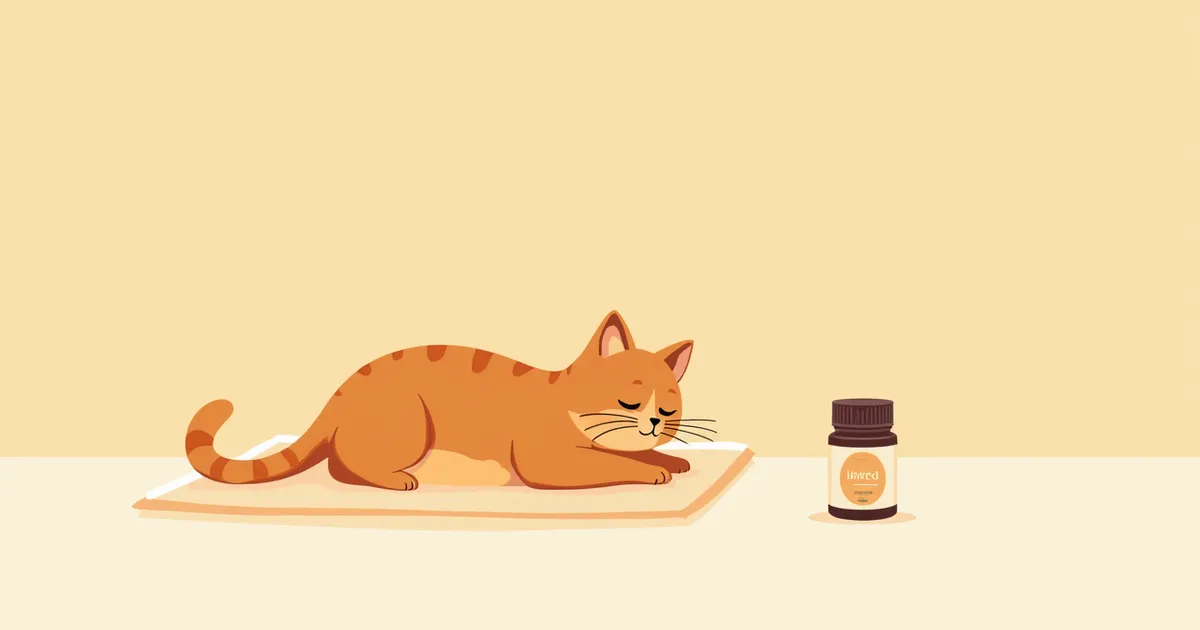
An image of a cat sitting next to a bottle of liver protectant.
Feline liver protectants are supplements used to shield liver cells and support recovery when liver function declines. SAMe (S-adenosylmethionine): As a precursor to glutathione, a vital antioxidant within liver cells, it plays a key role in detoxification and stabilizing cell membranes. Milk thistle (silymarin/milk thistle extract): A plant-derived ingredient used for liver protection, typically administered once daily based on the cat’s weight. These two ingredients are often combined in compound products like Denamarin. They are particularly useful as supportive treatments for inflammatory liver disease, fatty liver, cholestatic liver disease, and acetaminophen toxicity. It is important to follow your veterinarian’s guidance to ensure the correct dosage and duration of treatment.

Causes Requiring Liver Protectants

Cats may need liver support supplements due to various causes of liver damage. Drug toxicity (such as acetaminophen) can cause severe liver injury. Ingestion of oxidative toxins like onions or propylene glycol can also burden the red blood cells and liver. Inflammatory liver disease and fatty liver disease (hepatic lipidosis) are also significant causes. Fatty liver often develops secondary to other conditions such as gastrointestinal disease, pancreatitis, or cholangitis. In these cases, the liver cells’ antioxidant capacity declines, so SAMe and milk thistle are used as supportive therapies. However, the extent of their efficacy has not yet been definitively proven. When administered under veterinary guidance alongside regular check-ups, these supplements can aid in liver management.
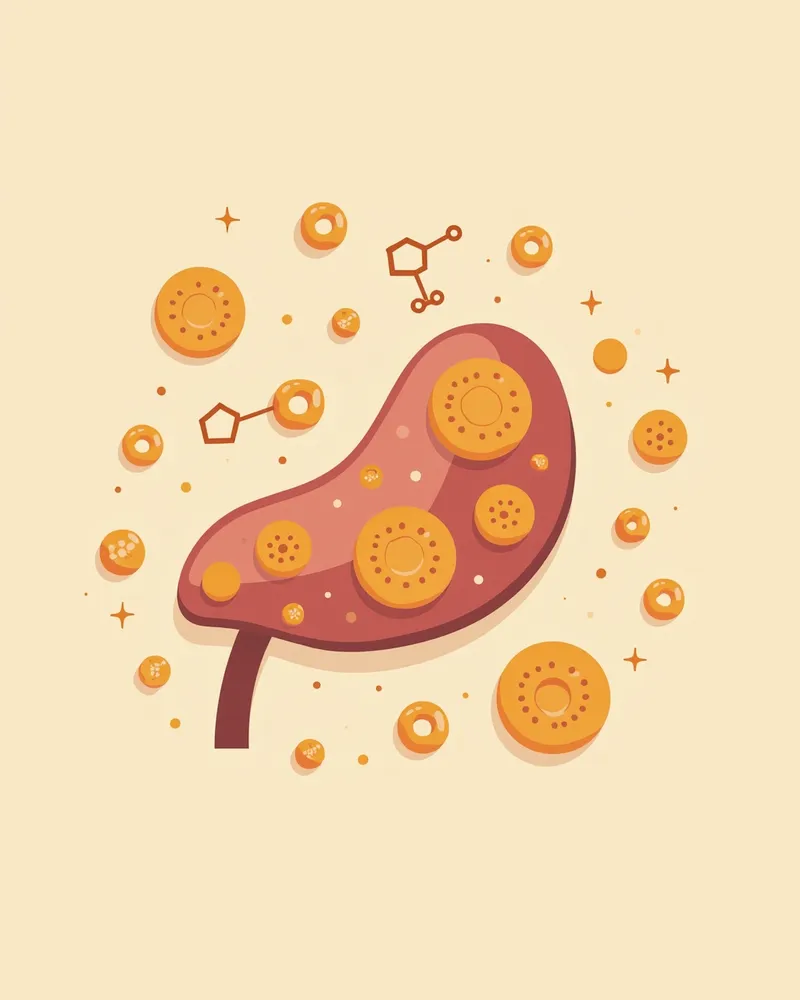
A diagram showing how oxidative stress and protective components interact in liver cells.

Symptoms That May Occur When Taking Liver Protectants
Cats with liver disease or those taking hepatoprotective medications may exhibit a variety of signs. Key symptoms include loss of appetite, vomiting, jaundice, drooling, lethargy, and decreased activity. Because these signs can reflect impaired liver function, you should consult your veterinarian if they persist.
Loss of appetite: Reduced liver function commonly leads to anorexia and weakness.
Recurrent vomiting: Gastrointestinal symptoms such as nausea and vomiting may accompany liver and biliary tract diseases.
Jaundice: This symptom, characterized by yellowing of the eyes, gums, and skin, is associated with elevated bilirubin levels.
Drooling (ptyalism): This is a common sign in cats with hepatic encephalopathy.
Lethargy and decreased activity: Due to low energy, cats may spend more time resting in one spot.
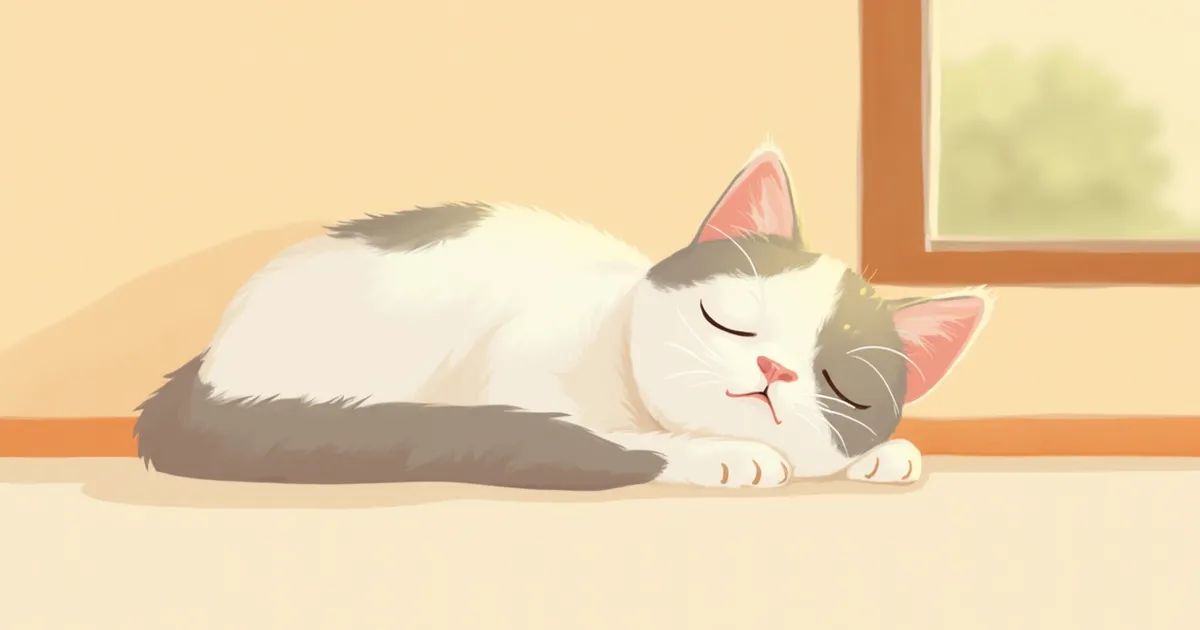
An image of a cat with jaundice symptoms, focusing on the face area.

Signs Requiring Immediate Veterinary Visit

If your cat experiences severe vomiting, bloody stools, decreased consciousness, or difficulty breathing after taking a liver protectant, seek veterinary care immediately. These symptoms may indicate a rapid deterioration of liver function or an adverse drug reaction, making prompt diagnosis and treatment essential.

Diagnostic Methods When Taking Liver Protectants

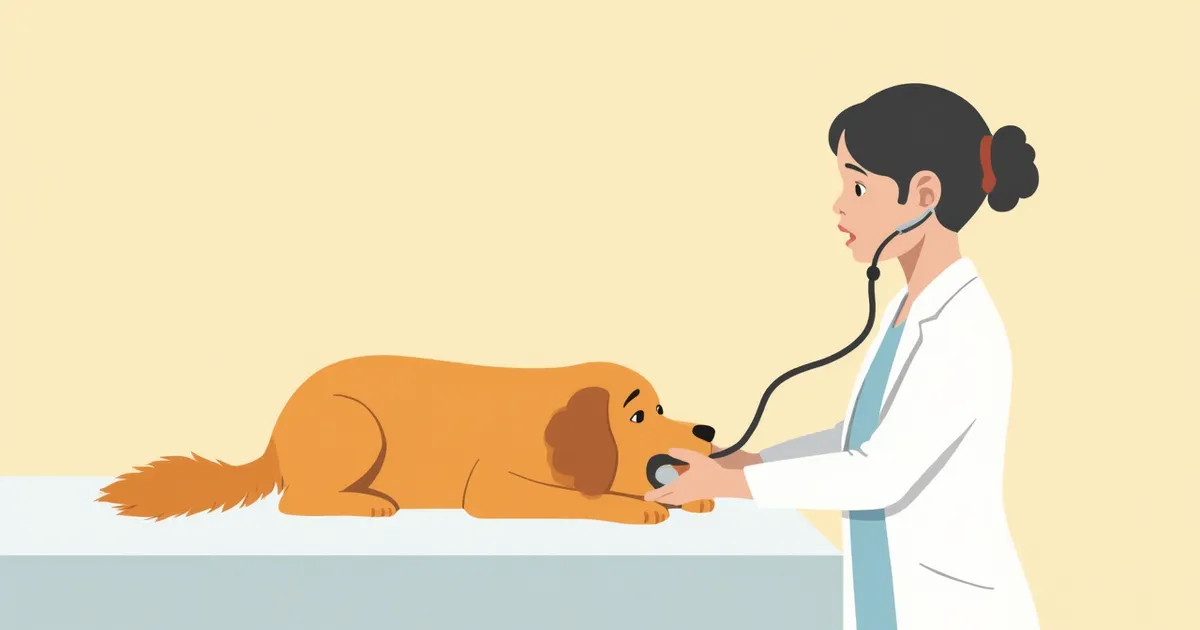
An accurate diagnosis is essential to determine whether liver protectants are needed and to assess liver health. Blood tests are used to measure liver enzymes, specifically ALT and AST. ALT is a key indicator of hepatocyte damage. Total bile acid and bilirubin levels are critical for evaluating liver function impairment and detecting jaundice. Abdominal ultrasound is the most useful tool for visually assessing liver size, structural changes, and abnormal lesions. In some cases, a liver biopsy may be performed to confirm the diagnosis. Veterinarians will repeat tests before and after treatment to monitor efficacy, and use regular check-ups to track liver status and adjust the treatment plan accordingly.
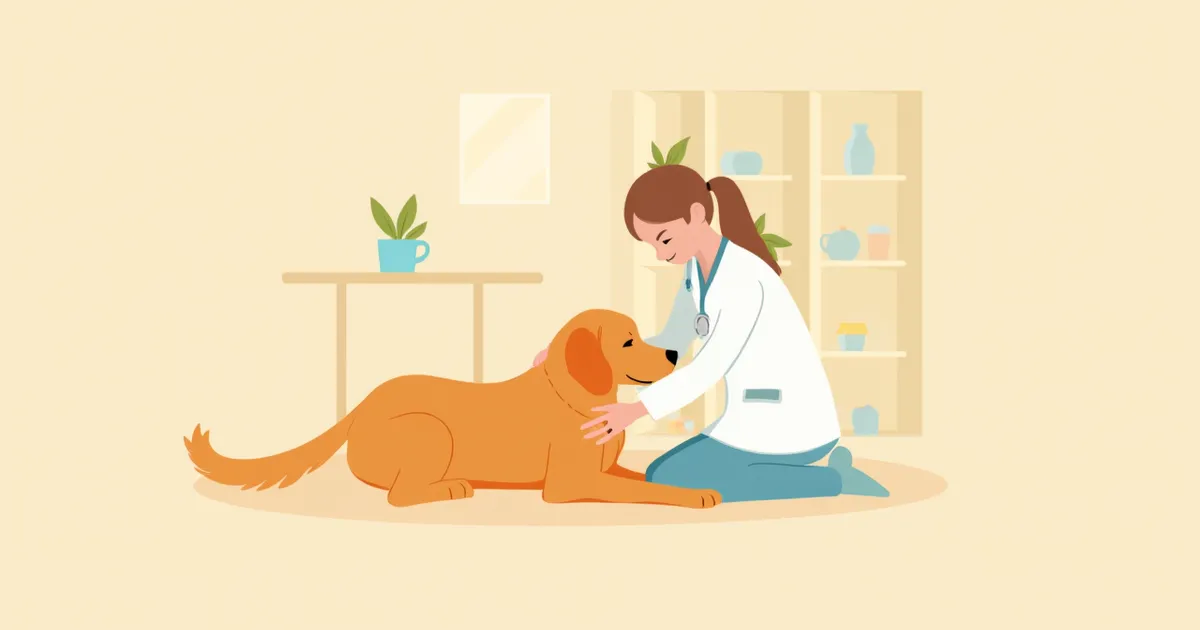
An image of a veterinarian reviewing liver function test results.

Step-by-Step Guide to Treatment and Administration
It’s best to administer liver protectants under a veterinarian’s guidance, progressing step by step. SAMe is typically given once daily at a dose of 20 mg per kilogram of body weight, with your veterinarian determining the exact dosage based on your pet’s weight and condition. Follow the product instructions and your veterinarian’s directions for timing and administration. Enteric-coated tablets should be swallowed whole, as crushing or breaking them can reduce absorption (bioavailability).
Initial phase: Start with the dosage prescribed by your veterinarian to monitor your pet’s response and check for any side effects.
Maintenance phase: Continue administering the medication consistently, adjusted to your pet’s condition.
Long-term management: Regular check-ups will help assess whether the treatment remains effective.
Discontinuation: Do not stop the medication abruptly; consult your veterinarian first.
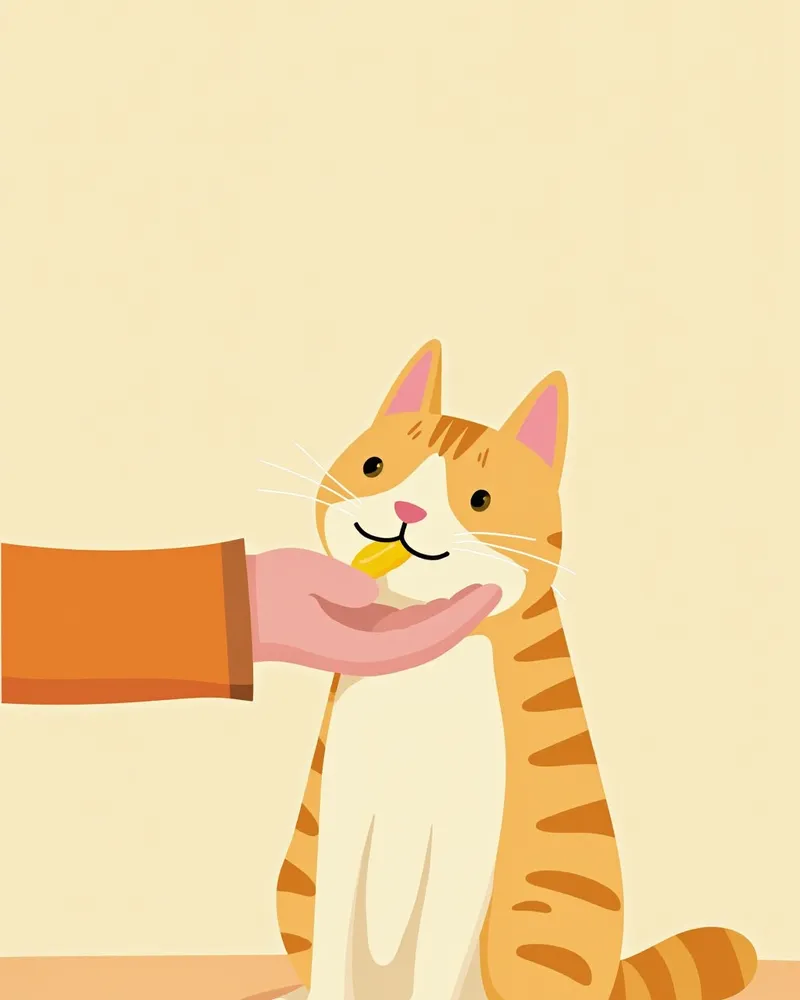
A cat taking a liver protectant from the veterinarian's hand.

Home Care and Management Points

While your pet is taking liver protectants, proper nutrition and stress management are essential. Adequate calories and protein support recovery from liver disease, especially fatty liver, but the specific diet should be determined in consultation with your veterinarian. Offer fresh water frequently, and monitor appetite and elimination patterns to detect any abnormalities early.
Adequate nutrition: Refusing food can worsen the condition, so ensure your pet receives appropriate calories and protein.
Hydration: Prevent dehydration and help maintain overall well-being.
Environmental stability: Minimize stress to support the recovery of liver function.
Monitoring progress: Keep a record of changes in appetite, activity level, and elimination to share with your veterinarian.
A cat drinking water

Breed-Specific Precautions and Prevention of Recurrence

Cats that are overweight, have a poor appetite, or suffer from gastrointestinal diseases, pancreatitis, or cholangitis may be at higher risk for liver diseases, including fatty liver disease. It is important for these cats to undergo regular liver function tests. Additionally, any medications should only be given under the guidance of a veterinarian, and stopping them on your own should be avoided.

Reviewed by a veterinarian

Dr. Tony — Punnawat Phongkittirak

Dr. Tony — Punnawat Phongkittirak

Veterinarian

A veterinarian who majored in veterinary medicine at Khon Kaen University, Thailand, and completed the IVSA program at North Carolina State University in the United States. Drawing on clinical experience at animal hospitals, he works in the pet healthcare field and is dedicated to building a digital care environment that connects pet parents with veterinarians.

Frequently Asked Questions

When should I start giving my cat a liver supplement?
If liver dysfunction is suspected or recommended by your veterinarian, it is best to begin treatment early. Early intervention can significantly support recovery.
Is it safe to take SAMe and milk thistle together?
Yes, the two ingredients complement each other, so they are generally safe to take together. However, they should only be administered under a veterinarian’s guidance.
What should I do if my pet vomits after taking a liver protectant?
While this may be a temporary reaction, if it persists, the dosage or timing of administration may need to be adjusted. Please consult your veterinarian.
Is it safe to take liver protectants long-term?
While long-term use is often possible, it's important to regularly monitor both the effectiveness and any potential side effects through routine check-ups. Work closely with your veterinarian to manage your pet's treatment.
My cat won’t take its liver supplement. What should I do?
You can try mixing the capsule with food or switching to a pet-friendly medication formulation. Ask your veterinarian for product recommendations.

Share

Related Guides

References

[1] The Cat, Clinical Medicine and Management, 2nd Edition, 2020

[2] Applied Veterinary Clinical Nutrition, 2nd Ed, 2019

[3] Small Animal Critical Care Medicine, 3rd Ed, 2021

This information is based on veterinary literature and does not replace diagnosis or treatment. Please consult a veterinarian for specific health concerns.

Metapet Co., Ltd. | CEO: Park Sung-yong | Business Reg. No. 417-88-02562 | Seoul, South Korea | Customer Center

When to Use Feline Liver Protectants: SAMe & Milk Thistle | Meongsiljang