Like
Share
멍실장
강아지·고양이 설치류약(쥐약) 중독 증상과 대처법

Symptoms and Response to Rodenticide (Rat Poison) Poisoning in Dogs and Cats

ImmunityDiseasesMeongsiljang Veterinary Advisory Board

This guide outlines the causes, symptoms, emergency response steps, and treatment processes for rodenticide poisoning in pets, organized by type of rodenticide.

What Is Rodenticide (Rat Poison) Poisoning?

A curious puppy exploring near the rat poison left in the yard
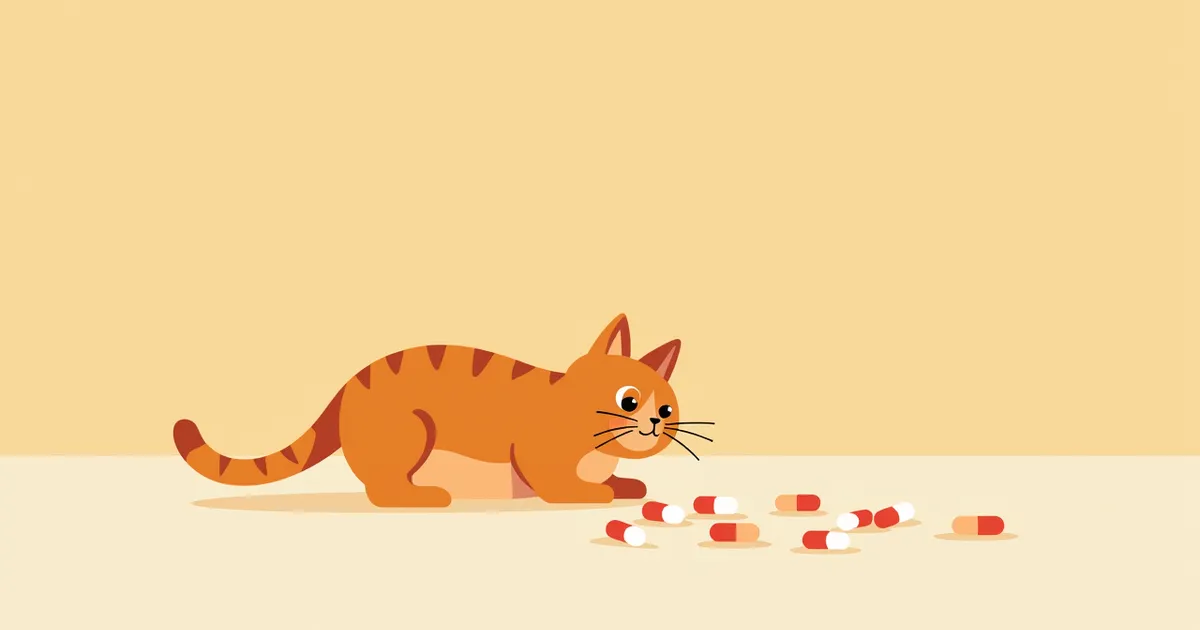
Rodenticide (rat poison) poisoning is an acute toxic condition that occurs when pets ingest rodenticides designed to kill rats. The most important thing is to get to a veterinary clinic as soon as possible after ingestion. Treatment varies significantly depending on the type of rodenticide, so be sure to bring the product packaging or a photo of it. Most cases of rodenticide poisoning can be resolved with prompt treatment.

Types of Rat Poison and Causes of Poisoning

The effects of rat poison on your pet’s body vary significantly depending on its active ingredients. Here’s a breakdown of the most common types:
Anticoagulant rodenticides: These contain ingredients that prevent blood from clotting, leading to internal bleeding. They work by inhibiting the vitamin K epoxide reductase enzyme, which blocks the reactivation of vitamin K1. This, in turn, interferes with the carboxylation of clotting factors (II, VII, IX, and X) necessary for blood coagulation. This is the most commonly reported type of rat poison poisoning in dogs and cats.
Bromethalin: This ingredient affects the central nervous system and can cause neurological symptoms such as ataxia (stumbling or loss of coordination), central nervous system depression, and lethargy. Unlike anticoagulant rodenticides, bromethalin poisoning primarily presents with neurological signs rather than bleeding.
Cholecalciferol: This is another type of rat poison ingredient, classified as a vitamin D3 derivative. Its mechanism of action and treatment approach differ from those of anticoagulant rodenticides, making it crucial to identify the specific ingredient ingested.
Zinc phosphide: This ingredient has a different mode of action compared to the types mentioned above. Accurate identification of the ingredient and prompt veterinary care are essential.

Comparison of Rat Poison Types

ItemAnticoagulant rodenticideBromethalinCholecalciferolZinc phosphide
Mechanism of actionBlocks blood clottingActs on the central nervous systemMechanism different from anticoagulantsMechanism different from anticoagulants
Timing of symptom onset2–3 days (48–72 hours)Varies by agent and doseVaries by agent and doseVaries by agent and dose
Main symptomsBleeding, pale gumsStaggering, lethargy, CNS depressionVaries by agentVaries by agent
AntidoteVitamin K1None (supportive care)None (supportive care)None (supportive care)
Treatment duration1–4 weeks (varies by type)Supportive care (mild cases 3–7 days)Varies by individual and agentVaries by individual and agent

A general course based on veterinary toxicology textbooks; for agents other than anticoagulants, the onset time and treatment duration are difficult to state definitively from the available evidence, and actual symptoms and course may vary by individual

Checklist of Major Symptoms of Rat Poison Poisoning

Symptoms of rat poison poisoning vary depending on the active ingredient, but if you notice any of the following signs, you should suspect poisoning.
Lethargy and weakness: Your pet’s activity level drops suddenly, and they seem reluctant to move.
Pale gums and tongue: If your pet’s gums turn from pink to pale, it may signal internal bleeding.
Nosebleeds, blood in urine, or blood in stool: Unexplained bleeding may occur in various parts of the body.
Staggering and central nervous system depression: If your pet ingests neurotoxic rat poisons like bromethalin, they may exhibit neurological symptoms such as ataxia (staggering) or weakness.
Vomiting and diarrhea: These symptoms may occur in some cases of rat poison poisoning.
Excessive drinking and increased urination: These symptoms may also appear in certain types of rat poison poisoning.
A veterinarian gently examining a lethargic puppy.

Go to the Veterinary Clinic Immediately in These Situations

If you’ve confirmed your pet ingested rat poison, or if you notice symptoms such as bleeding, seizures, or severe vomiting, go to an emergency veterinary clinic immediately. Symptoms of anticoagulant rodenticides typically appear within 2–3 days (48–72 hours) after ingestion, so even if no symptoms are present, seek veterinary care right away if you witnessed the ingestion. Be sure to bring the rat poison packaging or any remaining product with you to the clinic.

Diagnostic Process at the Veterinary Clinic

At the veterinary clinic, the specific tests performed depend on the type of rat poison involved.
Coagulation tests: If anticoagulant rodenticide is suspected, we check whether the blood clots normally by measuring the prothrombin time (PT) and other parameters. Since results may appear normal immediately after ingestion, a follow-up test 48 to 72 hours later may be necessary.
Blood chemistry tests: These assess kidney function and the overall status of internal organs to evaluate for damage caused by bleeding or other toxic components.
Neurological examination: If the pet shows signs of ataxia (staggering), gait abnormalities, or central nervous system depression, we suspect neurotoxicity from substances like bromethalin and evaluate neurological responses.
Having the packaging information from the rat poison can significantly speed up the diagnostic process.

Treatment Methods by Type of Rat Poison

Treatment varies significantly depending on the type of rat poison involved.
Anticoagulant rodenticides: The cornerstone of treatment is vitamin K1 administration. Your veterinarian will determine the dosing schedule based on your pet’s weight and the severity of poisoning. First-generation anticoagulant rodenticides typically require consistent treatment for 1–2 weeks, while second-generation types (such as brodifacoum and bromadiolone) usually need 3–4 weeks of continuous therapy. After completing the course, blood clotting levels (prothrombin time, PT) are rechecked; if clotting times remain prolonged, your veterinarian may extend the treatment duration as needed.
Bromethalin: Since there is no specific antidote, it is crucial to induce vomiting immediately after ingestion and administer an adsorbent (activated charcoal) to minimize absorption, followed by supportive care tailored to the symptoms.
Cholecalciferol: Treatment differs from that for anticoagulant or neurotoxic rodenticides. Once the specific ingested ingredient is identified, your veterinarian will determine the appropriate course of action, which typically involves supportive care such as intravenous fluids and close monitoring.
Regardless of the type, your veterinarian’s assessment is paramount. Please do not attempt to induce vomiting on your own, as this can be dangerous.
A puppy receiving intravenous fluid therapy at a veterinary clinic

Home Care Points After Treatment

Proper home care after treatment plays a crucial role in your pet’s recovery.
Strictly follow the medication schedule: When treating anticoagulant rodenticide poisoning, vitamin K1 must be administered exactly as prescribed by your veterinarian for the full duration. Stopping the medication prematurely can cause bleeding to recur.
Limit physical activity: Vigorous exercise or play during the treatment period can increase the risk of bleeding. Keep your pet in a quiet, calm environment to ensure proper rest.
Attend follow-up examinations: A blood coagulation test must be repeated 48 to 72 hours after completing the medication course. The medication can only be fully discontinued once the test results return to normal.
Dietary management: Vitamin K1 is better absorbed when taken with fat. Administer it alongside your pet’s regular food.
A puppy resting comfortably at home and recovering.

Secondary Poisoning and Prevention Guidelines

Prevention is the best approach when it comes to rat poison poisoning. Keep any rat poison placed inside or outside your home completely out of reach of pets, or avoid using it altogether if you have pets. Be cautious during walks to prevent your pet from picking up and ingesting rat poison left along the roadside. Cats, in particular, can suffer from secondary poisoning by hunting and eating mice that have consumed rat poison, so extra care is needed for cats that go outdoors.

Reviewed by a veterinarian

Dr. Tony — Punnawat Phongkittirak

Dr. Tony — Punnawat Phongkittirak

Veterinarian

A veterinarian who majored in veterinary medicine at Khon Kaen University, Thailand, and completed the IVSA program at North Carolina State University in the United States. Drawing on clinical experience at animal hospitals, he works in the pet healthcare field and is dedicated to building a digital care environment that connects pet parents with veterinarians.

Frequently Asked Questions

It’s been a while since my pet ingested rat poison, but there are no symptoms. Is that a good sign?
Symptoms of anticoagulant rodenticide poisoning typically appear within 2 to 3 days (48 to 72 hours) after ingestion. Even if no symptoms are present, it is essential to visit a veterinary clinic for testing.
Is it safe to induce vomiting at home using salt water?
Inducing vomiting on your own can actually be dangerous. Especially if your pet is disoriented or having seizures, vomit could enter the airway. Always follow your veterinarian’s instructions.
Can cats get poisoned by rat poison?
Yes, cats can become poisoned by directly ingesting rat poison or by hunting and eating rats that have consumed it. This is known as secondary poisoning, so extra caution is especially important for cats that spend a lot of time outdoors.
How long does vitamin K1 treatment take?
Treatment duration depends on the type of rat poison. For first-generation anticoagulant rodenticides, vitamin K1 is typically administered for one to two weeks, whereas for second-generation products (such as brodifacoum and bromadiolone), treatment usually lasts three to four weeks. Your veterinarian will determine when to stop the medication based on blood test results, so please do not discontinue treatment on your own.
Is treatment difficult if you don't know the type of rat poison?
Knowing the type of rat poison can help quickly determine the treatment approach. Even if you’re unsure, your veterinarian can make an informed decision by combining blood test results with clinical symptoms, but having the packaging or a photo of the product is extremely helpful.

Share

Related Guides

References

[1] Hovda L.R. et al., Blackwell's Five-Minute Veterinary Consult Clinical Companion: Small Animal Toxicology, 3rd Edition, Wiley-Blackwell

[2] Schaer M., Clinical Medicine of the Dog and Cat, 4th Edition, CRC Press

[3] Plumb D.C., Plumb's Veterinary Drug Handbook, 10th Edition, Wiley-Blackwell

[4] Drobatz K.J. et al., Feline Emergency and Critical Care Medicine, 2nd Edition, Wiley-Blackwell

This information is based on veterinary literature and does not replace diagnosis or treatment. Please consult a veterinarian for specific health concerns.

Metapet Co., Ltd. | CEO: Park Sung-yong | Business Reg. No. 417-88-02562 | Seoul, South Korea | Customer Center

Rodenticide (Rat Poison) Poisoning in Dogs & Cats | Meongsiljang