

Crusts on Your Cat’s Nose Bridge May Not Be a Simple Wound — Causes and Treatment Timing for Pemphigus
Feline pemphigus is an autoimmune skin disease in which the immune system mistakenly attacks the cat’s own skin cells. It causes crusts and blisters on the face, ears, and paw pads, and requires long-term immunosuppressive therapy.
What Is Feline Pemphigus?

Causes of Pemphigus
Key Symptoms Checklist
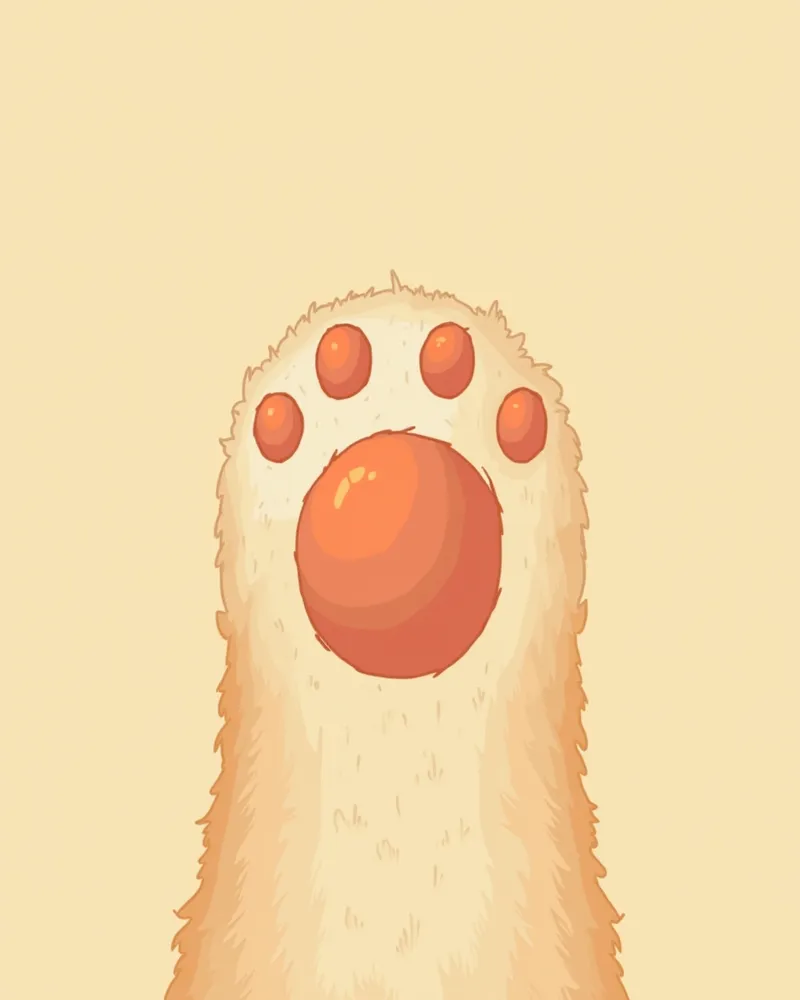
When to Visit the Veterinarian Immediately
If crusts spread rapidly across the face and body within one to two days, if pus drains from the lesions, or if your pet refuses to eat entirely, veterinary care is needed within 24 hours. As pemphigus progresses, lesions can spread systemically, accompanied by lethargy, decreased appetite, and fever. Additionally, secondary bacterial infections in damaged skin can cause rapid deterioration, so if you notice these signs, do not delay—seek veterinary attention immediately.
Diagnostic Methods — Skin Biopsy Is Key to Confirmation
Treatment Methods — Centered on Immunosuppressive Medications
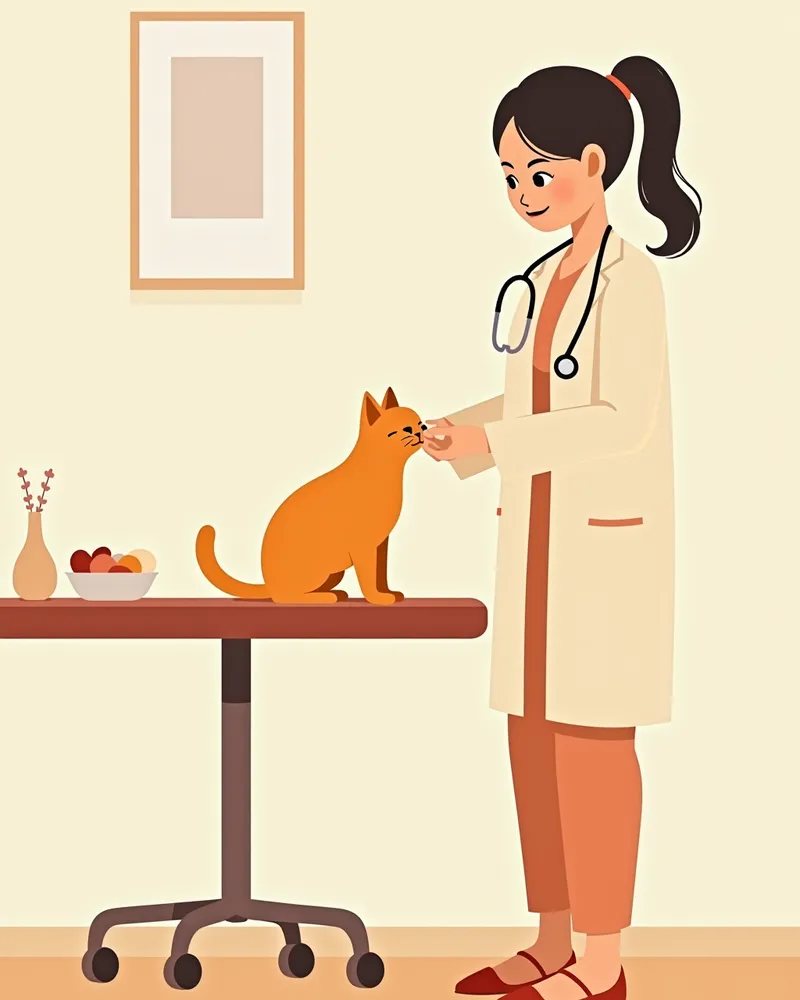
Home Care Points

Precautions for Long-Term Treatment
Long-term use of immunosuppressants such as steroids can lead to elevated blood sugar levels, diabetes, or increased susceptibility to secondary infections. Side effects may also include changes in appetite, vomiting, and added strain on liver or kidney function. Therefore, it is important to regularly monitor for these side effects and detect hidden infections, such as urinary tract infections, through routine blood and urine tests. Even after symptoms stabilize, the condition may recur, so do not stop medication without consulting your veterinarian, and continue consistent monitoring under their guidance.
Reviewed by a veterinarian

Dr. Tony — Punnawat Phongkittirak
VeterinarianA veterinarian who majored in veterinary medicine at Khon Kaen University, Thailand, and completed the IVSA program at North Carolina State University in the United States. Drawing on clinical experience at animal hospitals, he works in the pet healthcare field and is dedicated to building a digital care environment that connects pet parents with veterinarians.
Reviewed 2026-06-01
Frequently Asked Questions
Can feline pemphigus be transmitted to humans?
Can pemphigus be completely cured?
How long does the treatment take?
How can you tell the difference between pemphigus and ringworm?
What side effects can occur from long-term use of steroids?
Share
Related Guides

Top 5 Medicated Dog Shampoos — For Pyoderma and Bacterial Infections

Veterinarian-Recommended Top 5 Medicated Shampoos for Canine Yeast Dermatitis — Relieves Itching and Greasiness

Top 5 Supplements for Feline Atopic Dermatitis and Allergies — Immune Modulation
Comprehensive Guide to Symptoms, Causes, Diagnosis, Treatment, and Management for a Puppy’s First Vet Visit

Dog Dry vs Wet vs Raw Food Selection: Symptoms, Causes, Diagnosis, Treatment, and Management Points Summary

Complete Guide to Canine Dental Preventive Care: Symptoms, Causes, Diagnosis, Treatment, and Management Points

Comprehensive Guide to Breed-Specific Exercise Recommendations for Dogs: Symptoms, Causes, Diagnosis, Treatment, and Management
Comprehensive Guide to Managing Cats During Winter Cold Snaps: Hypothermia Prevention, Symptoms, Causes, Diagnosis, Treatment, and Care Points

Feline Spaying and Neutering: Pros and Cons, Symptoms and Causes, Diagnosis, Treatment, and Management Tips
Complete Guide to Feline Rabies Vaccination: Symptoms, Causes, Diagnosis, Treatment, and Management
References
[1] Scott DW, Miller WH, Griffin CE. Muller and Kirk's Small Animal Dermatology, 7th ed. St. Louis: Saunders Elsevier; 2013. Chapter 8: Autoimmune and Immune-Mediated Dermatoses.
[2] Olivry T. A review of autoimmune skin diseases in domestic animals: I – superficial pemphigus. Vet Dermatol. 2006;17(5):291–305.
[3] Gross TL, Ihrke PJ, Walder EJ, Affolter VK. Skin Diseases of the Dog and Cat: Clinical and Histopathologic Diagnosis, 2nd ed. Oxford: Blackwell Science; 2005.
[4] Noli C, Toma S. Dermatology for the Small Animal Practitioner. Jackson, WY: Teton NewMedia; 2004.