
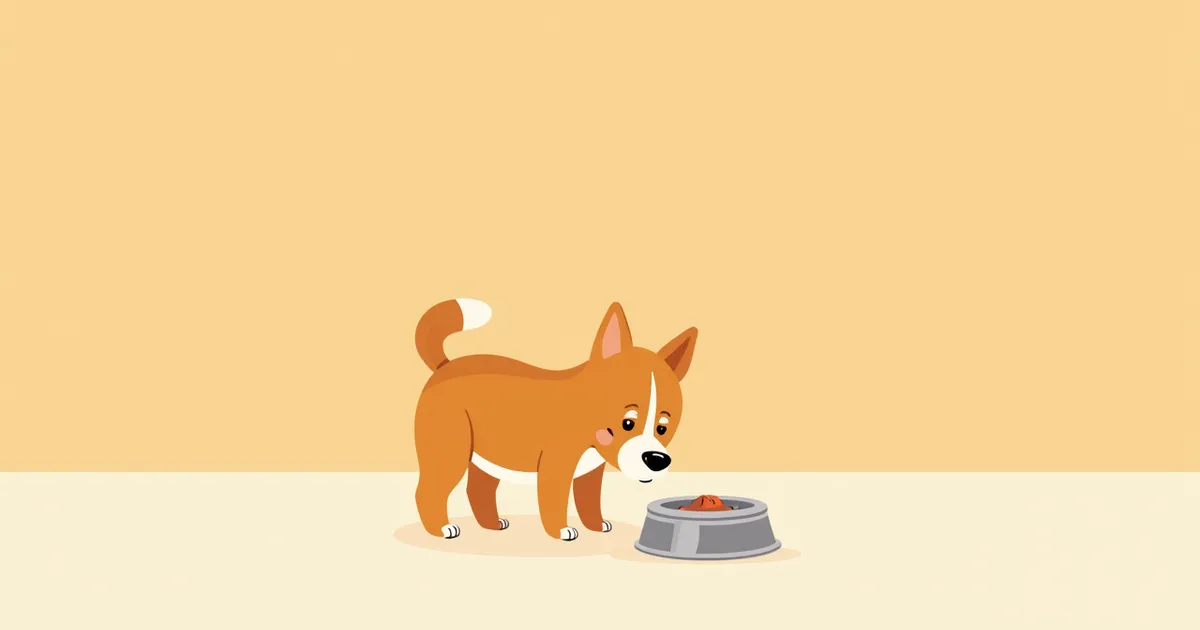
If Your Dog Growls at Its Food Bowl — Causes of Food Resource Guarding and Behavior Modification
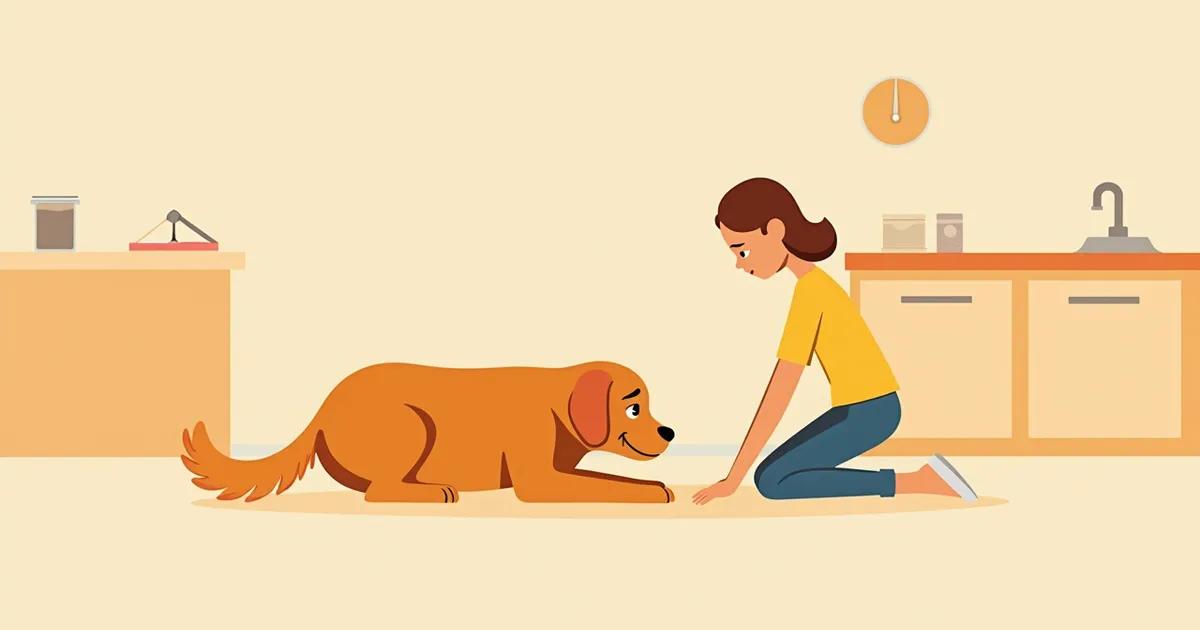
If your dog growls, bares its teeth, or bites around its food bowl or treats, it’s showing food-guarding behavior. Here’s a clear overview of the symptom stages, causes, desensitization training methods, and key home-care tips.
What Is Food Resource Guarding Behavior in Dogs?
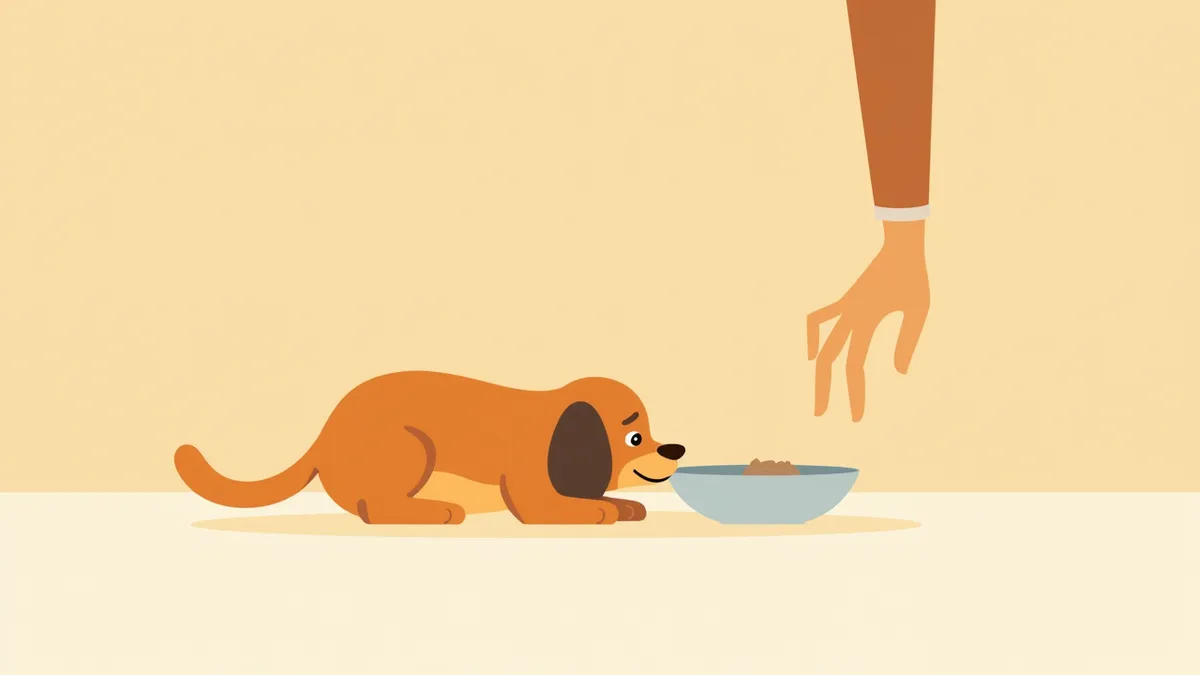
Why Does This Behavior Occur? — Causes
Stage-by-Stage Symptom Checklist
When to Immediately See a Veterinary Behavior Specialist
If you or your child have already been bitten, if the dog bites without any warning signs, or if resource-guarding behavior has spread to items other than food—such as toys, resting spots, or people—a professional assessment is essential to ensure safety at home.
How Is It Diagnosed?
Treatment — Desensitization Training and Counter-Conditioning
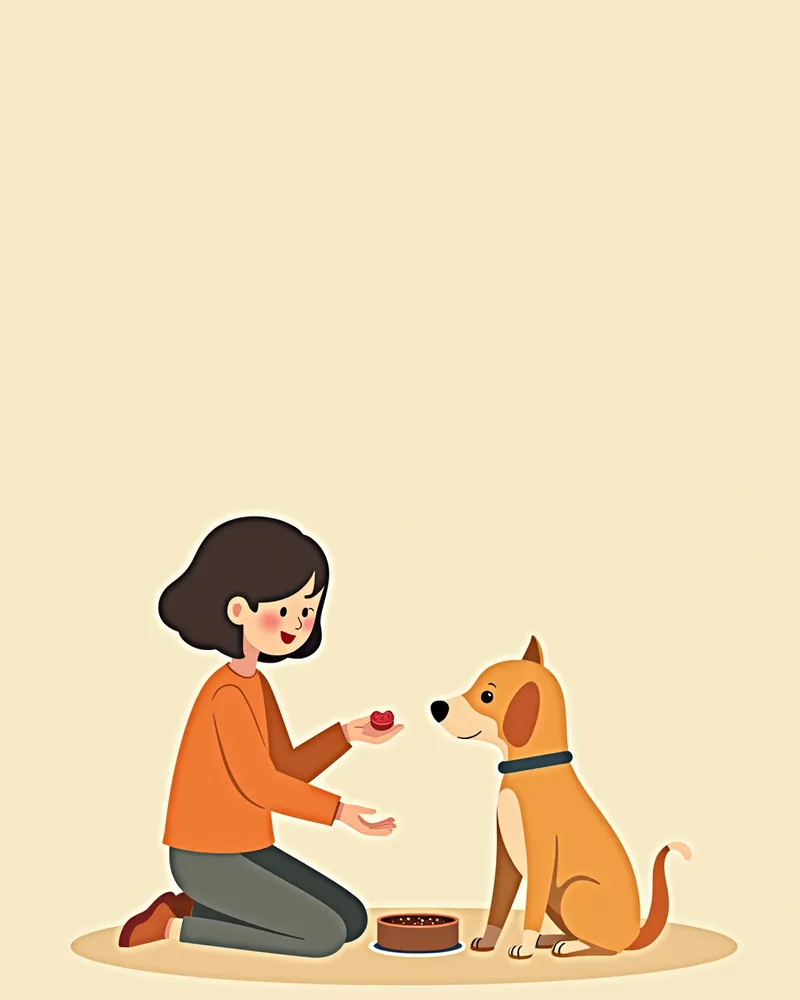
Management Tips You Can Practice at Home
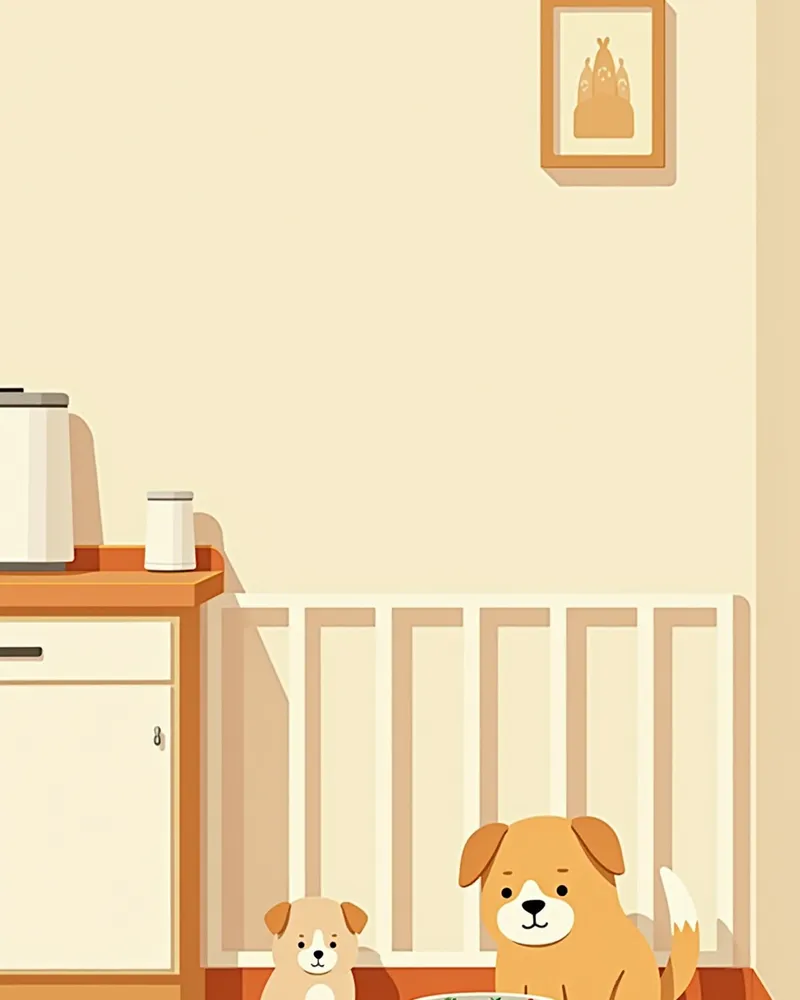
Breeds Prone to Resource Guarding Should Start Preventive Training Early
There is limited evidence to definitively claim that certain breeds are more prone to food resource guarding, as individual dogs can exhibit varying levels of guarding behavior even within the same environment. Therefore, regardless of breed, it is safest to avoid practices that may foster fear or anxiety—such as snatching away the food bowl during meals or feeding pieces by hand—and instead consistently apply positive reinforcement-based preventive training, such as trading for a higher-value treat. If guarding behavior begins to emerge, the most important step is to assess the underlying motivation and root causes rather than resorting to punishment.
Reviewed by a veterinarian

Dr. Tony — Punnawat Phongkittirak
VeterinarianA veterinarian who majored in veterinary medicine at Khon Kaen University, Thailand, and completed the IVSA program at North Carolina State University in the United States. Drawing on clinical experience at animal hospitals, he works in the pet healthcare field and is dedicated to building a digital care environment that connects pet parents with veterinarians.
Reviewed 2026-06-01
Frequently Asked Questions
Can resource guarding behavior be completely corrected through training?
Shouldn't we forcibly take the food away to teach the dog that "the owner is dominant"?
We have kids at home. How should we manage things?
I have multiple pets, and they fight over food. What should I do?
When should you consult a veterinary behavior specialist?
Share
Related Guides
7 Behavioral Enrichment Strategies for Mental Stimulation Recommended by Veterinarians
Top 5 Calming Supplements for Dogs and Cats in 2026

L-Theanine Effects and Calming Support
If Your Cat Is Constantly Seeking Water — Signs of Salt Toxicity and Emergency Response
Did My Dog Eat Too Much Salt? — From Poisoning Warning Signs to First Aid and Prevention
If Your Cat Ate Aloe — A Complete Guide to Poisoning Symptoms, Emergency Care, and Prevention
If Your Dog Ate Aloe Vera — From Poisoning Symptoms to Emergency Treatment and Prevention
My Cat Ingested an Antidepressant — Poisoning Symptoms, Dangerous Ingestion Amounts, and the Emergency Response Golden Window
If Your Cat Is Staggering — Cannabis Intoxication Symptoms and Emergency Response Timing
Did My Dog Ingest Cannabis? — From Poisoning Warning Signs to Emergency Treatment and Prevention
References
[1] Overall KL. Manual of Clinical Behavioral Medicine for Dogs and Cats. Elsevier Mosby, 2013. Chapter 7: Aggression.
[2] Herron ME, Shofer FS, Reisner IR. Survey of the use and outcome of confrontational and non-confrontational training methods in client-owned dogs showing undesired behaviors. Applied Animal Behaviour Science, 2009.
[3] Howell TJ, King T, Bennett PC. Veterinary Guide to Preventing Behavior Problems in Dogs and Cats. Wiley-Blackwell, 2017. Chapter: Feeding and Resource Management.
[4] Introduction to Animal Behavior and Veterinary Behavioral Medicine. Chapter 5: Resource Guarding and Conflict-Related Aggression.
[5] Landsberg G, Hunthausen W, Ackerman L. Behavior Problems of the Dog and Cat. 3rd ed. Saunders Elsevier, 2013.