Like
Share
멍실장
고양이 고인산혈증·인 결합제 증상과 원인, 진단·치료와 관리 포인트 총정리

If Your Cat’s Phosphorus Levels Are High — Key Points for Managing Hyperphosphatemia and Phosphate Binders

KidneyDiseasesMeongsiljang Veterinary Advisory Board

Feline hyperphosphatemia is a condition in which phosphorus levels rise in cats with chronic kidney disease, and phosphate binders are the mainstay of treatment. Early detection and management are crucial for preserving kidney function.

Feline Hyperphosphatemia Is a Condition in Which Phosphorus Levels Rise Due to Chronic Kidney Disease

An enlarged image of a cat’s kidney, showing phosphorus molecules in the blood
Feline hyperphosphatemia is a condition in which blood phosphorus levels rise due to impaired phosphorus excretion caused by declining kidney function. The most common mechanism in cats is reduced phosphorus excretion through the kidneys. Because hyperphosphatemia is known to be associated with the progression of chronic kidney disease, early detection and consistent management are essential. - Serum phosphorus levels: Hyperphosphatemia is suspected when phosphorus concentrations exceed the normal reference range. In cats with chronic kidney disease, target phosphorus levels vary according to the IRIS stage (e.g., Stage 2: 2.5–4.5 mg/dL; Stage 3: 2.5–5.0 mg/dL; Stage 4: 2.5–6.0 mg/dL). - Declining kidney function: As the kidneys’ ability to excrete phosphorus diminishes, phosphorus tends to accumulate in the body. - Role of phosphate binders: These agents bind to dietary phosphorus in the gastrointestinal tract, reducing its absorption and helping to lower blood phosphorus levels. - Importance of early management: Evidence suggests that outcomes improve when progressive factors, including hyperphosphatemia, are identified and managed early. Regular check-ups and appropriate treatment are key to supporting your cat’s health.

The Main Causes of Hyperphosphatemia Are Chronic Kidney Disease and Dietary Phosphorus Excess
Hyperphosphatemia in cats is most commonly caused by chronic kidney disease, as impaired renal phosphate excretion leads to its accumulation in the blood. The primary mechanism is reduced phosphate clearance through the kidneys. Other potential causes include post-renal factors such as urinary tract obstruction, as well as hypoparathyroidism, hyperthyroidism, and acromegaly. - Chronic kidney disease: Damage to kidney cells reduces the ability to excrete phosphate. - Other causes: Post-renal factors like urinary tract obstruction, along with disorders of the parathyroid, thyroid, and pituitary glands, can also elevate phosphate levels. - Dietary phosphate management: For cats with chronic kidney disease, dietary phosphate restriction is a key component of treatment. Veterinarians adjust low-phosphate diets and phosphate binders based on kidney function. - Preventive approach: Early dietary management helps preserve kidney function. - Regular check-ups: Blood tests at intervals recommended by your veterinarian are essential for detecting changes in phosphate levels early.
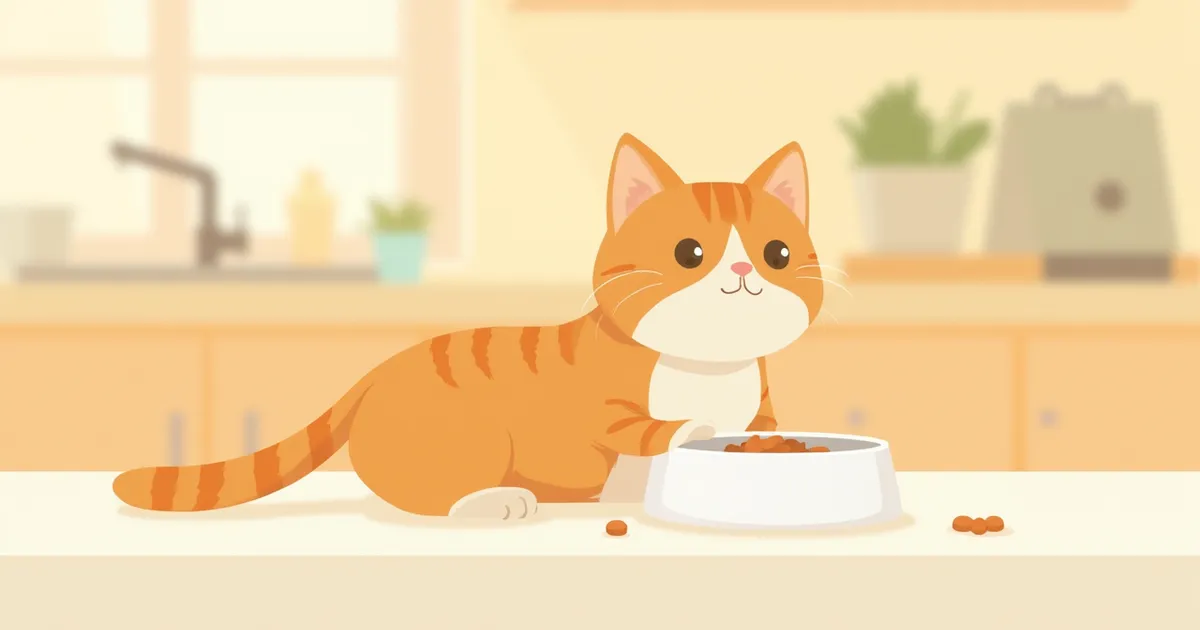
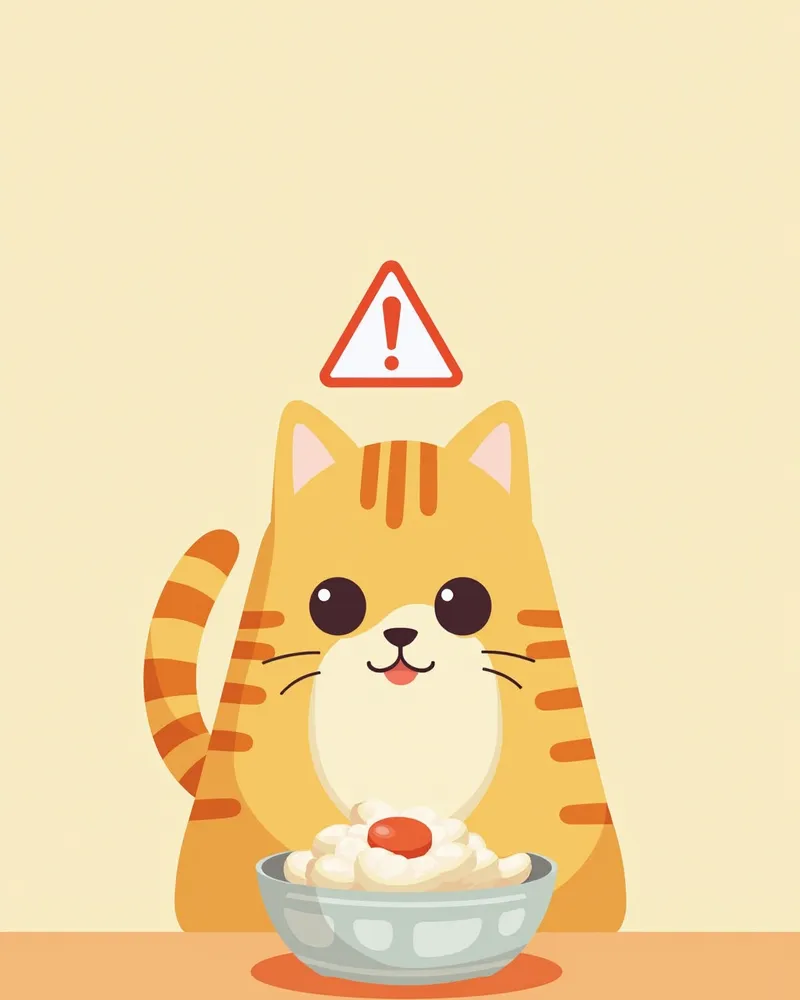
A cat eating food high in phosphorus, with a warning sign present.

Main Symptoms Include Loss of Appetite, Weight Loss, Pollakiuria (Frequent Urination), and Vomiting

Feline hyperphosphatemia may show few or no symptoms in its early stages, but clear signs emerge as the condition progresses. - Loss of appetite: Your cat may lose interest in food and eat less. A decreased appetite can signal that the condition has worsened. - Weight loss: Body weight declines, often accompanied by a loss of muscle mass. - Polydipsia and polyuria: Because the kidneys can no longer concentrate urine effectively, your cat will drink more water and produce larger volumes of urine more frequently. - Vomiting: As kidney function deteriorates, vomiting becomes more frequent and, if severe, can lead to dehydration. - Lethargy: Your cat may become less active and appear weak or tired. - The importance of early detection: Regular check-ups to monitor blood values are essential, even before symptoms appear.
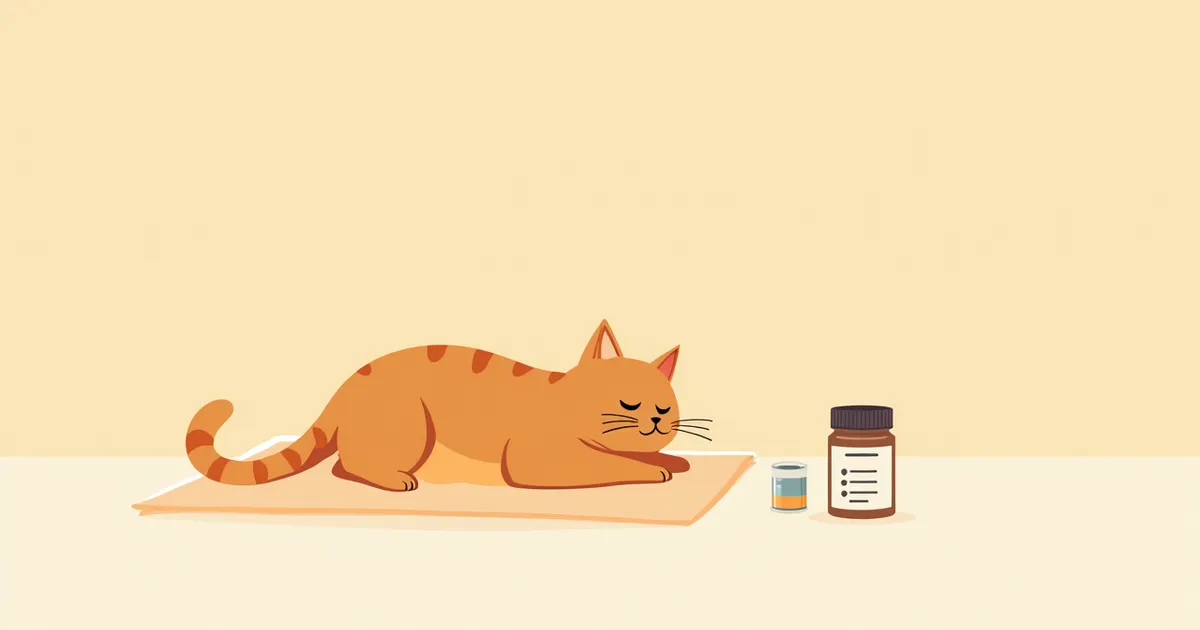
Your cat is sitting near the litter box with a tired expression.

Symptoms Requiring Immediate Veterinary Visit

If your cat refuses to eat all day, experiences severe vomiting, shows signs of dehydration (such as decreased skin elasticity and dry lips), or has blood in its urine, you should take it to the vet immediately. These symptoms indicate that hyperphosphatemia has led to severe kidney damage, and prompt treatment can be life-saving.

Diagnosis Is Confirmed Through Blood and Urine Tests

Feline hyperphosphatemia is diagnosed by checking serum phosphorus levels through blood tests. - Serum phosphorus levels: Hyperphosphatemia is diagnosed when phosphorus concentrations exceed the normal reference range. In cats with chronic kidney disease, management targets are set according to IRIS staging (Stage 2: 2.5–4.5 mg/dL, Stage 3: 2.5–5.0 mg/dL, Stage 4: 2.5–6.0 mg/dL). - Urinalysis: This evaluates kidney function by assessing for proteinuria and the urine’s concentrating ability. - Comprehensive blood analysis: Creatinine, BUN, and calcium levels are also monitored. - Importance of regular check-ups: Older cats should undergo routine blood and urine tests at intervals recommended by their veterinarian. - Veterinary decision-making: Treatment plans are determined by integrating multiple clinical indicators. - Value of early diagnosis: Monitoring phosphorus levels even in the absence of symptoms significantly helps preserve kidney function.
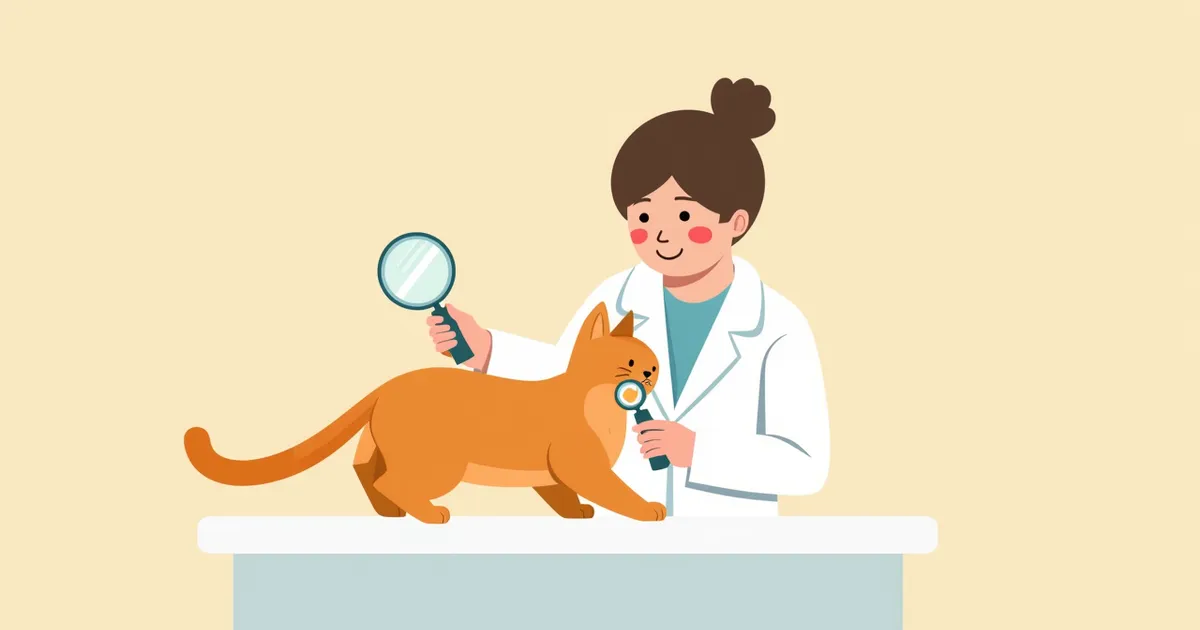
A veterinarian holding a blood sample, with an enlarged view of an insulin molecule.

Treatment Centers on Phosphate Binder Administration and Dietary Management
Treatment for hyperphosphatemia in cats involves administering phosphate binders and feeding a low-phosphorus diet. - How to administer phosphate binders: Give the medication with meals so it binds to the phosphorus in the food, allowing it to be excreted in the stool. - Dosage adjustment: Your veterinarian will determine the appropriate dose based on your cat’s weight and kidney function. - Choosing a low-phosphorus diet: Consistently provide food that is low in phosphorus content. - The importance of dietary management: Reducing phosphorus intake helps stabilize blood phosphorus levels. - Consistency in treatment: Regular administration and management help slow the decline of kidney function. - Regular check-ups: Monitor treatment effectiveness through blood tests every 1 to 3 months.
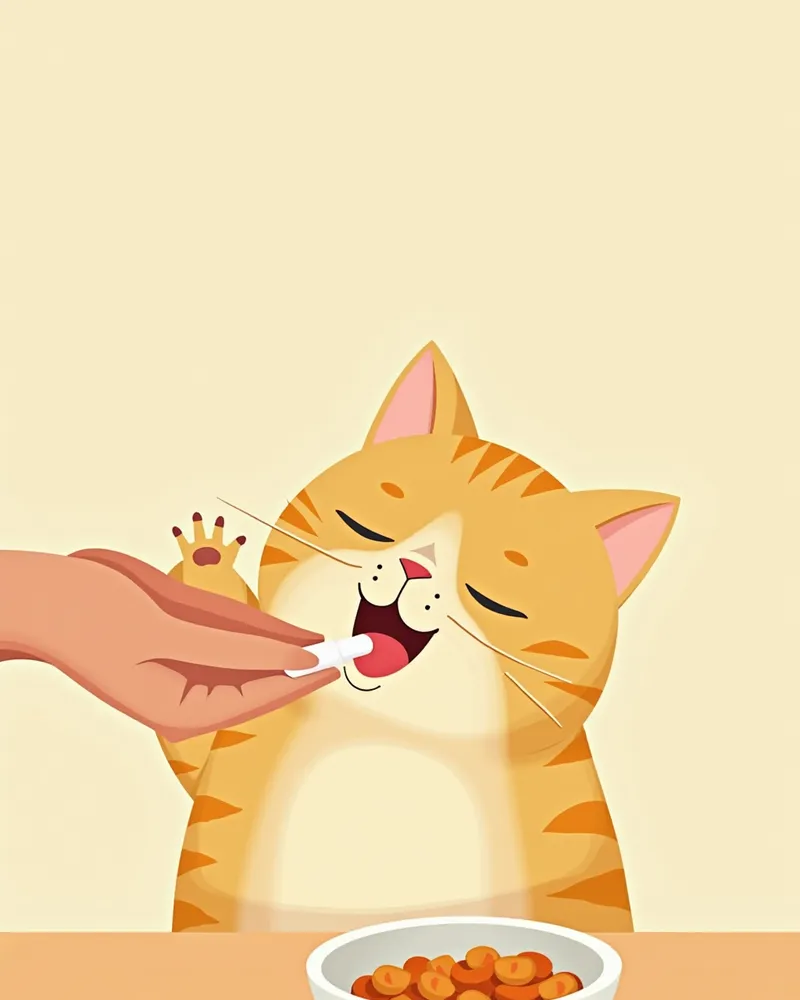
A cat eating a kidney binder prescribed by a veterinarian, with prescription food nearby.

Home Management Relies on Medication, Dietary Control, and Regular Check-ups

Managing hyperphosphatemia in cats hinges on three pillars: medication, dietary control, and regular check-ups. - Timing of medication: Phosphate binders must be given with (or immediately before) meals so they can bind to the phosphorus in the food and eliminate it through feces. - Choosing food: Consistently feed the low-phosphorus diet recommended by your veterinarian. - Treat management: Select treats with low phosphorus content and avoid overfeeding. - Regular check-ups: Monitor phosphorus levels and kidney function through blood tests at intervals set by your veterinarian. - Owner’s role: Keep a record of medication schedules and dietary changes to facilitate clear communication with your vet. - Lifestyle management: Ensure easy access to fresh water and minimize stress.
A calendar recording your cat’s care schedule, with medication and food placed nearby.

Breed-Specific Precautions: Persians, Black Persians, and Related Breeds Have a Higher Risk of Kidney Disease

Persian cats and their related breeds are genetically predisposed to polycystic kidney disease (PKD), a condition in which fluid-filled cysts develop in the kidneys and can ultimately lead to kidney failure. This disease can be identified through genetic testing, so it’s advisable to confirm whether such testing has been performed before bringing home a kitten. As the condition progresses to chronic kidney disease, it may be accompanied by hyperphosphatemia, necessitating the use of phosphate binders and dietary management. Therefore, pet owners should prioritize early intervention through regular veterinary check-ups.

Reviewed by a veterinarian

Dr. Tony — Punnawat Phongkittirak

Dr. Tony — Punnawat Phongkittirak

Veterinarian

A veterinarian who majored in veterinary medicine at Khon Kaen University, Thailand, and completed the IVSA program at North Carolina State University in the United States. Drawing on clinical experience at animal hospitals, he works in the pet healthcare field and is dedicated to building a digital care environment that connects pet parents with veterinarians.

Frequently Asked Questions

Can feline hyperkalemia be cured?
Hyperphosphatemia is a complication of chronic kidney disease, so while it can’t be cured, phosphate binders and dietary management can help stabilize your pet’s condition and slow the decline in kidney function.
When should I give my pet a phosphate binder?
Phosphate binders are most effective when given with meals. Administering them with food (or just before a meal) allows them to bind to the phosphorus in the food, preventing its absorption in the intestines. The exact timing may vary depending on the specific formulation, so please follow your veterinarian’s instructions.
What happens if I miss a dose of a phosphate binder?
Missing a single dose may not be a major issue, but consistent skipping can cause blood phosphorus levels to rise again and allow kidney damage to progress. Please administer the medication as regularly as possible.
Are there any side effects to phosphate binders?
While most cats tolerate it well, some may experience digestive issues like constipation, and certain formulations can lead to problems such as hypercalcemia. If any unusual symptoms persist, please consult your veterinarian.
Where can I find low-phosphorus pet food?
You can purchase specialty diets recommended by veterinarians. These are available at online pet stores and veterinary clinics, and choosing one together with your vet is the safest approach.

Share

Related Guides

References

[1] The Cat, Clinical Medicine and Management, 2nd Edition. Elsevier, 2018.

[2] Plumb's Veterinary Drug Handbook, 9th Edition. Wiley-Blackwell, 2022.

[3] Feline Chronic Kidney Disease: Pathophysiology and Management. Journal of Feline Medicine and Surgery, 2020, 22(5), 401-415.

This information is based on veterinary literature and does not replace diagnosis or treatment. Please consult a veterinarian for specific health concerns.

Metapet Co., Ltd. | CEO: Park Sung-yong | Business Reg. No. 417-88-02562 | Seoul, South Korea | Customer Center

Cat's Phosphorus High? Hyperphosphatemia & Phosphate Binders | Meongsiljang