

If Your Dog Ate Tulips — Poisoning Symptoms, First Aid, and Dangerous Ingestion Amounts
Tulipalin, the toxic compound in tulips, can cause vomiting, diarrhea, and cardiac abnormalities in dogs. Because the toxin is concentrated in the bulbs, contact your veterinarian immediately if ingestion is confirmed.
What Is Tulip Poisoning in Dogs?

Toxic Components of Tulips and Mechanism of Poisoning
Checklist of Main Symptoms of Tulip Poisoning in Dogs

Situations Requiring Immediate Visit to an Emergency Animal Hospital
If you confirm your pet has ingested a bulb, take them to an emergency animal hospital immediately, even if they show no symptoms. Immediate transport is also required if they experience repeated vomiting (three or more times), severe tremors, seizures, collapse, inability to stand, or if their gums become pale or blue. Before heading to the hospital, bring a photo or a sample of the ingested plant, as this will greatly assist with diagnosis.
Diagnostic Methods at the Veterinary Clinic
Treatment for Tulip Poisoning
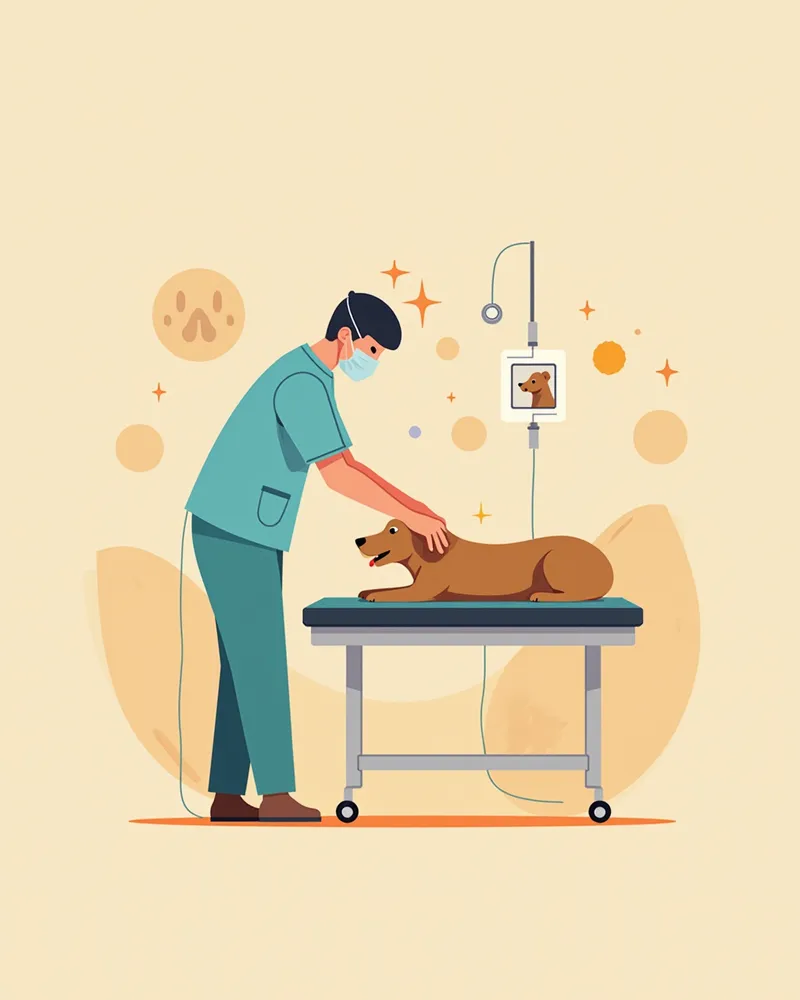
Home Emergency Response — What to Do and What Absolutely Not to Do
Spring Flower Beds and Walks — How to Prevent It
From March to May, tulips bloom abundantly in parks and flower beds, heralding the arrival of spring. While bulbs are typically planted in autumn to flower in spring, many varieties are also planted in spring. Dogs with strong curiosity who tend to chew on or put plants in their mouths require extra caution. Keep your dog on a short leash during walks and avoid areas near flower beds. If you have potted plants or bulbs at home, place them on high shelves out of your dog’s reach, and promptly pick up any bulbs or petals that fall to the ground.
Reviewed by a veterinarian

Dr. Tony — Punnawat Phongkittirak
VeterinarianA veterinarian who majored in veterinary medicine at Khon Kaen University, Thailand, and completed the IVSA program at North Carolina State University in the United States. Drawing on clinical experience at animal hospitals, he works in the pet healthcare field and is dedicated to building a digital care environment that connects pet parents with veterinarians.
Reviewed 2026-06-01
Frequently Asked Questions
Is it okay if my pet eats one or two tulip petals?
Is it still dangerous if my pet chewed on a bulb and then spat it out?
Is there a specific amount that becomes dangerous if ingested?
Can a pet fully recover after tulip poisoning?
Are indoor potted tulips also dangerous?
Share
Related Guides

Top 5 Emergency Poisoning Kits for Dogs Recommended by Veterinarians
7 Emergency Checklist Items for Cat Poisoning — Signs to Check Immediately After Exposure

Complete Guide to Canine Cardiac Blood Tests: NT-proBNP and Troponin — From Meaning to Management

A Comprehensive Guide to Mitral Valve Disease (MVD) in Dogs: Symptoms, Causes, Diagnosis, Treatment, and Management

When Your Dog Suddenly Can’t Breathe — Emergency Golden Hour and Response for Heart Failure

How Long Can My Dog Live with Heart Disease? — A Complete Guide to Prognosis and Worsening Signs

Early Screening Signs, Causes, Diagnosis, Treatment, and Management Points for Canine Heart Disease: A Comprehensive Guide

Cat Cardiac Blood Tests: NT-proBNP and Troponin — Complete Guide to Interpreting Values and Management

If Your Cat Suddenly Has Difficulty Breathing — Emergency Care for Heart Failure and When to Go to the Vet

Complete Guide to Canine Fluorescein Corneal Staining: Why It’s Necessary and How to Interpret Results
References
[1] Gwaltney-Brant S. et al., Blackwell's Five-Minute Veterinary Consult Clinical Companion: Small Animal Toxicology, 3rd Ed., Chapter: Plant Toxicoses, Wiley-Blackwell, 2016
[2] Schaer M. et al., Clinical Medicine of the Dog and Cat, 4th Ed., Chapter: Toxicology — Decontamination Methods, CRC Press, 2022
[3] Plumb D.C., Plumb's Veterinary Drug Handbook, 10th Ed., Chapter: Emetic Agents & Activated Charcoal, Wiley-Blackwell, 2023
[4] Drobatz K.J. et al., Feline Emergency and Critical Care Medicine, 2nd Ed., Chapter 38: Decontamination Procedures, Wiley-Blackwell, 2019