Like
Share
멍실장
고양이 건강 이상 조기 발견 방법 증상과 원인, 진단·치료와 관리 포인트 총정리

Early Detection of Feline Health Issues: Symptoms, Causes, Diagnosis, Treatment, and Management Essentials

Lifestyle & Age CareDiseasesMeongsiljang Veterinary Advisory Board

Early detection of health issues in cats significantly improves treatment success rates. Catch warning signs quickly through daily observation and regular check-ups.

Daily Observation Is Key to Early Detection of Feline Health Issues

A cat lying comfortably on a blanket, with its owner looking on with concern.
Early detection of health issues in cats depends on your regular observation and awareness of behavioral changes. Missing early warning signs can allow conditions to worsen, so it’s important to keep a record of your cat’s daily habits.
Watch for changes in daily routine: Decreased food intake, increased sleep, and changes in litter box usage are early warning signs. Loss of appetite, lethargy, and unusual behaviors such as hiding are common clinical signs in cats.
Reduced activity: If your cat rests more often instead of running around, pay close attention. Cats tend to show illness very subtly, so even small changes can be important clues.
Changes in appearance: Hair loss, skin rashes, excessive tearing, and nasal discharge may indicate skin or systemic diseases. On the other hand, bad breath, drooling, chewing on only one side, or reduced appetite could signal oral health issues.
Changes in vocalization: A change in the frequency or pitch of meowing may indicate pain or stress. Since cats often hide their discomfort, it’s helpful to consistently note any deviations from their normal behavior.
Early detection is key to improving treatment success rates.

Main Causes of Health Issues: Disease, Stress, and Environmental Changes

There are many possible causes for health issues in cats. Disease, stress, and environmental changes can all interact in complex ways. Identifying the underlying cause is key to early detection.
Chronic conditions: Diseases such as kidney disease, diabetes, and hyperthyroidism often present with subtle early symptoms that can be easily overlooked.
Stress responses: Changes like the arrival of a new family member, moving to a new home, or the introduction of another animal can trigger behavioral changes.
Environmental changes: Fluctuations in temperature, humidity, noise levels, or odors can also impact your cat’s health.
Nutritional imbalances: Inappropriate food or treats can lead to digestive issues or changes in weight.
Accurately identifying the cause enables effective management and care.
A cat looking tense near a noisy vacuum cleaner

Checklist of Main Symptoms of Health Issues

There are many signs that can indicate health issues in cats. Early detection through daily observation is key.
Decreased appetite: A sudden drop in food intake or refusal to eat. This may be an early sign of chronic kidney disease, diabetes, or age-related conditions.
Increased sleep: Spending the entire day in one spot with little to no movement. This could signal pain, age-related changes, or a chronic illness.
Litter box issues: Eliminating outside the litter box or a sudden increase in frequency. This may indicate cystitis, pain, stress, or behavioral changes due to environmental shifts.
Excessive hair loss: Patchy or concentrated shedding beyond normal seasonal molting. This could be a sign of parasites, allergies, skin conditions, or endocrine disorders.
Changes in vocalization: More frequent meowing, or a noticeable change in pitch (higher or lower). This may indicate pain, stress, or cognitive decline.
Changes in appearance: Presence of tears, nasal discharge, skin rashes, or bad breath. Bad breath, in particular, can signal oral health issues or systemic diseases such as diabetes or kidney disease.
If any of these signs persist, please consult your veterinarian.
A cat showing signs of concern around the litter box

Emergency Signs Requiring Immediate Veterinary Visit

If your cat shows any of the following symptoms, please visit the vet immediately. These could be signs of a life-threatening condition.

Diagnostic Tests for Accurate Diagnosis
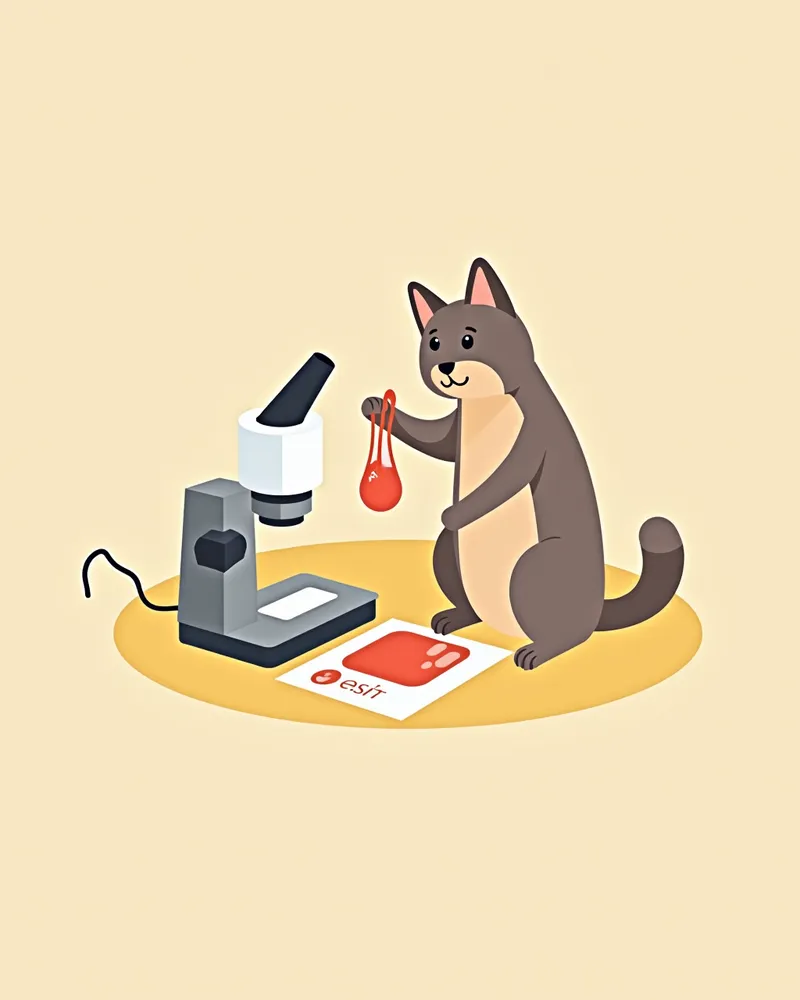
Diagnosing health issues in cats involves a variety of tests. Identifying the exact cause is the first step toward effective treatment.
Blood tests: Complete blood counts and serum biochemistry panels help assess the function of internal organs.
Urinalysis: Checking for protein, glucose, and inflammatory cells helps diagnose kidney and bladder problems.
Imaging tests: X-rays and ultrasounds are used to identify structural abnormalities in internal organs.
Skin tests: Samples of fur or skin are collected to check for parasites or infections.
Behavioral assessment: The veterinarian observes daily behavior and asks questions to identify sources of stress.
A combination of these tests may be necessary.
A veterinarian examining a cat's blood sample under a microscope.

Treatment Approaches Progress Step-by-Step Depending on the Cause

Treatment for feline health issues depends on the underlying cause, and a step-by-step approach is most effective.
Medication: Depending on the infection or condition, we may prescribe antibiotics, hormones, pain relievers, or other medications.
Dietary Management: If nutritional imbalance is the cause, we recommend specialized diets or supplements.
Environmental Adjustment: If stress is the trigger, we stabilize and improve the cat’s environment.
Behavioral Modification: For behavioral issues such as inappropriate elimination, we first rule out medical causes, then address the behavior through environmental adjustments and training.
Surgical Treatment: Tumors, organ abnormalities, or structural issues may require surgical intervention, and biopsies may be performed alongside diagnosis.
Always develop a treatment plan in consultation with your veterinarian.
A veterinarian administering medication to a cat, with a warm and caring interaction.

Home Management and Care Points

Managing your cat’s health issues centers on daily care at home, so it’s important to follow your veterinarian’s instructions.
Daily logs: Record food intake, sleep patterns, litter box use, and any behavioral changes every day.
Stable environment: Minimize noise, strong odors, and access by other animals to reduce stress.
Diet management: Maintain consistent feeding times and portions, and transition to new food gradually.
Encourage exercise: Ensure playtime to keep your cat active.
Regular check-ups: Schedule annual or biannual veterinary exams to detect problems early.
Consistent observation is the key to maintaining your cat’s health.
A lively scene of a cat playing with a toy

Breed-Specific Health Concerns and Prevention of Recurrence

Some cats may be more susceptible to certain conditions due to genetic factors or individual risk factors. Unlike dogs, cats face unique health risks specific to their species, making it essential to tailor care to their living environment and individual needs. Early screening and consistent management are crucial for detecting issues promptly and slowing disease progression.

Reviewed by a veterinarian

Dr. Tony — Punnawat Phongkittirak

Dr. Tony — Punnawat Phongkittirak

Veterinarian

A veterinarian who majored in veterinary medicine at Khon Kaen University, Thailand, and completed the IVSA program at North Carolina State University in the United States. Drawing on clinical experience at animal hospitals, he works in the pet healthcare field and is dedicated to building a digital care environment that connects pet parents with veterinarians.

Frequently Asked Questions

My cat’s appetite has suddenly decreased. Should I take them to the vet?
If your pet’s reduced food intake lasts for more than 24 hours, consult your veterinarian. This could be an early sign of chronic kidney disease, diabetes, age-related conditions, or pain.
My cat is eliminating outside the litter box. What should I do?
Check that the litter box is clean and placed in a stable, quiet location. Inappropriate elimination should first be evaluated for medical causes such as bladder disease, though stress and environmental factors can also play a role. Senior cats, in particular, require prompt veterinary examination.
My cat hasn’t moved all day. I’m worried.
Increased sleepiness or lethargy can be signs of pain, chronic disease, or age-related changes. For senior cats, it is especially important to seek veterinary care promptly.
My cat is shedding a lot. Is this normal?
Normal shedding varies with the seasons, but if your pet experiences excessive hair loss or redness of the skin, it could indicate parasites, allergies, skin diseases, or endocrine disorders. A veterinary examination is necessary.
What health screenings are needed to detect early signs of illness in cats?
Complete blood count, serum biochemistry, urinalysis, and imaging studies are generally recommended. For senior cats, check-ups once or twice a year may be appropriate, with your veterinarian providing tailored recommendations based on individual circumstances.

Share

Related Guides

References

[1] Vogt AH, Rodan I, Brown M, Brown S, Buffington CAT, Forman MJL, et al. (2010). AAFP-AAHA: feline life stage guidelines. J Am Anim Hosp Assoc 46(1):70-85.

[2] Veterinary Guide to Preventing Behavior Problems in Dogs and Cats (2023). Chapter 3: Early Detection and Prevention. Wiley-Blackwell.

[3] Stockham, S.L. and Scott, M.A. (2008). Fundamentals of Veterinary Clinical Pathology, 2e. Ames, Iowa: Blackwell Pub.

This information is based on veterinary literature and does not replace diagnosis or treatment. Please consult a veterinarian for specific health concerns.

Metapet Co., Ltd. | CEO: Park Sung-yong | Business Reg. No. 417-88-02562 | Seoul, South Korea | Customer Center

Early Detection of Cat Health Issues: Symptoms, Causes & Care | Meongsiljang