Like
Share
멍실장
고양이 간 질환 단백질 제한 증상과 원인, 진단·치료와 관리 포인트 총정리

Is Protein Restriction Necessary for Cats with Liver Disease? — Appropriate Guidelines and Key Management Points

Liver HealthDiseasesMeongsiljang Veterinary Advisory Board

In cats with liver disease, restricting protein intake is an essential management strategy when liver function declines. We’ll provide a comprehensive guide covering symptoms, causes, diagnosis, treatment, and key care points.

What Is Protein Restriction in Feline Liver Disease?

A cat enjoying liver-supportive food, with a veterinarian’s notes nearby.
In feline liver disease, protein management is a key part of nutritional therapy, involving careful adjustment of both the quantity and quality of protein based on the cat’s liver condition. However, rather than simply reducing protein, it is often more important to provide adequate amounts depending on the individual case. - Adjustment for hepatic encephalopathy: When liver function is compromised, the body may struggle to process nitrogenous waste products like ammonia, which can lead to neurological symptoms. In such cases, protein intake should be carefully managed. - Energy supply: Providing sufficient carbohydrates and fats helps prevent the body from breaking down muscle protein for energy and reduces ammonia production. - Caution with fatty liver: Cats have high protein requirements, so excessive protein restriction or fasting can actually contribute to fatty liver disease. - Individualized approach: Your veterinarian will determine the appropriate protein level based on your cat’s weight, muscle mass, and underlying disease. - Long-term management: Nutritional care is not a short-term fix but an ongoing process that requires regular monitoring and adjustment. This is essential for improving your cat’s quality of life.

Main Causes of Liver Disease

Feline liver disease often stems from a combination of factors. - Hepatic lipidosis (fatty liver disease): Loss of appetite leads to energy and protein deficits, causing excessive accumulation of neutral fats in liver cells. This is the most common and significant liver disease in cats. - Underlying conditions: Gastrointestinal disorders, pancreatitis, and cholangitis can suppress appetite, secondarily leading to hepatic lipidosis. - Chronic hepatitis: Persistent inflammation occurs in liver tissue, with some cases suspected to be immune-mediated. - Drugs and toxins: Certain medications or toxic substances can damage the liver. - Metabolic and endocrine disorders: Conditions such as diabetes mellitus and pancreatic disease may present alongside impaired liver function. These causes can interact and exacerbate the disease.
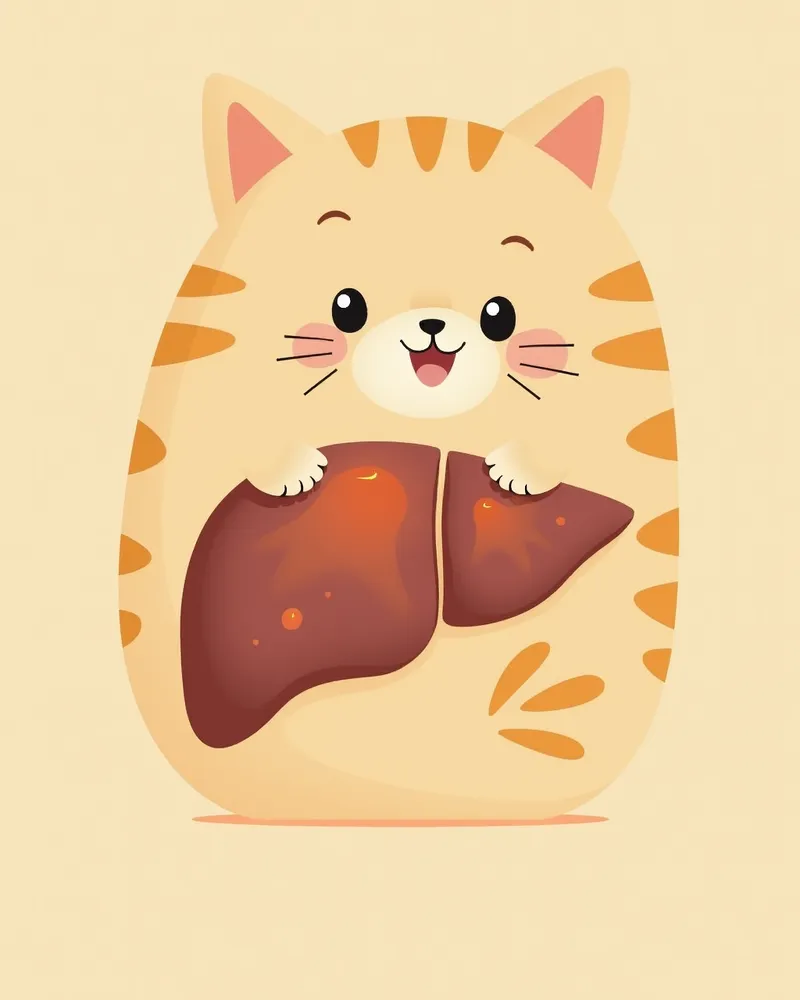
A medical illustration showing inflammation and fat accumulation in a cat’s liver

Key Symptom Checklist

As feline liver disease progresses, a variety of symptoms may appear. In particular, loss of appetite can increase the risk of fatty liver disease even if it lasts only a few days, so it’s important not to miss these warning signs.
Loss of appetite: This is the most common and often the earliest sign of liver disease, with cats showing reluctance to eat.
Repeated vomiting: Caused by gastrointestinal irritation and declining liver function, this becomes more common as the disease progresses and may occur alongside jaundice.
Jaundice: A yellowing of the whites of the eyes, gums, or skin.
Lethargy: A persistent state of weakness and drowsiness, with little to no movement throughout the day.
Weight and muscle loss: Due to reduced appetite and metabolic disturbances, cats may lose weight and experience muscle wasting.
Changes in urine color: When bile pigments (bilirubin) build up, urine may turn dark brown.
A lethargic cat lying on the bed

Symptoms Requiring Immediate Veterinary Visit

If your pet develops jaundice, experiences persistent vomiting, or refuses to eat for more than 24 hours, consult a veterinarian immediately. These signs indicate severe liver damage, and early treatment is crucial for improving survival rates.

Diagnostic Methods
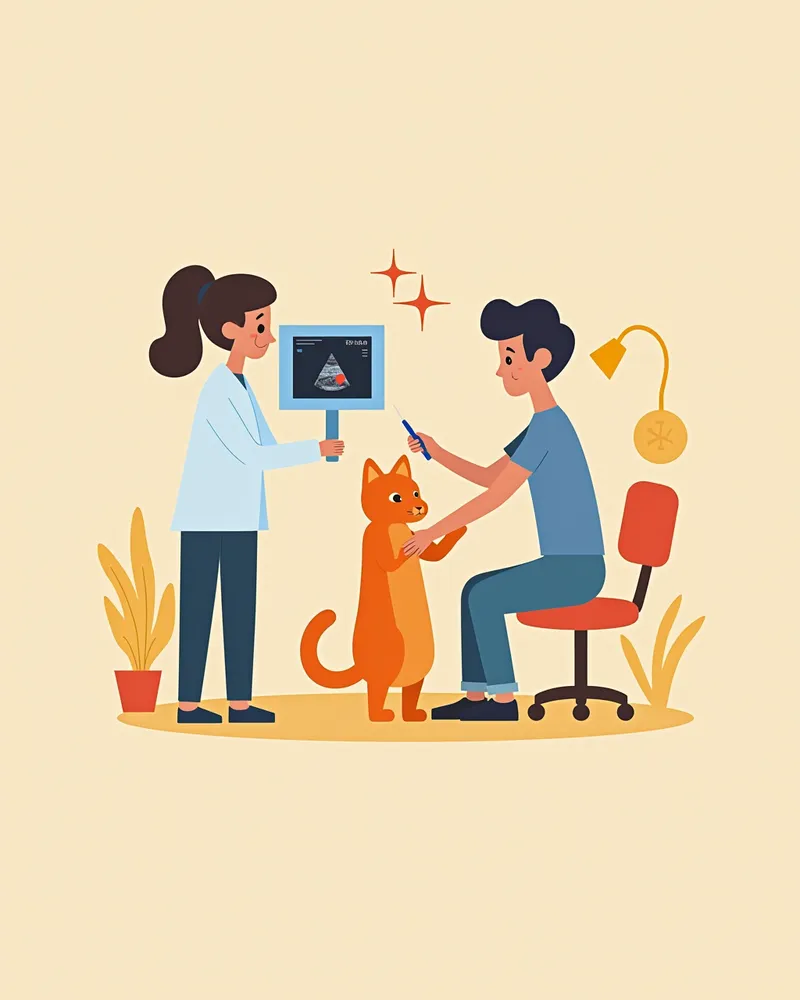
Feline liver disease is accurately diagnosed through comprehensive testing. - Blood tests: Elevated liver enzyme levels, such as ALT, AST, and ALP, are key indicators of liver damage. - Ultrasound examination: This allows for visual confirmation of structural changes or lesions in the liver, while also examining the bile ducts and pancreas. - Cytology and histology: Fatty liver disease can be diagnosed via cytology (aspiration), and a biopsy may be considered if other hepatobiliary diseases are suspected. - Additional tests: Other conditions that can elevate liver enzymes, such as thyroid function (T4), are evaluated concurrently. - Correlation with clinical signs: Symptoms and test results are interpreted together. An accurate diagnosis is the first step toward effective treatment.
A veterinarian performing an abdominal ultrasound on a cat

Step-by-Step Treatment Guide

Treating feline liver disease requires a systematic, step-by-step approach. - Addressing the underlying cause: The priority is discontinuing any offending medications and managing infections or underlying conditions. - Nutritional support: Replenishing energy reserves is essential. Cats have high protein requirements, so it is important to provide sufficient, high-quality protein (protein restriction should only be carefully applied in cases of hepatic encephalopathy). - Fluid and electrolyte correction: Preventing dehydration and correcting electrolyte imbalances are crucial. - Hepatoprotectants and medications: Steroids may be used for chronic hepatitis, and medications are prescribed based on the specific cause. - Vitamin supplementation: Necessary nutrients, such as vitamin K and B-complex vitamins, are supplemented as needed. - Regular monitoring: Condition is monitored through blood tests and ultrasound. Be cautious with force-feeding, as it can cause stress and worsen food aversion.
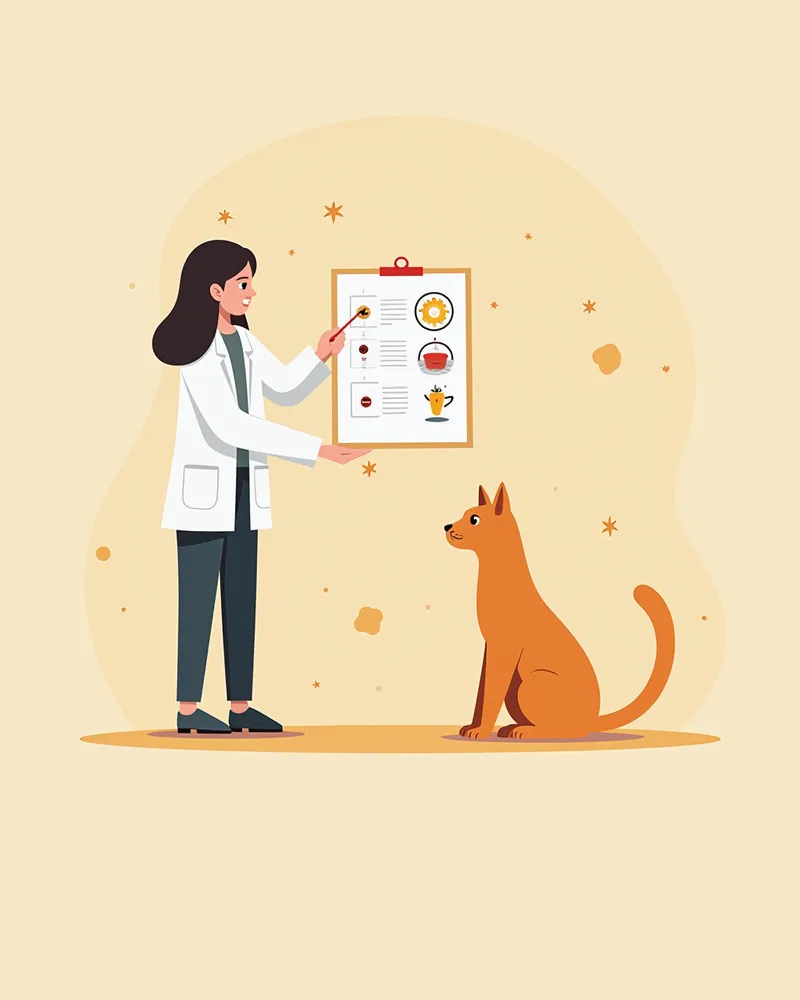
A veterinarian explaining the treatment plan to a cat owner.

Home Management and Daily Care

Consistency is key when managing your cat’s liver disease at home. - Dietary management: Strictly follow the diet prescribed by your veterinarian. - Medication administration: Give liver protectants and other medications exactly as scheduled. - Water supply: Always provide fresh, clean water and change it frequently. - Environmental control: Maintain a quiet, stable environment to minimize stress. - Behavioral monitoring: Keep a daily log of your cat’s appetite, activity level, and elimination habits. - Regular vet visits: Keep all veterinary appointments and share test results with your vet.
A space where your cat can stay in a comfortable environment

Breed-Specific Precautions and Recurrence Prevention

Even a few days of loss of appetite in cats can lead to serious liver conditions such as hepatic lipidosis, so it’s important to notice changes in food intake early. While maintaining a diet appropriate for your cat’s liver condition, don’t restrict protein arbitrarily—follow the amount recommended by your veterinarian. Also, transition to new food gradually to avoid sudden changes that could cause fasting. To prevent recurrence, regular liver function tests and a management plan developed with your veterinarian are recommended.

Reviewed by a veterinarian

Dr. Tony — Punnawat Phongkittirak

Dr. Tony — Punnawat Phongkittirak

Veterinarian

A veterinarian who majored in veterinary medicine at Khon Kaen University, Thailand, and completed the IVSA program at North Carolina State University in the United States. Drawing on clinical experience at animal hospitals, he works in the pet healthcare field and is dedicated to building a digital care environment that connects pet parents with veterinarians.

Frequently Asked Questions

Is it necessary to strictly limit protein intake?
Protein itself isn’t bad. In conditions like hepatic encephalopathy, where the body struggles to properly process nitrogenous waste products such as ammonia, protein intake needs to be carefully managed. However, since cats have high protein requirements, providing adequate, high-quality protein is usually more important for their recovery.
Is it safe to feed a controlled diet long-term?
Veterinarian-recommended diets are safe to feed for a specified period. However, prolonged excessive protein restriction can lead to muscle loss and nutritional imbalances, so regular check-ups and dietary adjustments are necessary.
How can I manage my pet’s liver health at home?
It can be managed through dietary control, adequate hydration, stress reduction, and regular weight monitoring along with behavioral records. Maintaining open communication with your veterinarian is also important.
Will reducing protein intake weaken muscles?
Cats have high protein requirements, so maintaining the right amount and quality of protein is essential for preserving muscle mass. Excessive restriction can actually lead to muscle loss, which is why veterinarians carefully adjust protein intake based on each cat’s weight and muscle condition.
Are medications always necessary for treating liver disease?
The treatment depends on the underlying cause. Your veterinarian may prescribe liver protectants, anti-inflammatory medications (such as steroids), or antibiotics. Never administer any medication to your pet without a veterinary prescription.

Comparison of Protein-Restricted Diets

ItemProtein ContentCharacteristicsRecommended Situation
Diet with sufficient high-quality proteinSufficientMuscle preservation/energy supplyMost feline liver diseases such as hepatic lipidosis
Diet with carefully controlled proteinControlledReduces ammonia burdenWhen hepatic encephalopathy is present
Balanced recovery-phase dietBalancedOverall nutritional balanceRecovery or maintenance phase

Because cats have high protein requirements, rather than restricting protein unconditionally, the veterinarian determines the amount and quality of protein based on weight, condition, and cause.

Share

Related Guides

References

[1] Plumb's Veterinary Drug Handbook, 9th Edition, 2022

[2] Handbook of Veterinary Internal Medicine, 8th Edition, 2021

[3] Feline Hepatic Disease: A Comprehensive Guide, Journal of Feline Medicine and Surgery, 2020

This information is based on veterinary literature and does not replace diagnosis or treatment. Please consult a veterinarian for specific health concerns.

Metapet Co., Ltd. | CEO: Park Sung-yong | Business Reg. No. 417-88-02562 | Seoul, South Korea | Customer Center

Protein Restriction for Cats with Liver Disease: Key Guidelines | Meongsiljang