Like
Share
멍실장
고양이 표백제·세제 중독 증상과 응급 대처법 — 위험 섭취량과 예방까지 총정리

My Cat Licked Bleach — Poisoning Symptoms, Dangerous Ingestion Amounts, and Emergency Response Golden Time

Emergency/ToxicityDiseasesMeongsiljang Veterinary Advisory Board

We’ve compiled a comprehensive guide based on veterinary advice, covering the symptoms of bleach and detergent exposure in cats, immediate first aid steps, actions to absolutely avoid, the treatment process at the animal hospital, and methods to prevent re-exposure.

What Is Bleach and Detergent Poisoning in Cats?

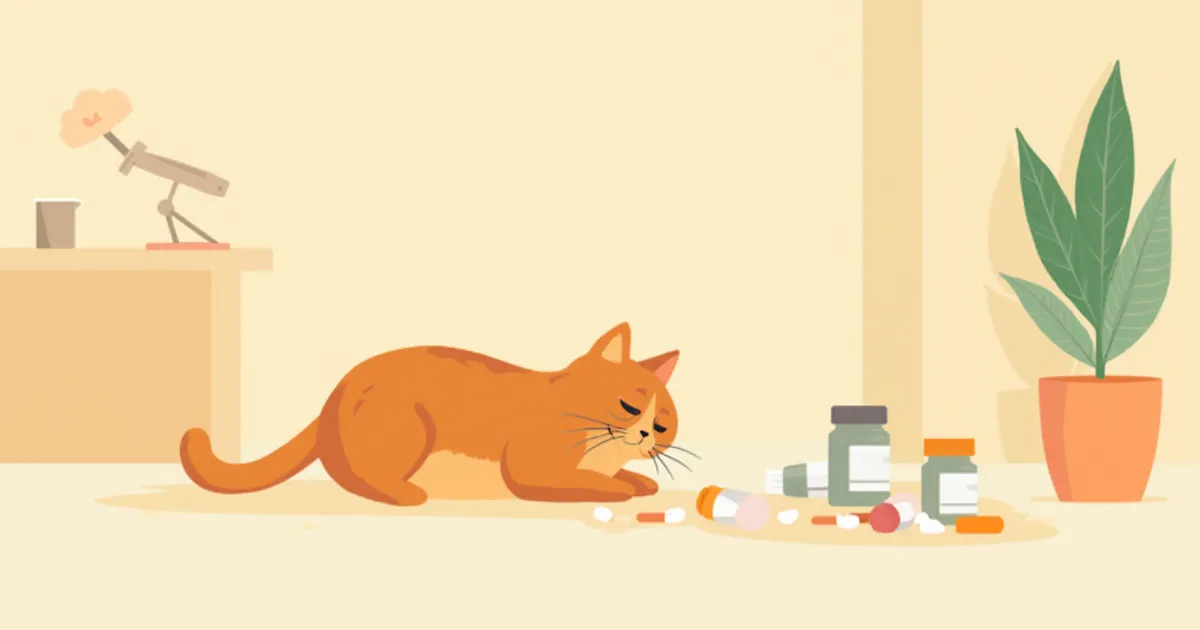
Cat bleach poisoning — exposure to hazardous ingredients
Bleach and detergent poisoning in cats occurs when household cleaning agents, such as chlorine-based bleach (sodium hypochlorite) and surfactants, are absorbed through the mouth, digestive tract, or airways, causing tissue damage. The most critical rule is to never induce vomiting. Because bleach and surfactants are highly corrosive, vomiting can cause secondary damage to the esophagus and mouth. Immediately rinse the area around the cat’s mouth with water and call your veterinarian to report the specific ingredients and amount ingested.

Which Detergents Are Especially Dangerous?

Some common household cleaning products contain ingredients that are especially dangerous for cats. Chlorine-based bleach (e.g., household bleach, disinfectant sprays): The main ingredient is sodium hypochlorite, which is corrosive and can directly damage mucous membranes. Cationic surfactants (e.g., fabric softeners, disinfectants): Quaternary ammonium compounds such as benzalkonium are typical examples. They can cause lethargy, difficulty swallowing, and burns to the mouth and esophagus. Air fresheners, deodorizers, and liquid potpourri: These may contain cationic surfactants and other irritants that can harm the mouth and digestive tract, so they should also be used with caution. Cats are particularly at risk of indirect exposure because they often lick cleaning residues off their paws and fur while grooming.

Main Symptoms of Bleach and Detergent Poisoning in Cats

Within minutes to several hours after exposure, the following symptoms may appear:
Excessive drooling: Irritation and damage to the oral mucosa cause abnormal salivation.
Repeated vomiting: This is a response to irritation and damage of the gastrointestinal mucosa.
Redness and swelling around the mouth: Direct contact can cause chemical burns.
Difficulty breathing and coughing: These occur when fumes are inhaled or aspiration pneumonia develops.
Eye and nasal irritation: Repeated tearing, redness, and sneezing may occur.
Lethargy and decreased appetite: These are signs of systemic toxicity.
Symptoms of bleach poisoning in cats — drooling and eye irritation

Situations Requiring Immediate Visit to a 24-Hour Emergency Animal Hospital

If your pet exhibits any of the following symptoms, seek emergency veterinary care immediately. These are not situations that can be managed at home. • Panting heavily or breathing with an open mouth • Pale, white, or blood-colored gums, tongue, or oral mucosa • Loss of consciousness or seizures • Vomiting blood • Persistent vomiting lasting more than 30 minutes

First Aid — What to Do and What to Absolutely Avoid
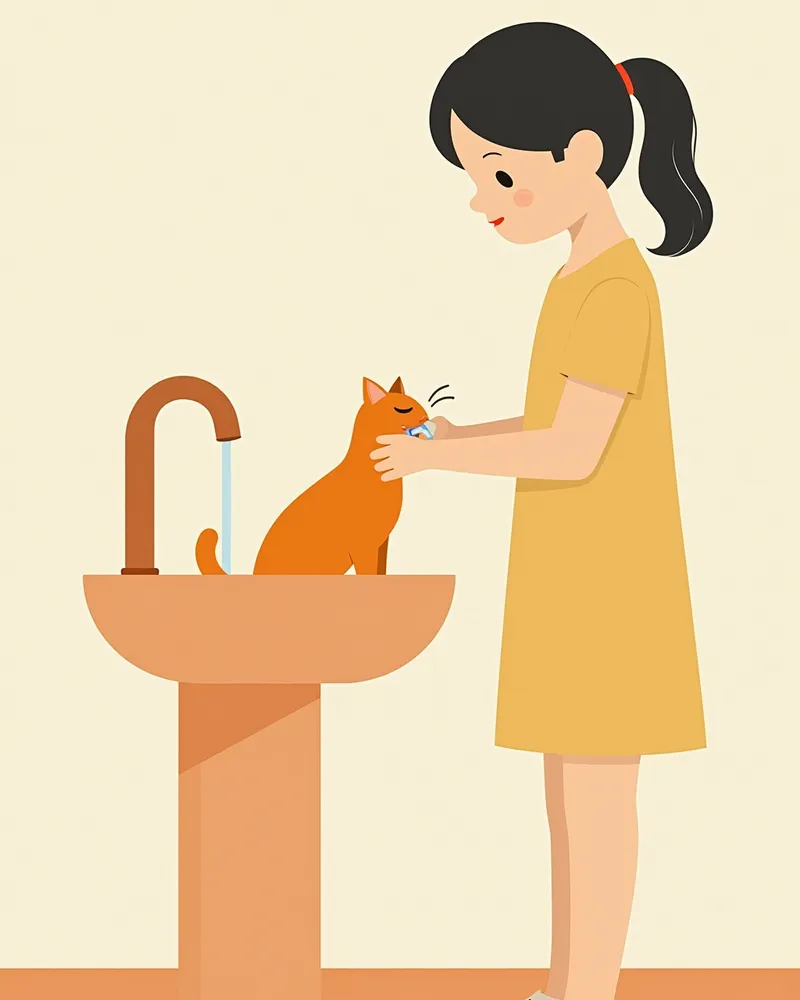
What to do • Locate the product packaging and check the ingredients and concentration (essential when contacting a clinic). • Rinse the area around the mouth and the paw pads with running water for 10–15 minutes. • If the substance got into the eyes, flush immediately with sterile saline or clean water. • Call your veterinary clinic right away and provide details about the ingredient, route of exposure, and time of exposure. What never to do • Induce vomiting — corrosive ingredients can cause secondary damage to the esophagus. • Give food or water without a veterinarian’s instructions. • Attempt neutralization by giving vinegar or baking soda.
Emergency treatment for cat bleach poisoning — rinse the mouth with water

Treatment at the Animal Hospital

At the clinic, we determine the treatment plan based on the ingested substance and the severity of symptoms.
Intravenous fluid therapy: Prevents dehydration and stabilizes the pet’s overall condition.
Mucosal protectants: Medications are administered to minimize gastrointestinal damage.
Oxygen therapy: Provided when respiratory distress is present.
Endoscopy: Allows direct visualization of the extent of damage to the esophageal and gastric mucosa.
For substances that cause direct tissue damage, such as bleach or corrosive detergents, inducing vomiting is generally avoided because it can cause secondary injury to the esophagus and mouth. Additionally, since corrosive substances are not effectively adsorbed by activated charcoal, its use may offer limited benefit; therefore, treatment decisions are left to the veterinarian’s professional judgment.
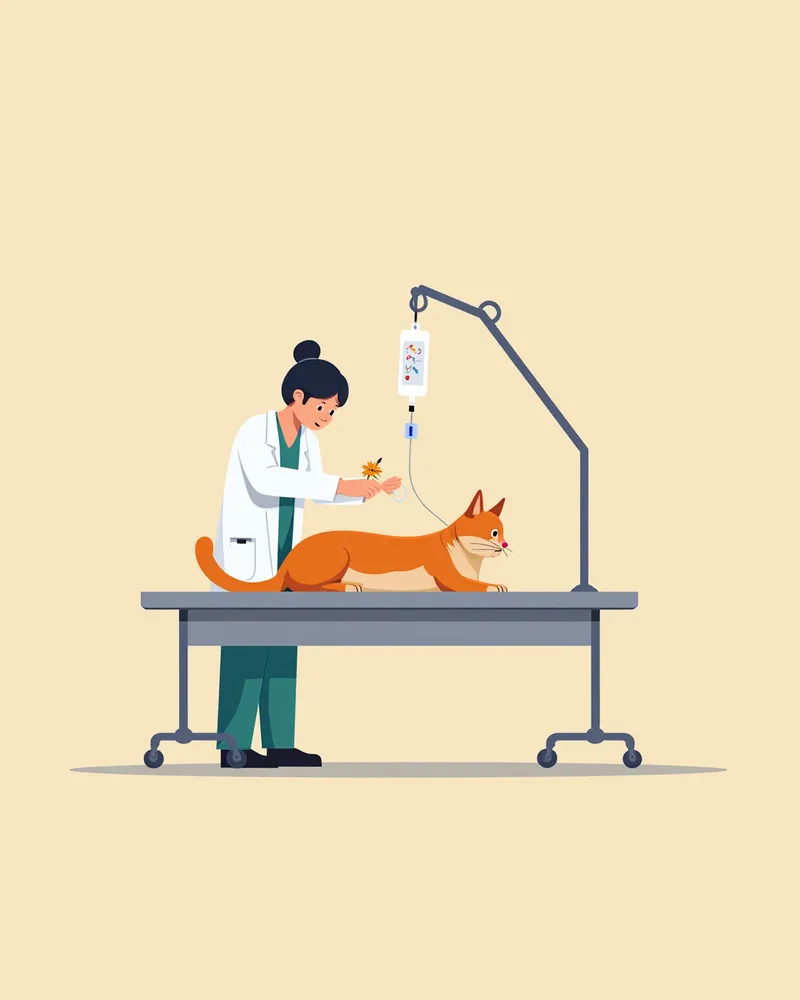
At the animal hospital, a cat suffering from bleach poisoning received intravenous fluid therapy.

How Much Is Dangerous? — Dangerous Ingestion Amounts

“Just a little bit won’t hurt” is a dangerous assumption when it comes to cats. Cats are generally more sensitive to various toxic substances than dogs, so even small exposures should never be dismissed as harmless. With bleach and corrosive cleaners, both the amount ingested and the concentration are critical. Veterinary toxicology data indicates that while low concentrations may only cause mucosal irritation, higher concentrations significantly increase the risk of burns to the mouth and digestive tract, as well as tissue corrosion. Even diluted solutions can damage mucous membranes in small amounts, while highly concentrated undiluted products are dangerous even in minute quantities. Since inhaling fumes alone can cause respiratory irritation, you must contact your veterinarian immediately—even if the ingested amount seems small—to provide details about the product’s ingredients and concentration.

Why Cats Are More Vulnerable to Chemicals Than Dogs

Cats tend to be more sensitive to various chemicals than dogs. In fact, they are known to become poisoned by smaller amounts of toxic substances such as ethylene glycol (antifreeze), certain concentrated pyrethroids, and acetaminophen. Additionally, because cats groom themselves dozens of times a day, they can repeatedly ingest detergents that have gotten on their paw pads or fur, leading to ongoing exposure. As a result, even with the same level of exposure, symptoms can appear more quickly and severely in cats, so extra caution is essential.

Preventing Re-Exposure — Precautions for Storing and Using Detergents
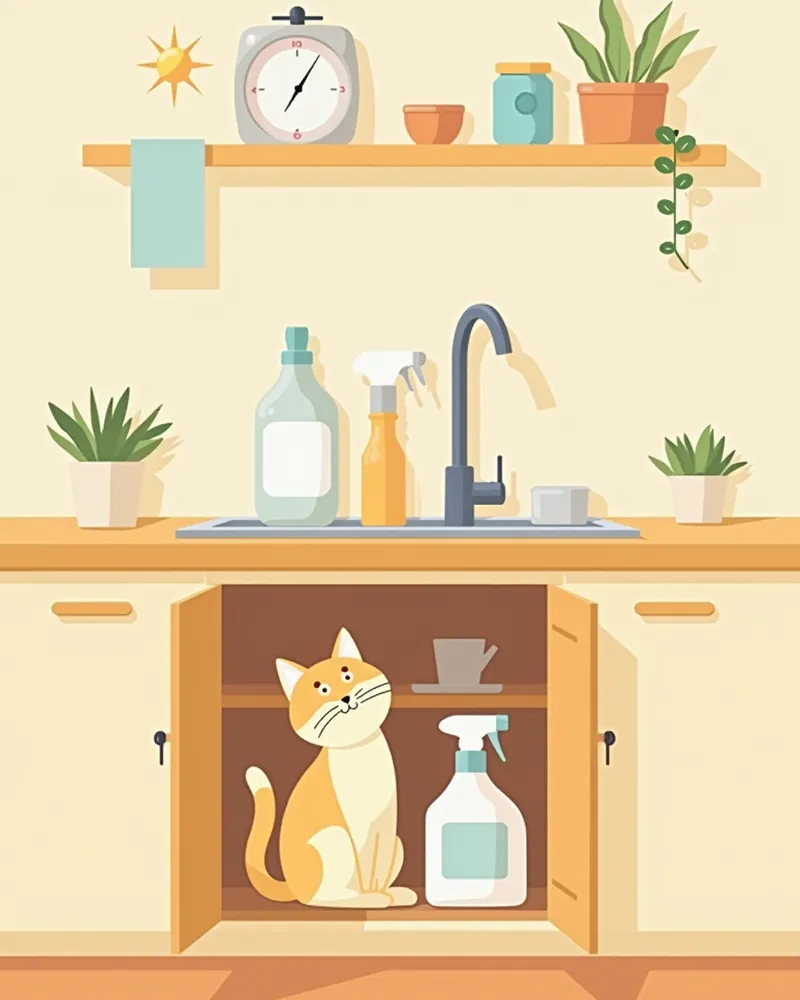
Most poisoning incidents occur due to improper storage of cleaning products and inadequate ventilation. • Store all cleaning agents in lockable containers that cats cannot open. • Keep cats out of the area until surfaces are completely dry after cleaning. • Ensure thorough ventilation during use to prevent inhalation of fumes. • Even diluted cleaners can be ingested through grooming if residue remains on the floor. • Choosing pet-safe certified cleaning products designed specifically for cats is also a good option.
Safe storage methods for cat-friendly detergents

Reviewed by a veterinarian

Dr. Tony — Punnawat Phongkittirak

Dr. Tony — Punnawat Phongkittirak

Veterinarian

A veterinarian who majored in veterinary medicine at Khon Kaen University, Thailand, and completed the IVSA program at North Carolina State University in the United States. Drawing on clinical experience at animal hospitals, he works in the pet healthcare field and is dedicated to building a digital care environment that connects pet parents with veterinarians.

Frequently Asked Questions

Is it dangerous if my cat only smelled bleach?
Inhaling small amounts of steam may cause mild respiratory and eye irritation. While symptoms typically resolve with proper ventilation, contact your veterinarian if sneezing, tearing, or difficulty breathing persists.
Can I give my pet milk or water at home?
As a general rule, you should never administer medication without a veterinarian’s instructions. You may offer a small amount of water only if the vet specifically recommends diluting the medication during a phone consultation.
Is there a difference in the level of risk between undiluted bleach and diluted bleach?
The undiluted concentrate is far more dangerous, but even the diluted solution can cause mucosal damage in small amounts. Please inform the clinic of both the amount ingested and the concentration.
How long does it take to recover after poisoning?
Recovery time depends on the severity of the damage. Mild mucosal irritation typically improves relatively quickly, but severe damage to the esophageal or gastric lining may require extended treatment with a special diet and medication. Your veterinarian will determine the exact prognosis after assessing the extent of the injury.
Is it safe for my cat to walk on the floor after I’ve cleaned it with Lysol and let it dry?
Once it’s completely dry and well-ventilated, it’s generally safe. However, since cats have a habit of licking their paws after walking, it’s safer to wipe their paw pads with water.

Share

Related Guides

References

[1] Hovda LR, Brutlag AG, Poppenga RH, Peterson KL. Blackwell's Five-Minute Veterinary Consult Clinical Companion: Small Animal Toxicology, 3rd Ed. Wiley-Blackwell, 2016.

[2] Schaer M, Gaschen FP. Clinical Medicine of the Dog and Cat, 4th Ed. CRC Press, 2022.

[3] Plumb DC. Plumb's Veterinary Drug Handbook, 10th Ed. Wiley-Blackwell, 2023.

[4] Drobatz KJ, Costello MF. Feline Emergency and Critical Care Medicine, 2nd Ed. Wiley-Blackwell, 2010.

This information is based on veterinary literature and does not replace diagnosis or treatment. Please consult a veterinarian for specific health concerns.

Metapet Co., Ltd. | CEO: Park Sung-yong | Business Reg. No. 417-88-02562 | Seoul, South Korea | Customer Center

Cat Licked Bleach: Symptoms, Toxic Amounts & Emergency Care | Meongsiljang