

If Your Cat Keeps Getting Drowsy After Meals — Causes and Treatment Timing for Portosystemic Shunt (PSS)
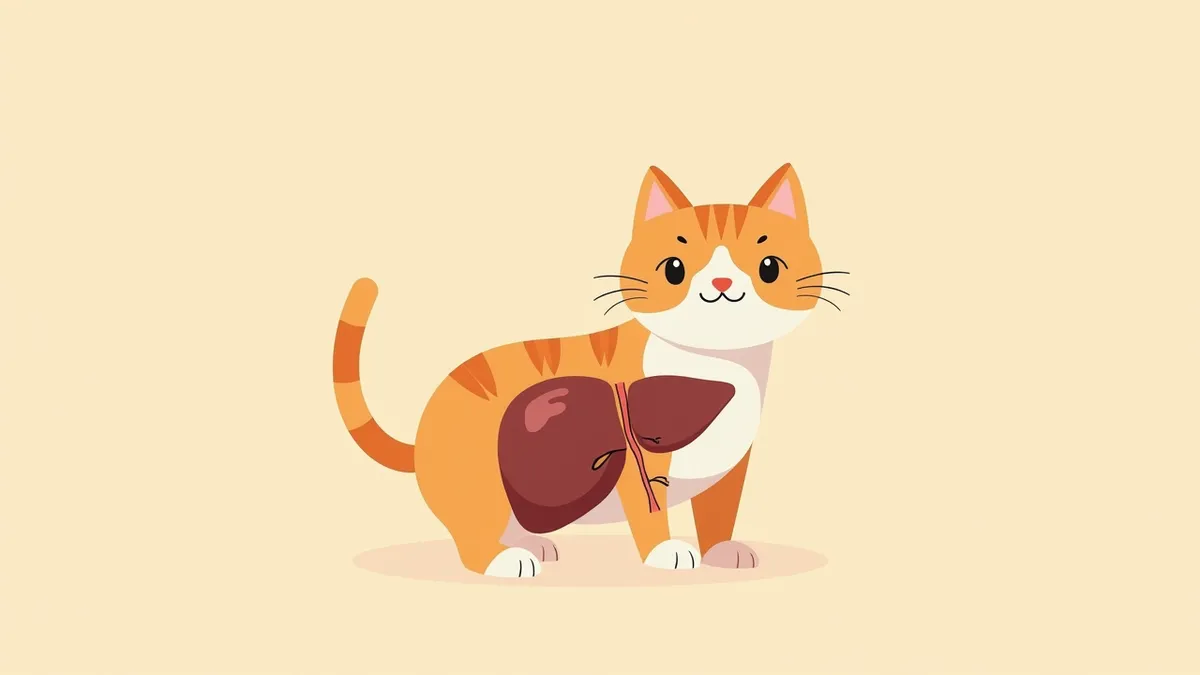
Feline portosystemic shunt (PSS) is a congenital condition in which blood bypasses the liver and flows directly into the systemic circulation. As a result, toxic substances are not properly cleared, leading to neurological symptoms.
What Is Feline Portosystemic Shunt (PSS)?
Main Causes and Pathogenesis

Main Symptoms and Warning Signs
Symptoms Requiring Immediate Veterinary Visit
If your cat suddenly faints or has repeated seizures, seek veterinary care immediately. This can be a sign that toxic substances are building up in the brain and causing serious damage. Additionally, if vomiting or loss of appetite persists for more than 24 hours, urgent veterinary attention is necessary.
Diagnostic Methods and Procedures
Treatment Methods and Step-by-Step Approach

Home Care and Daily Management
Breed-Specific Precautions and Prevention of Recurrence
Portosystemic shunts (PSS) have been reported in several cat breeds, including Domestic Shorthairs, Burmese, Siamese, Persian, and Himalayan cats. Unlike dogs, PSS tends to occur more frequently in male cats. Because genetic factors are believed to play a role, it is advisable to check the breed and health history when adopting a cat. Additionally, even after surgery, the shunt may persist due to incomplete ligation or the development of acquired collateral vessels, making regular veterinary check-ups and medication management essential.
Reviewed by a veterinarian

Dr. Tony — Punnawat Phongkittirak
VeterinarianA veterinarian who majored in veterinary medicine at Khon Kaen University, Thailand, and completed the IVSA program at North Carolina State University in the United States. Drawing on clinical experience at animal hospitals, he works in the pet healthcare field and is dedicated to building a digital care environment that connects pet parents with veterinarians.
Reviewed 2026-06-07
Frequently Asked Questions
Is feline portosystemic shunt (PSS) treatable?
Does PSS only occur in cats?
How long does the recovery period after surgery take?
How should I adjust my pet’s diet?
Can it recur?
Comparison of PSS Treatment Methods
| Item | Surgical Treatment | Medical Treatment | Dietary Management |
|---|---|---|---|
| Effectiveness | High | Moderate | Supportive |
| Cost | High | Low | Low |
| Recovery Period | 2–4 weeks | Ongoing | Ongoing |
| Recurrence Likelihood | Low | Moderate | High |
Surgery is the most effective, but the cost is high and the recovery period is long. Medication and dietary management play supportive roles and require ongoing management.
Share
Related Guides

7 Key Symptoms and Management Essentials for Canine Cholecystitis Recommended by Veterinarians

Top 5 Milk Thistle (Silymarin) Liver Supplements for Dogs — A Comparison Guide Based on Silybin Content and Absorption Rates

Top Prescription Diets for Dogs with Liver Disease and Selection Criteria
A Complete Guide to Feline Endocrine Checkups: From Hormonal Imbalance Signs to Diagnosis and Management

If Your Cat Suddenly Loses Vision — Causes, Diagnosis, and Treatment of Feline Endocrine Hypertension

If Your Cat’s Face Has Grown Larger — Causes, Diagnosis, and Treatment Timing for Acromegaly

If Your Dog Trembles at the Sound of Thunder — Causes of Canine Thunderstorm Phobia and Desensitization Training Methods

Why Is My Dog Constantly Chasing Its Tail? — Causes and Treatment Timing for Compulsive Tail Chasing

If Your Dog Barks and Bites at Strangers — Causes of Aggression and Behavior Modification Tips

Canine Compulsive Disorder: Symptoms, Causes, Diagnosis, Treatment, and Management Summary
References
[1] Fowler, L.B., C.M. Johannes, A. O’Connor, et al. 2020. Ecological level analysis of primary lung tumors in dogs and cats and environmental radon activity. J Vet Intern Med 34(6):2660–2670.
[2] The Cat, Clinical Medicine and Management, 2nd Edition. 2020. Polizopoulou ZS, Koutinas AF, Souftas VD, et al. Diagnostic correlation of CT-MRI and histopathology in 10 dogs with brain neoplasms.
[3] Small Animal Critical Care Medicine, 3rd Ed. 2021. Nasopharyngeal Stenosis: Diagnosis and management in cats. J Vet Intern Med 24(6):1427–1435.