
Dog Kidney Biopsy: When Is It Needed and How Is It Performed? A Complete Guide
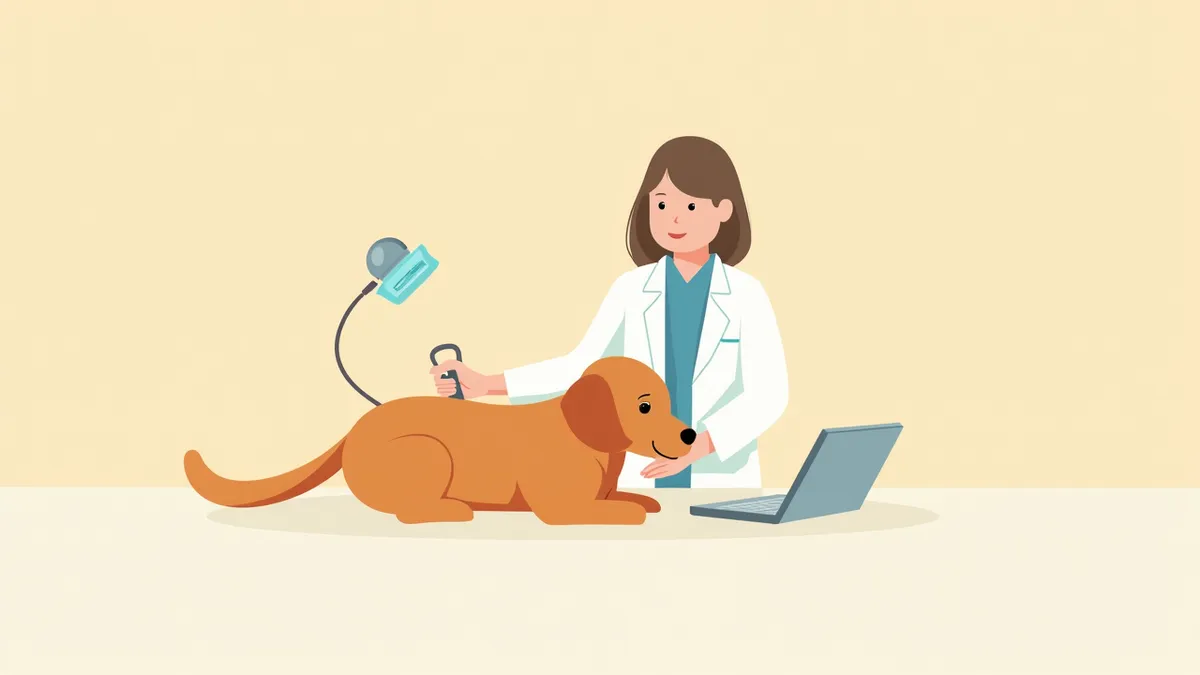
A kidney biopsy in dogs is a key diagnostic test to accurately assess kidney dysfunction. It is performed at a veterinary clinic and is essential for determining the underlying cause and establishing a treatment plan.
What Is a Dog Kidney Biopsy?
What Are the Main Causes for a Kidney Biopsy?
What Are the Main Symptoms and Signs?

Signs Requiring Immediate Veterinary Visit
If your dog has completely lost its appetite, has been vomiting repeatedly for more than a day, or has not urinated at all, you should take it to the vet immediately. These symptoms may indicate severe kidney damage and require emergency treatment. Be careful not to let the condition worsen before a biopsy.
How Is the Diagnostic Process Conducted?

Treatment Methods and Step-by-Step Management Points

Home Care and Daily Tips

Preventing Recurrence and Breed-Specific Precautions
Some dogs may be more susceptible to kidney disease due to conditions like familial nephropathy. If familial nephropathy is suspected based on age or breed, a more careful evaluation is needed before and after a biopsy. Even after a biopsy, it's important to regularly monitor kidney function through blood and urine tests, as well as blood pressure measurements. Avoid excessive medication use and high-protein diets, and work with your veterinarian to develop a long-term management plan.
Reviewed by a veterinarian

Dr. Tony — Punnawat Phongkittirak
VeterinarianA veterinarian who majored in veterinary medicine at Khon Kaen University, Thailand, and completed the IVSA program at North Carolina State University in the United States. Drawing on clinical experience at animal hospitals, he works in the pet healthcare field and is dedicated to building a digital care environment that connects pet parents with veterinarians.
Reviewed 2026-06-05
Frequently Asked Questions
Does a kidney biopsy hurt?
How long does the recovery period last after a biopsy?
When will the biopsy results be ready?
Is a biopsy absolutely necessary?
What special precautions should be taken after a biopsy?
Share
Related Guides

Top 5 Prescription Diets for Cats with Chronic Kidney Disease — Stage-Specific Protein Adjustment

7 Emergency Signs and Causes of Acute Kidney Failure in Dogs You Must Not Miss

Top 5 Cat Kidney Supplements Recommended for 2026

Feline Liver Abscess: Symptoms, Causes, Diagnosis, Treatment, and Care Essentials

Why Is Phosphorus a Problem in Our Dog's Kidney Disease? — A Complete Guide to Hyperphosphatemia and Phosphate Binders

If You Notice Abnormalities in Your Dog’s Urine — Causes of Hydronephrosis and When to Visit the Vet

A Complete Guide to Cat Kidney Blood Tests (BUN, Cr, SDMA) — From Interpreting Values to Management

Things That Harm Our Cat's Kidneys — Nephrotoxic Drugs/Substances and Emergency Response

If Your Cat Chewed on a Lily — Lily Nephrotoxicity and the Golden Time for Acute Kidney Failure

If Your Cat’s Blood Pressure Is Dangerous — Symptoms, Causes, and Treatment Timing for Hypertension Damaging the Kidneys
References
[1] Plumb's Veterinary Drug Handbook, 9th Edition, 2022
[2] The Merck Veterinary Manual, 12th Edition, 2021
[3] Small Animal Internal Medicine, 5th Edition, 2020