Like
Share
멍실장
강아지 혈당 곡선 모니터링 증상과 원인, 진단·치료와 관리 포인트 총정리

Complete Guide to Monitoring Blood Glucose Curves in Dogs — From Measurement to Insulin Adjustment

EndocrineDiseasesMeongsiljang Veterinary Advisory Board

Monitoring blood glucose curves is a key part of managing diabetes in dogs. It allows you to track continuous changes in blood sugar levels and accurately assess treatment effectiveness.

What Is Blood Glucose Curve Monitoring in Dogs?
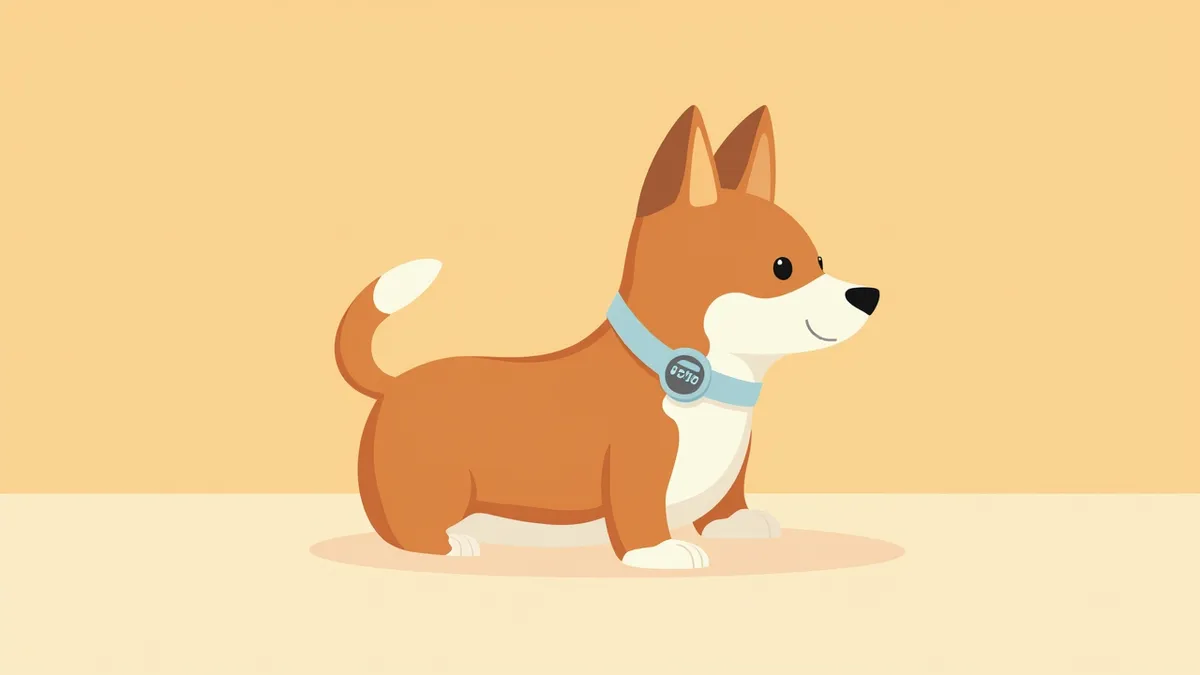
A blood glucose curve monitoring device attached to a dog's ear
Monitoring a dog’s blood glucose curve involves measuring blood sugar levels multiple times throughout the day and plotting the trends on a graph. This helps accurately identify fluctuations in blood glucose that may not be apparent from a single measurement. - Blood Glucose Curve: A key tool for visualizing daily blood sugar changes and evaluating treatment effectiveness. - Insulin Response Analysis: Helps determine the relationship between insulin administration time and blood glucose changes, allowing for dosage adjustments. - Meal Impact Assessment: Enables analysis of how the type and timing of meals affect blood sugar levels. - Hypoglycemia Risk Prediction: Allows for early detection and prevention of sudden drops in blood sugar. This process is fundamental to diabetes management and should be consistently monitored in collaboration with your veterinarian.

Key Reasons for Blood Glucose Curve Monitoring
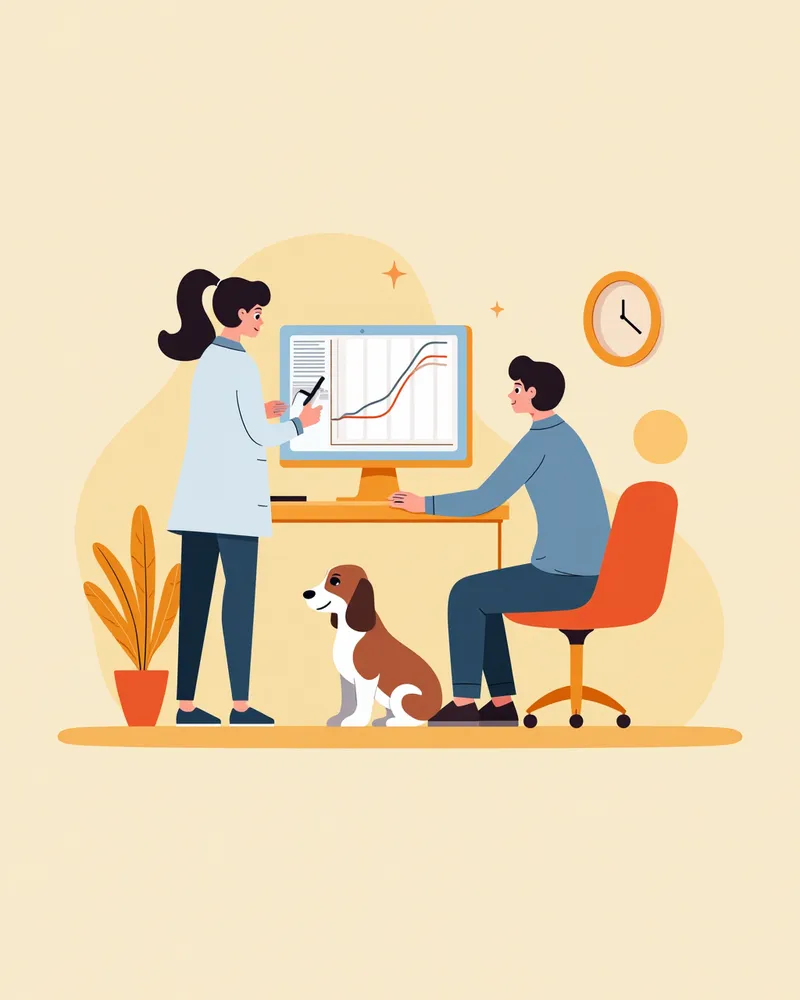
Monitoring your dog’s blood glucose curve is an essential part of diabetes management. - Establishing a treatment plan: It helps accurately adjust insulin dosages. - Analyzing meal patterns: It shows how different meals affect blood sugar levels. - Evaluating exercise impact: It allows you to monitor post-exercise blood sugar changes and balance activity with diet. - Early detection of hypoglycemia: It helps identify sudden drops in blood sugar to reduce risks. - Assessing treatment effectiveness: Regular monitoring ensures the treatment is working as intended. All of these steps play a crucial role in improving your dog’s quality of life.
A veterinarian analyzing a blood glucose curve graph.

Key Symptoms and Warning Signs

Monitoring your dog’s blood glucose curve can help identify several key warning signs:
Excessive thirst: Your dog may drink water frequently and persistently.
Frequent urination: You may notice your dog urinating or defecating multiple times a day.
Weight loss: Despite having a normal or increased appetite, your dog may lose weight or fail to maintain it.
Fatigue: Your dog may show reduced activity levels, sleep more than usual, or appear lethargic throughout the day.
Changes in appetite: There may be a sudden increase or decrease in your dog’s interest in food.
If these symptoms persist, a blood glucose curve test can help determine the underlying cause.
A puppy drinking water and a blood glucose monitoring device

When to Visit the Clinic Immediately

If your dog shows signs of hypoglycemia—such as trembling, lethargy, or fainting—during blood glucose curve monitoring, you should visit the clinic immediately. Hypoglycemia can be life-threatening, so prompt action is essential.

Diagnostic Procedures and Methods for Blood Glucose Curve Monitoring
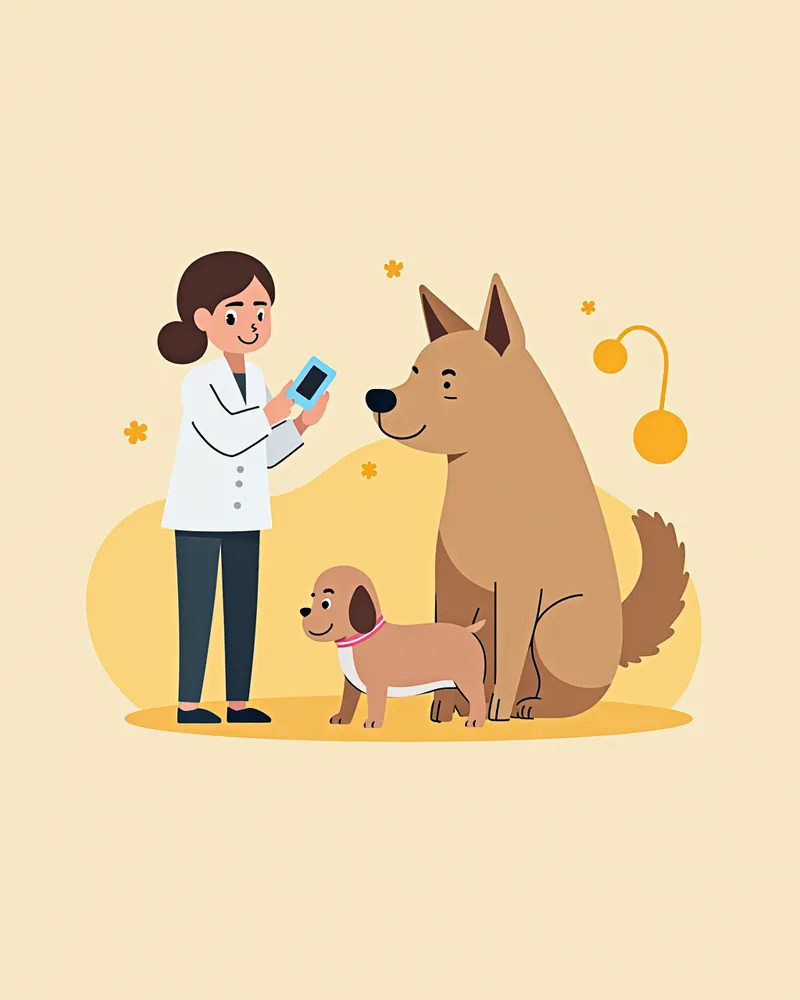
Blood glucose curve monitoring typically involves repeatedly measuring blood sugar every 1–2 hours over a 12- to 24-hour period and plotting the results on a graph. - Measurement intervals: Measurements begin before insulin administration and are checked every 1–2 hours, with more frequent or extended monitoring as needed. - Blood collection methods: This may involve repeated small blood draws or the use of a continuous glucose monitor (CGM) attached under the skin to measure interstitial fluid glucose levels. - Importance of record-keeping: It is essential to record the time of each measurement along with details of meals, exercise, and insulin administration. - Veterinary analysis: Your veterinarian will analyze the overall pattern to assess whether insulin is causing blood sugar to drop too quickly or excessively, or if it remains elevated for too long, and adjust the treatment plan accordingly. - Achieving accurate results: Without consistent measurement and documentation, meaningful analysis is difficult. This process is a crucial step for accurate diagnosis and treatment.
A veterinarian attaching a blood glucose sensor to a puppy's ear

Developing a Treatment Plan and Step-by-Step Management
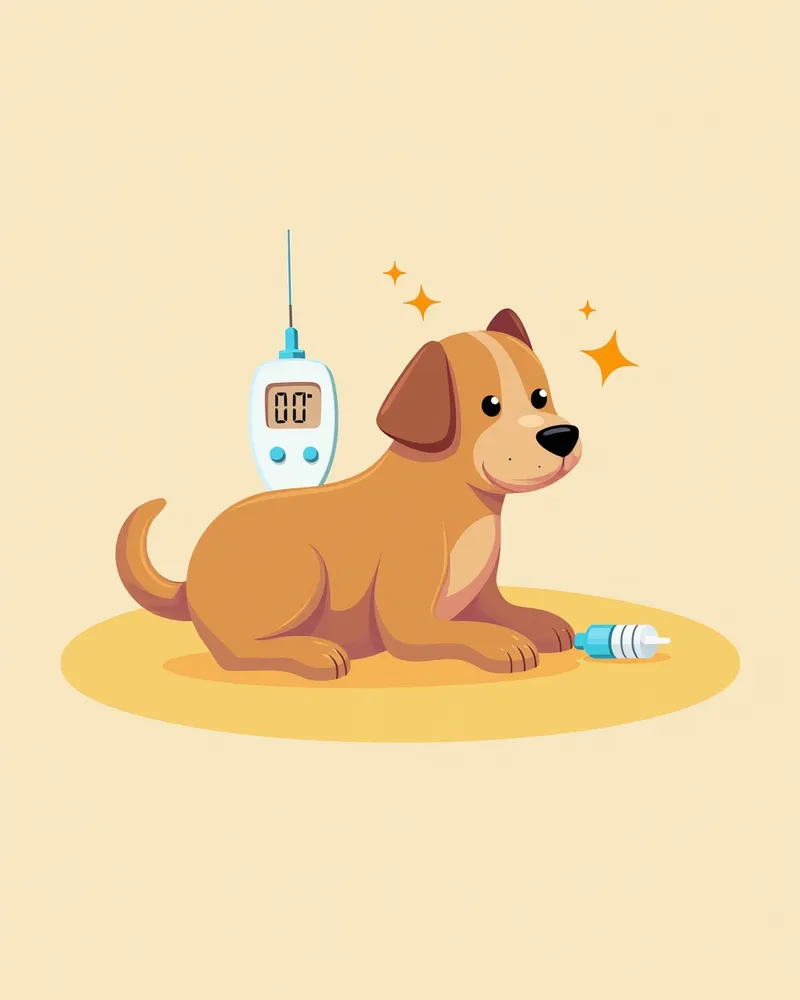
We develop a treatment plan based on the results of blood glucose curve monitoring. - Insulin adjustment: The dosage is adjusted according to changes in blood glucose levels. - Meal planning: A feeding routine is established with fixed times, consistent portions, and balanced nutrition. - Exercise routine adjustment: The timing and intensity of exercise are adjusted according to the dog's blood glucose response. - Regular monitoring: The curve is re-measured every 1–2 weeks to check the effectiveness of the treatment. - Collaboration with your veterinarian: If any changes occur, consult your vet immediately for adjustments. - Long-term management strategy: Ongoing care is essential, and family cooperation is key. All these steps are crucial for maintaining your dog’s health.
A veterinarian administering an insulin injection to a puppy.

Home Management Points

Home management for monitoring your dog’s blood glucose curve involves the following steps:
Regular measurements: Check blood glucose levels at consistent times each day.
Keep records: Log each reading along with details about meals, exercise, and insulin injections.
Maintain a stable environment: Minimize stressors to help reduce fluctuations in blood sugar.
Consistent feeding: Provide the same amount of food at the same time every day.
Controlled exercise: Avoid excessive activity, as it can lower blood glucose levels.
These habits can significantly improve the success of your dog’s treatment.
A puppy’s blood sugar log, food bowl, and a comfortable environment

Preventing Recurrence and Breed-Specific Precautions

Monitoring your dog’s blood glucose curve is not a short-term treatment but a long-term management strategy. Diabetes mellitus is a disease caused by relative or absolute insulin deficiency, and because some dogs are more susceptible, regular check-ups and consistent monitoring are essential. Failure to manage the condition properly can lead to complications such as diabetic ketoacidosis, so careful, ongoing care in partnership with your veterinarian is crucial.

Reviewed by a veterinarian

Dr. Tony — Punnawat Phongkittirak

Dr. Tony — Punnawat Phongkittirak

Veterinarian

A veterinarian who majored in veterinary medicine at Khon Kaen University, Thailand, and completed the IVSA program at North Carolina State University in the United States. Drawing on clinical experience at animal hospitals, he works in the pet healthcare field and is dedicated to building a digital care environment that connects pet parents with veterinarians.

Frequently Asked Questions

How often should blood glucose curve monitoring be performed?
A blood glucose curve is a test that involves measuring blood sugar levels multiple times throughout the day at one- to two-hour intervals. During the initial stabilization phase, this curve is repeated approximately every one to two weeks, and once treatment is stable, the monitoring interval is gradually extended to once a month or longer.
Does a blood glucose curve monitoring device hurt?
The device is attached to the skin, but it causes little to no pain. Some dogs may feel a bit uncomfortable at first, but they usually adjust quickly and have no issues.
What should I do if the blood glucose curve results are poor?
You should consult with your veterinarian to adjust the insulin dosage or meal plan. Never make adjustments on your own.
Can blood glucose curve monitoring be done at home?
Yes, some continuous glucose monitoring devices can be used at home. However, initial setup and interpretation of the results require a veterinarian’s guidance.
What should I do if my pet develops hypoglycemia?
Give your pet sugar water or honey right away, and if their condition worsens, take them to the vet. It’s a good idea to ask your veterinarian in advance about how to handle such situations.

Share

Related Guides

References

[1] Wess, G. and Reusch, C. (2000). Assessment of five portable blood glucose meters for use in cats. Am. J. Vet. Res. 61 (12): 1587–1592.

[2] Walsh, E.S., Drobatz, K.J., and Hess, R.S. (2016). Use of intravenous insulin aspart for treatment of naturally occurring diabetic ketoacidosis in dogs. J. Vet. Emerg. Crit. Care 26 (1): 101–107.

[3] Macintire, D.K. (1993). Treatment of diabetic ketoacidosis in dogs. Vet. Clin. North Am. Small Anim. Pract. 23 (3): 565–580.

This information is based on veterinary literature and does not replace diagnosis or treatment. Please consult a veterinarian for specific health concerns.

Metapet Co., Ltd. | CEO: Park Sung-yong | Business Reg. No. 417-88-02562 | Seoul, South Korea | Customer Center

Dog Blood Glucose Curves: From Measuring to Insulin Adjustment | Meongsiljang