Like
Share
멍실장
강아지 인슐린 주사 방법·용량 조절 증상과 원인, 진단·치료와 관리 포인트 총정리

Canine Insulin Injection Technique, Dosage Adjustment, Symptoms, Causes, Diagnosis, Treatment, and Management Essentials

EndocrineDiseasesMeongsiljang Veterinary Advisory Board

Canine diabetes is a chronic condition managed with insulin injections. Proper injection technique and precise dosage adjustment are key to successful treatment.

Canine Insulin Injection Technique and Dosage Adjustment Tips
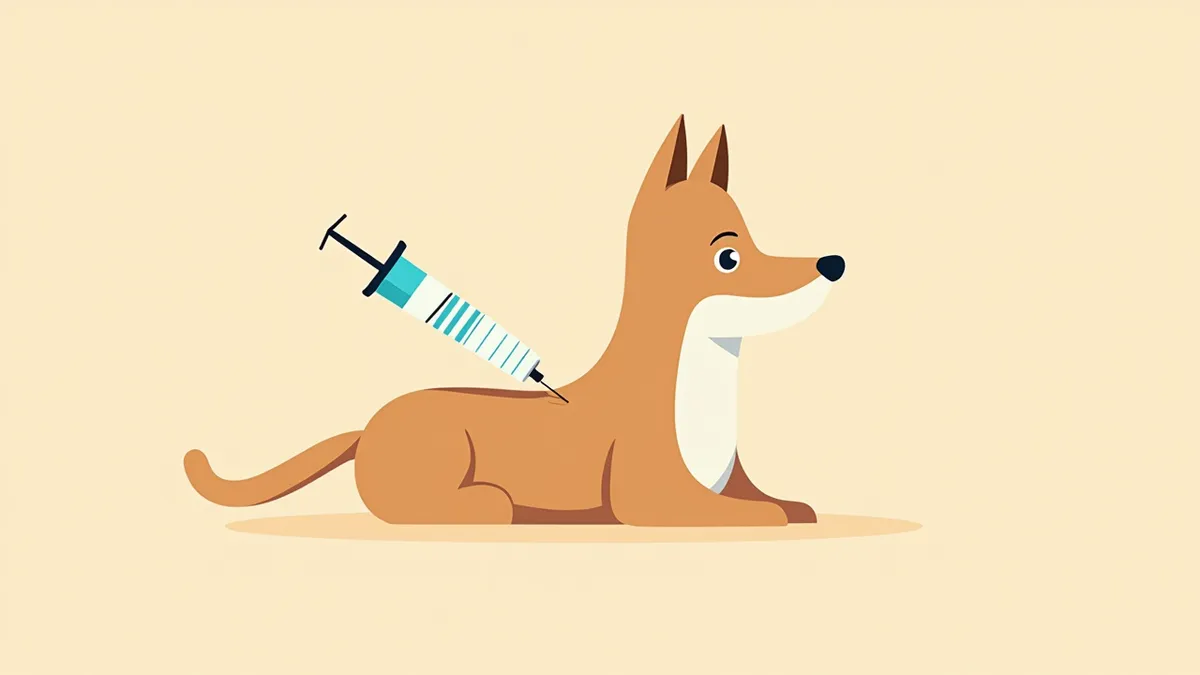
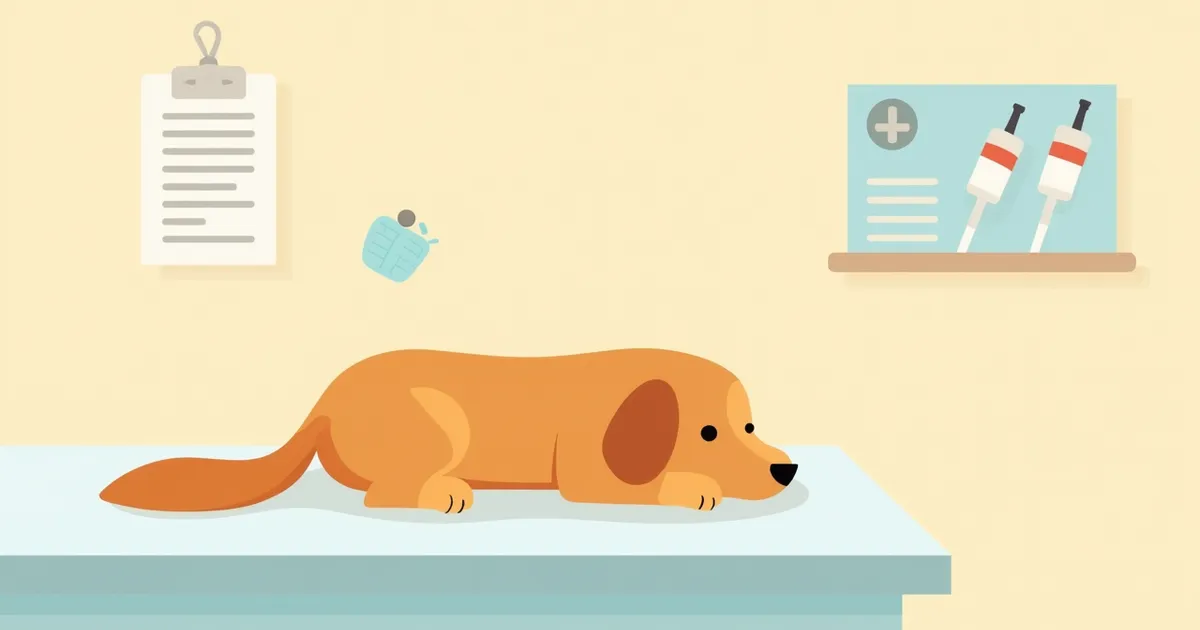
A veterinarian administering an insulin injection to a puppy.
Administering insulin injections to dogs requires precise technique and regular dose adjustments. - Injection Technique: Gently inject the insulin into the subcutaneous tissue on the back of the neck or along the back. Since insulin concentrations vary by product, always use the syringe specifically designed for that product to avoid overdosing or underdosing. Store insulin in the refrigerator, and before each injection, gently roll it to mix rather than shaking it. - Dose Adjustment: Adjust the dose according to your veterinarian’s instructions, taking into account your dog’s weight and blood glucose levels. Excessive dosing can cause hypoglycemia. Most dogs stabilize at a dose of approximately 1–1.5 units/kg. - Injection Timing: Administer the injection at the same time every day, typically immediately after meals. - Record Keeping: Meticulously record the injection time, dose, food intake, and blood glucose levels. These records are essential for your veterinarian to adjust the treatment plan. Regular veterinary visits and blood glucose monitoring are crucial.

Main Causes and Pathogenesis of Canine Diabetes
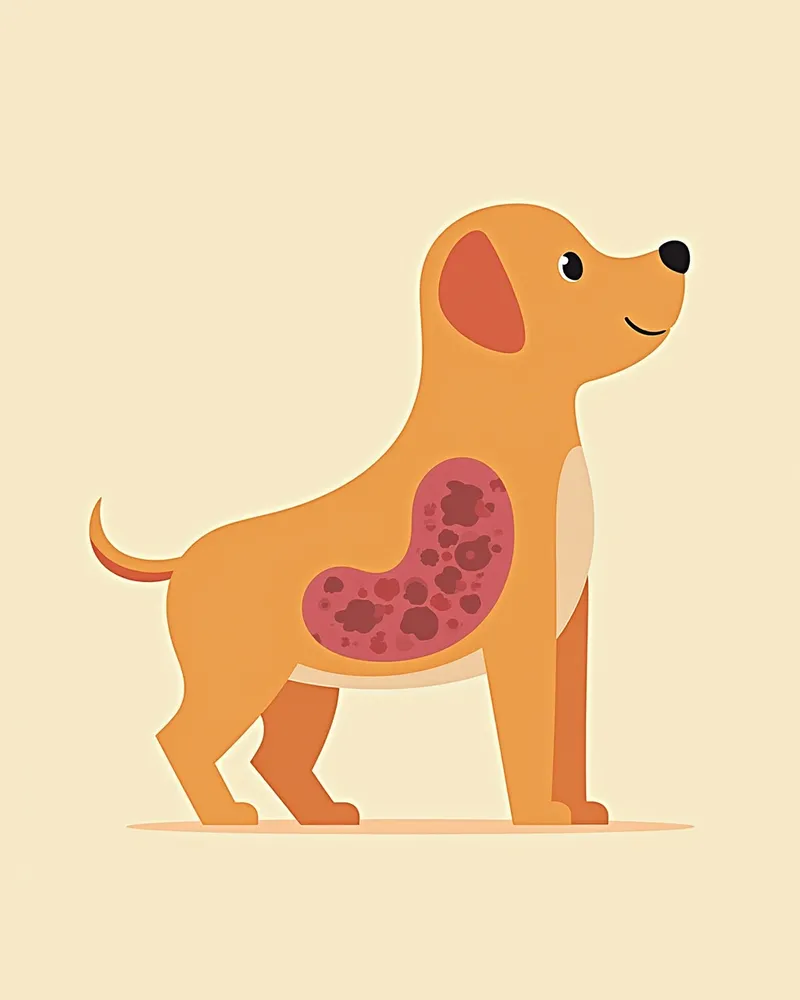
Canine diabetes occurs when the beta cells in the pancreas that produce insulin are damaged, or when insulin does not function properly. In dogs, it typically develops when beta cells are destroyed due to immune-mediated damage or chronic pancreatitis, leading to an absolute or relative insulin deficiency. - Genetic factors: Certain breeds (e.g., Samoyeds, Tibetan Terriers, and Cairn Terriers) have a higher predisposition to the disease. - Obesity: Weight gain increases insulin resistance and raises the risk of developing diabetes. - Immune disorders: Autoimmune reactions can destroy beta cells. - Hormonal imbalances: Excessive activity of hormones that counteract insulin, such as cortisol (glucocorticoids), increases the risk of diabetes. - Spay/neuter status: Unspayed females may experience sudden fluctuations in insulin requirements due to their estrous cycles, so spaying before the next heat cycle is recommended. Early detection and management are key to successful treatment.
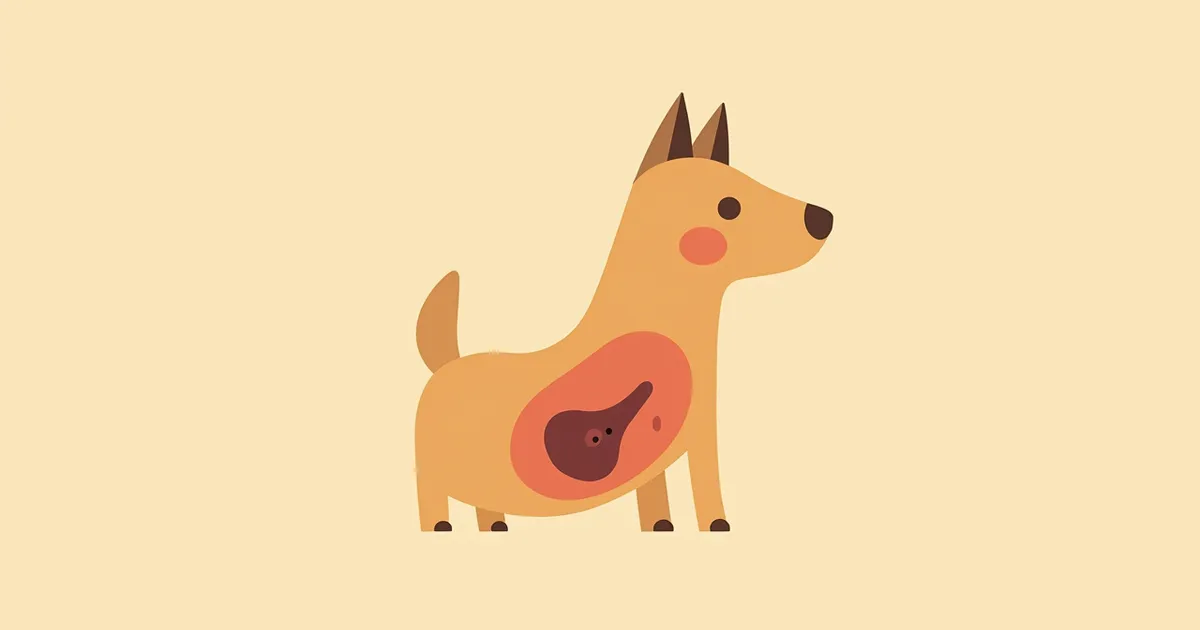
Location of insulin-producing cells in a dog's pancreas

Key Symptoms and Sign Checklist

Canine diabetes presents several characteristic symptoms. Early detection significantly improves treatment outcomes. Please watch closely for the following signs:
Excessive thirst: Drinking large amounts of water throughout the day.
Frequent urination: Needing to go to the bathroom often.
Weight loss: Losing weight despite increased food intake.
Increased appetite: Feeling constantly hungry.
Fatigue: Reduced activity levels and increased sleepiness.
Vision impairment: Cloudy eyes or stumbling.
Symptoms of diabetes in dogs: excessive thirst and fatigue

Symptoms Requiring Immediate Veterinary Visit

If your dog suddenly collapses, experiences severe tremors, or becomes disoriented, seek immediate veterinary care. This is a medical emergency caused by hypoglycemia, requiring urgent intervention by a veterinarian.

Canine Diabetes Diagnosis Methods and Testing Procedures
Diagnosing diabetes in dogs involves blood and urine tests. - Blood test: Measures blood glucose levels. A diagnosis is made when persistent hyperglycemia is confirmed, rather than relying on a single reading. - Urine test: The presence of glucose in the urine (glucosuria) raises suspicion of diabetes. - Fructosamine test: Reflects average blood glucose levels over the past 2–3 weeks. This test helps provide a more accurate assessment of glycemic control. - Additional tests: Alongside blood chemistry, complete blood count, and urinalysis, hormonal tests such as thyroid function may be performed. These help identify underlying causes and check for concurrent conditions. A definitive diagnosis is reached by comprehensively evaluating clinical signs alongside multiple test results.
A veterinarian drawing a blood sample from a puppy.

Canine Diabetes Treatment Methods and Step-by-Step Management
Treating diabetes in dogs involves insulin injections, dietary management, and exercise control. - Insulin injections: Your veterinarian will determine the injection frequency and dosage based on your dog’s weight and condition. Typically, injections are required once or twice daily. - Dietary management: Feed the same amount of food at the same time every day. Diets rich in complex carbohydrates and fiber are suitable, as they slow digestion and absorption to help stabilize blood sugar levels. - Meal and injection timing: Administer meals in coordination with insulin action; insulin is usually injected immediately after feeding. Maintain a consistent food portion size. - Blood glucose monitoring: Monitor blood glucose at home or have regular blood glucose curve tests performed at the clinic. Dosage adjustments are typically made after observing the response for at least 2–3 days. - Record keeping: Keep detailed records of injections, meals, and blood glucose readings. Work with your veterinarian to adjust the treatment plan. Consistent management is key to maintaining long-term health.
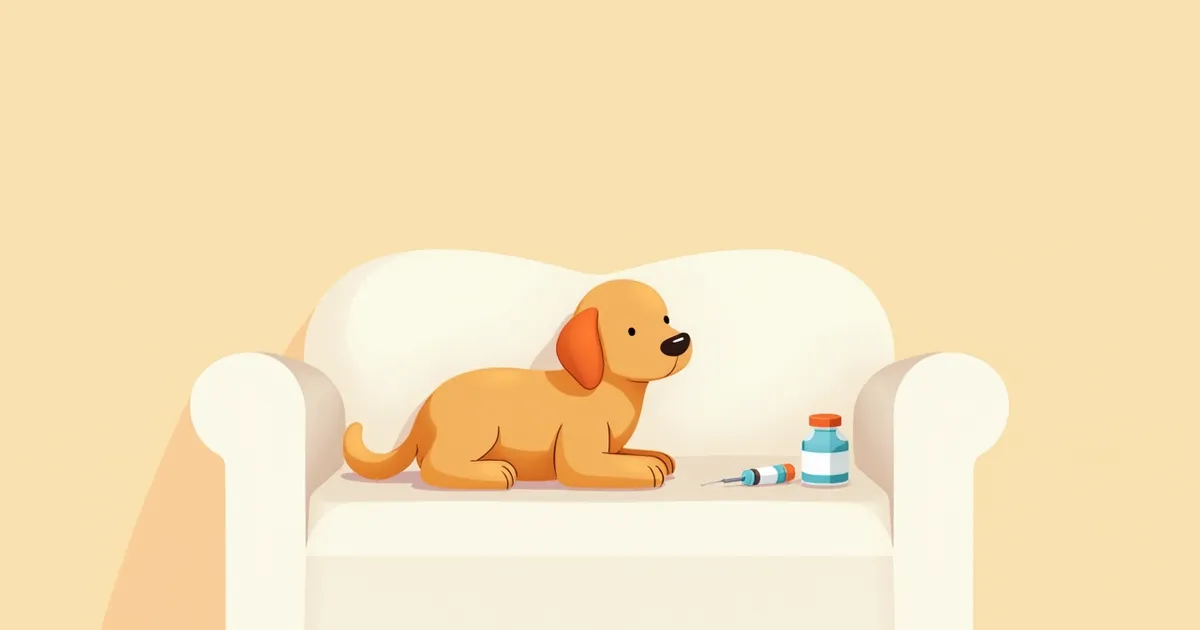
A pet owner keeping a vaccination log for their dog

Home Management and Care Points

Managing your dog’s diabetes requires consistent daily care. Please be sure to follow these guidelines:
Regular injections: Administer insulin at the exact time and dose prescribed.
Feeding schedule: Provide the same amount of food at the same time every day.
Blood glucose monitoring: Record blood glucose levels before and after each injection.
Exercise moderation: Avoid excessive exercise, as it can cause hypoglycemia.
Water access: Always ensure fresh, clean water is available.
Weight management: Obesity increases insulin resistance, so maintain a healthy weight.
Dog Diabetes Management Diary and Meal Schedule

Breed-Specific Precautions and Recurrence Prevention

Certain breeds, such as Samoyeds, Tibetan Terriers, and Cairn Terriers, are predisposed to diabetes. The risk is even higher in overweight or obese pets. Regular health check-ups and weight management are essential. Ongoing monitoring is also necessary during treatment.

Reviewed by a veterinarian

Dr. Tony — Punnawat Phongkittirak

Dr. Tony — Punnawat Phongkittirak

Veterinarian

A veterinarian who majored in veterinary medicine at Khon Kaen University, Thailand, and completed the IVSA program at North Carolina State University in the United States. Drawing on clinical experience at animal hospitals, he works in the pet healthcare field and is dedicated to building a digital care environment that connects pet parents with veterinarians.

Frequently Asked Questions

How many times a day should I give my dog insulin injections?
Typically, injections are needed once or twice a day. Your veterinarian will determine the appropriate schedule based on your pet’s individual condition.
How can you tell if your pet is experiencing low blood sugar after an insulin injection?
If your pet shows symptoms such as trembling, lethargy, decreased consciousness, or collapsing, it may be experiencing hypoglycemia. Immediately provide sugar and seek veterinary care right away.
How is the insulin injection dosage adjusted?
Based on blood sugar logs and changes in symptoms, the veterinarian will gradually adjust the injection dosage. Pet owners should never adjust it themselves.
My dog hates insulin injections. What should I do?
Try using positive reinforcement by showing affection before the injection and giving a treat afterward. Your veterinarian can guide you through the training process.
Is it normal for my pet to gain weight after starting insulin injections?
Insulin can cause weight gain. However, excessive weight gain can lead to obesity, so dietary management is necessary.

Share

Related Guides

References

[1] Plumb, D. C. (2023). Plumb's Veterinary Drug Handbook, 10th Edition. Wiley-Blackwell.

[2] Kirk, R. W., & Bonagura, J. D. (2021). Current Veterinary Therapy: Small Animal Practice. Elsevier.

[3] American Veterinary Medical Association. (2022). Guidelines for the Management of Canine Diabetes Mellitus. AVMA.

This information is based on veterinary literature and does not replace diagnosis or treatment. Please consult a veterinarian for specific health concerns.

Metapet Co., Ltd. | CEO: Park Sung-yong | Business Reg. No. 417-88-02562 | Seoul, South Korea | Customer Center

Dog Insulin Injections & Dosage: Symptoms to Management Guide | Meongsiljang