Like
Share
멍실장
고양이 녹내장 증상과 원인, 진단·치료와 관리 포인트 총정리

Feline Glaucoma: Symptoms, Causes, Diagnosis, Treatment, and Care Essentials

Eye HealthDiseasesMeongsiljang Veterinary Advisory Board

Feline glaucoma is an eye condition in which elevated intraocular pressure damages the optic nerve. Early detection is key to preserving vision, so be sure to familiarize yourself with the early signs, as well as diagnostic, treatment, and home care options.

What Is Feline Glaucoma?
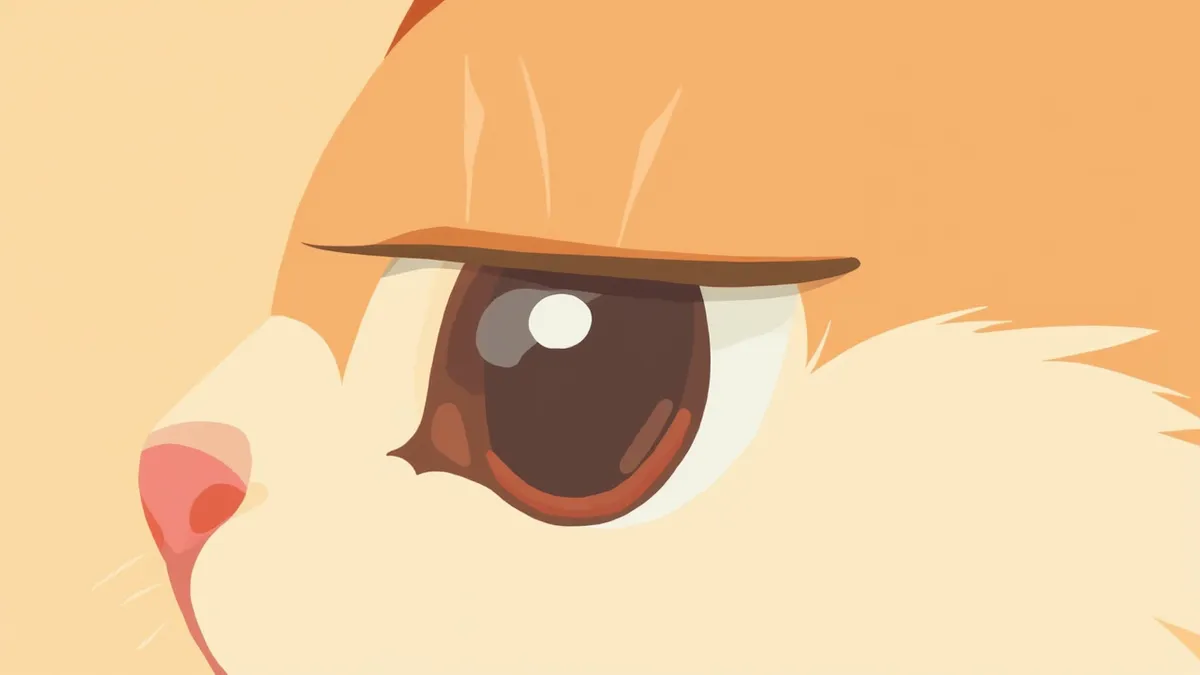
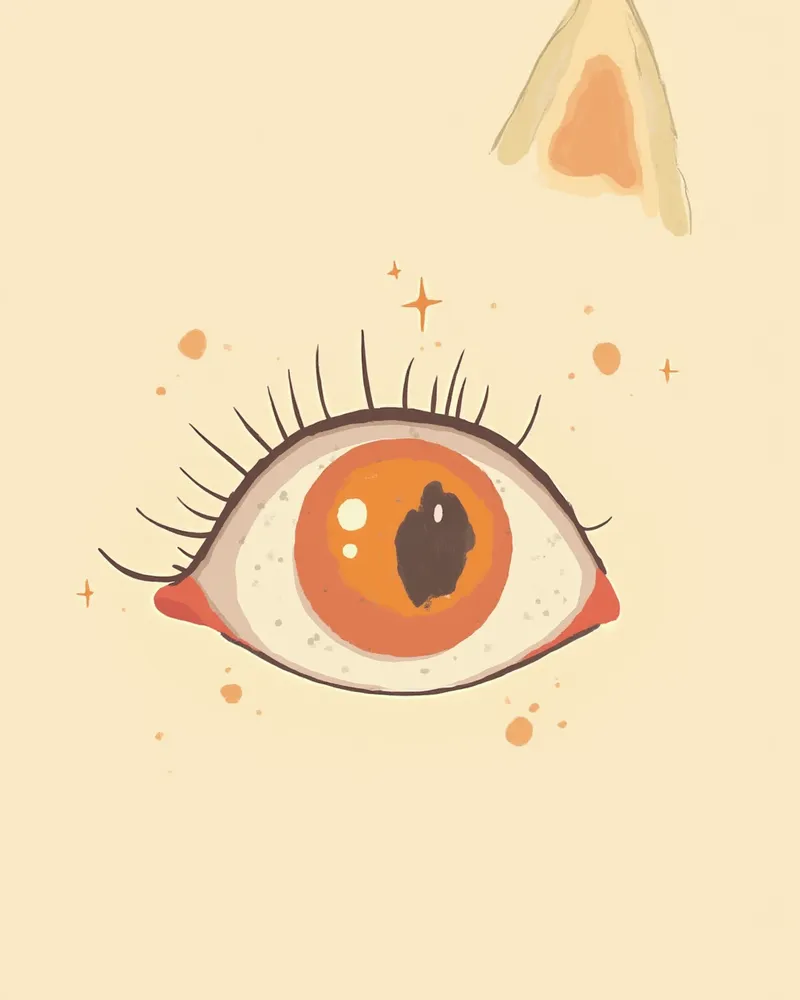
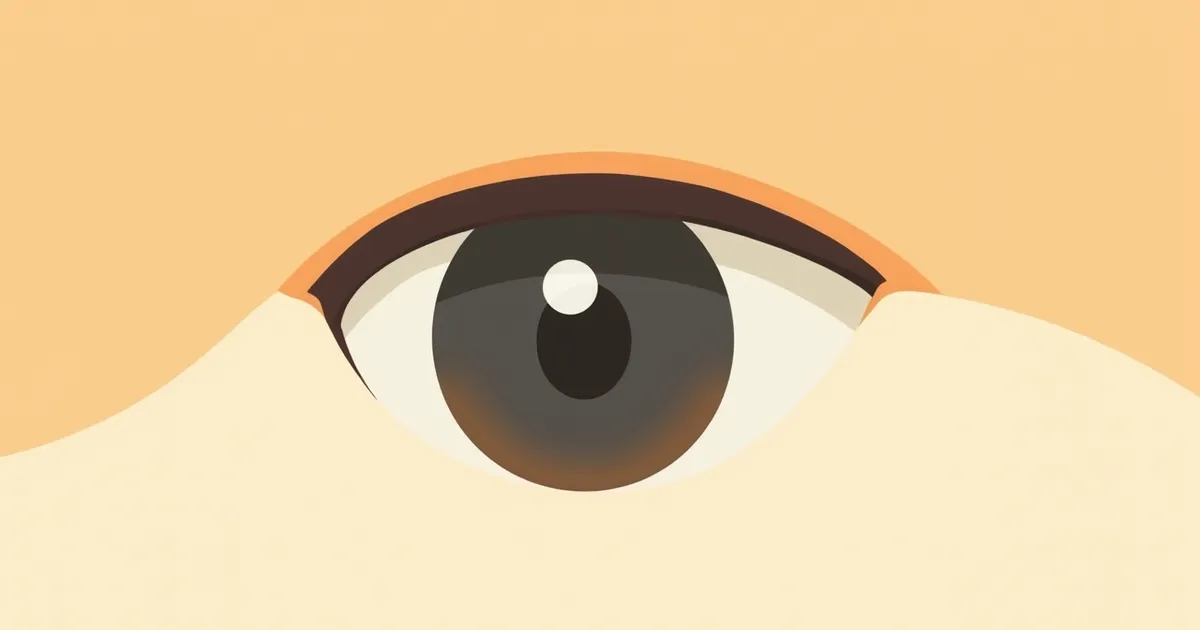
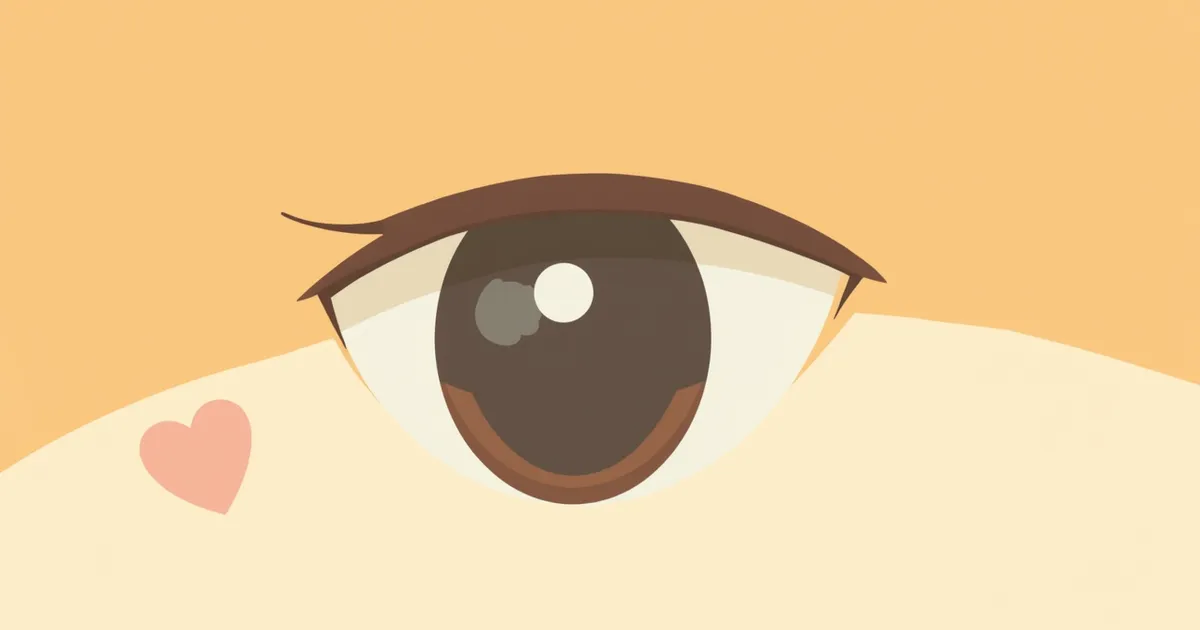
Close-up of a cat’s eye showing early signs of glaucoma
Feline glaucoma is an eye condition in which elevated intraocular pressure damages the optic nerve. Early detection is key to preserving vision. If intraocular pressure remains high, optic nerve damage progresses irreversibly and can lead to permanent blindness. Cats are skilled at masking pain, so owners often notice something is wrong only after the disease has advanced significantly. If you observe early signs such as redness of the eye or a cloudy, hazy cornea, seek veterinary care immediately.

Main Causes of Feline Glaucoma

Feline glaucoma is most often secondary, meaning it develops as a complication of another eye condition. Primary glaucoma, which is present from birth, is very rare in cats. The vast majority of cases are secondary glaucoma, where the physical flow of aqueous humor within the eye is blocked, causing intraocular pressure to rise.
Uveitis (inflammation inside the eye): This is the most common cause. Inflammation can lead to complications like posterior synechiae (adhesions between the iris and lens), which block the drainage pathways for aqueous humor and raise intraocular pressure.
Lens luxation: When the lens dislocates from its normal position, it can obstruct the flow of aqueous humor.
Ocular tumors: Tumors can directly block the drainage pathways or distort the internal structures of the eye, leading to increased intraocular pressure.
Hyphema (bleeding in the anterior chamber): Blood accumulation in the front part of the eye, often due to trauma, can interfere with the drainage of aqueous humor.
Congenital/Primary: Cases arising from structural abnormalities present at birth are extremely rare in cats.

Key Symptoms Checklist

Eye redness: The whites of the eyes appear red, or the conjunctiva becomes swollen.
Corneal clouding: An early sign where the surface of the eye becomes hazy or cloudy.
Pupil dilation: The pupils remain abnormally large and do not respond to light.
Globe enlargement (buphthalmos): Prolonged high intraocular pressure can cause the eyeball to enlarge and bulge outward.
Light avoidance: The pet may seek dark areas to avoid glare or frequently squint or close their eyes.
Vision loss: The pet may bump into furniture or hesitate to jump from heights.
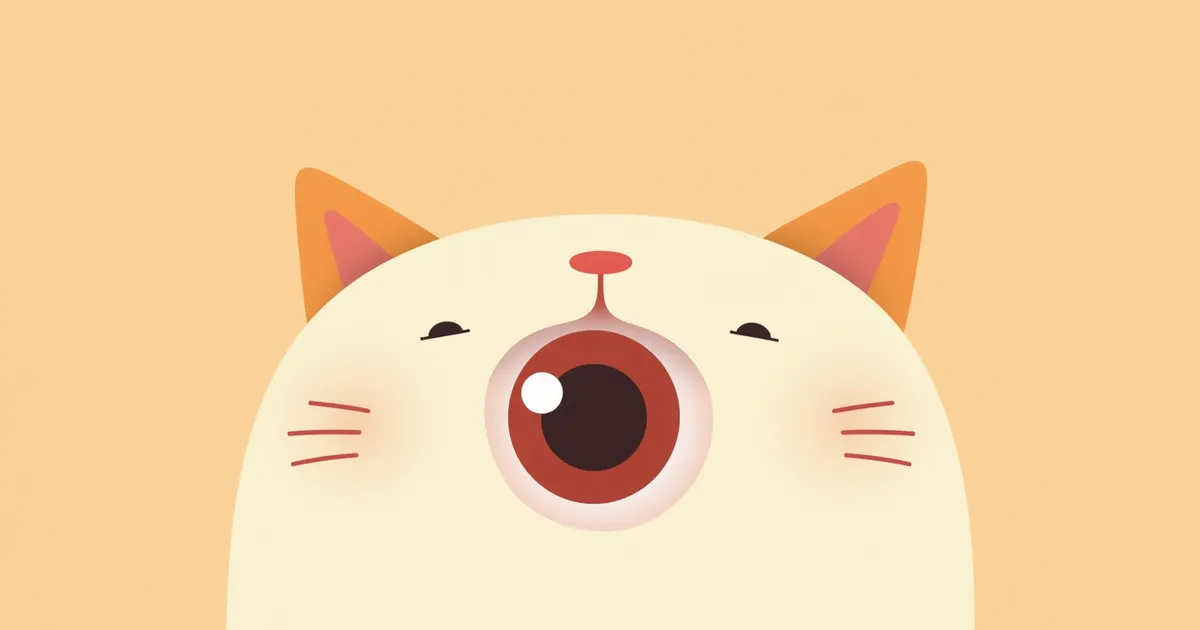
Symptoms of Feline Glaucoma — Corneal Clouding, Pupil Dilation, and Eye Redness Illustrated

Emergency Signs Requiring Immediate Veterinary Care

If one eye suddenly turns red and the cornea becomes cloudy, or if your pet keeps the eye tightly shut (blepharospasm) and resists being touched, immediate treatment is necessary. Glaucoma, especially when intraocular pressure rises rapidly, can progress quickly within a few hours. If left untreated, it can cause irreversible damage to the optic nerve, leading to permanent blindness. Even at night, you should visit a 24-hour emergency animal hospital to receive treatment to lower the intraocular pressure.

Diagnosis — Intraocular Pressure Measurement Is Key
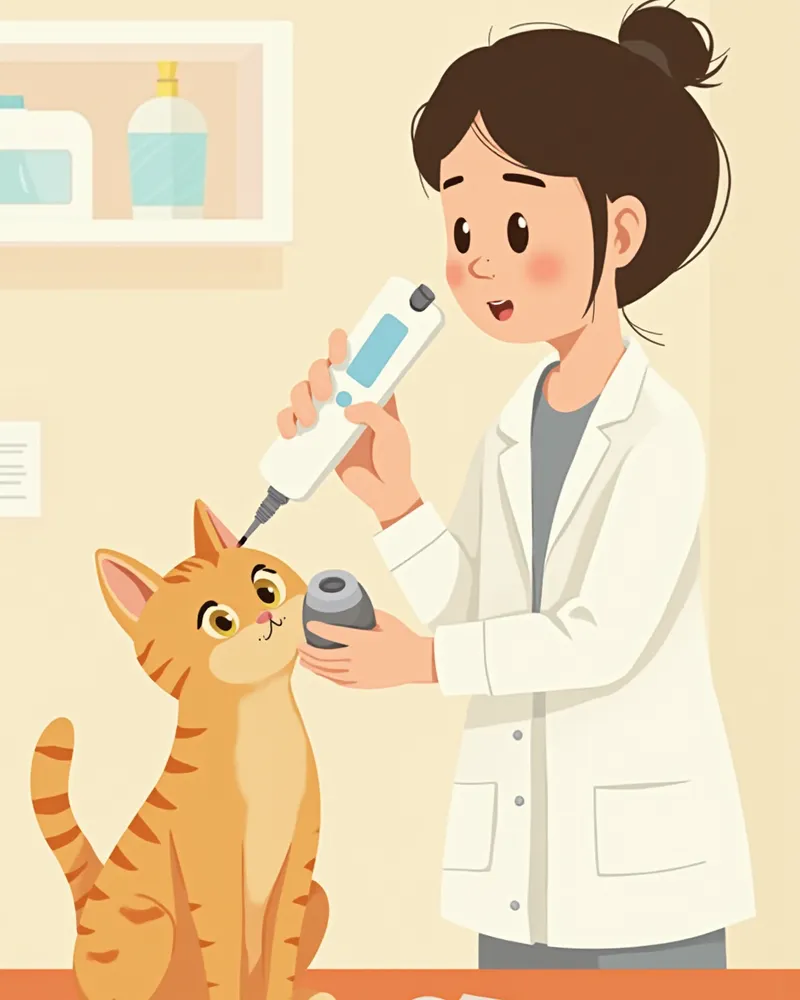
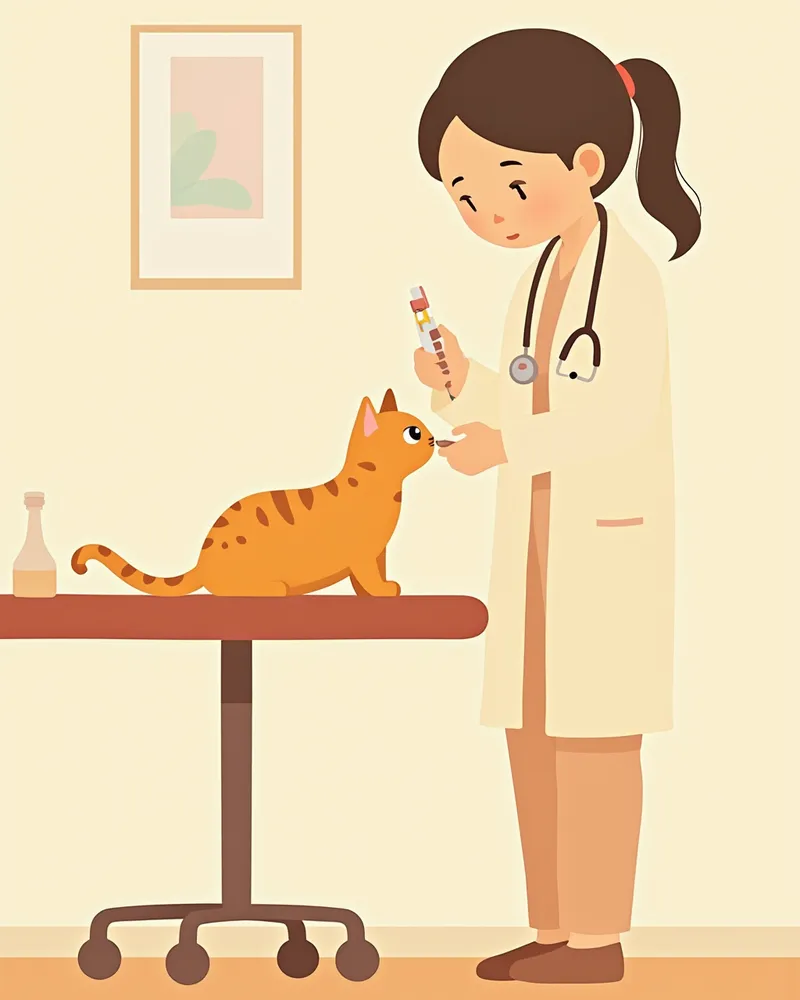
The cornerstone of diagnosis is measuring intraocular pressure. After applying topical anesthetic eye drops as needed, the veterinarian directly measures the pressure using a specialized instrument such as a tonometer (e.g., TonoVet or TonoPen). If the measured pressure exceeds the normal range, glaucoma is suspected, and the pressure is compared with that of the opposite eye using the same device. Additionally, a slit-lamp examination (to assess the cornea, iris, and anterior chamber) and a fundoscopic examination (to evaluate the optic nerve) are performed. Depending on the case, further tests such as blood work or ocular ultrasound may be required to identify underlying causes like uveitis or tumors.
A veterinarian measuring a cat's intraocular pressure.

Treatment — Step-by-Step Approach

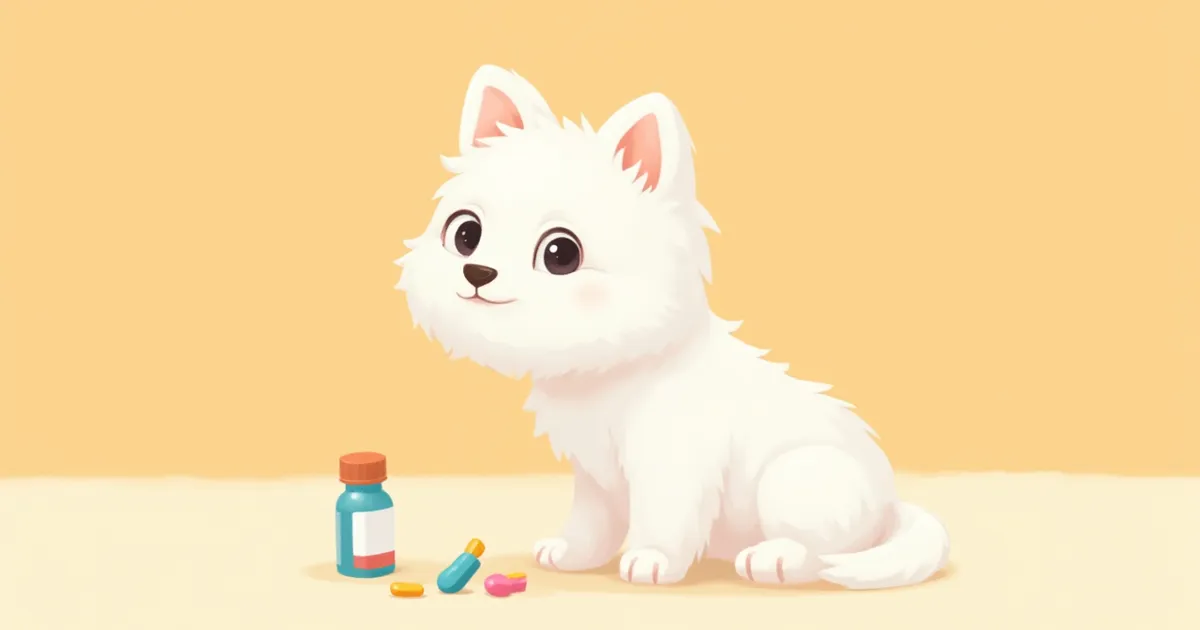
Eye drop therapy: Specialized eye drops that either inhibit aqueous humor production or enhance its drainage are administered two to three times daily. It is essential to strictly follow the dosage and administration instructions prescribed by your veterinarian.
Treatment of underlying conditions: If uveitis is the cause, anti-inflammatory treatment is administered concurrently.
Surgery: If medication fails to control the condition, laser procedures or the implantation of a drainage device may be considered. If vision has already been lost, enucleation (surgical removal of the eye) may be necessary to relieve pain.
Administering glaucoma eye drops to a cat

Home Care Essentials

Stick to the eye drop schedule: Administer prescribed eye drops exactly as directed to maintain stable intraocular pressure. Carbonic anhydrase inhibitor drops, such as dorzolamide, are typically applied every 12 hours, and it may take several days for the full therapeutic effect to stabilize.
Maintain a calm environment: Avoid compressing the jugular vein or applying direct pressure to the eyes during handling or veterinary care, as this can affect intraocular pressure. Keep your cat’s surroundings quiet and comfortable to prevent excessive stress.
Regular intraocular pressure checks: Even during treatment, regularly recheck intraocular pressure to monitor control and screen for any side effects.
Keep the eye area clean: Gently wipe away any discharge or crust with clean gauze to prevent buildup.
Watch for abnormal behavior: If your cat bumps into walls or seeks out dark areas, these could be signs of vision loss.

Breeds to Watch Closely

Burmese, Siamese, and Persian cats are at a relatively higher risk of developing glaucoma and other eye conditions. If you own one of these breeds, check their eyes more frequently for any abnormalities, and have them undergo an ophthalmic examination at least once a year, even if no specific symptoms are present.

Reviewed by a veterinarian

Dr. Tony — Punnawat Phongkittirak

Dr. Tony — Punnawat Phongkittirak

Veterinarian

A veterinarian who majored in veterinary medicine at Khon Kaen University, Thailand, and completed the IVSA program at North Carolina State University in the United States. Drawing on clinical experience at animal hospitals, he works in the pet healthcare field and is dedicated to building a digital care environment that connects pet parents with veterinarians.

Frequently Asked Questions

Can feline glaucoma be cured?
Rather than a complete cure, this condition is more akin to long-term management. By treating the underlying disease and consistently regulating intraocular pressure, it is sometimes possible to preserve vision. However, if the optic nerve has suffered significant damage, restoring vision is difficult, and the primary goal of treatment becomes ensuring a pain-free life.
My pet has glaucoma in one eye. Should I be concerned about the other eye as well?
Yes, if glaucoma has developed in one eye, the other eye should be closely monitored. In particular, if uveitis is the underlying cause, both eyes can be affected. It is important to regularly check intraocular pressure in both eyes.
Is it safe to use eye drops for a long time without side effects?
Veterinarian-prescribed eye drops can be used long-term. However, regular check-ups are necessary to monitor intraocular pressure control and check for any side effects. Do not stop using them or change the dosage on your own, as this could cause a sudden spike in intraocular pressure.
Will a cat adapt well after undergoing enucleation surgery for glaucoma?
Yes, most cats adapt well even after losing one eye. If your cat was suffering from chronic pain before the surgery, their quality of life often improves significantly afterward. During the recovery period, it’s important to ensure they wear an Elizabethan collar and receive their prescribed eye drops as directed.
How can feline glaucoma be prevented?
While complete prevention is difficult, you can reduce the risk by managing infections that cause uveitis—such as feline herpesvirus and feline immunodeficiency virus—through vaccinations and regular check-ups. Most importantly, the most effective preventive measure is to detect any unusual symptoms early and begin treatment promptly.

Share

Related Guides

References

[1] Blocker T, van der Woerdt A. The feline glaucomas: 82 cases (1995-1999). Veterinary Ophthalmology. 2001;4(2):81-85.

[2] Strom AR, Hässig M, Iburg TM, Spiess BM. Epidemiology of feline glaucoma in Switzerland (1994-2006). Veterinary Ophthalmology. 2011;14(2):121-126.

[3] Gelatt KN. Veterinary Ophthalmology, 5th Ed., Ch. 12: Glaucoma. Wiley-Blackwell, 2013.

This information is based on veterinary literature and does not replace diagnosis or treatment. Please consult a veterinarian for specific health concerns.

Metapet Co., Ltd. | CEO: Park Sung-yong | Business Reg. No. 417-88-02562 | Seoul, South Korea | Customer Center

Feline Glaucoma: Symptoms, Causes, Diagnosis & Treatment | Meongsiljang