Like
Share
멍실장
강아지 탈수와 신장 손상 증상과 원인, 진단·치료와 관리 포인트 총정리

My Dog Won’t Drink Water — Dehydration and Acute Kidney Injury, When to Go to the Vet

KidneyDiseasesMeongsiljang Veterinary Advisory Board

Dehydration and kidney damage in dogs are dangerous conditions caused by insufficient fluid intake or exposure to toxic substances. Early detection and proper management are key to saving your pet’s life.

What Are Dehydration and Kidney Injury in Dogs?
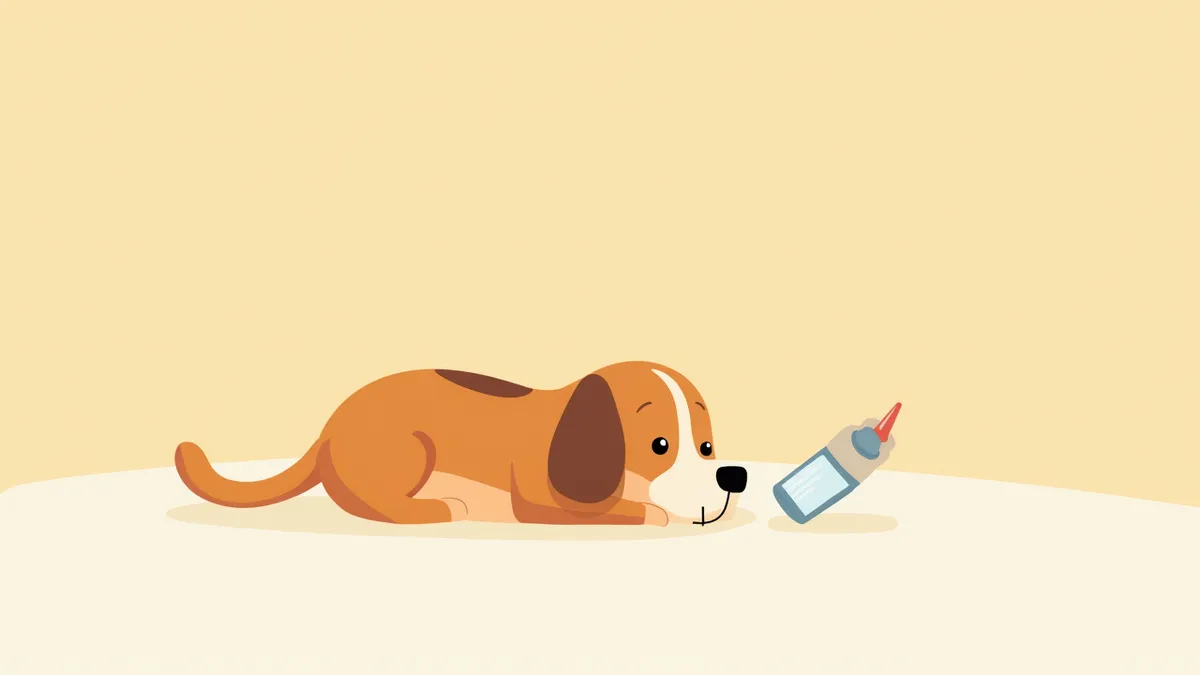
A veterinarian checking a dog’s mouth to assess signs of dehydration.
Dehydration and kidney injury in dogs occur when a lack of fluids and electrolytes impairs normal kidney function. This condition can progress rapidly over hours to days, posing a life-threatening risk, so early detection is crucial. - Dehydration: A rapid loss of body fluids reduces blood volume and increases the burden on the kidneys. - Kidney Injury: Kidney cells are damaged by ischemia (insufficient blood flow), toxins, infections, or inflammatory responses, making it difficult to excrete waste products (uremic toxins) and concentrate urine. - Fluid Balance: When a dog’s fluid intake and output become imbalanced, the kidneys cannot function properly. - Early Symptoms: Signs may include increased thirst, decreased appetite, lethargy, and reduced urine output. However, it is also common for dogs to produce more urine and drink excessive amounts of water. The sooner treatment begins, the higher the chance of recovery.

What Are the Main Causes?

The main causes of dehydration and kidney damage in dogs include insufficient water intake, severe diarrhea or vomiting, exposure to high temperatures, ingestion of toxic substances, and serious infections. Grapes and raisins, antifreeze (ethylene glycol), certain nonsteroidal anti-inflammatory drugs (NSAIDs), and some antibiotics (aminoglycosides) can cause severe kidney damage.
Insufficient hydration: Occurs when dogs do not drink enough water or lose significant fluids through diarrhea, vomiting, or panting.
Ingestion of toxic substances: Grapes, raisins, antifreeze, and certain medications (such as NSAIDs) can directly cause kidney toxicity.
Severe diarrhea or vomiting: Leads to rapid loss of bodily fluids and electrolytes.
Serious infections: Infectious diseases such as babesiosis and ehrlichiosis can also cause kidney damage.
High-temperature environments: Risk of dehydration increases due to elevated body temperature during walks or if a dog is trapped in a hot car.
A puppy trapped in a hot car, at risk of dehydration due to heat.

What Are the Main Signs?

The main signs of dehydration and kidney damage in dogs include the following. If you notice any of these symptoms, consult your veterinarian immediately.
Dry lips and mouth: The mucous membranes feel dry and sticky, with reduced moisture.
Sunken eyes: The eyes appear sunken, and the third eyelid (nictitating membrane) may become more prominent.
Decreased skin elasticity: When you gently pinch and release the skin on the back of the neck, it returns to its normal position slowly rather than snapping back quickly.
Reduced activity level: Your dog moves less than usual and seems lethargic.
Increased thirst and changes in drinking behavior: Your dog may drink frequently but still appear thirsty.
Changes in urine output: Urine production may be significantly reduced or absent, or conversely, greatly increased.
Checking for signs of dehydration in dogs: dry lips and sunken eyes

Emergency Signs Requiring Immediate Veterinary Visit

If your dog is unable to urinate at all, or is experiencing severe vomiting, decreased consciousness, or difficulty breathing, immediate transport to a veterinary hospital is essential. These signs indicate severe kidney damage, and delays in treatment can significantly complicate the prognosis.

What Are the Accurate Diagnostic Methods?
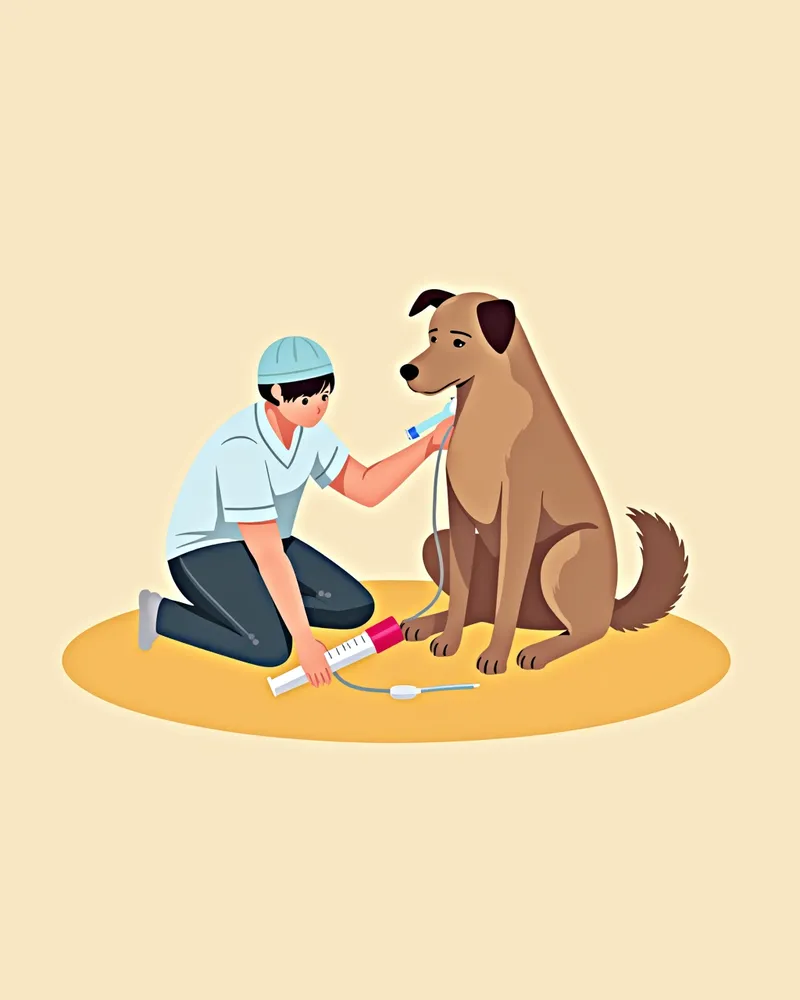
Diagnosing dehydration and kidney damage in dogs primarily involves blood and urine tests. Your veterinarian will check creatinine and BUN levels, which are key indicators of kidney function, and analyze urine concentration and the presence of protein.
Blood tests: Measure creatinine, BUN, and electrolyte levels to assess kidney function.
Urine tests: Check urine concentration, protein, and the presence of cells to determine the extent of damage.
Ultrasound: Visualize kidney size and structure to identify any abnormalities.
Assessment for heart failure: Evaluate heart function to distinguish between fluid overload and dehydration.
A veterinarian drawing blood from a puppy.

How Is It Treated?

Treating dehydration and kidney damage in dogs centers on rehydration and addressing the underlying cause. Veterinarians typically administer fluids and electrolytes intravenously for rapid replenishment.
Intravenous Fluid Therapy: Fluids are delivered via IV to quickly correct dehydration and maintain renal blood flow and fluid balance, usually requiring hospitalization.
Removal of Toxic Substances: If ingestion of a toxic substance is suspected, treatments such as gastric lavage or adsorbents may be used to remove it.
Supporting Kidney Function: It is crucial to begin early treatment that supports renal perfusion and hydration, giving the kidneys time to recover.
Dietary Management: To reduce the burden on the kidneys, we recommend a diet with appropriately restricted protein levels and reduced phosphorus.
Respiratory and Fluid Management: If breathing difficulties or fluid overload are concerns, supportive care such as oxygen therapy is provided.
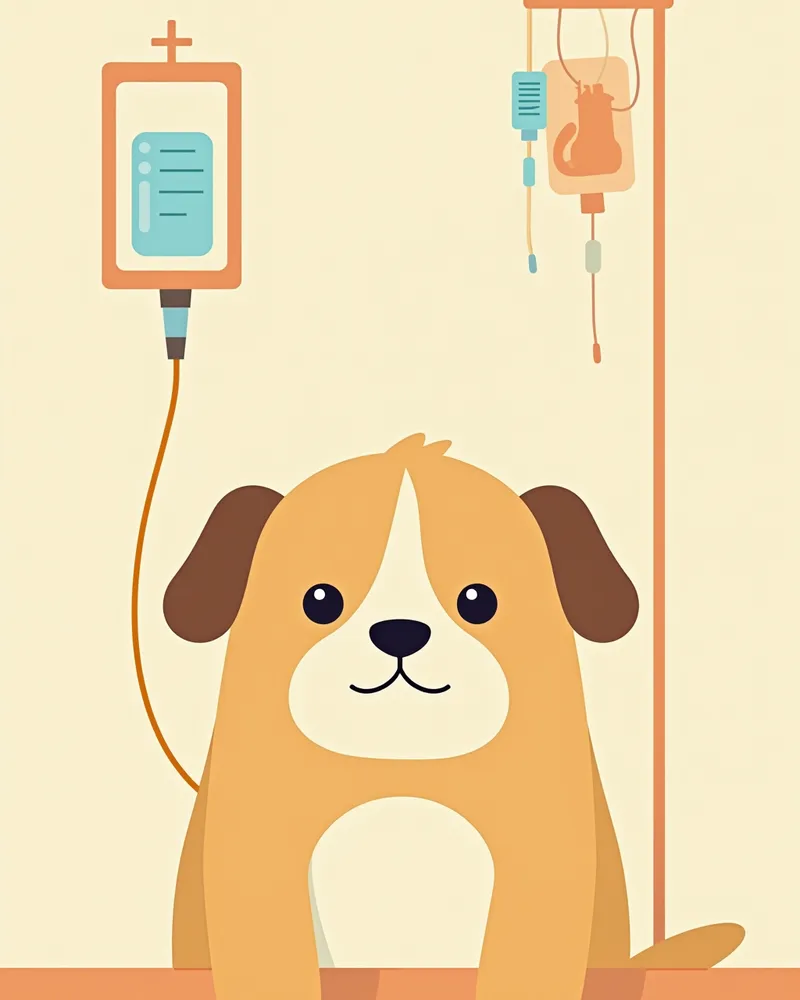
A puppy receiving an intravenous injection at the clinic

Home Care Points

Consistent care is essential even after treatment. Please closely monitor your dog’s condition at home.
Water provision: Always provide fresh water and check if your dog is feeling thirsty frequently.
Diet management: Strictly follow the diet prescribed by your veterinarian. Avoid high-protein and high-phosphorus foods.
Activity restriction: During recovery, avoid excessive exercise and provide a comfortable environment.
Urine monitoring: Record how many times your dog urinates per day, as well as the color and volume.
Regular check-ups: Consult with your veterinarian every 1–2 weeks to monitor kidney function.
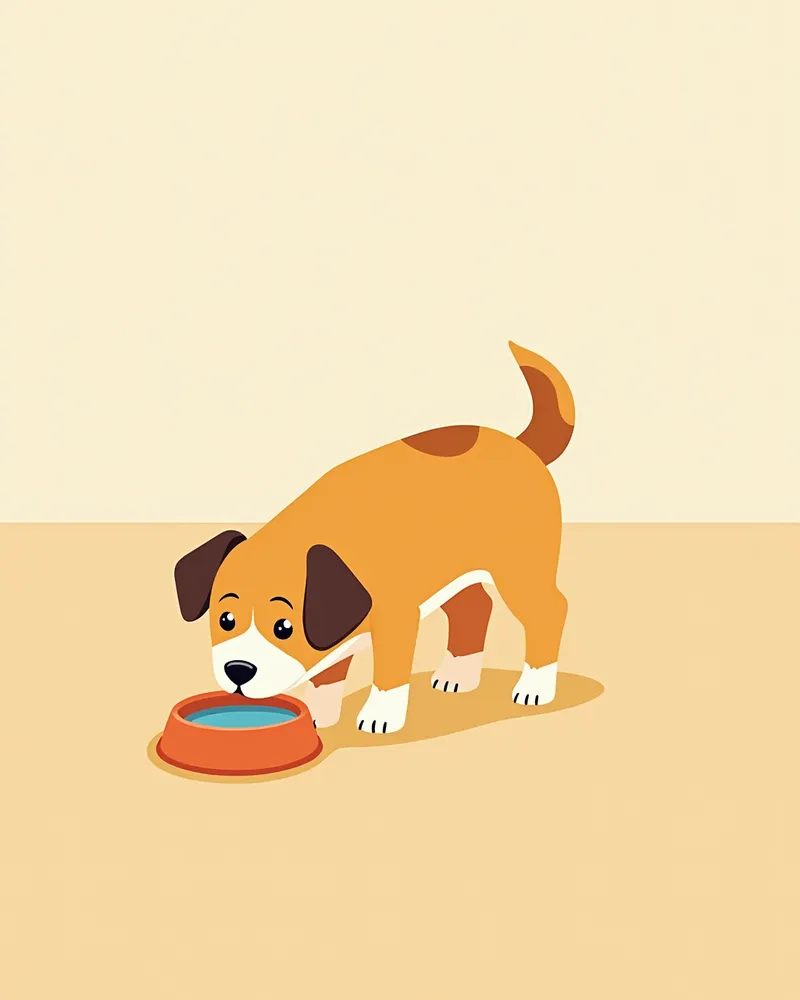
A puppy drinking fresh water

Preventing Recurrence and Breed Precautions

As dogs age, their kidney function can weaken, making regular health check-ups essential. It’s also important to manage their environment to prevent exposure to nephrotoxic substances such as grapes, raisins, antifreeze, and certain medications (e.g., NSAIDs). Dogs that have experienced kidney damage are at risk of recurrence, so ensure they stay well-hydrated and maintain regular consultations with your veterinarian to monitor their kidney function.

Reviewed by a veterinarian

Dr. Tony — Punnawat Phongkittirak

Dr. Tony — Punnawat Phongkittirak

Veterinarian

A veterinarian who majored in veterinary medicine at Khon Kaen University, Thailand, and completed the IVSA program at North Carolina State University in the United States. Drawing on clinical experience at animal hospitals, he works in the pet healthcare field and is dedicated to building a digital care environment that connects pet parents with veterinarians.

Frequently Asked Questions

Can a dog become dehydrated if it doesn’t drink water?
Yes, if your pet doesn't drink water, they can become dehydrated, which may lead to kidney damage. You should consult a veterinarian right away.
What can you do at home if your pet is dehydrated?
While you should ensure your pet has access to water, home care has its limits when dealing with severe dehydration. Severe dehydration typically requires hospitalization for intravenous fluid therapy, so immediate veterinary attention is necessary. At home, the best you can do is frequently offer fresh water and limit your pet's activity.
How long does it take to recover after kidney damage?
The recovery period varies depending on the extent of the damage. Injuries caused by blood flow issues (ischemic) may recover relatively quickly, but if the kidney tissue itself is damaged, it can take several weeks to months to heal. If the condition becomes chronic, long-term management will be necessary.
Why might a puppy not be urinating?
Inability to urinate can be caused by decreased kidney function, dehydration, or urinary tract obstruction. Your pet needs to be examined at a veterinary clinic right away.
What kind of diet would you recommend for prevention?
We recommend a diet that limits protein to an appropriate level and reduces phosphorus to avoid placing undue stress on the kidneys. Using a prescription diet recommended by your veterinarian is the safest option.

Share

Related Guides

References

[1] Plumb's Veterinary Drug Handbook, 9th Edition, 2022

[2] Small Animal Critical Care Medicine, 3rd Edition, Langston & Eatroff, 2021

[3] The Cat, Clinical Medicine and Management, 2nd Edition, 2020

This information is based on veterinary literature and does not replace diagnosis or treatment. Please consult a veterinarian for specific health concerns.

Metapet Co., Ltd. | CEO: Park Sung-yong | Business Reg. No. 417-88-02562 | Seoul, South Korea | Customer Center

Dog Won't Drink Water? Dehydration & Acute Kidney Injury Signs | Meongsiljang