Like
Share
멍실장
고양이 심박조율기 삽입 증상과 원인, 진단·치료와 관리 포인트 총정리

If Your Cat’s Heart Rate Is Too Slow — When to Insert a Pacemaker and Key Care Points

HeartDiseasesMeongsiljang Veterinary Advisory Board

Inserting a pacemaker in cats is a necessary procedure when their heart rate becomes too slow, leading to impaired cardiac function. This is a vital treatment that can help sustain life.

What Is Pacemaker Implantation in Cats?
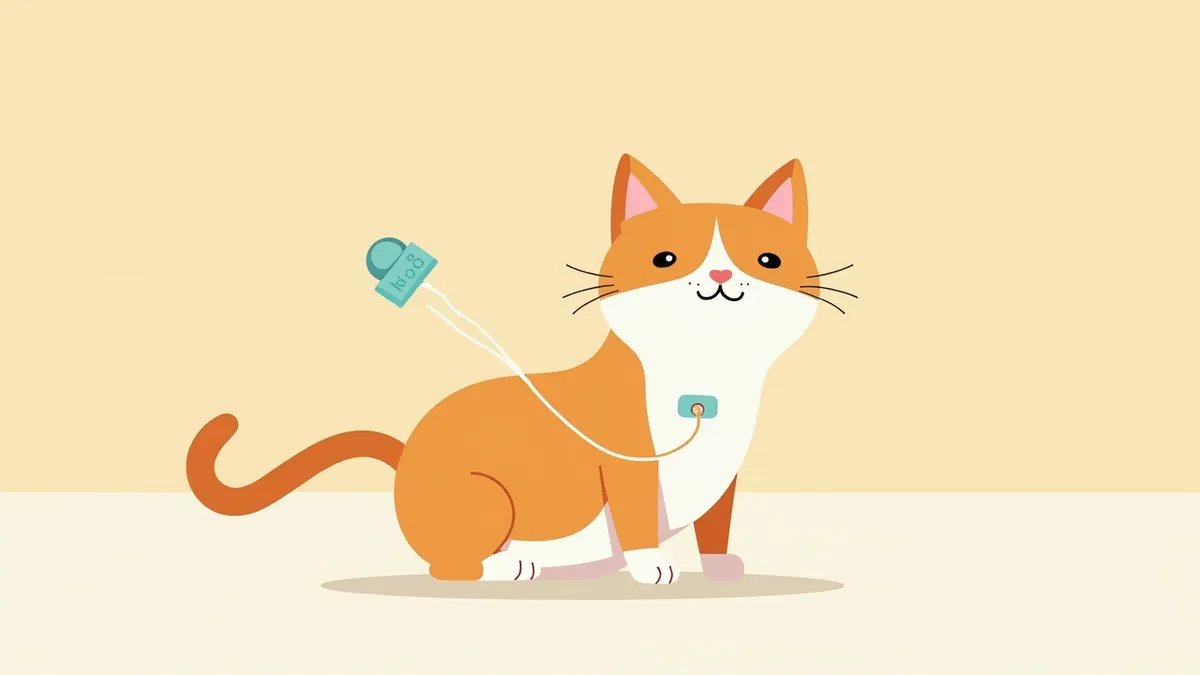
A cat with a pacemaker implanted in its chest.
A pacemaker implantation for cats is a surgical procedure that regulates the heart rate through electrical signals when the heart beats too slowly to pump blood effectively. This procedure is performed in cases of abnormalities in the heart's conduction system or when the heart rate is persistently slow. - Heart Block: This condition occurs when the transmission of electrical signals in the heart is disrupted, causing a slow heart rate, and a pacemaker is essential in such cases. - Decreased Cardiac Function: Insufficient blood supply can lead to shock or fainting. - How a Pacemaker Works: Electrodes are inserted into the heart to induce a normal rhythm, and electrical stimulation is provided as needed. After surgery, cats can resume their daily activities, and their quality of life improves significantly. This is a crucial treatment for sustaining life.

What Are the Main Causes for Pacemaker Implantation?
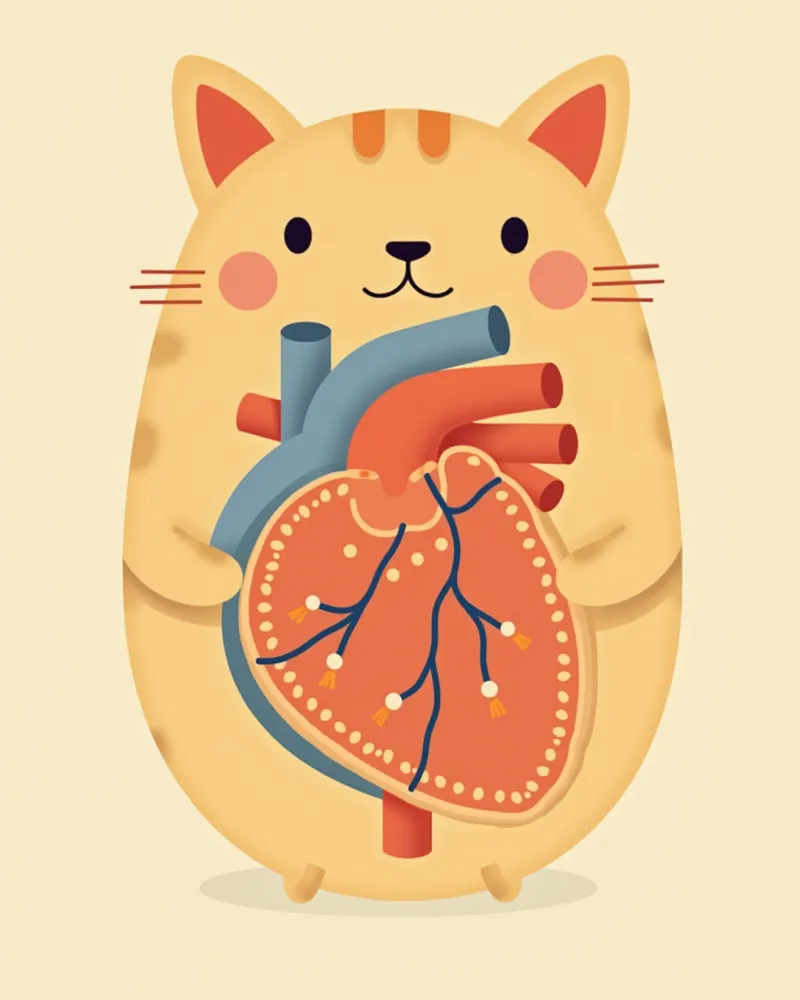
The main reasons a cat may need a pacemaker are abnormalities in the heart’s electrical conduction system or a persistently slow heart rate. Most cases of bradyarrhythmia requiring treatment are due to third-degree atrioventricular (AV) block or sick sinus syndrome.
Heart conduction block (AV block): This occurs when the transmission of electrical signals in the heart is impaired, leading to a slower heart rate, with third-degree AV block being the most common example.
Sick sinus syndrome: This condition involves dysfunction of the sinoatrial (SA) node, resulting in a slow heart rate. The exact cause is often unclear, and many cases are believed to be idiopathic.
Medication effects: Certain drugs, such as beta-blockers and calcium channel blockers, as well as sedatives, can excessively lower the heart rate.
Systemic diseases and electrolyte imbalances: Systemic issues like hyperkalemia (high potassium levels), hypothyroidism, or increased vagal tone can also cause bradycardia.
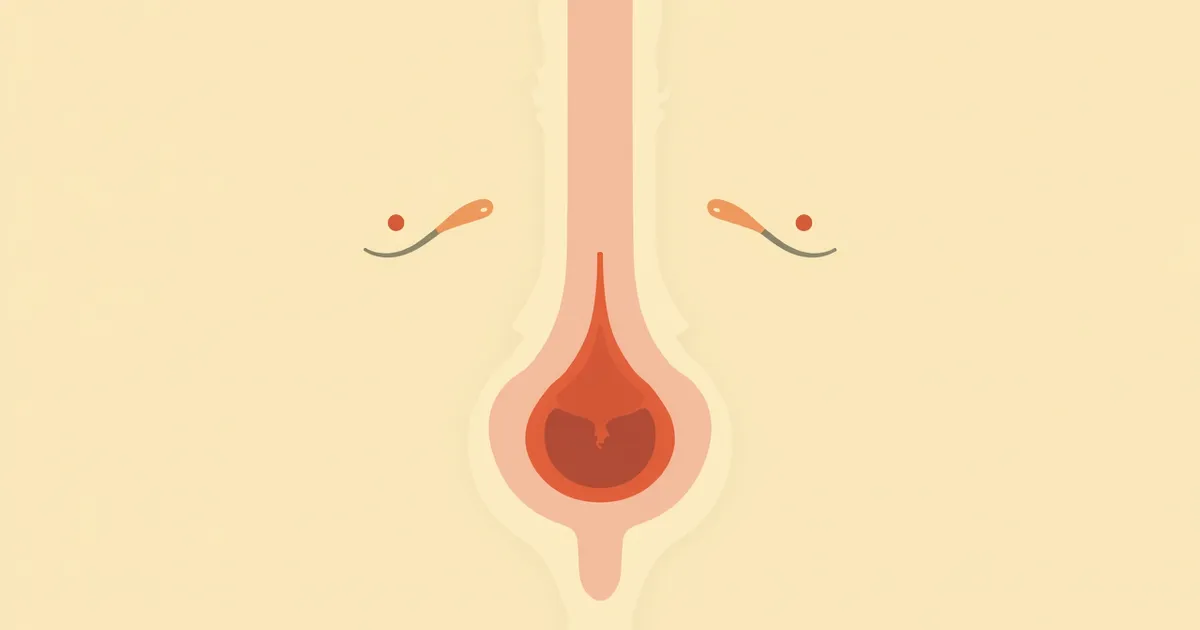
An anatomical diagram showing the electrical signal pathways in a cat's heart and the sites of blockage

What Are the Main Symptoms Indicating Pacemaker Implantation?
Symptoms that may require a pacemaker implantation in cats are systemic signs caused by an abnormally slow heart rate, which can significantly impact daily life.
Fainting or syncope: Prolonged bradycardia can reduce blood flow to the brain, leading to fainting episodes.
Lethargy and exercise intolerance: The cat appears weak, reluctant to move, and struggles with physical activity.
Difficulty breathing: As heart function declines and congestive heart failure progresses, rapid or labored breathing may occur.
Loss of appetite: General health deterioration leads to a lack of interest in food.
Slow heart rate: A veterinarian confirms a slower-than-normal heart rate through auscultation and electrocardiography. Since normal heart rates vary among individual cats, specific values are determined through diagnostic testing.
A cat showing symptoms that require pacemaker implantation

Symptoms Requiring Immediate Veterinary Visit

If your cat faints, experiences repeated episodes of collapse, or has very rapid and labored breathing, you should visit the vet immediately. These are signs of severely compromised heart function.

How Is the Diagnosis Made?

To decide whether a cat needs a pacemaker, we perform several diagnostic tests. This is crucial for accurately identifying the underlying cause and developing an appropriate treatment plan.
Electrocardiogram (EKG): Records the heart’s electrical activity to check for a slow heart rate.
Echocardiogram: Evaluates the heart’s structure and function to determine if there is damage to the heart muscle.
24-hour Holter monitoring: Continuously records changes in the cat’s heart rhythm over a full day.
Blood tests: Rule out other potential causes, such as thyroid dysfunction or electrolyte imbalances.
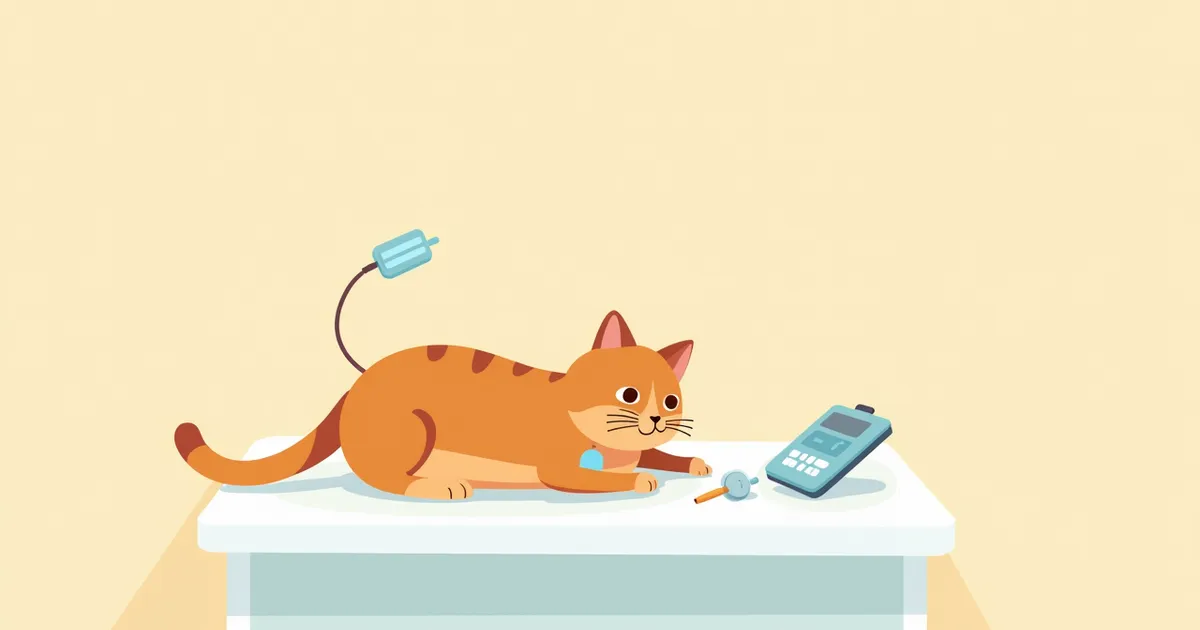
A cat wearing a 24-hour electrocardiogram (ECG) monitoring device

Treatment Methods and Surgical Procedure
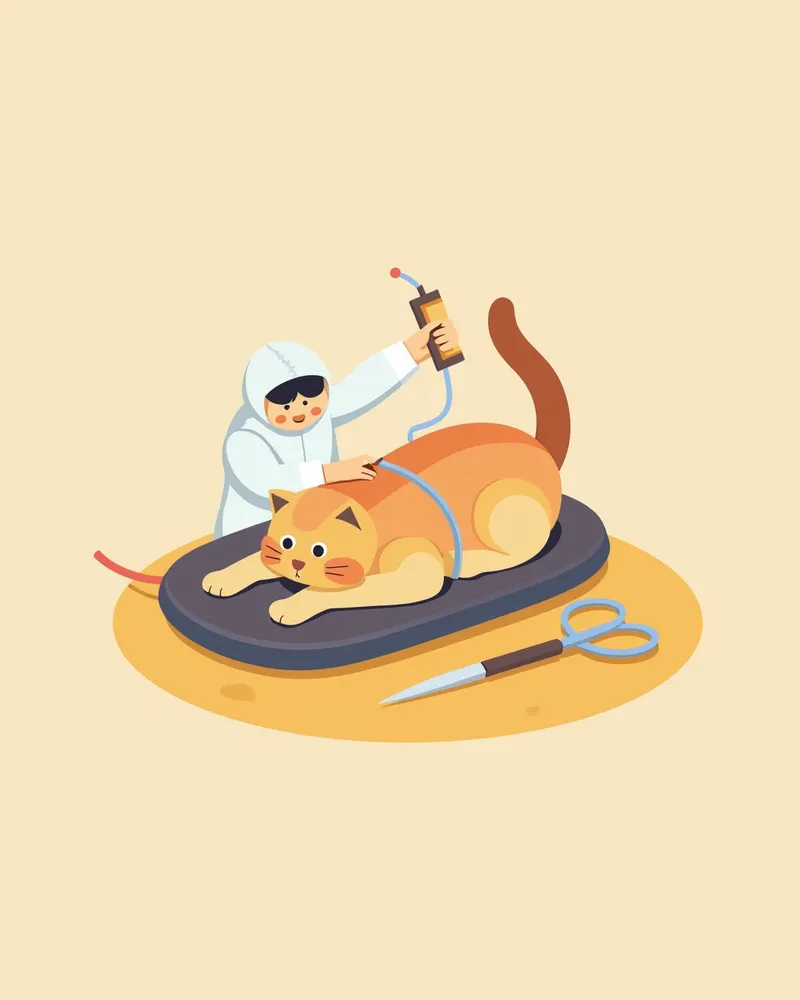
Inserting a pacemaker in cats is a surgical procedure performed by a specialized veterinarian. Depending on the patient’s condition, it is carried out under general anesthesia, sedation with local anesthesia, or other appropriate anesthetic protocols. Preoperative preparation: Before anesthesia, we assess the cat’s overall health through an electrocardiogram (ECG), echocardiography, and blood tests. Surgical procedure: The hair at the insertion site is clipped and the area is sterilized under aseptic conditions. A pacing lead (electrode) is then advanced into the heart via a vein, such as the femoral vein. Fluoroscopy or ECG monitoring is used to confirm proper electrode placement and positioning. The pacemaker generator is then implanted and secured beneath the skin. Recovery process: After surgery, the cat is closely monitored in the hospital, with pain management and infection prevention measures in place. Regular check-ups: Even after recovery, regular follow-up visits are necessary to monitor the pacemaker’s function and ensure ongoing cardiac health.
A veterinarian performing pacemaker implantation surgery on a cat

Key Care Points at Home

Proper daily care for your cat after pacemaker implantation is crucial, as it helps improve surgical success rates and reduces the risk of complications.
Surgical Site Care: Keep the bandage in place and check the area daily for any signs of infection.
Medication Administration: Administer any prescribed heart medications exactly as directed by your veterinarian, ensuring they are given at the correct times.
Activity Restriction: Strict rest and limited activity are required for approximately four weeks post-surgery, after which your cat can gradually return to normal daily routines.
Regular Check-ups: Schedule regular veterinary visits to monitor the status of the pacemaker.
Minimizing Stress: Provide a quiet, calm environment to help your cat stay comfortable and relaxed.
A cat resting comfortably at home after pacemaker implantation

Breed-Specific Considerations and Prevention of Recurrence

Bradyarrhythmias (conduction system disorders) are relatively uncommon in cats compared to dogs, and there is currently no established evidence indicating that specific breeds are more predisposed to conduction system abnormalities. However, certain cardiomyopathies have been reported in Maine Coons, Persians, and Siamese cats. Rather than focusing on preventing recurrence, it is important to regularly monitor your cat’s condition through routine cardiac examinations.

Reviewed by a veterinarian

Dr. Tony — Punnawat Phongkittirak

Dr. Tony — Punnawat Phongkittirak

Veterinarian

A veterinarian who majored in veterinary medicine at Khon Kaen University, Thailand, and completed the IVSA program at North Carolina State University in the United States. Drawing on clinical experience at animal hospitals, he works in the pet healthcare field and is dedicated to building a digital care environment that connects pet parents with veterinarians.

Frequently Asked Questions

How long does pacemaker implantation surgery take?
The surgery typically takes about 1 to 2 hours. Including anesthesia and recovery time, your pet will need to stay at the hospital for approximately one day.
Can a cat return to its normal daily routine after having a pacemaker implanted?
Yes, most cats can resume normal activity after surgery. As their heart rate stabilizes, their strength gradually returns.
How long does a pacemaker last?
A pacemaker typically lasts 5 to 10 years. Once the battery is depleted, a replacement surgery is necessary.
Is the risk of infection high after pacemaker implantation?
While the risk of infection is low, it's important to keep the surgical site clean and attend regular check-ups. If you notice swelling, fever, or discharge, contact your veterinarian immediately.
How much does pacemaker implantation surgery cost?
Surgical costs vary depending on the region and the veterinary clinic. Generally, you can expect the cost to range from $1,000 to $2,000. Please contact the clinic directly to inquire about insurance coverage.

Share

Related Guides

References

[1] Feline Emergency and Critical Care Medicine, 2nd Ed. (2023). Chapter 12: Cardiac Arrhythmias and Pacemaker Therapy.

[2] Small Animal Anesthesia and Pain Management A Color Handbook, 3rd Edition. (2022). Section 8: Cardiac Monitoring and Intervention.

[3] Advanced Monitoring for Small Animal Emergency and Critical Care, 2nd Ed. (2021). Protocol 23.1: Temporary Transvenous Pacemaker Placement.

This information is based on veterinary literature and does not replace diagnosis or treatment. Please consult a veterinarian for specific health concerns.

Metapet Co., Ltd. | CEO: Park Sung-yong | Business Reg. No. 417-88-02562 | Seoul, South Korea | Customer Center

Cat Pacemaker: When It's Needed & Key Care Points | Meongsiljang