Like
Share
멍실장
고양이 NT-proBNP·트로포닌 심장 마커 증상과 원인, 진단·치료와 관리 포인트 총정리

Cat Cardiac Blood Tests: NT-proBNP and Troponin — Complete Guide to Interpreting Values and Management

HeartDiseasesMeongsiljang Veterinary Advisory Board

NT-proBNP and troponin are key biomarkers for the early detection of cardiac dysfunction in cats. These markers are essential tools for assessing the progression and severity of heart disease.

What Are the Cardiac Markers NT-proBNP and Troponin in Cats?
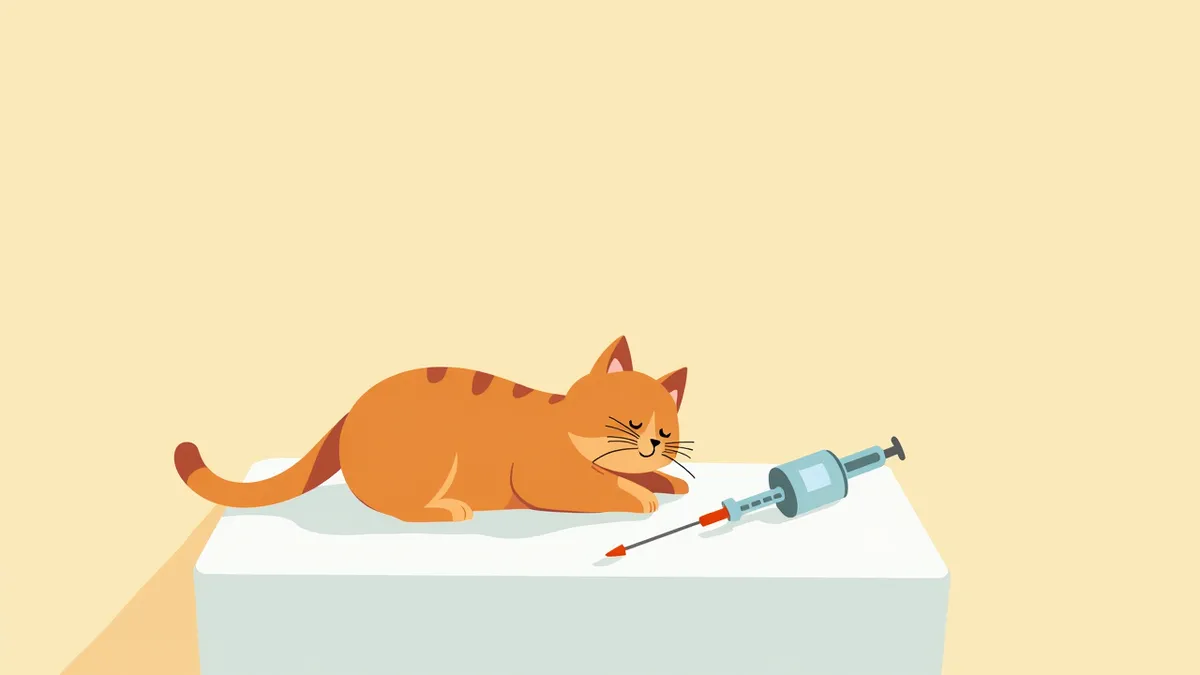
A veterinarian performing a blood test on a cat
NT-proBNP and troponin are biomarkers released into a cat’s bloodstream when the heart is under stress. - NT-proBNP: A hormone secreted when the heart is subjected to excessive pressure or damage, reflecting impaired cardiac function. - Troponin: A protein released when heart muscle is damaged, indicating the presence of myocardial injury. These markers play a crucial role in the early detection and severity assessment of heart disease. Regular testing can help identify abnormalities early on. Depending on the veterinarian’s assessment, additional tests may be necessary.

Main Causes of Elevated Cardiac Markers
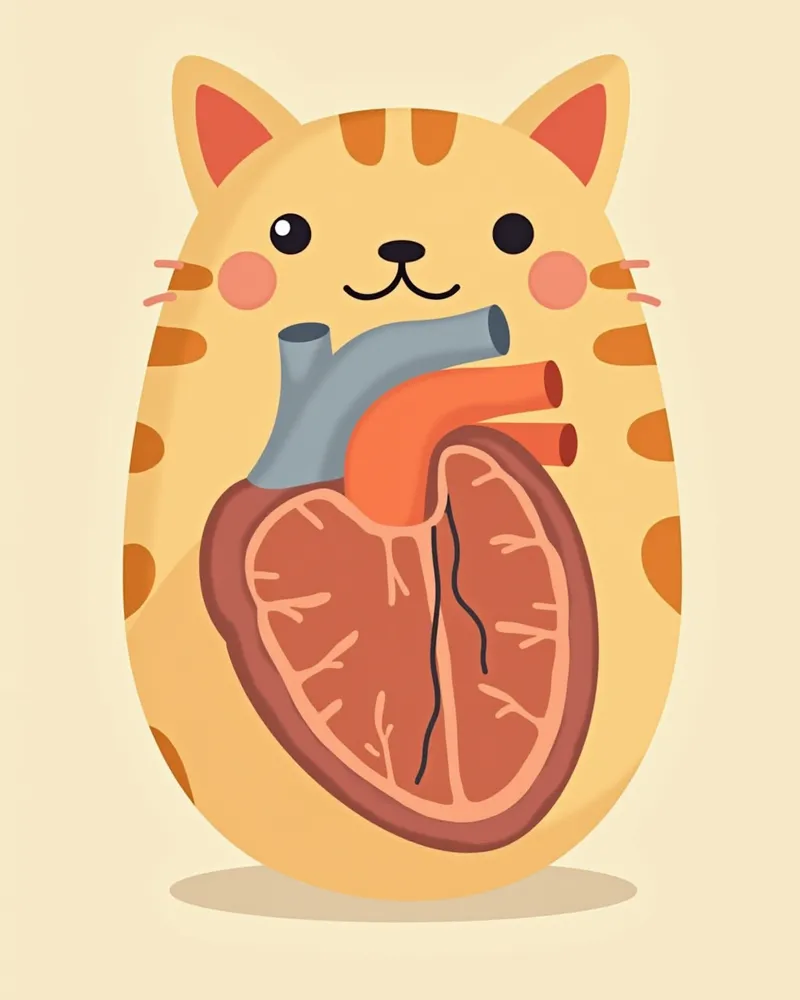
The main reasons for elevated NT-proBNP and troponin levels are abnormalities in the heart muscle and structure, particularly hypertrophic cardiomyopathy, which is the most common form of cardiomyopathy in cats. - Hypertrophic Cardiomyopathy (HCM): This is the most common heart disease in cats. It is a genetic condition in which the walls of the ventricles thicken, even without any specific stress or strain on the heart. - Restrictive Cardiomyopathy (RCM): In this condition, the heart muscle becomes stiff, impairing the heart's ability to receive blood. - Atrial Dilation and Cardiac Enlargement: When the heart enlarges and the atrial walls stretch, the myocardial cells are stimulated, causing NT-proBNP to be released into the bloodstream. - Myocardial Damage: When the heart muscle is damaged, troponin levels rise, indicating the presence of injury. All of these conditions are major causes of elevated marker levels. Early detection plays a significant role in improving treatment outcomes.
Abnormally enlarged feline heart structure

Key Symptoms and Signs

When the heart is under increased strain, cats may breathe faster (tachypnea) or struggle to breathe, and may also appear lethargic or lose their appetite. Pay close attention if your cat’s breathing rate remains elevated even while resting, or if they become reluctant to move.
Difficulty breathing or rapid breathing: Signs include panting, gasping, or noticeably quick chest movements.
Lethargy and exercise intolerance: Your cat may show reduced activity, lose interest in play, and tire easily.
Fainting or weakness: You might notice sudden loss of strength or collapsing.
Decreased appetite: Reduced food intake can lead to weight loss.
Increased respiratory rate at rest: A higher-than-normal breathing rate while sleeping or resting may signal fluid accumulation in the lungs.
Cats showing signs of difficulty breathing

Signs Requiring Immediate Veterinary Visit

If your cat suddenly has trouble breathing, foams at the mouth, or collapses, take it to the vet immediately. These are signs of acute worsening of heart failure, which can be life-threatening.

Diagnostic Methods and Testing Procedures
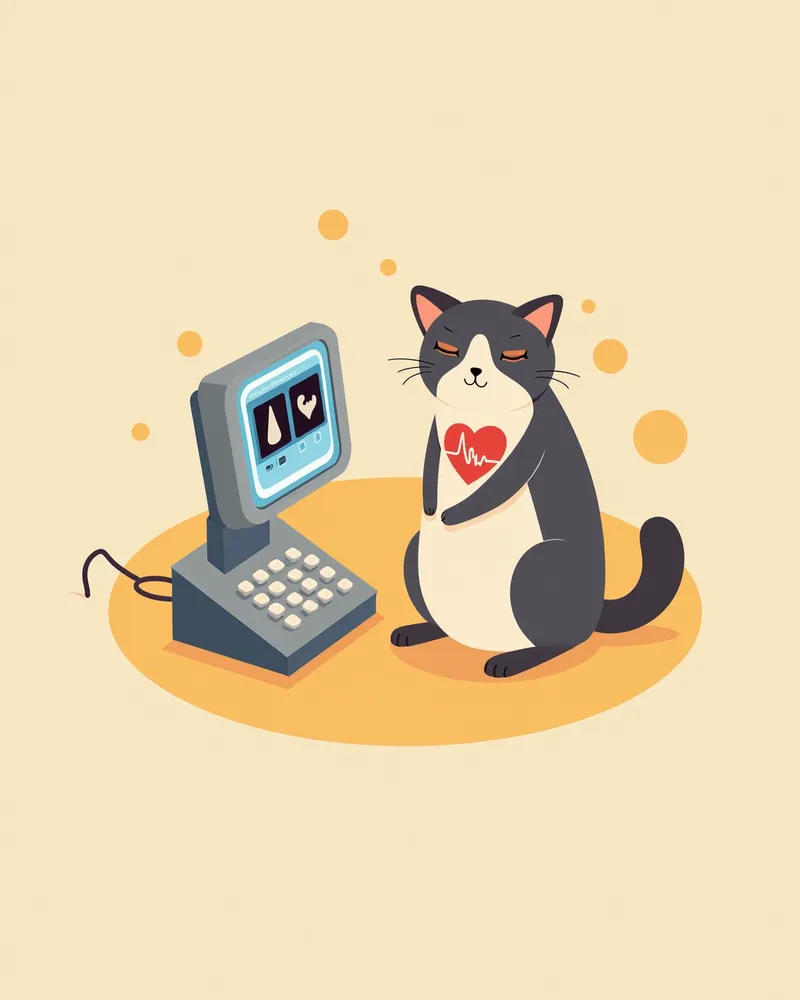
Cardiac marker tests are simple to perform, requiring only a blood sample. - NT-proBNP: In cats with respiratory distress, levels exceeding 270 pmol/L help differentiate congestive heart failure from respiratory diseases. Additionally, levels above 100 pmol/L can be used as a screening tool for occult (hidden) heart disease. - Troponin: Levels rise when heart muscle is damaged, reflecting the extent of myocardial injury. These tests are not used alone for definitive diagnosis but are combined with echocardiography (ultrasound of the heart). Because marker levels vary significantly by breed and individual, they cannot confirm a diagnosis on their own; accuracy improves when combined with imaging findings. Your veterinarian may recommend additional tests based on your pet’s condition. Regular check-ups are essential.
A veterinarian examining a cat's heart using ultrasound.

Treatment Methods and Step-by-Step Management

Treatment varies depending on the underlying cause and severity, with the cornerstone of feline heart failure management being the relief of congestion. - Diuretics: These are essential medications that alleviate breathing difficulties by removing excess fluid and congestion from the body. - ACE inhibitors: These serve as foundational therapy to reduce the workload on the heart. - Beta-blockers or calcium channel blockers: These help stabilize heart rate and manage arrhythmias. - Antithrombotics (such as clopidogrel): These prevent feline aortic thromboembolism, a dangerous condition in cats. Biomarker levels serve as reference indicators for monitoring treatment efficacy. It is important to administer medications consistently as directed by your veterinarian and to attend regular check-ups. Lifestyle adjustments should also be implemented alongside medical treatment.
Pet owners administering medication to their cats at home

Management Points at Home

To maintain your cat’s heart health, it is important to avoid strenuous activity and provide a stable environment. Keep your cat at a healthy weight, minimize stress, and strictly adhere to scheduled check-ups and medication.
Weight Management: Obesity can place additional strain on the heart, so maintaining an appropriate weight is essential.
Stress Reduction: Stressful situations, such as anesthesia or trauma, can cause temporary myocardial hypertrophy; therefore, maintaining a calm and consistent daily routine is important.
Monitor Resting Respiratory Rate: To reduce the stress of veterinary visits, observe your cat’s resting respiratory rate (breaths per minute) at home. This allows for early detection of any worsening condition.
Regular Check-ups: Follow your veterinarian’s instructions for re-examination intervals. These visits typically include a physical examination, thoracic radiographs, blood pressure measurement, and kidney function tests (BUN, creatinine, and electrolytes).
A cat resting comfortably in a calm, stable environment

Breed-Specific Precautions and Prevention of Recurrence

Maine Coons and Ragdolls are among the most well-known breeds susceptible to hypertrophic cardiomyopathy (HCM), which is inherited in an autosomal dominant pattern. Cardiomyopathy, particularly restrictive cardiomyopathy (RCM), has also been reported in Persians, Burmese, and Siamese cats, making regular cardiac screenings essential for these breeds. Even if biomarker levels stabilize during treatment, do not stop medication on your own; always adjust therapy under your veterinarian’s guidance.

Reviewed by a veterinarian

Dr. Tony — Punnawat Phongkittirak

Dr. Tony — Punnawat Phongkittirak

Veterinarian

A veterinarian who majored in veterinary medicine at Khon Kaen University, Thailand, and completed the IVSA program at North Carolina State University in the United States. Drawing on clinical experience at animal hospitals, he works in the pet healthcare field and is dedicated to building a digital care environment that connects pet parents with veterinarians.

Frequently Asked Questions

When is the best time to have an NT-proBNP test?
If you suspect heart disease, or if your cat is senior or belongs to a breed prone to hereditary heart conditions (such as Maine Coons or Ragdolls), regular check-ups are recommended.
Does a high troponin level mean a heart attack?
Elevated troponin levels signal damage to the heart muscle. This could indicate acute injury or a worsening of a chronic condition. Your veterinarian will determine the cause through additional diagnostic tests.
Does a low marker level mean there’s no heart problem?
Even if biomarker levels are within the normal range, cardiac dysfunction may still be present. Because biomarker values vary significantly by breed and individual, they cannot be used alone to confirm a diagnosis; instead, a comprehensive assessment that integrates clinical signs and imaging findings is necessary.
How can you manage your cat’s heart health at home?
You can manage your pet’s health through weight control, stress reduction, monitoring their resting respiratory rate, and regular check-ups. Avoid strenuous activities, and always administer medications strictly according to your veterinarian’s instructions.
Does the cardiac marker test cause any pain?
While there may be some slight discomfort during the blood draw, the process is very quick and brief. Most cats tolerate it well.

Share

Related Guides

References

[1] The Cat, Clinical Medicine and Management, 2nd Edition, 2023

[2] Textbook of Cardiovascular Medicine in Dogs and Cats, 2022

[3] Small Animal Critical Care Medicine, 3rd Ed, 2021

This information is based on veterinary literature and does not replace diagnosis or treatment. Please consult a veterinarian for specific health concerns.

Metapet Co., Ltd. | CEO: Park Sung-yong | Business Reg. No. 417-88-02562 | Seoul, South Korea | Customer Center

Cat Cardiac Blood Tests: NT-proBNP & Troponin Explained | Meongsiljang