

Feline Bacterial Cystitis: Symptoms, Causes, Diagnosis, Treatment, and Management Essentials
Feline bacterial cystitis is a condition in which bacteria invade the bladder and cause inflammation, leading to symptoms such as difficulty urinating, blood in the urine, and frequent urination. Early detection and appropriate treatment are essential.
What is Feline Bacterial Cystitis?
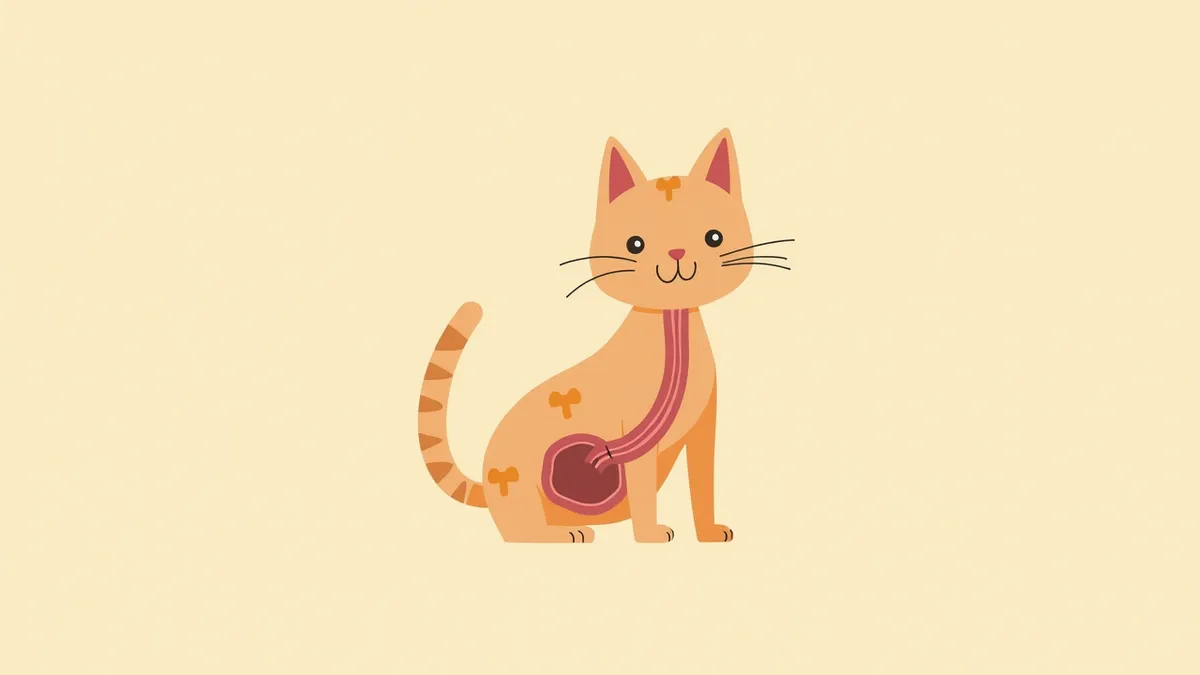
Primary Causes and Pathogenesis

Key Symptoms and Signs

When to Seek Immediate Veterinary Care
If your cat is unable to urinate at all, or if they go to the litter box but nothing comes out, you should take them to the vet immediately. This could be a sign of a urinary blockage, which can be life-threatening. Male cats are especially at risk for urinary blockages.
Accurate Diagnostic Methods

Treatment and Step-by-Step Management

Home Management Essentials

Preventing Recurrence and Breed Considerations
Certain breeds and living environments can increase the risk of lower urinary tract disease recurrence. Well-known risk factors include stress, obesity, multi-cat households, indoor living, and lack of physical activity. While these factors are particularly well-documented in feline idiopathic cystitis (FIC), they are also important for overall bladder health management. In terms of breed predisposition, Abyssinians, for example, have been reported to be at higher risk for bacterial urinary tract infections. Therefore, consistently managing your cat’s weight and emotional well-being can help prevent recurrence.
Reviewed by a veterinarian

Dr. Tony — Punnawat Phongkittirak
VeterinarianA veterinarian who majored in veterinary medicine at Khon Kaen University, Thailand, and completed the IVSA program at North Carolina State University in the United States. Drawing on clinical experience at animal hospitals, he works in the pet healthcare field and is dedicated to building a digital care environment that connects pet parents with veterinarians.
Reviewed 2026-06-29
Frequently Asked Questions
Is frequent urination in cats a sign of bacterial cystitis?
Will antibiotics cure the condition completely?
Is it dangerous if a cat doesn't urinate?
Can it be prevented?
Are male cats at greater risk?
Share
Related Guides

Top 5 Prescription Diets for Feline FLUTD — Comparison by Struvite and Calcium Oxalate Stones

Top Recommended Diets for Preventing Canine Urinary Tract Stones and Key Selection Criteria

Top 7 Prescription Diets for Feline Bladder and Urinary Tract Health Recommended by Veterinarians — Including Selection Criteria

Feline Pulmonary Edema: Symptoms, Causes, Diagnosis, Treatment, and Care Essentials
If Your Dog Suddenly Has Labored Breathing — Pulmonary Edema Symptoms, Causes, and Emergency Response Timing

If Your Dog Is Gagging and Struggling to Breathe — Laryngeal Paralysis Symptoms, Causes, and Treatment Timing

Coccidiosis in Dogs: Symptoms, Transmission Routes, Treatment, and Prevention

Canine Anaplasmosis: Symptoms, Transmission Routes, and Treatment & Prevention Guide
Feline Giardiasis: Symptoms, Transmission Routes, and Treatment & Prevention Guide

Canine SFTS: Symptoms, Transmission Routes, and Treatment & Prevention Strategies
References
[1] The Cat, Clinical Medicine and Management, 2nd Edition, Elsevier, 2019
[2] Plumb's Veterinary Drug Handbook, 9th Edition, Wiley-Blackwell, 2021
[3] Veterinary Internal Medicine: A Textbook of Small Animal Medicine, 8th Edition, Elsevier, 2020