Like
Share
멍실장
강아지 요관 결석·요관 폐색 증상과 원인, 진단·치료와 관리 포인트 총정리

My Dog Suddenly Can’t Urinate — Warning Signs and Treatment for Ureteral Stones and Obstruction

KidneyDiseasesMeongsiljang Veterinary Advisory Board

Ureteral stones and ureteral obstruction in dogs occur when stones block the ureters, making it difficult to pass urine. This condition can lead to acute pain and kidney damage, so early diagnosis and treatment are essential.

What Are Ureteral Stones and Ureteral Obstruction in Dogs?
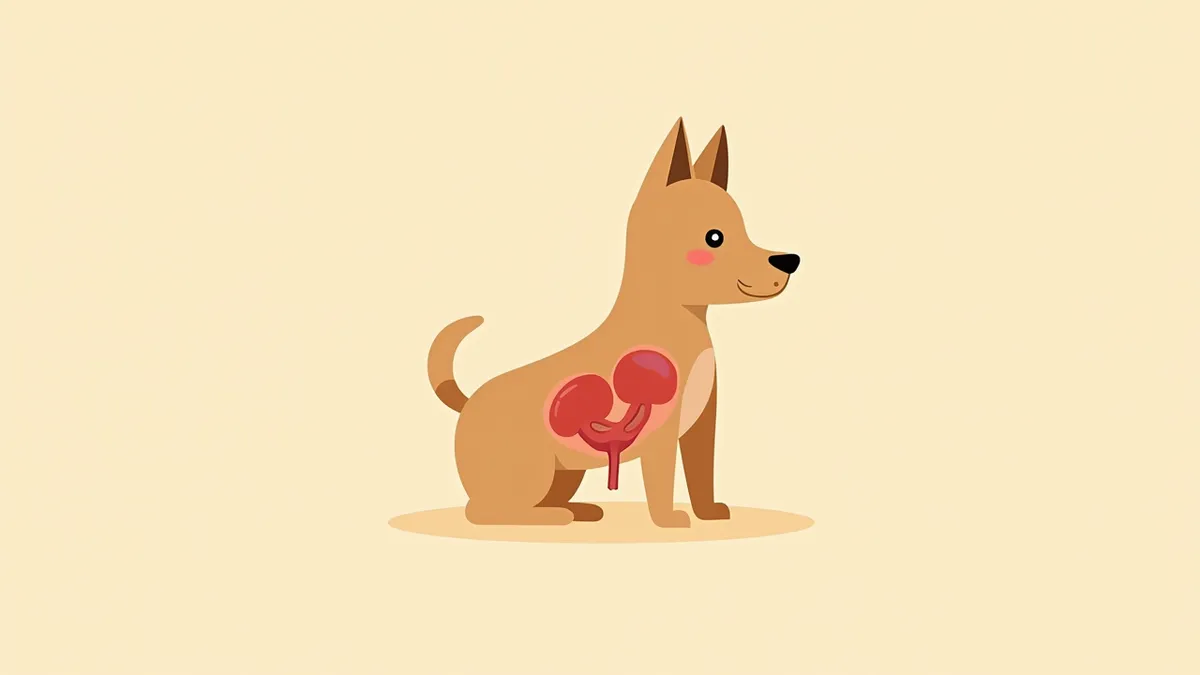
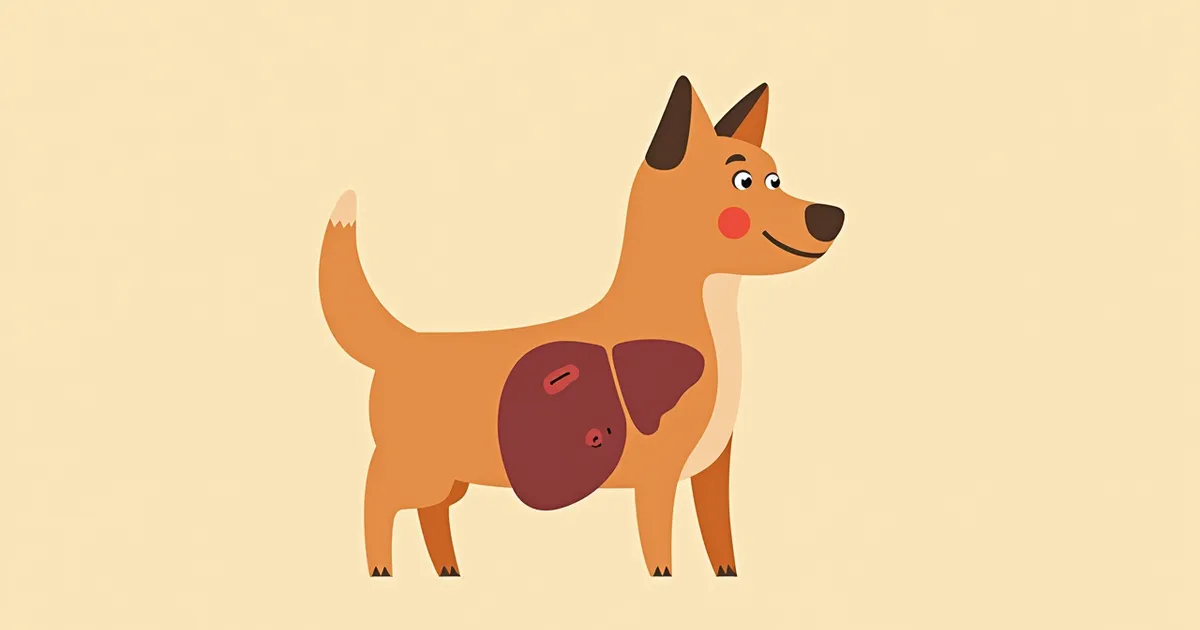
An anatomical illustration showing the location of ureteral stones in dogs
Ureteral stones and ureteral obstruction in dogs occur when a stone blocks the ureter, preventing urine produced by the kidneys from flowing into the bladder. This condition causes acute pain and can lead to kidney damage due to increased pressure. If the stone completely blocks the ureter, urine cannot be released, resulting in "ureteral obstruction," where the kidney swells. This is a life-threatening condition, making early diagnosis and treatment critical. Symptoms vary depending on the size and location of the stone, and mild signs may appear initially, so vigilance is essential. Regular health check-ups are recommended for early detection.

What Are the Main Causes of Ureteral Stones?
Ureteral stones in dogs form when certain substances in the urine become oversaturated and concentrated, leading to crystal formation that clumps together and grows. Stone formation is a multifactorial process involving several contributing factors. - Insufficient water intake: Inadequate water consumption leads to concentrated urine, causing solutes to become oversaturated and promoting stone formation. - Changes in urine pH: Acidic urine promotes calcium oxalate stone formation, while alkaline urine encourages struvite stone formation. - Dietary factors: Proteins and other nutrients can form the matrix that serves as a foundation for stones, and mineral balance can also influence stone development. - Urinary tract infections: Bacteria that produce urease can alkalinize the urine, contributing to struvite stone formation. - Genetic and breed predispositions: Certain breeds are more susceptible to specific types of stones. - Metabolic and endocrine disorders: Conditions that affect mineral metabolism, such as hypercalcemia, can increase the risk of calcium-based stones. Because these factors interact in complex ways, managing daily habits is essential for prevention.
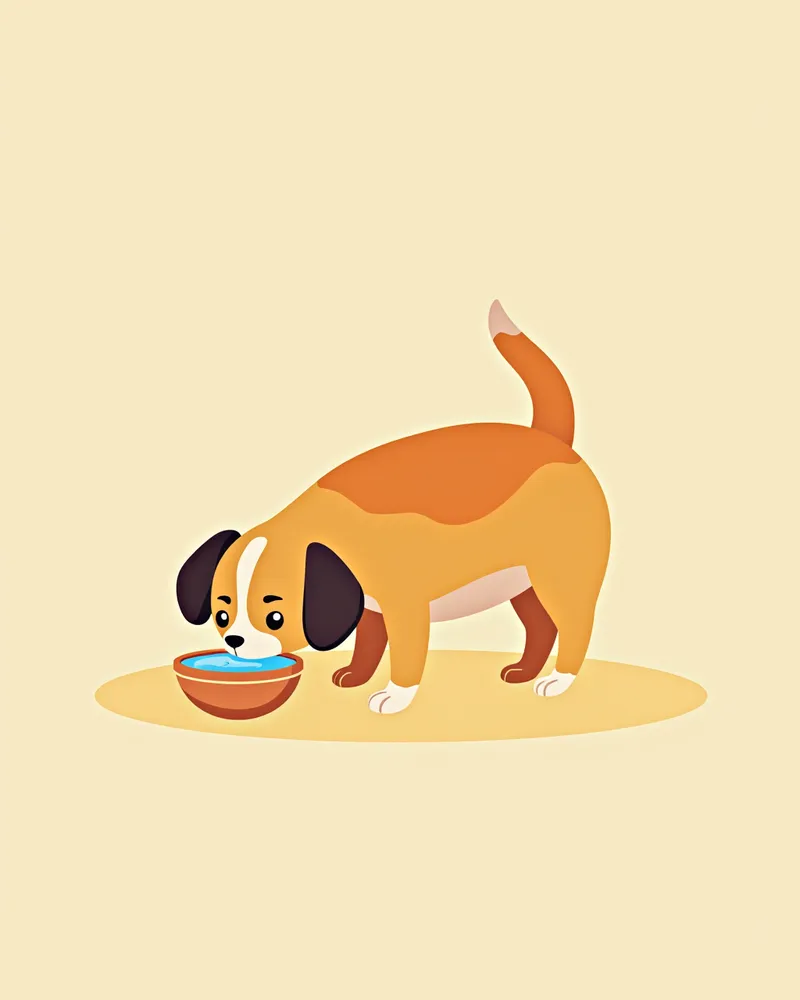
The Importance of Hydration for Dogs

Check for Key Symptoms and Signs

The main symptoms of ureteral stones and ureteral obstruction in dogs include abdominal pain, vomiting, loss of appetite, painful reactions during urination, decreased urine output, and lethargy or weakness. However, if only one ureter is blocked, obvious symptoms may not appear. Therefore, if sudden pain or reduced activity is observed, immediate veterinary care is necessary.
Abdominal pain: The dog may suddenly crouch or react when the abdomen is touched.
Vomiting: This can occur along with azotemia, where kidney function declines and waste products accumulate due to the obstruction.
Difficulty urinating: The dog may strain during urination or produce no urine at all.
Loss of appetite: Pain and worsening overall condition can lead to a refusal to eat.
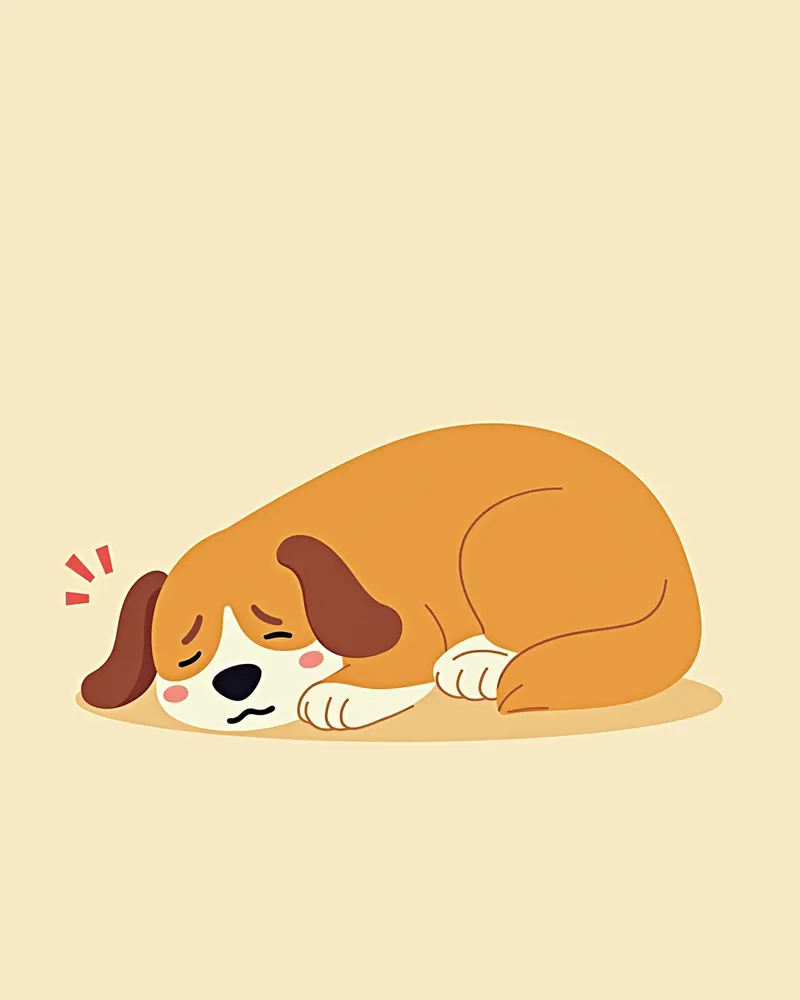
Lethargy and weakness: The dog may remain motionless in one position or, in severe cases, collapse.
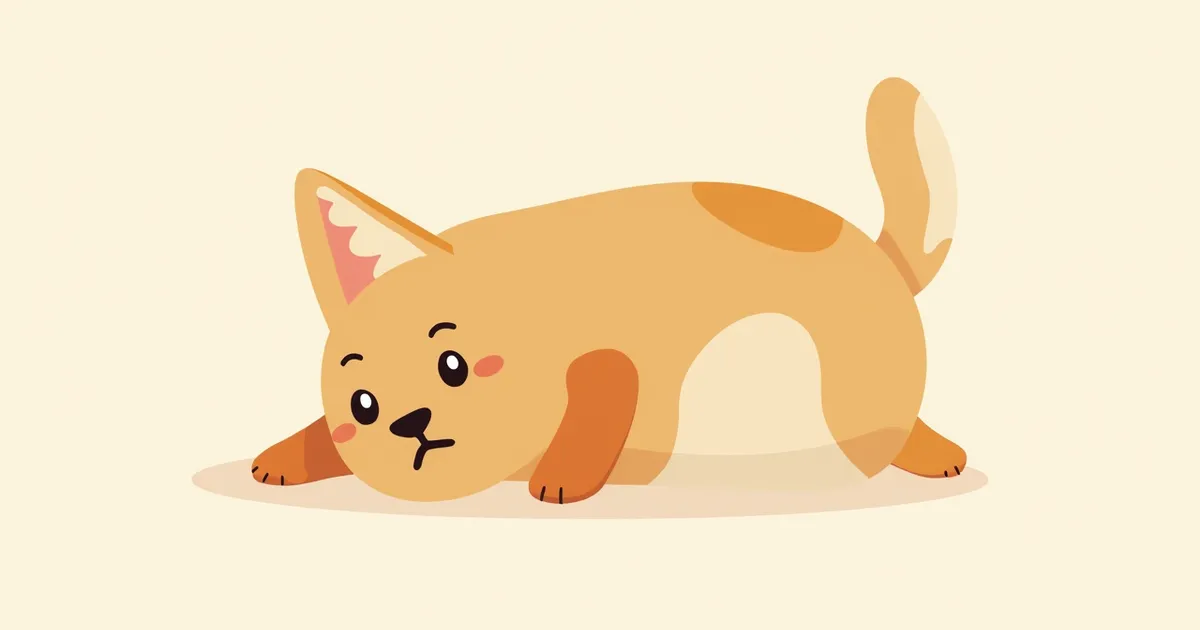
Suspected symptoms of urethral obstruction in dogs: abdominal pain, reluctance to move

Emergency Situations Requiring Immediate Veterinary Visit

If your pet is unable to urinate at all and is experiencing severe abdominal pain, kidney damage can progress rapidly. This is a life-threatening emergency, so it is essential to consult a veterinarian and visit a clinic immediately.

Diagnostic Tests for Accurate Diagnosis
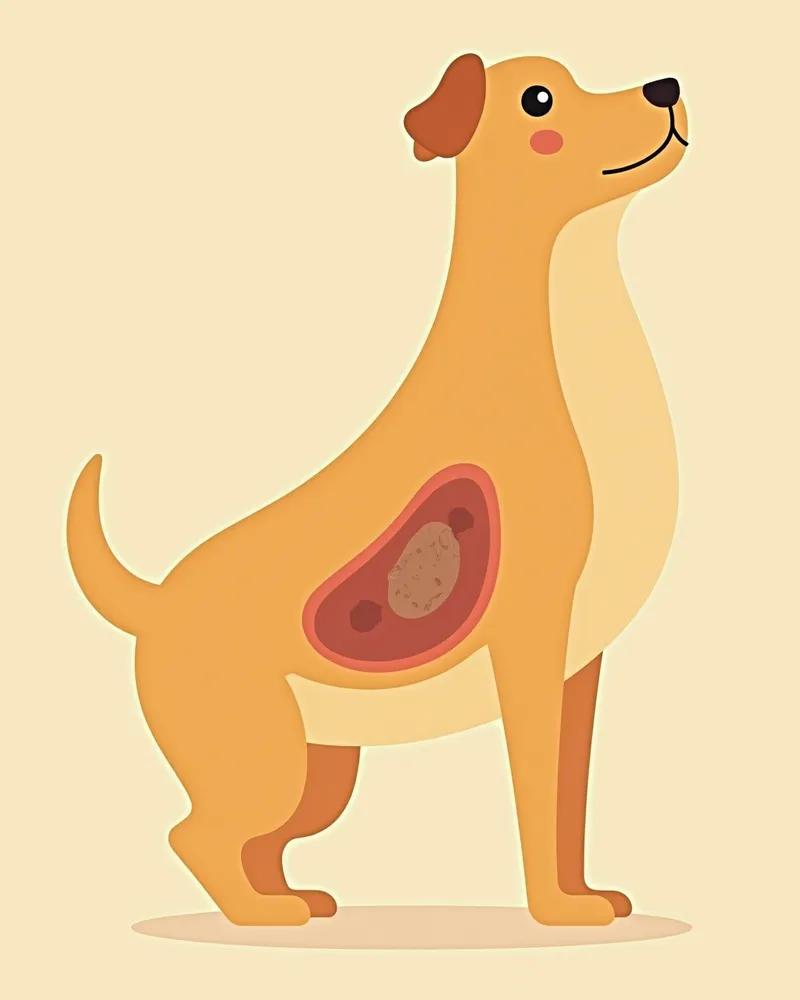
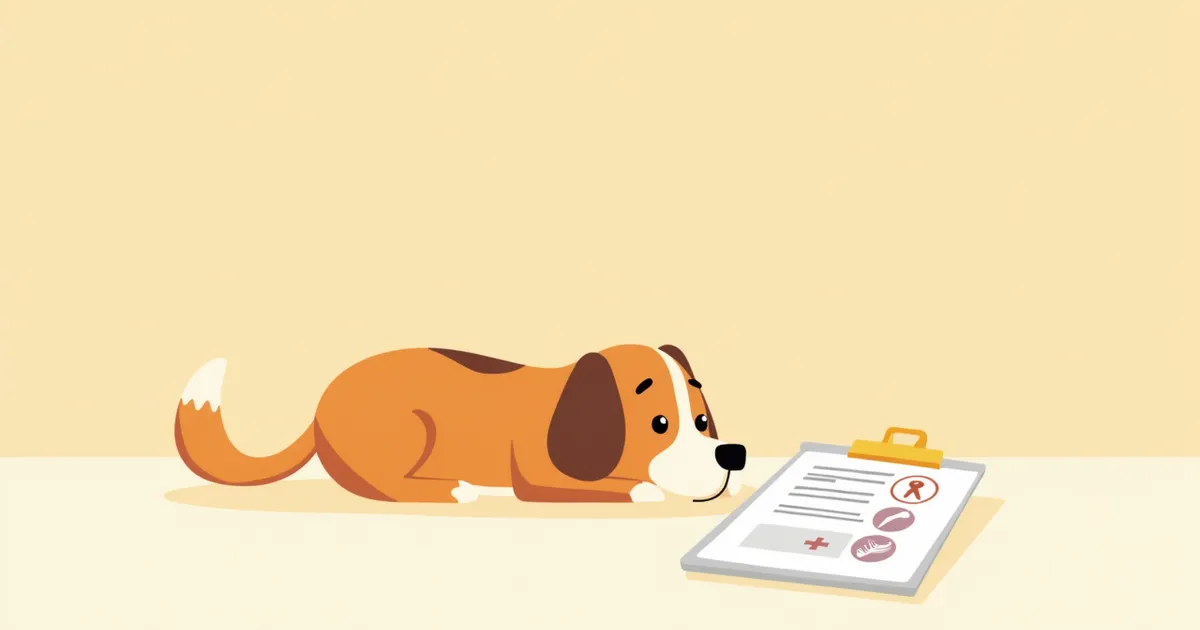
Diagnosing ureteral stones and ureteral obstruction in dogs requires a comprehensive approach combining multiple tests. Since most stones cannot be detected through physical examination alone, imaging studies are essential. - Ultrasound: This is highly useful for diagnosing ureteral obstruction, as it can detect ureteral dilation and hydronephrosis (dilation of the renal pelvis). - Radiography (X-ray): This helps determine the location and shape of the stones. While some stones are visible on X-rays, others—such as those resembling blood clots—may not show up. - Urinalysis: This test checks for abnormalities such as specific gravity, pH, blood, and white blood cells, and determines whether a urinary tract infection is present. - Blood tests: These evaluate kidney function indicators like creatinine and BUN, as well as the presence of azotemia and hyperkalemia. - Additional imaging: In complex cases, contrast studies may be considered. However, caution is required when using intravenous contrast agents in patients with azotemia. By integrating these diagnostic tools, we can establish an accurate diagnosis and develop an appropriate treatment plan.
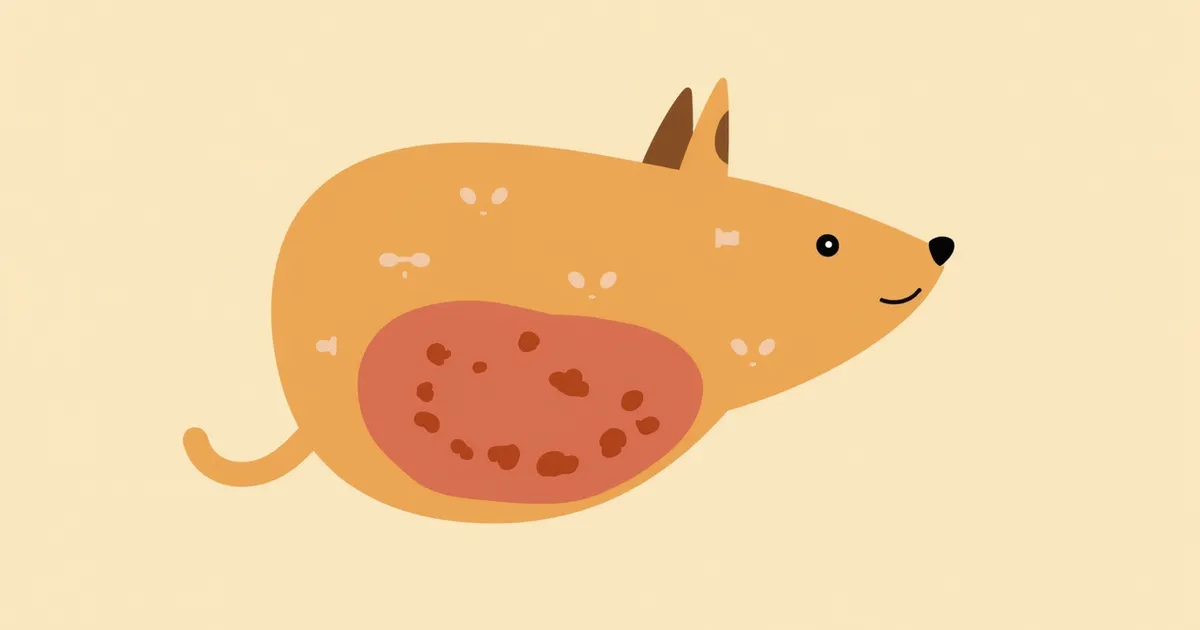
Ureteral stones in dogs confirmed by ultrasound

Treatment Methods and Step-by-Step Approach
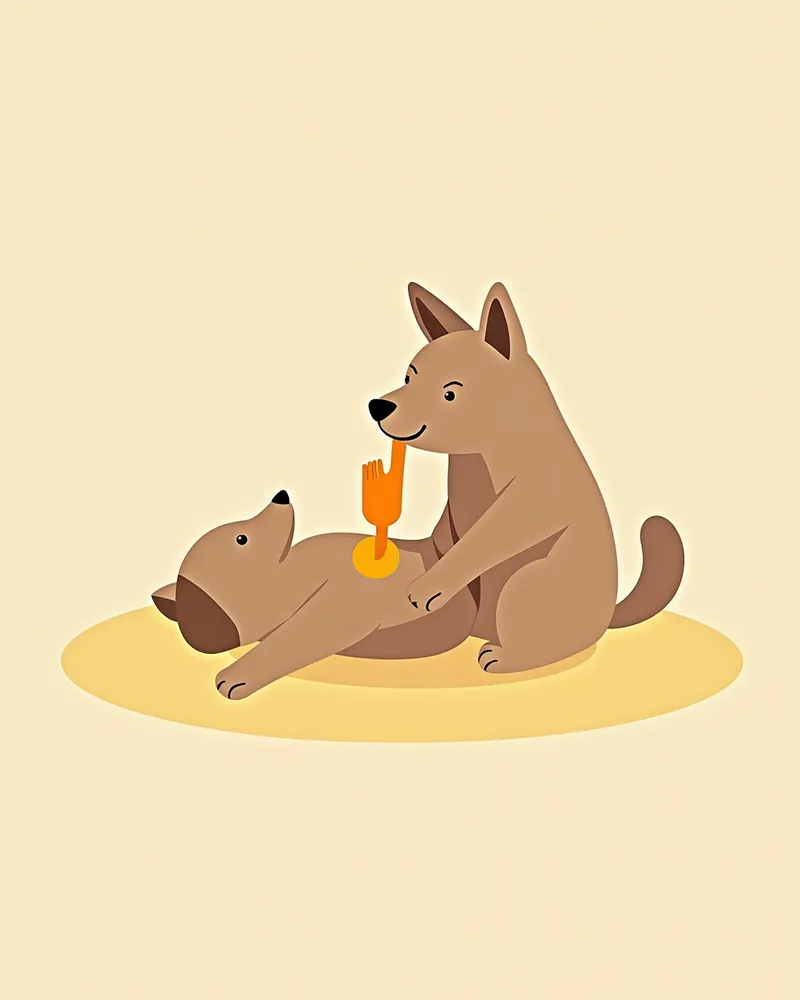
Treatment depends on the size and location of the stones, as well as your dog’s overall condition. Medications are used to relieve pain, and intravenous fluids help promote urine production. If there is an obstruction or the stones are large, surgical removal is necessary. While some stones can be dissolved with medication, this approach must be used cautiously in male dogs due to the risk of urethral obstruction during the dissolution process.
Pain relief: Painkillers are administered to alleviate acute pain.
Fluid therapy: Intravenous fluids support kidney blood flow and urine production, but care must be taken to avoid fluid overload from excessive administration.
Stone removal: If an obstruction is present, stones are removed surgically or through other procedures.
Infection management: If a urinary tract infection is present, it is treated concurrently with antibiotics.
Recurrence prevention: Recurrence is minimized by managing factors such as urine pH, tailored to the specific type of stone.
Endoscopic surgery for the removal of ureteral stones in dogs

Home Care and Recovery Points

After treatment, it’s important to encourage plenty of water intake and manage your pet’s diet to prevent stones from forming again. Feed the special diet recommended by your veterinarian and keep a close eye on your pet’s urination habits. If pain persists or vomiting continues, seek veterinary care right away.
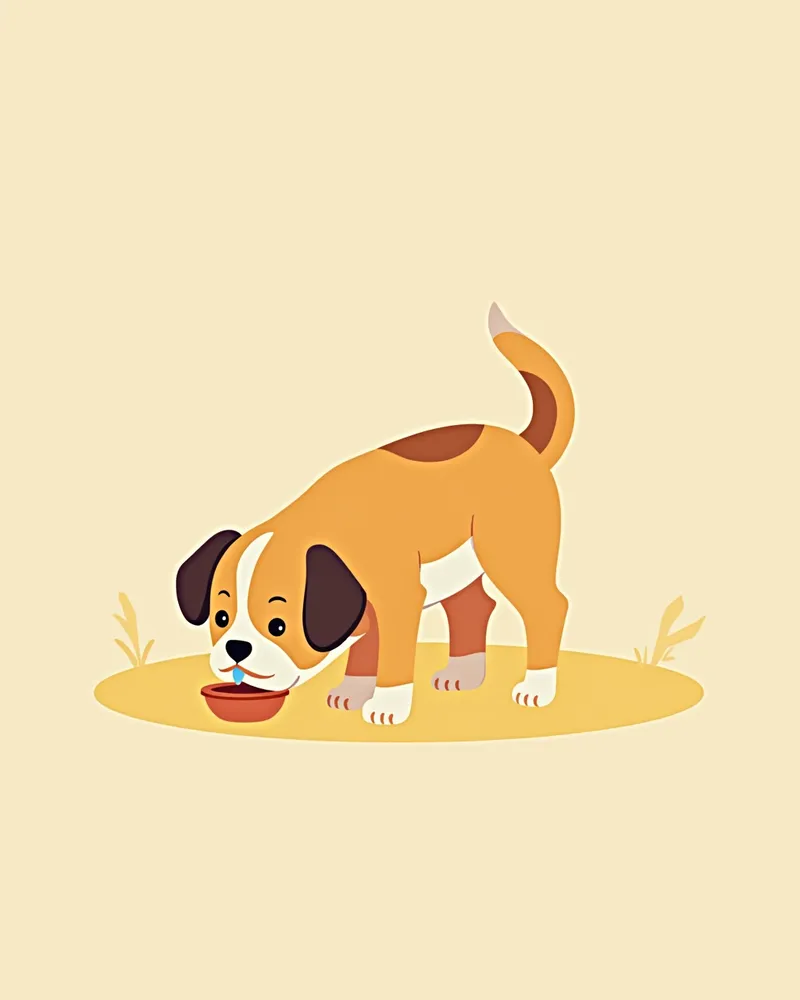
Ensure adequate hydration: Place water bowls in several locations and make sure they’re always filled.
Feed the prescribed diet: Stick to the special food recommended by your vet for dietary management.
Monitor urination: Keep track of how many times your pet urinates each day.
Watch for signs of pain: Pay close attention to any changes in movement or posture.
Follow medication instructions: Make sure not to miss any doses.
A water dispenser to help your dog stay hydrated

Preventing Recurrence and Breed-Specific Precautions

Certain breeds are known to be more susceptible to specific types of urinary stones. Since veterinary textbooks document various breed-associated stone formations, it’s a good idea to review your pet’s breed-specific risks with your veterinarian. Regular check-ups, along with proper diet and hydration management, can help reduce the likelihood of recurrence. Work closely with your vet to establish a long-term management plan.

Reviewed by a veterinarian

Dr. Tony — Punnawat Phongkittirak

Dr. Tony — Punnawat Phongkittirak

Veterinarian

A veterinarian who majored in veterinary medicine at Khon Kaen University, Thailand, and completed the IVSA program at North Carolina State University in the United States. Drawing on clinical experience at animal hospitals, he works in the pet healthcare field and is dedicated to building a digital care environment that connects pet parents with veterinarians.

Frequently Asked Questions

Can ureteral stones be completely cured?
Once the stones are removed, most pets can be fully cured with proper care and dietary management. However, since there is a risk of recurrence, long-term management is essential.
If the stones are small, can they pass naturally?
Small stones may pass naturally with increased water intake and medication, but immediate treatment is necessary if there is severe pain or an obstruction.
The vet found stones, but is surgery really necessary?
If the stones are small, not causing blockages, and painless, they can be managed with medication and observation. However, any changes in condition should be checked promptly.
Can dietary management alone prevent stone formation?
Dietary management is highly effective in preventing stone recurrence, but genetic factors and underlying conditions require veterinary care. A comprehensive approach is essential.
Can a dog experience a recurrence of urethral obstruction after having had one?
There is a possibility of recurrence. Regular check-ups and close collaboration with your veterinarian are essential, with diet and hydration management being key.

Share

Related Guides

References

[1] Sparkes AH, Caney S, Chalhoub S, et al. Clinical Medicine of the Dog and Cat, 4th Ed. Wiley-Blackwell, 2019.

[2] Notes on Canine Internal Medicine, 4th Ed. Wiley-Blackwell, 2020.

[3] Englar RE. Common clinical presentations in dogs and cats. Hoboken, NJ: Wiley/Blackwell, 2019.

This information is based on veterinary literature and does not replace diagnosis or treatment. Please consult a veterinarian for specific health concerns.

Metapet Co., Ltd. | CEO: Park Sung-yong | Business Reg. No. 417-88-02562 | Seoul, South Korea | Customer Center

Dog Can't Urinate? Ureteral Stones & Obstruction Warning Signs | Meongsiljang