Like
Share
멍실장
강아지 여름 더위 관리·열사병 예방 증상과 원인, 진단·치료와 관리 포인트 총정리

Comprehensive Guide to Summer Heat Management, Heatstroke Prevention, Symptoms, Causes, Diagnosis, Treatment, and Care for Dogs

Lifestyle & Age CareDiseasesMeongsiljang Veterinary Advisory Board

Heatstroke in dogs is a life-threatening emergency that occurs when the body fails to regulate its temperature in hot environments. Prevention and early intervention are key.

Canine Heatstroke is a Life-Threatening Emergency Caused by Failure of Temperature Regulation

A dog lying on hot asphalt, panting and showing signs of stress.
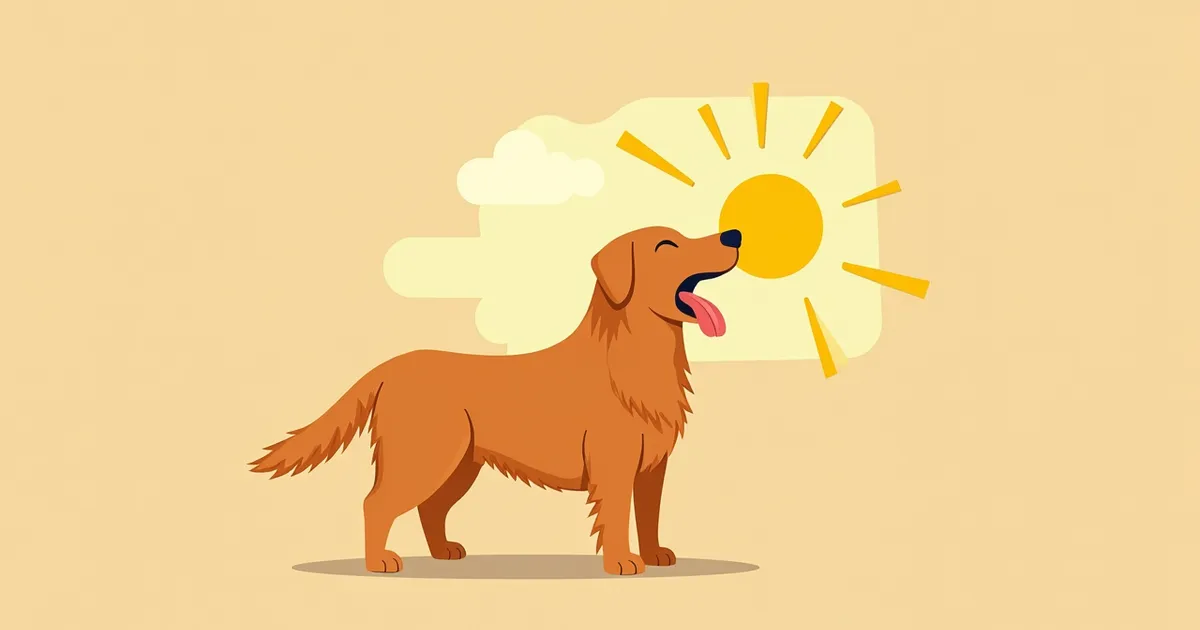
Canine heatstroke is a life-threatening emergency in which the body’s temperature-regulation mechanism fails in hot conditions, leading to severe damage to multiple organs. The hypothalamus controls body temperature, but when heat load exceeds the body’s ability to dissipate heat, core temperature rises rapidly. Brachycephalic (short-nosed) breeds, overweight dogs, and those with breathing difficulties are especially vulnerable to heat stress. - Rising body temperature and neurological signs: If a significant rise in body temperature is accompanied by neurological signs such as altered consciousness or severe lethargy, immediate cooling measures and a visit to the veterinary clinic are essential. Central nervous system dysfunction is a hallmark of severe heatstroke. - Adjust walking times: Avoid walks during the hottest part of the day; instead, walk your dog in the morning or evening. Extra caution is needed on days with extreme heat or high humidity. - Never leave your dog in a car: Even a short period inside a vehicle can be extremely dangerous, so never leave your dog unattended in a car. Being trapped in an enclosed space is a classic scenario for heatstroke. - Ensure adequate water intake: Always provide fresh, clean water, and closely monitor your dog if they refuse to drink. Early recognition and prompt response are critical to survival.

Causes of Heatstroke: A Combination of Environmental and Individual Factors

Canine heatstroke occurs when a dog fails to regulate its body temperature in hot, humid conditions. It is especially common after exercise in warm weather or when a dog is left confined in a vehicle. - Leaving a dog in a car: Temperatures inside a closed vehicle can rise rapidly, even in a short time. Dogs can overheat quickly, so never leave them in a car. - Excessive walking: Walking during the day can easily lead to overheating. Brachycephalic breeds and overweight dogs are at higher risk. - Brachycephalic breeds: These dogs have short noses and narrow airways, making it difficult for them to cool down effectively through panting. On hot days, panting can worsen airway swelling, increasing the danger. - Obesity: Excess body fat makes it harder for dogs to dissipate heat, raising the risk of overheating. It also increases respiratory strain. - Lack of water and dehydration: Without enough fluids, dogs struggle to regulate their body temperature through panting. When these factors combine, the risk of heatstroke increases significantly.
A bulldog and a poodle panting in a hot room, with visible signs of sweating

Main Symptoms of Heatstroke Manifest as Abnormalities in Bodily Functions
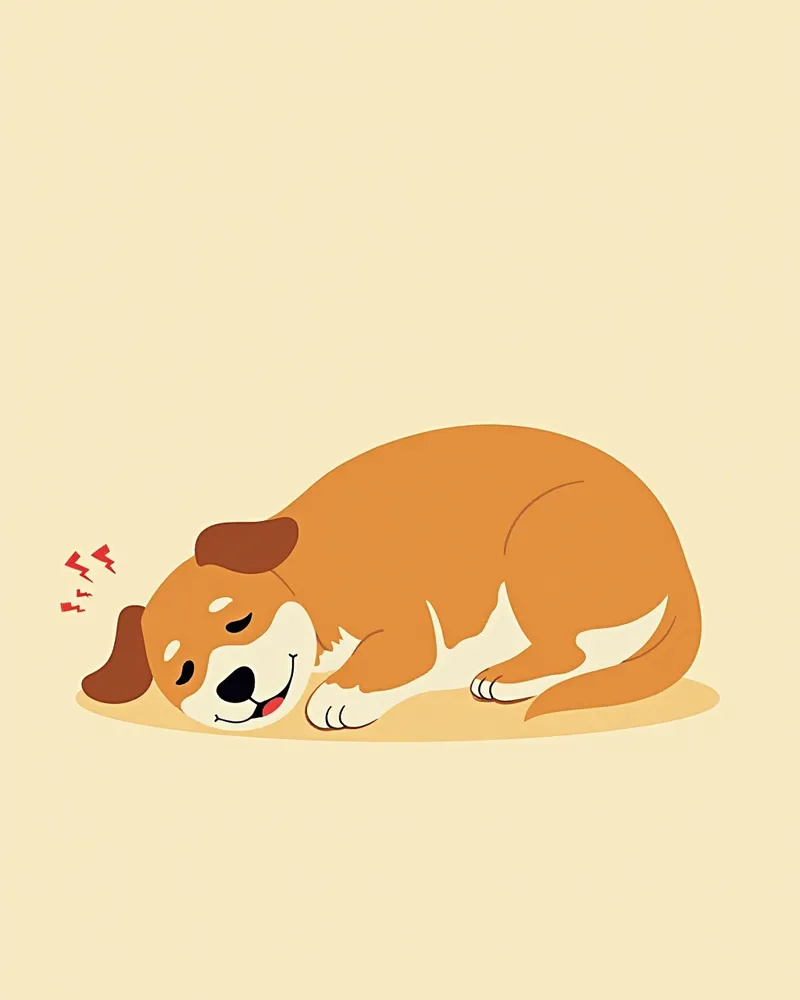
In the early stages of heatstroke in dogs, you may notice excessive panting, vomiting, lethargy, and weakness. These symptoms can progressively worsen, leading to decreased consciousness, seizures, and difficulty breathing. - Elevated body temperature: If your dog’s body temperature rises significantly above the normal range, immediate action and a visit to the vet are necessary. It’s important to monitor their overall condition alongside the temperature increase. - Decreased consciousness: If your dog appears unsteady or their consciousness seems clouded, a vet visit is essential. Central nervous system abnormalities are among the most characteristic signs of heatstroke. - Seizures: If your dog experiences tremors or seizures, it indicates a life-threatening situation. Transport them to the vet immediately. - Bleeding tendencies and heart issues: In severe cases, abnormal blood clotting may lead to bleeding tendencies, or heart rhythm abnormalities such as ventricular arrhythmias may occur. Prompt diagnosis and treatment are crucial.
A dog lying on its side, having lost consciousness and experiencing seizures.

Emergency Signs Requiring Immediate Veterinary Visit

If your pet loses consciousness or begins seizing, transport them to a veterinary clinic immediately. A sudden spike in body temperature or an abrupt cessation of panting also constitutes an emergency. While it is advisable to begin cooling measures during transit to the clinic, excessive cooling can lead to rebound hypothermia, where body temperature drops below normal levels. Therefore, once the temperature approaches the normal range (approximately 39°C), you should slow down or stop the cooling process. Using cool, lukewarm water is safer and more effective than using extremely cold water, such as ice water.

Diagnosis is Made Through Body Temperature Measurement and Veterinary Tests
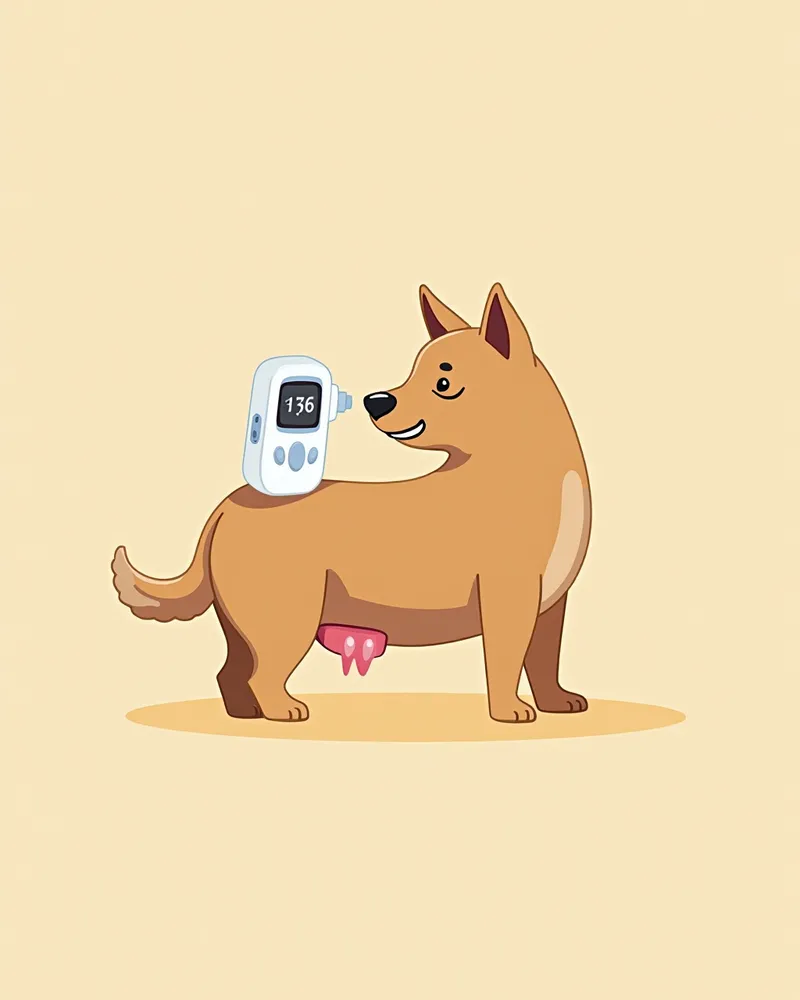
Heatstroke is diagnosed through body temperature measurement along with blood tests, urinalysis, and imaging studies. - Body temperature measurement: A temperature above 40°C raises suspicion of heatstroke. - Blood tests: These check liver function, kidney function, and any abnormalities in blood clotting. - Imaging studies: These may be necessary to detect cerebral edema or internal bleeding. - Electrocardiogram (ECG): This checks for irregular heart rhythms. A veterinarian’s professional assessment is essential for an accurate diagnosis.
A veterinarian measuring a puppy's rectal temperature.

Comparison of Heatstroke Prevention Methods

ItemMethodEffectivenessPrecautionsCost
Indoor Temperature ControlHighMaintain 24–26°C when using air conditioningBe mindful of air circulationInexpensive
Walk Time AdjustmentMedium6–8 AM, 7–9 PMAvoid days with high humidityFree
No Leaving in VehiclesVery highStrictly prohibitedPrepare emergency waterFree
Preparing Cooling WaterMediumPrepare lukewarm-to-cool waterNo ice water or rapid coolingInexpensive

Brachycephalic breeds should use all methods in combination.

Treatment Centers on Cooling and Maintaining Vital Bodily Functions
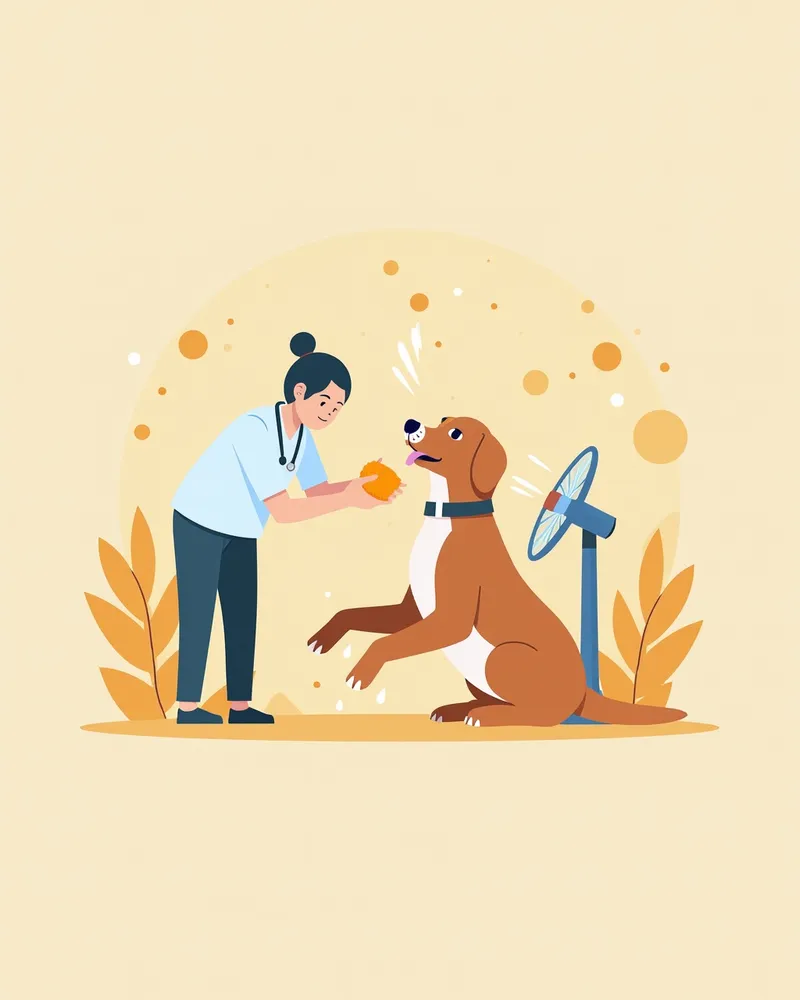
Treating heatstroke centers on steadily lowering body temperature through cooling and preserving vital bodily functions. - Cooling with cool water: Dampen the body with cool (not cold) water, apply ice packs to areas with large blood vessels such as the neck and armpits, and use a fan to circulate air. However, once the body temperature approaches normal levels (around 39°C), slow down or stop cooling to prevent rebound hypothermia. - Intravenous (IV) fluid therapy: This is necessary to protect blood circulation and kidney function, addressing dehydration and shock. - Treatment of arrhythmias: If heart rhythm abnormalities, such as ventricular arrhythmias, occur, they are treated accordingly to help reduce cardiac complications. - Respiratory support: If breathing becomes difficult or the airway is obstructed, oxygen supply is needed. Assisted ventilation is a crucial component of treatment. - In-hospital care: Continuous monitoring under veterinary guidance is essential. Thorough management is required until vital functions recover.
A veterinarian sprinkling cold water on a puppy's paw pads and neck.

Home Care Focuses on Prevention-Oriented Daily Management
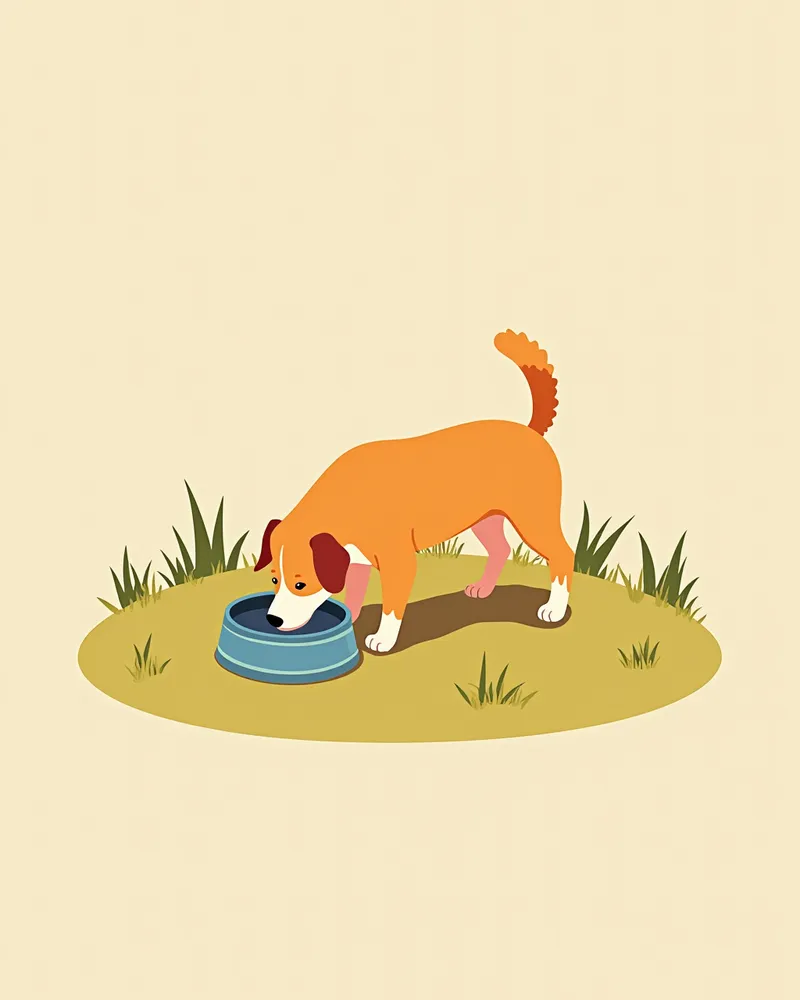
To prevent heatstroke in dogs, it is essential to regulate indoor temperatures and ensure they have access to plenty of water. - Maintain indoor temperature: Use air conditioning or fans to keep the indoor temperature at or below 24°C (75.2°F). Pay extra attention on humid days. - Water supply: Always provide fresh, clean water, and closely monitor your dog if they seem reluctant to drink. Adequate hydration is key to preventing heatstroke. - Adjust walk times: Avoid walking during the hottest part of the day and opt for early morning or evening walks instead. On days with extreme heat or high humidity, minimize outdoor activities. - Prepare cooling supplies: Have lukewarm water and cooling pads ready in advance. Be cautious not to lower your dog’s body temperature too quickly with ice-cold water. - Special care for brachycephalic breeds: Due to their unique airway structure, these breeds are especially vulnerable to heat and require extra vigilance. Keep exercise sessions short and controlled, and always ensure they are in shaded areas.
A dog drinking water in the shady backyard, sitting on the cool grass.

Brachycephalic Breeds Are at High Risk for Heatstroke

Brachycephalic (short-nosed) breeds such as Bulldogs, Pugs, French Bulldogs, Pekingese, and Shih Tzus are highly vulnerable to heat due to their short snouts and unique airway anatomy. These dogs can overheat easily even during walks, so it’s essential to carefully manage the timing and environment of outdoor activities and have cooling measures ready in advance. On hot days, panting can actually worsen airway swelling, making prompt action critical in cases of heatstroke to save your pet’s life.

Reviewed by a veterinarian

Dr. Tony — Punnawat Phongkittirak

Dr. Tony — Punnawat Phongkittirak

Veterinarian

A veterinarian who majored in veterinary medicine at Khon Kaen University, Thailand, and completed the IVSA program at North Carolina State University in the United States. Drawing on clinical experience at animal hospitals, he works in the pet healthcare field and is dedicated to building a digital care environment that connects pet parents with veterinarians.

Frequently Asked Questions

Does panting in dogs mean they have heatstroke?
Panting is a normal way for pets to regulate their body temperature, but if it persists or is accompanied by lethargy and vomiting, heatstroke should be suspected. If there are signs of a significant rise in body temperature or neurological symptoms such as confusion or altered consciousness, immediate cooling measures should be taken, and the pet should be taken to a veterinary clinic right away.
Is it dangerous to leave a dog in a car for just 10 minutes?
Yes, the temperature inside a closed car can rise rapidly even in a short amount of time. Dogs can overheat quickly, so never leave them in the car.
How long does it take to recover from heatstroke?
The recovery period varies depending on your pet's weight and the severity of symptoms. In severe cases, it may take anywhere from a few days to several weeks. It's important to manage the condition under the guidance of a veterinarian.
Can I use water taken directly from the refrigerator to cool down?
Extremely cold water, such as ice water or water straight from the refrigerator, can cause a rapid drop in body temperature, potentially leading to reactive hypothermia. Using cool, lukewarm water is safer and more effective.
Do brachycephalic breeds really not need walks?
Walks are necessary, but you need to adjust the timing and environment. It’s best to keep walks short and take them in the shade during the morning or evening. If your pet starts panting heavily or shows signs of lethargy during exercise, stop immediately.

Share

Related Guides

References

[1] Drobatz, K.J. (2023). Heat Stroke in Dogs: Pathophysiology and Management. Small Animal Critical Care Medicine, 3rd Edition.

[2] Bruchim, Y. et al. (2017). Hemostatic abnormalities in dogs with naturally occurring heatstroke. Journal of Veterinary Emergency and Critical Care, 27(3), 315–324.

[3] The Dog Care Handbook, Things I Wish My Vet Had Told Me (2023). Chapter on Heat-Related Illnesses in Brachycephalic and Overweight Dogs.

This information is based on veterinary literature and does not replace diagnosis or treatment. Please consult a veterinarian for specific health concerns.

Metapet Co., Ltd. | CEO: Park Sung-yong | Business Reg. No. 417-88-02562 | Seoul, South Korea | Customer Center

Dog Heatstroke & Summer Heat: Prevention and Care Guide | Meongsiljang