
Feline Hypertension and Proteinuria: Symptoms, Causes, Diagnosis, Treatment, and Management Essentials
Feline hypertension can lead to proteinuria, which is an early sign of kidney damage. Regular check-ups and early intervention are essential.
What is the relationship between feline hypertension and proteinuria?
Main causes and pathogenesis
Main symptoms and warning signs

Criteria for immediate veterinary visit
If your cat suddenly loses vision, experiences repeated vomiting, or becomes lethargic, seek veterinary care immediately. These symptoms may indicate serious complications such as brain hemorrhage or retinal detachment caused by high blood pressure. Early treatment can help prevent further organ damage and improve the prognosis.
Accurate diagnostic methods
Treatment methods and step-by-step management

Management points at home
Breed-specific precautions and prevention of recurrence
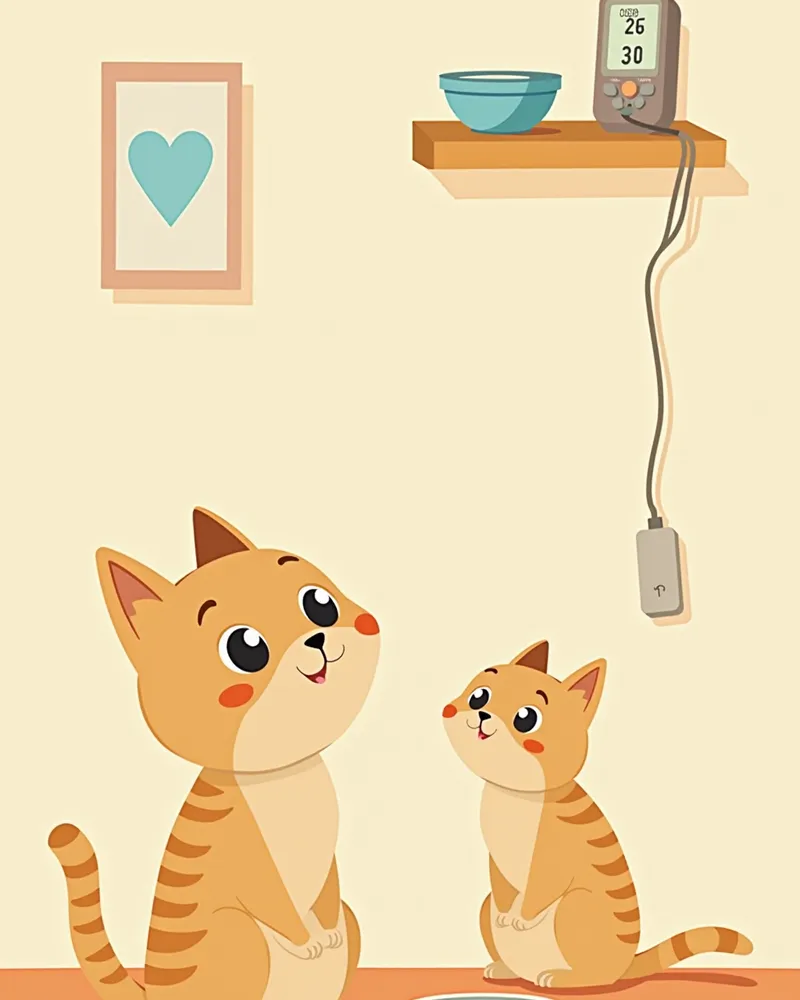
While there is no definitive evidence linking specific breeds like Persians, Black Persians, or British Shorthairs to a higher risk of hypertension, the likelihood of developing high blood pressure does increase with age. It is especially important to monitor cats with chronic kidney disease or hyperthyroidism. To help prevent recurrence, we recommend regular check-ups every three to six months, including repeated blood pressure and urine tests.
Reviewed by a veterinarian

Dr. Tony — Punnawat Phongkittirak
VeterinarianA veterinarian who majored in veterinary medicine at Khon Kaen University, Thailand, and completed the IVSA program at North Carolina State University in the United States. Drawing on clinical experience at animal hospitals, he works in the pet healthcare field and is dedicated to building a digital care environment that connects pet parents with veterinarians.
Reviewed 2026-06-29
Frequently Asked Questions
Why does high blood pressure in cats cause proteinuria?
Does protein in the urine always mean high blood pressure?
Can feline hypertension be treated?
Can you measure blood pressure at home?
Are there any side effects when giving blood pressure medication?
Symptoms and coping methods by hypertension stage
| Item | Stage | Blood Pressure Value | Main Symptoms | Response Method |
|---|---|---|---|---|
| Mild | 140–159 mmHg | Asymptomatic or mild symptoms | Mild urinary proteinuria, no vision changes | Dietary control, regular checkups, no medication |
| Moderate | 160–179 mmHg | Decreased vision, lethargy, decreased appetite | Increased urinary proteinuria, decreased kidney function | Take blood pressure medication, low-salt diet, checkup every 3 months |
| Severe | 180 mmHg or higher | Vision loss, vomiting, hematuria, lethargy | Risk of retinal detachment and cerebral hemorrhage, rapid decline in kidney function | Visit hospital immediately, aggressive drug therapy, hospitalization required |
Blood pressure measurement is accurate only when a veterinarian takes repeated measurements with precise equipment. A single measurement cannot be trusted.
Share
Related Guides

Top 5 Prescription Diets for Feline FLUTD — Comparison by Struvite and Calcium Oxalate Stones

Top 7 Prescription Diets for Feline Bladder and Urinary Tract Health Recommended by Veterinarians — Including Selection Criteria

Top 5 Cranberry Urinary Supplements for Dogs — Preventing Cystitis
What Should I Feed My Dog with Diabetes? — Dietary Principles and Management Tips for Blood Sugar Control

If Your Dog Suddenly Loses Weight and Drinks Excessive Water — Causes of Diabetes and Timing for Treatment

Is it safe to give my dog Cushing’s medication? — Side effects and monitoring points for mitotane and trilostane
Complete Guide to Feline Thyroid T4 Testing — Interpreting Results and Timing for Additional Tests
When Medication Alone Isn't Enough for Feline Hyperthyroidism: Efficacy and Side Effects of Radioactive Iodine Therapy
If Your Cat Has Changed After Neutering — Hormonal Change Signals, Causes, and Management
Complete Guide to Feline Insulin Injections and Dosage — Including Critical Hypoglycemia Warning Signs
References
[1] Acierno, M.J., Brown, S., Coleman, A.E. et al. (2018). ACVIM consensus statement: guidelines for the identification, evaluation, and management of systemic hypertension in dogs and cats. J. Vet. Intern. Med. 32: 1803–1822.
[2] Taylor, S.S., Sparkes, A.H., Briscoe, K. et al. (2017). ISFM consensus guidelines on the diagnosis and management of hypertension in cats. J. Feline Med. Surg. 19(3): 28–45.
[3] Finco, D.R., Brown, S.A., Crowell, W.A. et al. (1994). Effects of aging and dietary protein intake on uninephrectomized geriatric dogs. Am. J. Vet. Res. 55: 1282–1290.