Like
Share
멍실장
강아지 여행·이동 시 건강 관리 증상과 원인, 진단·치료와 관리 포인트 총정리

Comprehensive Guide to Health Management, Symptoms, Causes, Diagnosis, Treatment, and Care Points for Dogs During Travel and Transport

Lifestyle & Age CareDiseasesMeongsiljang Veterinary Advisory Board

We’ve compiled ways to identify and prevent health issues that can arise when traveling with or transporting your dog. Anxiety, vomiting, and diarrhea during car rides are common reactions.

Owner Preparation is Essential for Managing Your Dog's Health During Travel and Transport

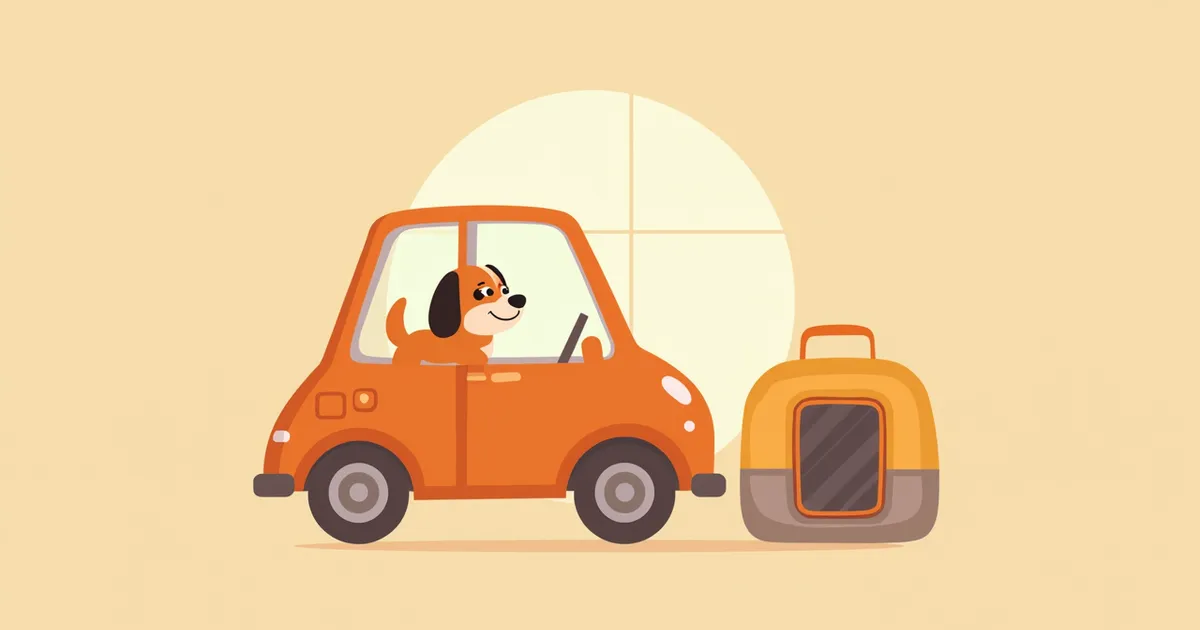
A puppy sitting in a car seat while wearing a safety harness.
Your dog’s health during travel or relocation can be managed through thorough preparation by the owner and drawing on past experiences. Since a dog’s first travel experience can significantly influence its stress response, it is important to help them gradually become accustomed to the process. - Pre-travel preparation: Stop feeding your dog one hour before departure, and offer only a moderate amount of water. - Use of safety equipment: To reduce the risk of injury during transit, use a vehicle-specific carrier or a safety harness instead of a standard leash. - Stress reduction: Preparing a quiet environment with calming music, familiar scents, and a comfortable resting spot in the vehicle can help alleviate anxiety. - Monitoring symptoms: If your dog exhibits vomiting, diarrhea, or signs of anxiety during the trip, immediately move them to a stable environment and consider visiting a veterinary clinic if necessary. These measures are essential for safeguarding your dog’s safety and health.

The Main Causes of Health Issues During Travel Are Stress and Environmental Changes

Many of the health issues dogs experience during car travel are closely linked to stress and changes in their environment. - Sensory stimulation: The vibrations, noise, odors, and shifting light inside a vehicle can overstimulate a dog’s senses and trigger anxiety. - Food and water management: Overfeeding or allowing excessive water intake before travel can cause discomfort during the trip, so it’s important to moderate both. - Physical fatigue: Long journeys or excessive exercise can drain a dog’s energy reserves. - Environmental changes: Exposure to new places, people, or other animals can be stressful for dogs. - Behavioral responses: Signs such as restlessness, barking, trembling, or hiding should be recognized as indicators of stress. However, symptoms like vomiting or diarrhea are often mistakenly attributed to stress alone; they may actually signal underlying conditions such as gastrointestinal disease, so careful observation is essential. By being aware of these factors and preparing in advance, you can help minimize health issues during travel.
A puppy showing a sensitive reaction to vehicle noise

Identify Key Symptom Signals

The main symptoms that may appear in dogs during travel or transport include the following:
Vomiting or nausea: Repeated episodes of nausea or vomiting while in a vehicle.
Diarrhea or constipation: Loose stools or constipation may occur during travel. However, vomiting and diarrhea are often mistaken for simple travel stress responses; in reality, they may be caused by underlying conditions such as gastrointestinal disease, so it is important not to dismiss them solely as stress-related.
Anxious behaviors: Signs of anxiety such as trembling, barking, or licking walls and windows.
Rapid breathing or agitation: Stress may cause increased respiratory rate or prolonged states of agitation.
Lethargy: The dog remains lying down without moving for most of the day after travel.
These signs require appropriate attention, and if symptoms persist or worsen, a veterinary examination is recommended to rule out underlying medical conditions.
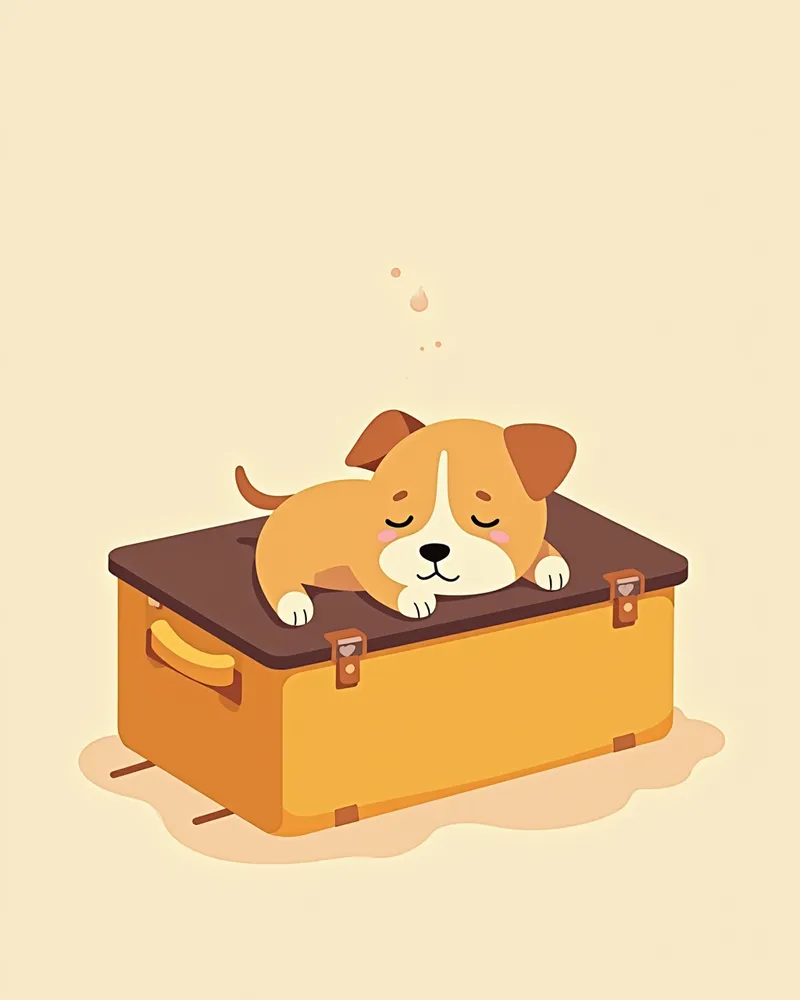
A puppy looking tired after a trip and lying down in a carrier.

Emergency Situations Requiring Immediate Veterinary Visit

If your dog experiences severe vomiting, bloody stool, loss of consciousness, severe difficulty breathing, or muscle twitching during travel, you should visit a vet immediately. These symptoms may indicate a central nervous system disorder or serious internal injury.

Diagnosis Is Made Through Symptom Records and Veterinary Visits
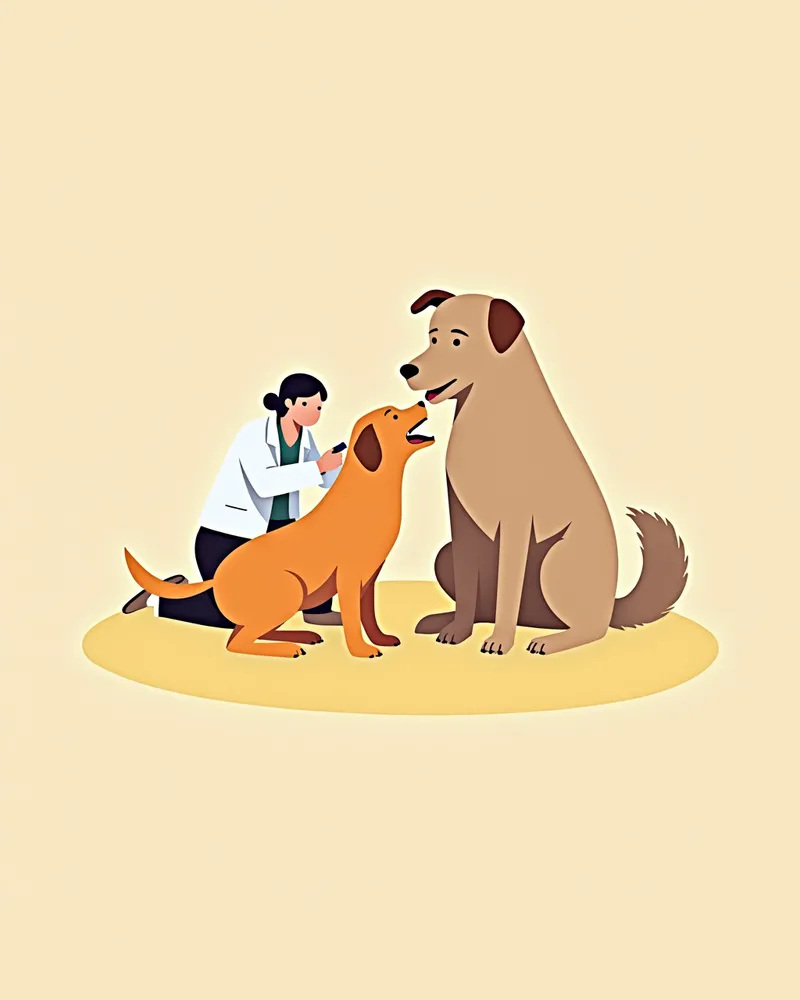
If your dog shows unusual symptoms while traveling, it’s important to record the symptoms and visit a vet for an accurate diagnosis. - Symptom Record: Carefully note the timing, frequency, and context (e.g., after meals, during car rides), as well as food and water intake, and share this information with your veterinarian. - Examination Process: The vet will perform a physical exam to check for internal issues and may conduct blood tests, urine tests, or abdominal ultrasounds if necessary. - Identifying the Cause: If vomiting or diarrhea persists, it’s crucial to determine whether it’s due to gastrointestinal issues, stress, or infection. - Treatment Plan: Based on the recorded information, a treatment plan tailored to the underlying cause can be developed. - Ongoing Monitoring: Continue to observe any changes in symptoms after treatment and monitor for recurrence. An accurate diagnosis is the first step toward effective treatment.
A veterinarian examining a puppy's mouth and ears.

Treatment Is Conducted Step by Step Depending on the Underlying Cause
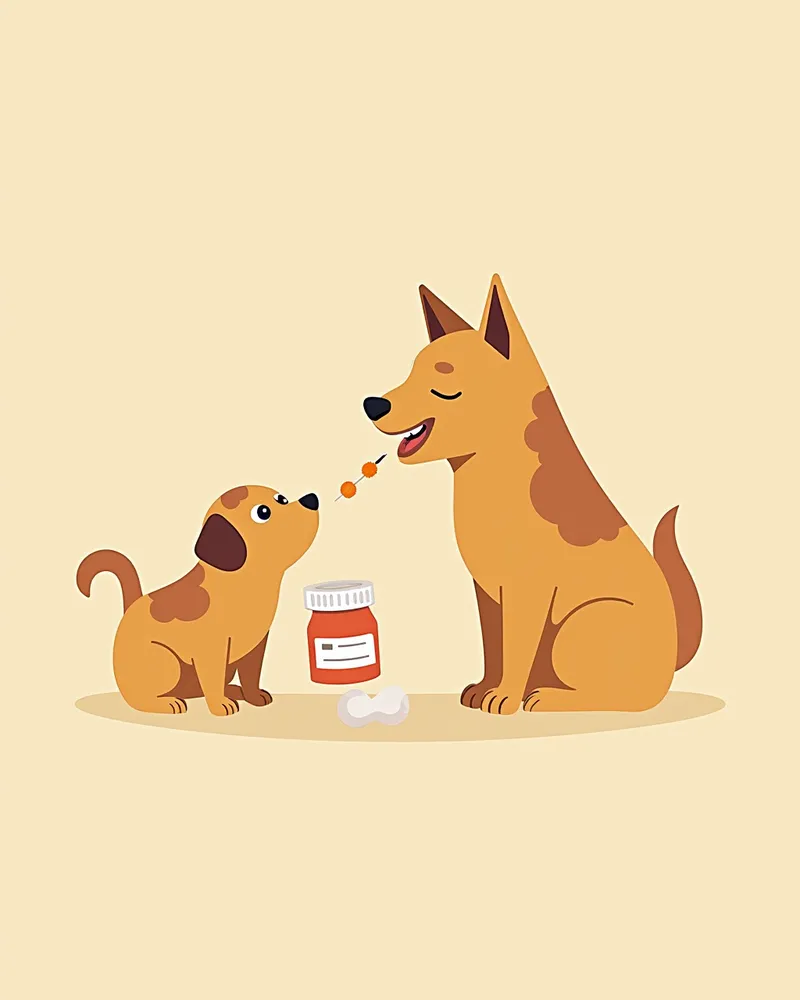
Treating health issues in dogs during travel or transport should be approached step by step, depending on the underlying cause. - Stress-related causes: If anxiety-driven behavior is the primary issue, behavioral modification and environmental adjustments should take priority. Playing calming music, using soothing scents, and providing a comfortable space in the vehicle can help. - Gastrointestinal issues: If vomiting or diarrhea occurs, fluid replenishment and gastrointestinal protectants are necessary. Withholding food temporarily followed by gradual reintroduction of meals is key. - Medication: Severe anxiety or recurring symptoms may be managed with veterinarian-prescribed medications. - Preventing recurrence: Consistent pre-travel preparation and environmental management are essential even after treatment to prevent relapse. - Owner cooperation: Active participation and careful observation by the pet owner are crucial throughout the entire treatment process. Treatment is not a short-term fix but requires ongoing management.
A veterinarian administering medication to a puppy

Carefully Follow Home Care Points

Proper care at home is essential when traveling with or transporting your dog.
Pre-trip preparation: Stop feeding your dog one hour before departure, and offer only a moderate amount of water.
Use safety equipment: Use a safety harness or a vehicle-specific carrier instead of a standard collar and leash.
Maintain a comfortable environment: Keep the car temperature at a comfortable level, and bring your dog’s familiar scent items and favorite toys.
Play quiet music: Play soft music or nature sounds in the car to help reduce stress.
Start with short distances: Begin with short trips to help your dog gradually get used to traveling.
These care practices become more effective with repetition.
A puppy sleeping comfortably inside a travel carrier

Certain Breeds May Face Greater Risks During Travel

Brachycephalic breeds with anxiety or respiratory conditions (such as French Bulldogs, Pekingese, and Bulldogs) may experience stress or breathing difficulties during travel. Due to their shortened facial structure, these dogs have narrower airways and are at higher risk of airway obstruction, so it is important to consult your veterinarian before traveling to discuss appropriate precautions.

Reviewed by a veterinarian

Dr. Tony — Punnawat Phongkittirak

Dr. Tony — Punnawat Phongkittirak

Veterinarian

A veterinarian who majored in veterinary medicine at Khon Kaen University, Thailand, and completed the IVSA program at North Carolina State University in the United States. Drawing on clinical experience at animal hospitals, he works in the pet healthcare field and is dedicated to building a digital care environment that connects pet parents with veterinarians.

Frequently Asked Questions

My dog often gets nauseous during car rides. What should I do?
Stop feeding your pet one hour before travel, and maintain a comfortable temperature inside the vehicle. If needed, you may use an antiemetic prescribed by your veterinarian.
Is it okay to give my dog medication before traveling?
A veterinarian’s prescription is required. General anti-anxiety medications can affect dogs differently depending on their weight and overall health, so never administer them without professional guidance.
Is it better to take breaks during long-distance travel?
Yes, it’s best to give your dog a 10- to 15-minute break every two hours. This allows them to drink water, relieve themselves, and relieve stress.
My dog doesn't want to get into the car. What should I do?
Start by making the carrier or harness familiar and positive through toys and treats, then gradually build comfort by beginning with short distances.
My dog gets overly excited during car rides. How can I help calm them down?
Playing soft music or using a calming toy with a soothing scent can help, as can blocking your dog’s view of the outside while in the car.

Share

Related Guides

References

[1] Guy, M.K., Page, R.L., Jensen, W.A., et al. (2015) The Golden Retriever lifetime study: Establishing an observational cohort study with translational relevance for human health. Philosophical Transactions of the Royal Society of London. Series B, Biological Sciences 370. https://doi.org/10.1098/rstb.2014.0230.

[2] Harris, G.L., Brodbelt, D., Church, D., et al. (2018) Epidemiology, clinical management, and outcomes of dogs involved in road traffic accidents in the United Kingdom (2009–2014). Journal of Veterinary Emergency and Critical Care 28, 140–148. https://doi.org/10.1111/vec.12704.

[3] The Dog Care Handbook, Things I Wish My Vet Had Told Me. (2024) Chapter on Travel and Mobility Management.

This information is based on veterinary literature and does not replace diagnosis or treatment. Please consult a veterinarian for specific health concerns.

Metapet Co., Ltd. | CEO: Park Sung-yong | Business Reg. No. 417-88-02562 | Seoul, South Korea | Customer Center

Dog Travel Health: Symptoms, Causes, and Care Tips | Meongsiljang