Like
Share
멍실장
강아지 당뇨성백내장 증상과 원인, 진단·치료와 관리 포인트 총정리

If Your Dog’s Eyes Suddenly Become Cloudy — Symptoms and Treatment Timing for Diabetic Cataracts

Eye HealthDiseasesMeongsiljang Veterinary Advisory Board

Canine diabetic cataracts are an eye condition in which the lens becomes cloudy due to diabetes. Our veterinary advisory team has compiled a comprehensive guide covering symptoms, causes, lens emulsification surgery, and blood sugar and insulin management.

What Are Canine Diabetic Cataracts?

The cloudy, opaque lens in a dog’s eye due to diabetic cataracts
Canine diabetic cataracts are an eye condition in which the lens becomes cloudy due to persistently high blood sugar levels caused by diabetes. There are three key management points. First, the longer blood sugar control is delayed, the more rapidly lens opacity can progress over days to weeks. Second, if left untreated, the lens may swell, leading to lens-induced uveitis or glaucoma, which can result in vision loss. Third, it is essential to monitor eye health from the moment diabetes is diagnosed. According to veterinary internal medicine textbooks, most diabetic dogs develop cataracts within approximately 12 to 16 months after diagnosis.

Why Does Diabetes Cause Cataracts?

The lens lacks blood vessels and relies on the aqueous humor, the fluid inside the eye, for its nutrients. When blood sugar levels rise, the amount of glucose entering the aqueous humor increases accordingly. Inside the lens, this glucose is converted into a substance called sorbitol, which cannot easily exit the lens. As sorbitol accumulates within the lens, osmotic pressure rises, causing excessive water influx. This damages the lens fibers, leading to cloudiness. This process can progress rapidly over a period of days to weeks.

Key Symptoms Checklist

If you notice any of the following symptoms, have your pet’s eyes examined by a veterinarian.
Change in eye color: The pupil appears cloudy, turning white, gray, or bluish-gray.
Abnormal nighttime behavior: Your pet frequently bumps into objects in the dark or hesitates when going down stairs.
Redness and increased tearing: Inflammation within the eye causes redness or more tearing than usual.
Eye rubbing: Due to discomfort, your pet repeatedly rubs around the eyes with its front paws.
Decreased vitality: Your pet may show reduced energy, along with excessive drinking and eating, which can be associated with diabetes itself.
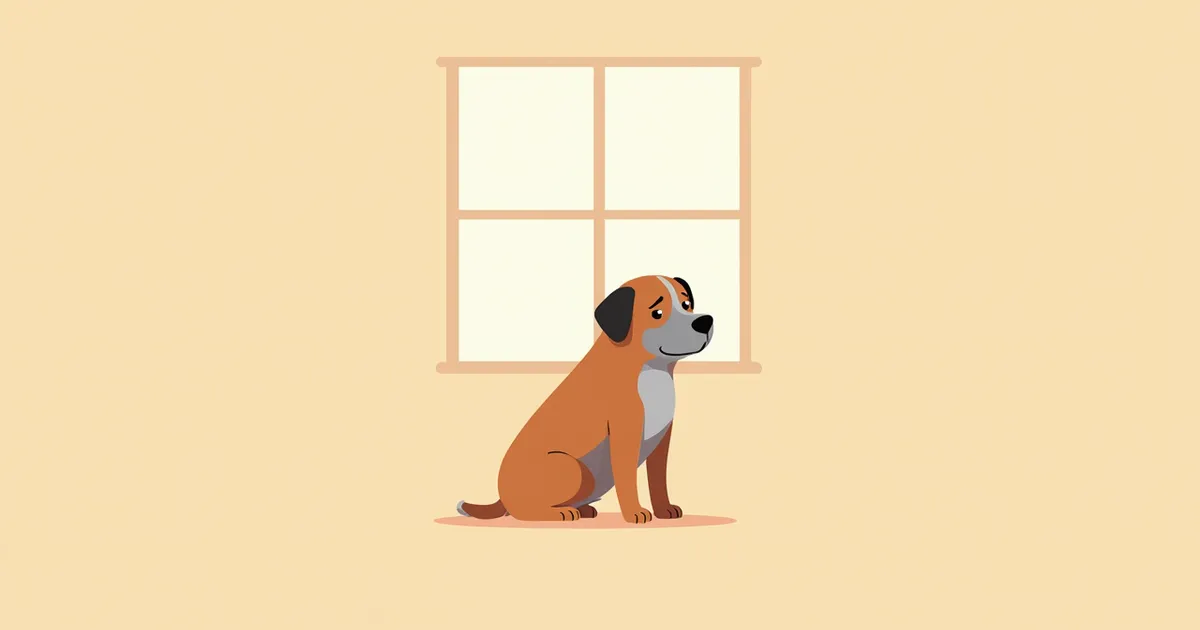
Symptoms of vision impairment in dogs with diabetic cataracts, such as bumping into furniture in dimly lit areas

Go to the Vet Immediately If You See These Symptoms

If your pet’s eyes suddenly become severely red and swollen, if they keep their eyes closed and avoid light, or if the eyeballs appear bulging, there may be glaucoma or lens-induced uveitis. Acute intraocular inflammation or elevated intraocular pressure can lead to permanent blindness if not treated promptly, so it’s essential to seek veterinary care as soon as possible. Even during nights or weekends, visiting a 24-hour emergency animal hospital for immediate examination and treatment is the safest course of action.

How Is It Diagnosed at the Vet?

Diagnosis is carried out in two main steps.
Blood and urine tests: Fasting blood glucose and fructosamine levels are checked to confirm diabetes and assess blood sugar control over the past 2–3 weeks.
Comprehensive ophthalmic examination: A slit-lamp exam is used to evaluate the degree of lens opacity, and tonometry measures intraocular pressure to check for concurrent glaucoma. Before surgery, an ultrasound is mandatory to assess retinal health. The retina must be healthy for vision to be restored after surgery.

Treatment — Surgery and Blood Sugar Stabilization
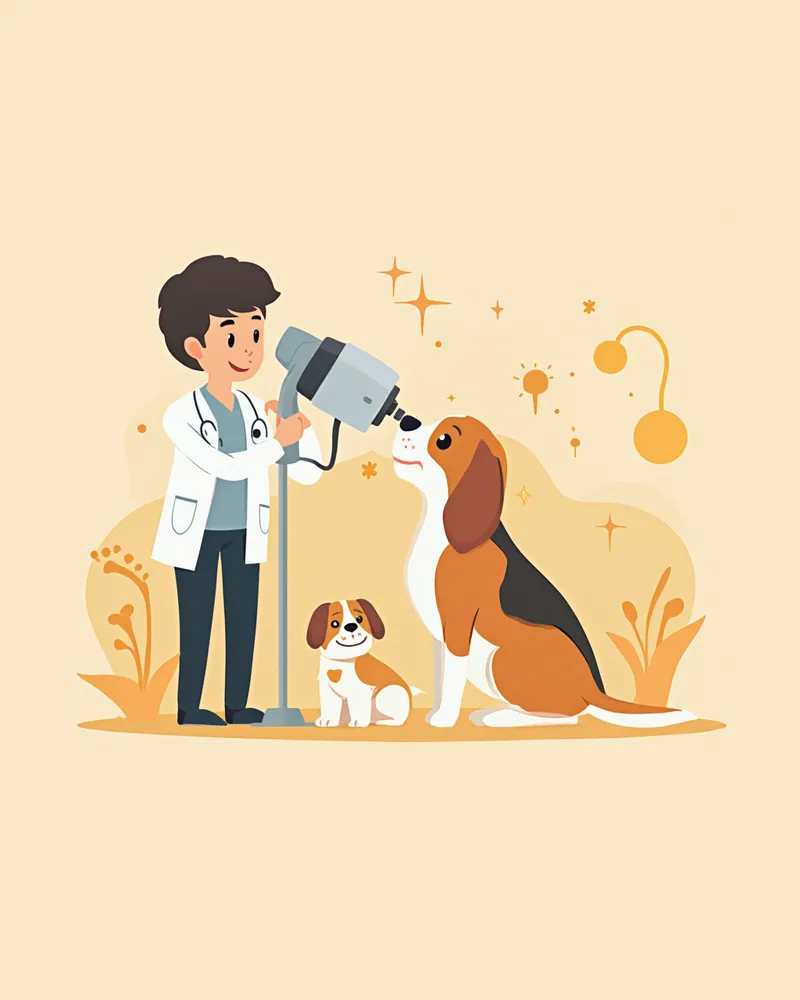
The definitive treatment is phacoemulsification, a procedure that uses ultrasound to emulsify and aspirate the clouded lens, followed by the implantation of an artificial lens. If the retina is healthy, vision can typically be restored. Veterinary literature emphasizes the importance of stable diabetes management through close collaboration between pet owners and the veterinary medical team before and after surgery. In early stages, adjunctive medical management with topical eye medications may also be employed. The decision regarding whether to proceed with surgery and the optimal timing should be made in consultation with a veterinary ophthalmologist.
A puppy undergoing a slit-lamp examination by an ophthalmologist at an animal hospital.

Management Points You Can Do at Home

Keeping blood sugar stable is the top priority both before and after surgery.
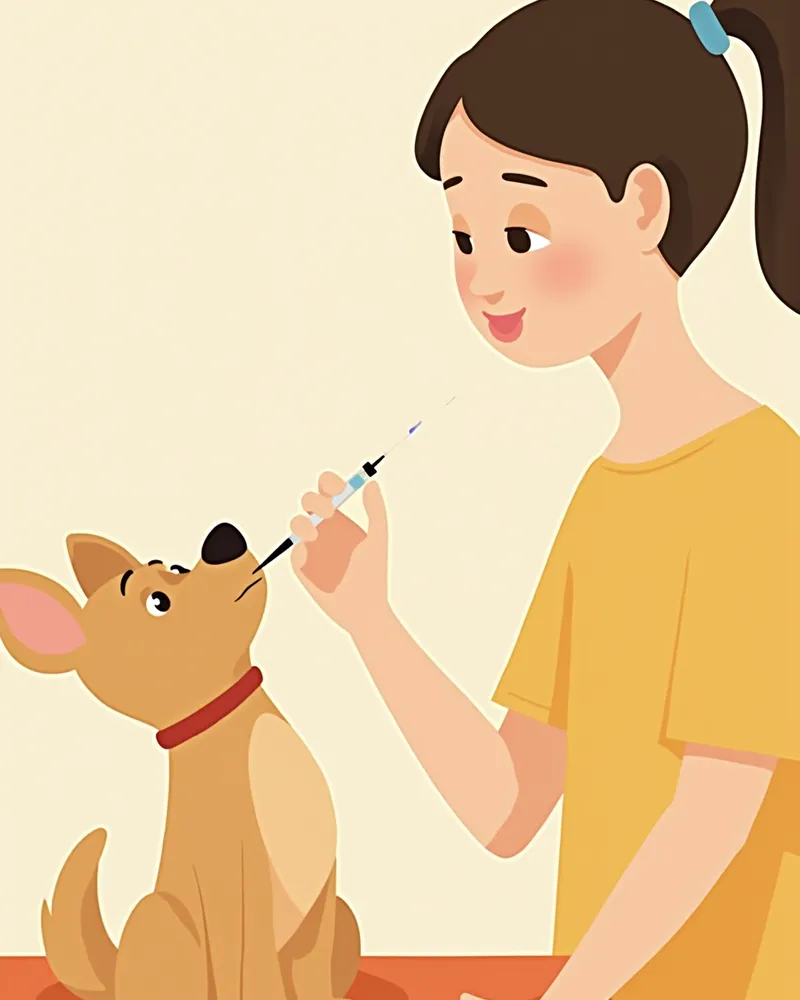
Set a fixed insulin administration time: Give insulin at the same time every day, right after meals. Changes in food intake or exercise levels can cause blood sugar fluctuations.
Feed low-glycemic-index food: High-fiber foods that digest slowly help prevent sharp spikes in blood sugar after eating.
Keep the area around the eyes clean: Gently wipe around the eyes with a soft cloth to prevent buildup of discharge.
Create a safe home environment: Reduce the risk of falls by cushioning furniture corners and installing gates on stairs.
A scene of a pet owner managing their dog’s daily diabetes care by administering insulin injections at home.

Pay Special Attention to These Breeds

Golden Retrievers, Labrador Retrievers, Miniature Schnauzers, Bichon Frises, and Miniature Poodles are known to have a higher incidence of hereditary (congenital) cataracts. Additionally, because genetic predisposition plays a role in the development of diabetes itself, dogs of these breeds diagnosed with diabetes should be monitored more closely for cataract risk. If your dog has been diagnosed with diabetes, regular ophthalmic examinations every 3 to 6 months are recommended, even in the absence of symptoms.

Reviewed by a veterinarian

Dr. Tony — Punnawat Phongkittirak

Dr. Tony — Punnawat Phongkittirak

Veterinarian

A veterinarian who majored in veterinary medicine at Khon Kaen University, Thailand, and completed the IVSA program at North Carolina State University in the United States. Drawing on clinical experience at animal hospitals, he works in the pet healthcare field and is dedicated to building a digital care environment that connects pet parents with veterinarians.

Frequently Asked Questions

Can diabetic cataracts be completely cured?
Phacoemulsification can restore vision by removing the cloudy lens and replacing it with an artificial one. However, the retina must be healthy and blood sugar levels must be well-controlled before surgery.
Does good blood sugar management prevent cataracts?
Good blood sugar control can slow the progression of the disease. However, since diabetes itself increases the risk of cataracts, regular eye exams are essential.
Can cataracts develop again after surgery?
Once an artificial lens is implanted, it does not become cloudy in the same way. Although secondary cataracts can occasionally develop, they can be managed with regular check-ups.
How are diabetic cataracts different from age-related cataracts?
Senile cataracts develop slowly over several years, whereas diabetic cataracts can progress rapidly within a few weeks. If your pet’s eyes suddenly become cloudy after a diabetes diagnosis, diabetic cataracts should be suspected.
My dog has cataracts in only one eye—does it still need surgery?
Even if only one eye is affected, leaving it untreated can lead to glaucoma or uveitis. It’s best to consult with a veterinary ophthalmologist to determine the optimal timing for surgery.

Share

Related Guides

References

[1] Little S., The Dog Care Handbook: Things I Wish My Vet Had Told Me, 5M Publishing, 2024

[2] Villiers E. and Ristic J. (eds.), Notes on Canine Internal Medicine, 4th Ed, Wiley-Blackwell, 2023

[3] Schaer M. and Gaschen F. (eds.), Clinical Medicine of the Dog and Cat, 4th Ed, CRC Press, 2022

This information is based on veterinary literature and does not replace diagnosis or treatment. Please consult a veterinarian for specific health concerns.

Metapet Co., Ltd. | CEO: Park Sung-yong | Business Reg. No. 417-88-02562 | Seoul, South Korea | Customer Center

Dog's Eyes Suddenly Cloudy? Diabetic Cataract Signs & Timing | Meongsiljang