Like
Share
멍실장
강아지 중성화 수술 장단점 증상과 원인, 진단·치료와 관리 포인트 총정리

Dog Neutering Surgery: Pros and Cons, Symptoms and Causes, Diagnosis, Treatment, and Management Points Summary

Lifestyle & Age CareDiseasesMeongsiljang Veterinary Advisory Board

Spaying or neutering your dog is a preventive surgery that removes the reproductive organs, helping to improve behavior and prevent certain diseases. However, side effects such as weight gain or hormonal changes may occur after the procedure.

Dog Neutering Surgery is a Preventive Surgery that Protects the Health of Both the Owner and the Dog
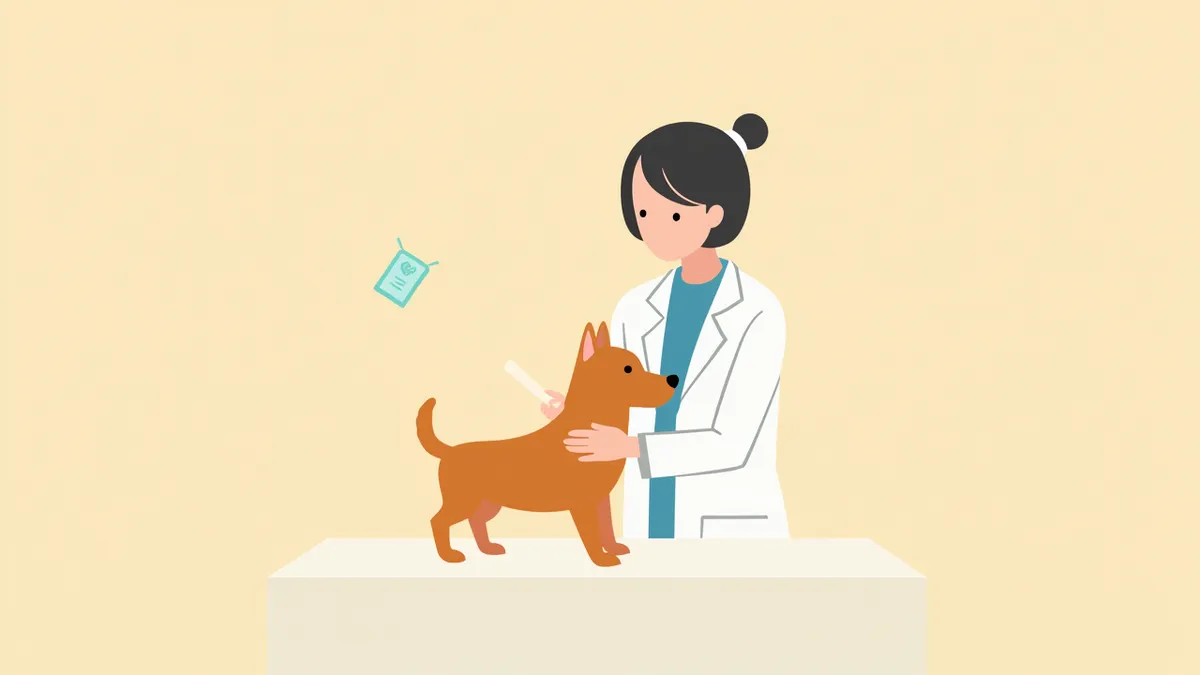
A veterinarian examining a puppy before neuter surgery
Spaying is a preventive surgery that removes the reproductive organs, such as the ovaries and uterus, and can support your dog’s long-term health. - Primary purpose of the surgery: By blocking the release of reproductive hormones, spaying helps prevent uterine diseases like pyometra. Performing the procedure at a young age can also reduce the risk and severity of mammary tumors. - Benefits of the surgery: It can decrease behaviors associated with heat cycles and breeding, helping your dog live more calmly and stably. - Changes after surgery: Hormonal shifts may make weight gain more likely, so careful management of diet and exercise is essential. - Long-term advantages: Spaying can extend your dog’s average lifespan and eliminate the hassles of heat cycles and unwanted pregnancies. - Important considerations: To prevent obesity after surgery, strict dietary control and regular exercise are necessary.

Main Causes and Pathogenesis of Neutering Surgery
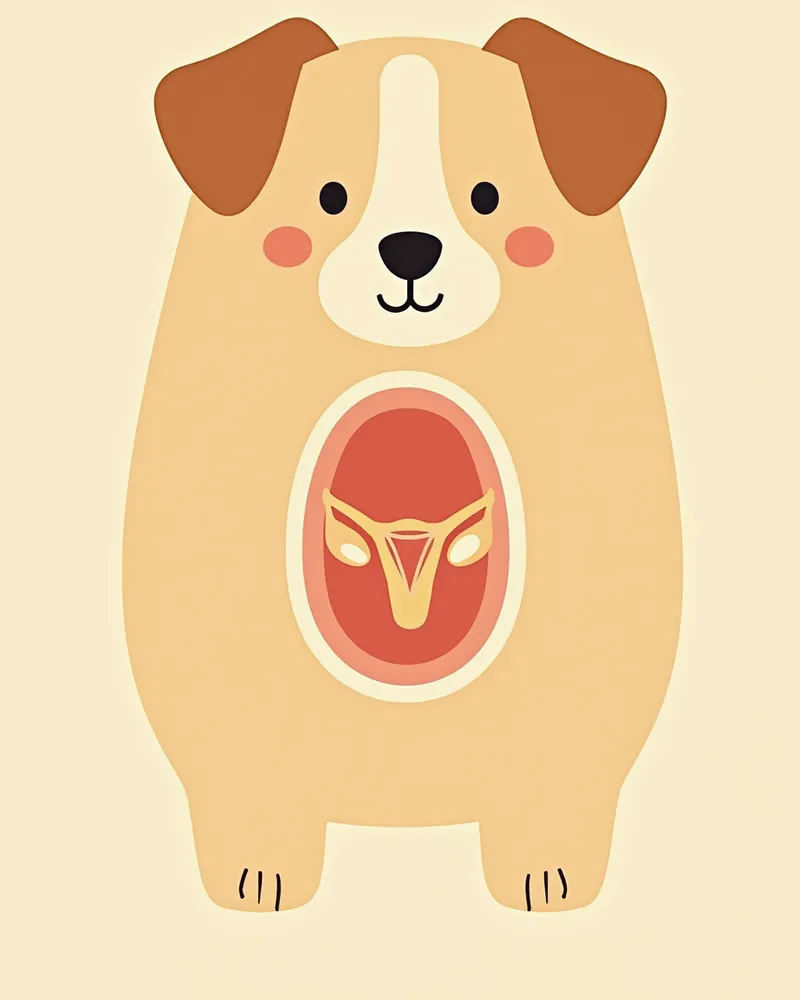
Dog neutering is performed to prevent or treat conditions related to reproductive hormones. - Pyometra: This is an infectious disease in which the uterus fills with pus. Removing the uterus through neutering prevents this condition. - Reproductive diseases and tumors: Neutering helps treat and prevent issues such as ovarian cysts, pyometra, and tumors of the uterus and ovaries. In particular, performing the surgery at a young age before the first heat cycle can reduce the risk and severity of mammary tumors. - Behavioral changes: Behaviors associated with heat cycles and reproduction, such as roaming and marking, may decrease. However, aggression does not always diminish after neutering, as individual variation is significant. - Hormonal changes: The removal of sex hormones can reduce stress associated with heat cycles. - Long-term considerations: After neutering, the risk of obesity, certain joint diseases (such as cruciate ligament rupture), and urinary incontinence may increase. Therefore, management tailored to the dog’s breed and the timing of the surgery is necessary.
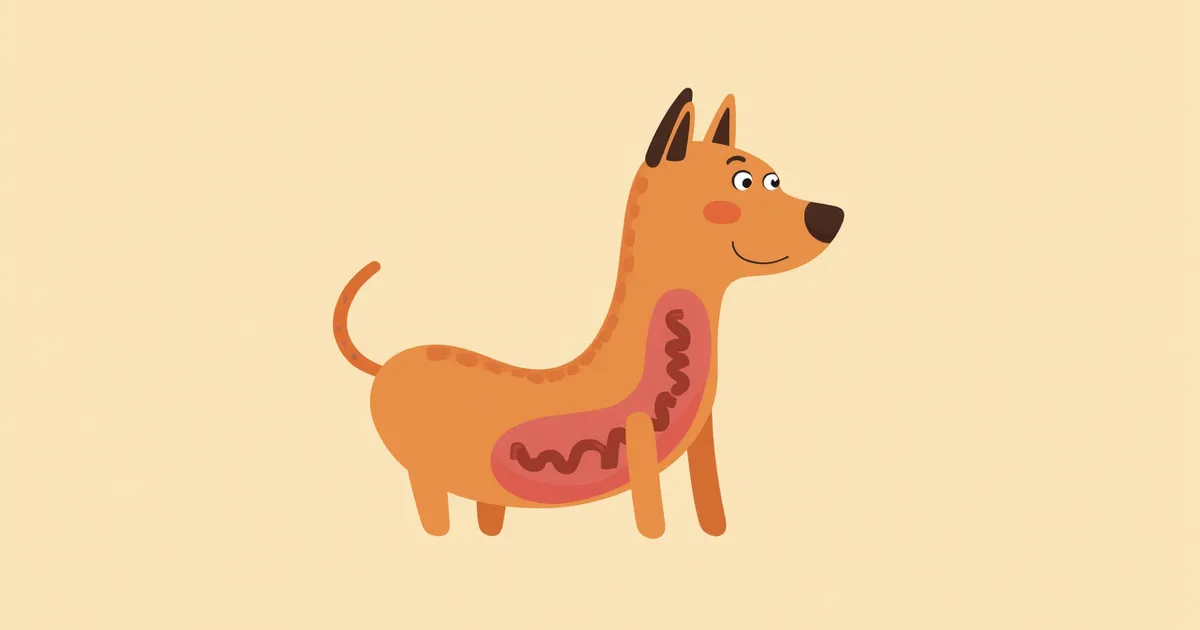
Anatomical diagram of a dog's uterus and ovaries

Main Symptoms and Signs that May Occur After Neutering Surgery
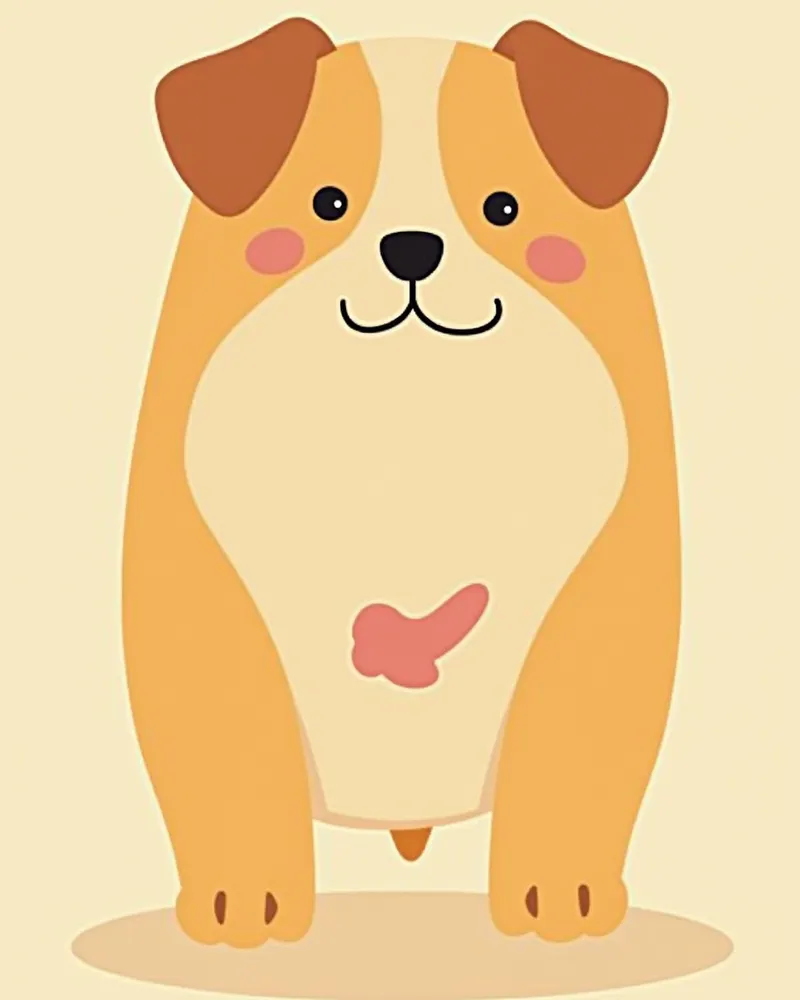
There are several signs pet owners should carefully monitor after neutering surgery. It’s essential to check for swelling, bleeding, or signs of infection at the surgical site. Additionally, hormonal changes can lead to weight gain, making post-operative care crucial.
Swelling at the surgical site: Mild swelling after surgery is common, but if it persists, worsens, or is accompanied by discharge or pus, it may indicate wound dehiscence or infection, requiring a visit to the vet.
Weight gain: Hormonal changes after neutering can make weight gain more likely. Prevent obesity through proper diet control and exercise.
Licking the wound: If your dog licks the surgical site, it can cause the wound to open or become infected. Using an Elizabethan collar (e-collar) is recommended to prevent this.
Signs of pain: Pain levels vary from dog to dog. If your dog shows unusual signs of discomfort, it may be necessary to assess whether pain management is needed.
The puppy's abdomen is slightly swollen after neutering surgery.

Emergency Situations Requiring Immediate Veterinary Visit

If your pet experiences severe pain, high fever, continuous bleeding from the surgical site, abdominal swelling, or repeated vomiting within 24 hours after surgery, please visit the clinic immediately. These could be signs of serious complications such as infection, bleeding, or internal organ damage.

Comparison of Pros and Cons of Neutering Surgery

ItemAdvantagesDisadvantages
Disease PreventionPrevents pyometra and uterine/ovarian diseases; reduced risk of mammary tumors when surgery is performed at a young ageEarly neutering may increase the risk of certain joint diseases (especially in large breeds)
Behavioral ImprovementReduces reproduction-related behaviors such as estrus, roaming, and markingAggression is not always reduced and varies greatly between individuals
Weight ManagementReduced estrus stress allows for stable managementHormonal changes increase the risk of weight gain
Postoperative RecoveryThere are reports of increased average lifespanPossibility of complications such as infection, bleeding, and urinary incontinence

Consult your veterinarian before surgery to consider the individual risks and benefits.

Diagnostic Methods and Procedures for Neutering Surgery
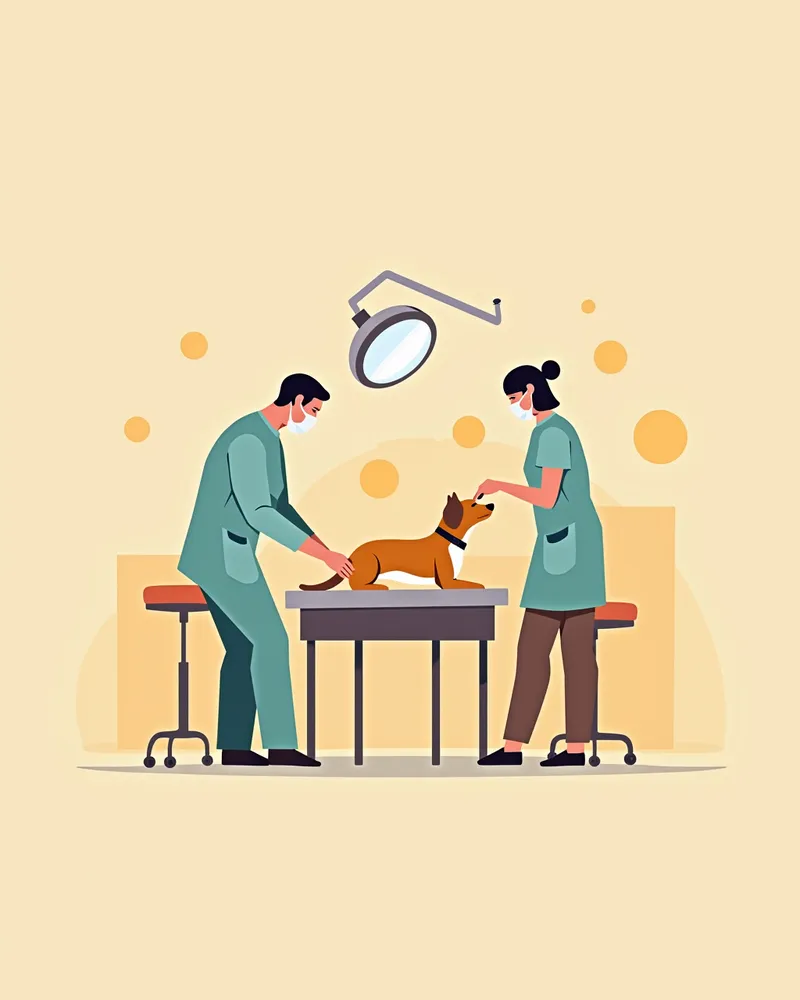
Before neutering, we recommend blood tests, an echocardiogram, and urinalysis to assess your pet’s overall health. - Preoperative evaluation: We carefully check liver function, kidney function, and blood parameters to minimize anesthesia risks. - Surgical procedure: The standard approach involves removing both the uterus and ovaries under general anesthesia, with the surgery typically taking about 30 to 60 minutes. - Postoperative care: Regularly monitor the incision site for signs of infection, assess pain levels, and check for the return of appetite. - Recovery period: Sutures are usually removed 10 to 14 days after surgery. Until then, avoid swimming and strenuous exercise. - Follow-up check: It is important to visit the clinic within one month after surgery to confirm proper recovery.
A scene of a puppy undergoing neutering surgery.

Treatment and Step-by-Step Management for Recovery from Neutering Surgery
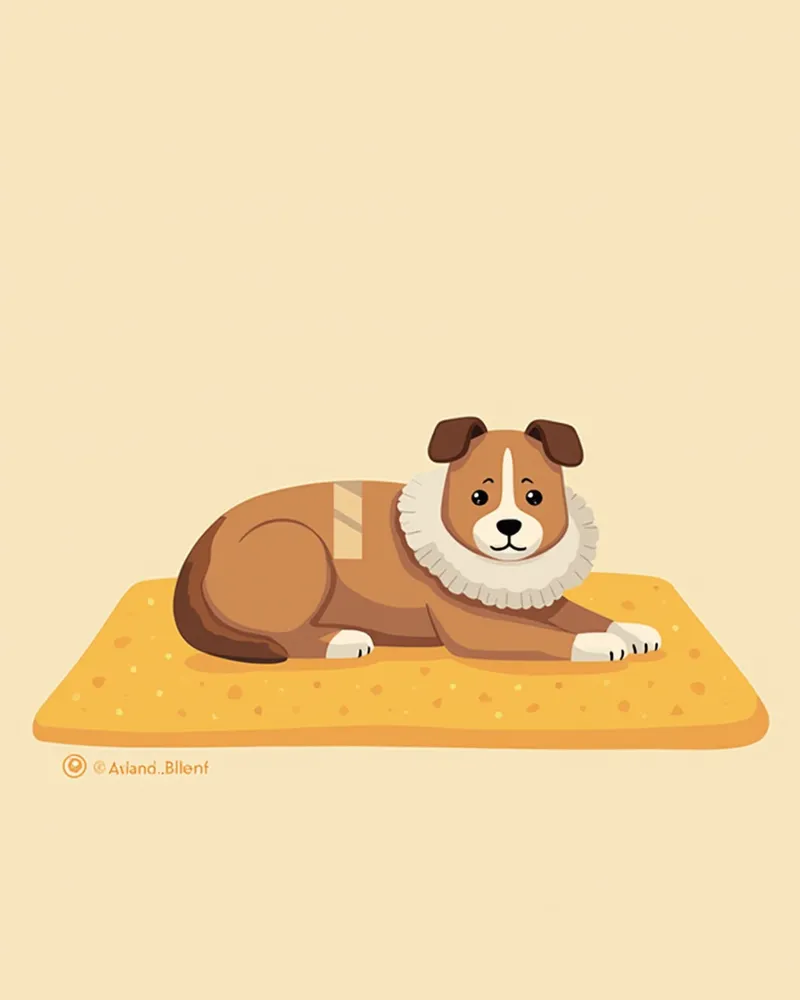
During the post-surgical recovery period, it is important to limit activity and ensure your pet gets plenty of rest. - Activity Restriction: Avoid strenuous exercise while healing; only allow short, quiet walks. - Surgical Site Care: To prevent infection and wound dehiscence, use an Elizabethan collar (e-collar) to stop your dog from licking the surgical site. - Pain Management: Pain relief is key to recovery. Administer pain medication as directed by your veterinarian, and monitor your pet’s discomfort to adjust treatment as needed. - Suture Check: When removing sutures, be sure to check for any abnormal signs such as swelling, bleeding, or pus. - Long-Term Care: After neutering, pets are prone to weight gain, so dietary control and regular exercise are essential to prevent obesity.
A puppy wearing a collar after neutering surgery

Long-term Management and Prevention Points at Home
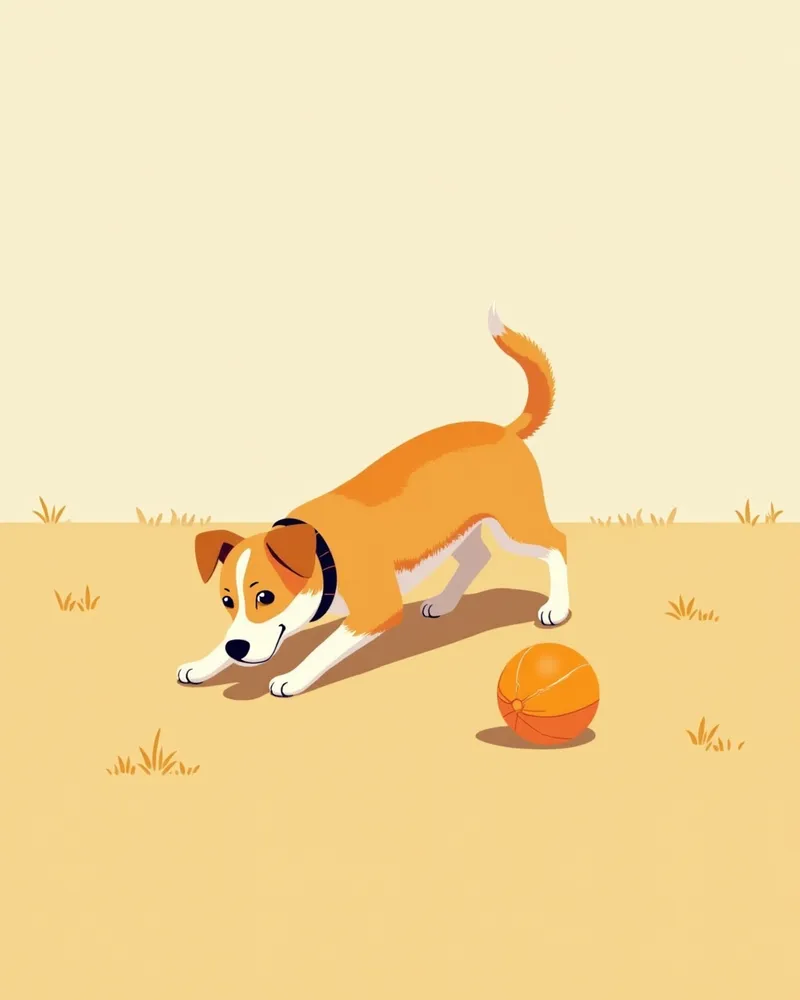
After neutering, weight management and consistent health care are the most important priorities. - Dietary management: Hormonal changes after neutering can make weight gain more likely, so it’s important to properly control portion sizes and treats to prevent obesity. - Exercise management: Regular walks and playtime help maintain a healthy weight and activity level. - Regular check-ups: Visit the clinic to monitor recovery, and continue with routine health examinations thereafter. - Observing changes: Hormonal shifts may affect appetite and overall condition, so keep track of any unusual changes from your pet’s normal behavior. - Long-term considerations: Neutering may increase the risk of obesity, certain joint diseases, and urinary incontinence. These risks can vary depending on breed and the timing of surgery, so individualized veterinary advice is recommended.
A puppy playing energetically after neuter surgery

Prevention of Recurrence After Surgery and Breed-Specific Precautions

Certain breeds may have a higher risk of joint disease, weight gain, or urinary incontinence after spaying or neutering. This tendency is especially noticeable in large breeds, and female large-breed dogs spayed at a young age (before six months of age) are known to be more prone to developing urinary incontinence over time. Additionally, early spaying or neutering may be associated with certain joint conditions, so it’s important to tailor diet and exercise plans to the breed’s characteristics and growth stage. After surgery, it’s essential to consistently monitor any changes in weight.

Reviewed by a veterinarian

Dr. Tony — Punnawat Phongkittirak

Dr. Tony — Punnawat Phongkittirak

Veterinarian

A veterinarian who majored in veterinary medicine at Khon Kaen University, Thailand, and completed the IVSA program at North Carolina State University in the United States. Drawing on clinical experience at animal hospitals, he works in the pet healthcare field and is dedicated to building a digital care environment that connects pet parents with veterinarians.

Frequently Asked Questions

When is the best time to have my pet spayed or neutered?
While surgeries are commonly performed between heat cycles (mid-season), it’s advisable to consider neutering large-breed dogs only after their skeletal growth is complete. Large-breed dogs neutered at a young age may face a higher risk of urinary incontinence and certain joint disorders, so it’s important to consult with your veterinarian to determine the optimal timing based on the dog’s breed and body type.
Will my dog gain weight after being spayed or neutered?
Hormonal changes can slow down metabolism, making it easier to gain weight. You can prevent obesity through proper dietary management and regular exercise.
Will neutering affect my dog's personality?
Behaviors related to heat cycles and reproduction often decrease. However, aggression doesn't always diminish after neutering, and the extent of change varies from individual to individual. A dog's basic personality generally remains the same.
How high is the risk of infection after spaying or neutering?
There is a risk of infection after surgery. Use an Elizabethan collar to prevent your dog from licking the surgical site, and visit the clinic if swelling or bleeding persists or if a high fever develops.
Does neutering help prevent cancer?
Spaying, which involves removing the uterus and ovaries, helps prevent uterine and ovarian diseases. In particular, performing the surgery at a young age can reduce the risk and severity of mammary tumors. However, the preventive effects may vary depending on the timing of the surgery, and there are reports suggesting that the risk of certain cancers may actually increase. Therefore, it is best to consult with your veterinarian to make an informed decision.

Share

Related Guides

References

[1] The Dog Care Handbook, Things I Wish My Vet Had Told Me, 2024

[2] Handbook on Field Veterinary Surgery, Ch19: Ovariohysterectomy in Canines and Felines, 2023

[3] The Cat, Clinical Medicine and Management, 2nd Edition, 2022

This information is based on veterinary literature and does not replace diagnosis or treatment. Please consult a veterinarian for specific health concerns.

Metapet Co., Ltd. | CEO: Park Sung-yong | Business Reg. No. 417-88-02562 | Seoul, South Korea | Customer Center

Dog Spay & Neuter: Pros, Cons, and Care Points Explained | Meongsiljang