Like
Share
멍실장
고양이 비문증(유리체 혼탁) 증상과 원인, 진단·치료와 관리 포인트 총정리

Feline Vitreous Opacity: Symptoms, Causes, Diagnosis, Treatment, and Management Tips

Eye HealthDiseasesMeongsiljang Veterinary Advisory Board

Feline vitreous opacity is an eye condition in which cloudy particles float within the vitreous body, affecting vision. It can be caused by various factors such as aging, trauma, and inflammation, making early detection important.

What is Feline Vitreous Opacity?
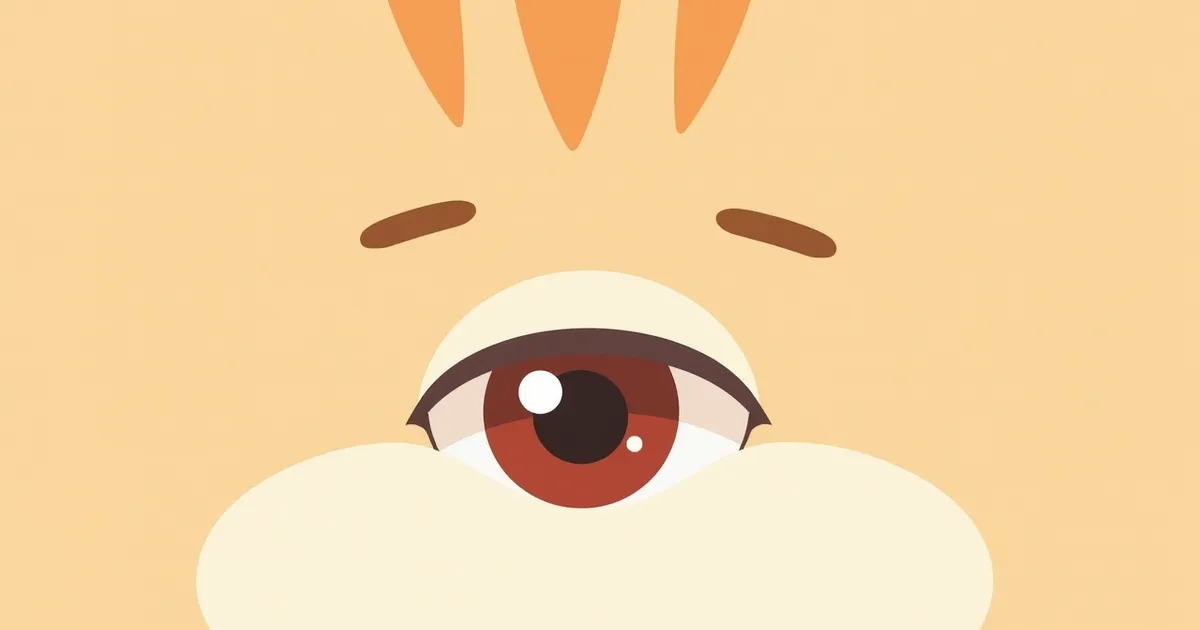
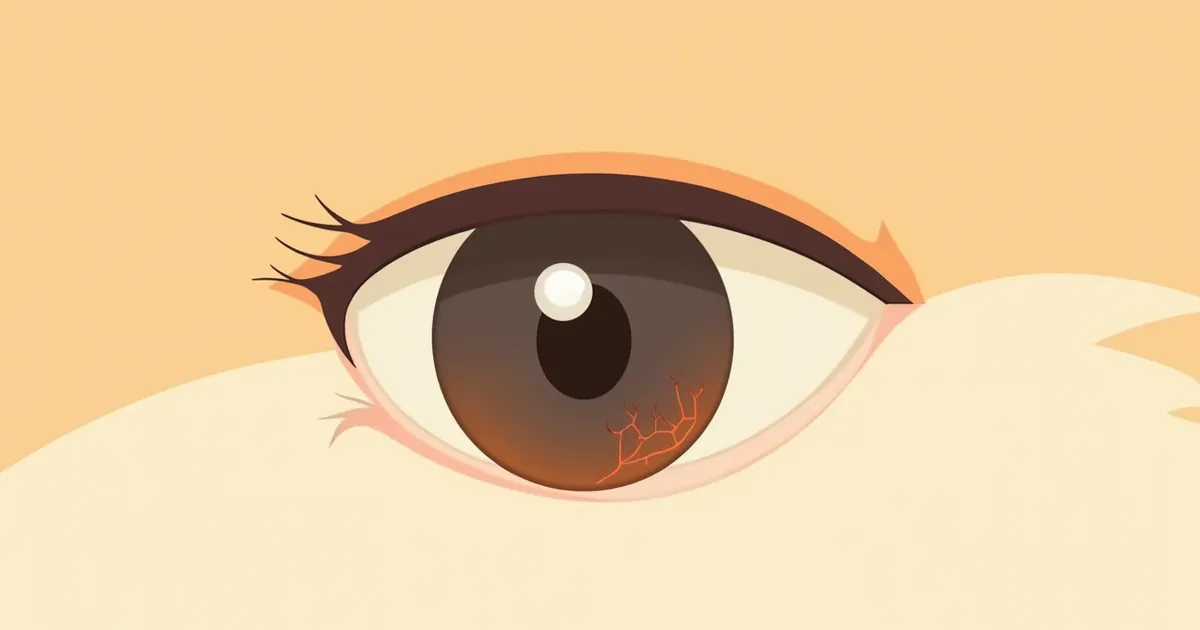
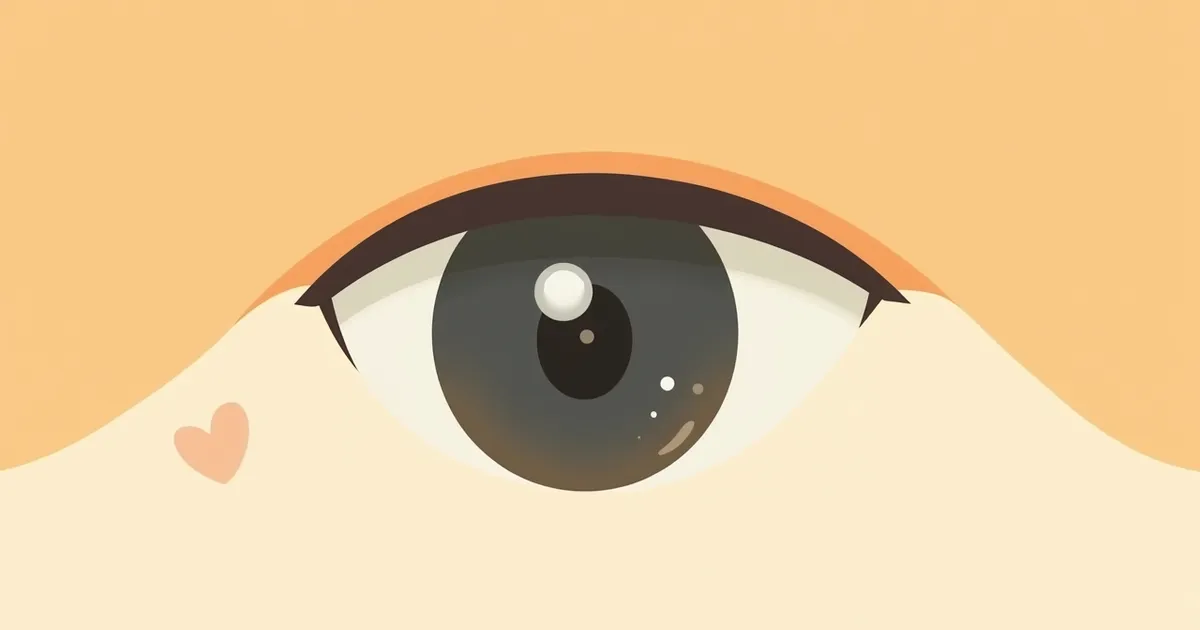
An anatomical image of a cat’s eye with vitreous opacity
Feline eye floaters are commonly referred to as vitreous opacity, an ophthalmic condition in which cloudiness or floaters develop within the vitreous humor, the jelly-like substance that fills the eye. - Vitreous opacity: This condition involves the formation of hazy precipitates or floaters within the vitreous humor, typically resulting from age-related vitreous degeneration or intraocular inflammation. - Nature of the floaters: Inflammatory cells, degenerated substances, and, rarely, parasitic larvae may be observed within the vitreous humor. - Impact on vision: Severe opacity can prevent light from focusing clearly on the retina, leading to blurred vision. Since cats cannot verbally express discomfort, signs may include bumping into objects or changes in behavior. The key is to identify the underlying cause and maintain consistent management.

What are the Main Causes of Vitreous Opacity?
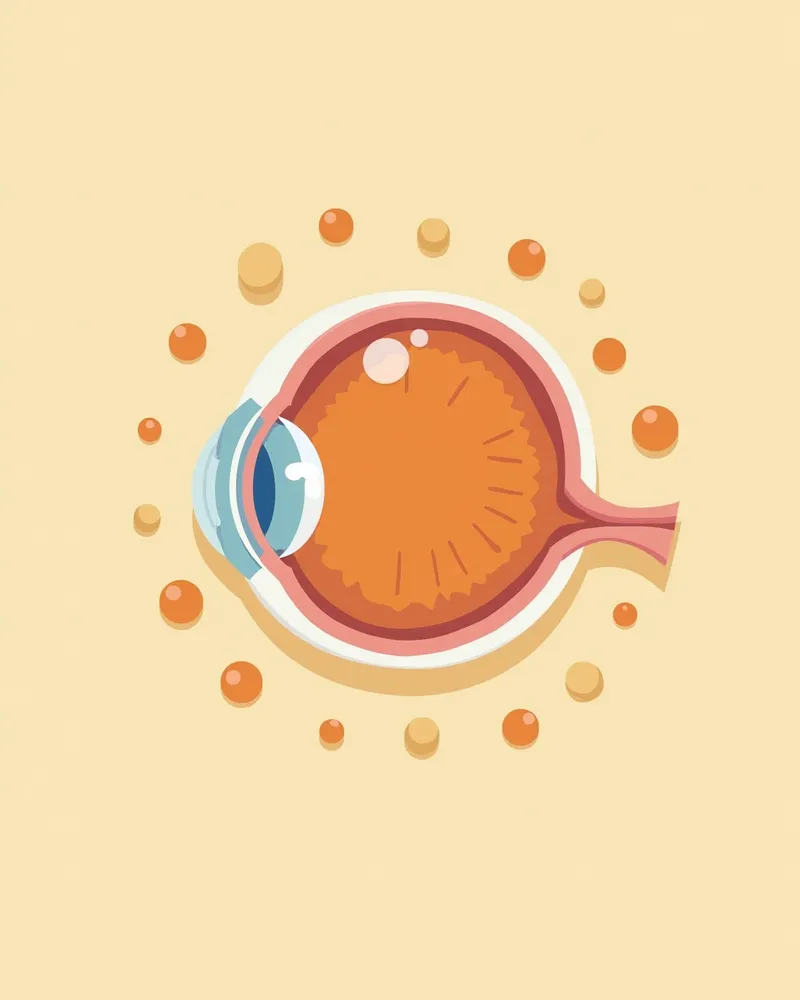
Vitreous opacity in cats can result from age-related vitreous degeneration as well as various other causes, and it is generally more commonly observed in older cats. - Trauma: Blunt force to the head or eye can damage the vitreous or retina, leading to opacity or hemorrhage. - Inflammatory responses: Conditions such as uveitis or chorioretinitis can cause inflammatory cells and debris to accumulate within the vitreous. - Systemic diseases and infections: Hypertension can cause retinal hemorrhage, retinal detachment, or vision loss, while systemic infections like FIP or FIV may lead to intraocular inflammation. - Tumors: Intraocular tumors, such as lymphoma, can be associated with changes in the vitreous and retina. - Genetic and congenital factors: Some cats may have congenital or hereditary eye diseases. Identifying the underlying cause is the first step toward effective treatment and management.
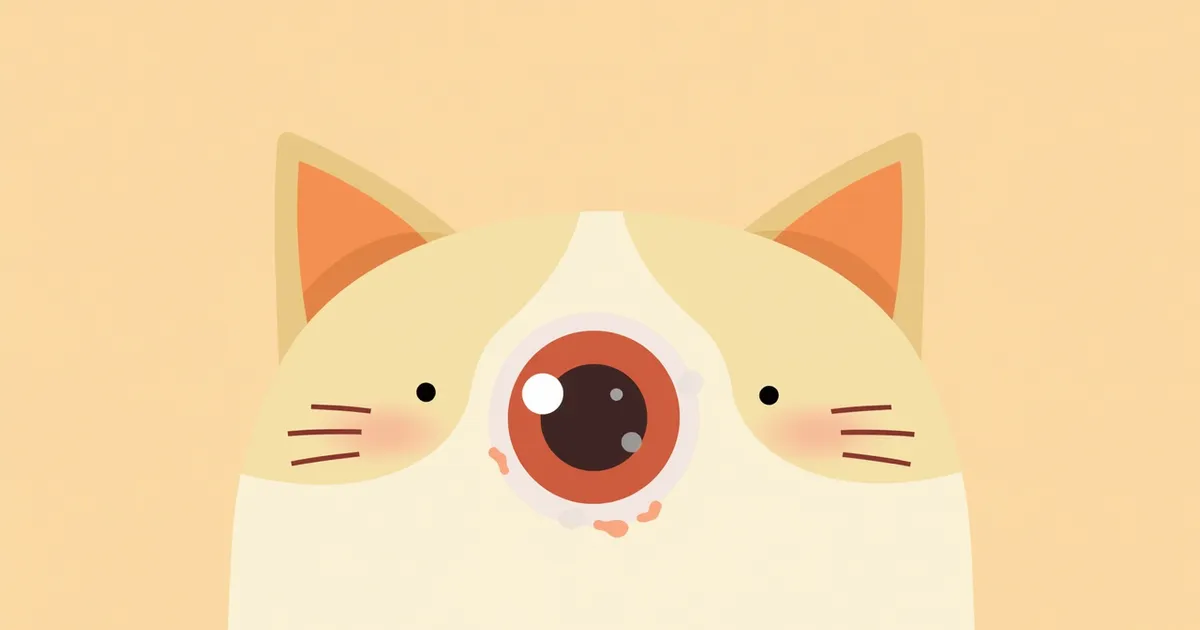
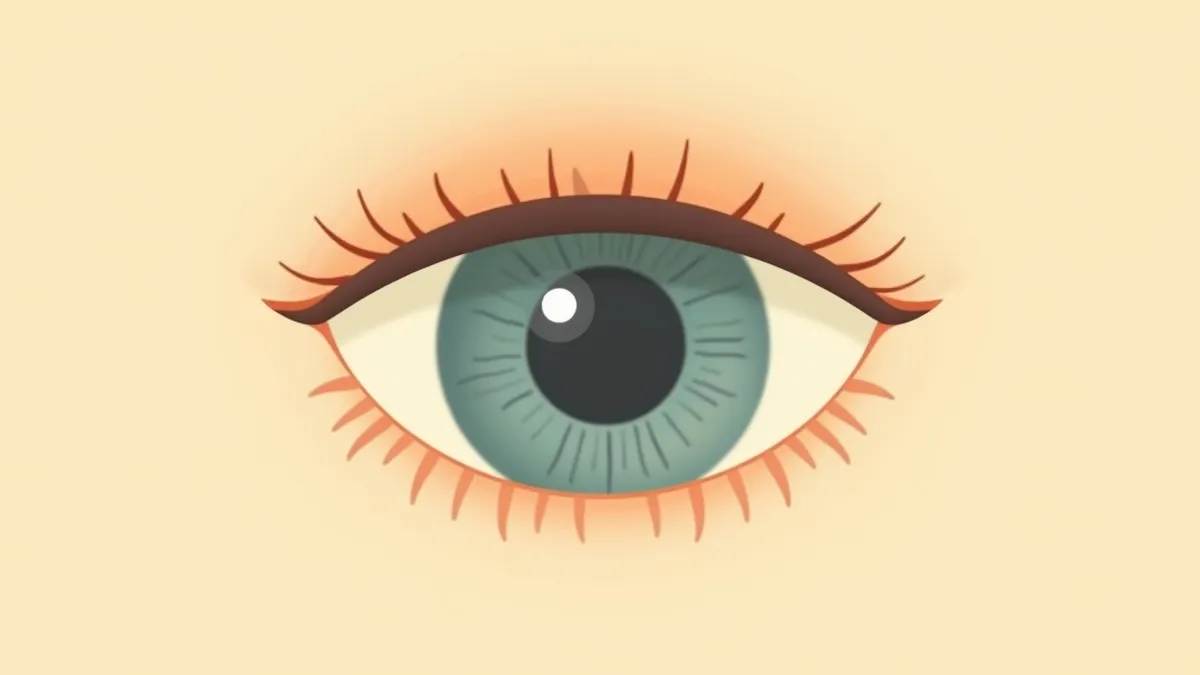
An image of a cat's eye showing vitreous degeneration and clouding due to aging

What are the Main Symptoms and Signs?
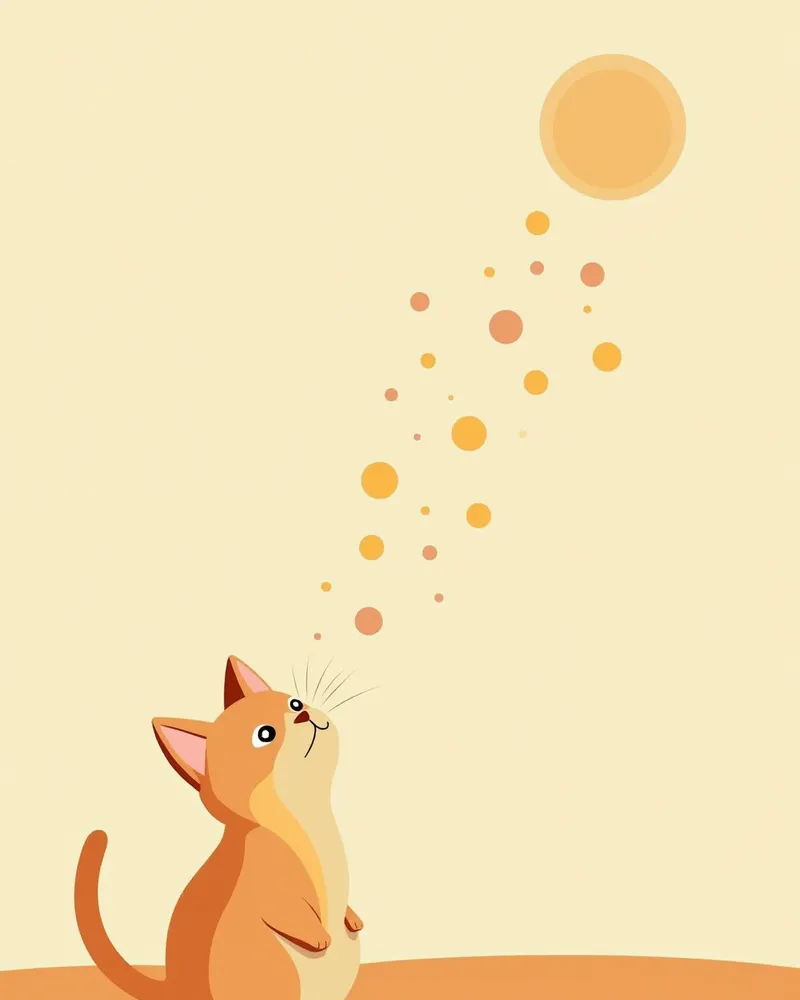
Since cats can’t verbally express visual disturbances like humans do, owners typically notice vision loss through changes in behavior and mobility. - Suspected blurred vision: Your cat may struggle to see in dim light or appear hesitant when moving. - Colliding with objects: They might bump into furniture or walls, or stumble along familiar paths. - Diminished threat response: The blink reflex may weaken, such as failing to close their eyes when a hand is waved in front of them. - Changes in eye appearance: Redness or cloudiness on the eye surface may indicate intraocular inflammation. - Behavioral changes: Your cat may become anxious, less active, or lose interest in play. If these signs persist, immediate veterinary ophthalmic evaluation is necessary.
A cat gazing upward, watching shadows drift across its field of vision.

When to Seek Immediate Veterinary Care

If floaters suddenly worsen, or if they’re accompanied by vision loss, increased tearing, or redness of the eye, it could indicate retinal detachment or bleeding. Immediate veterinary care is essential.

Diagnostic Methods for Accurate Diagnosis
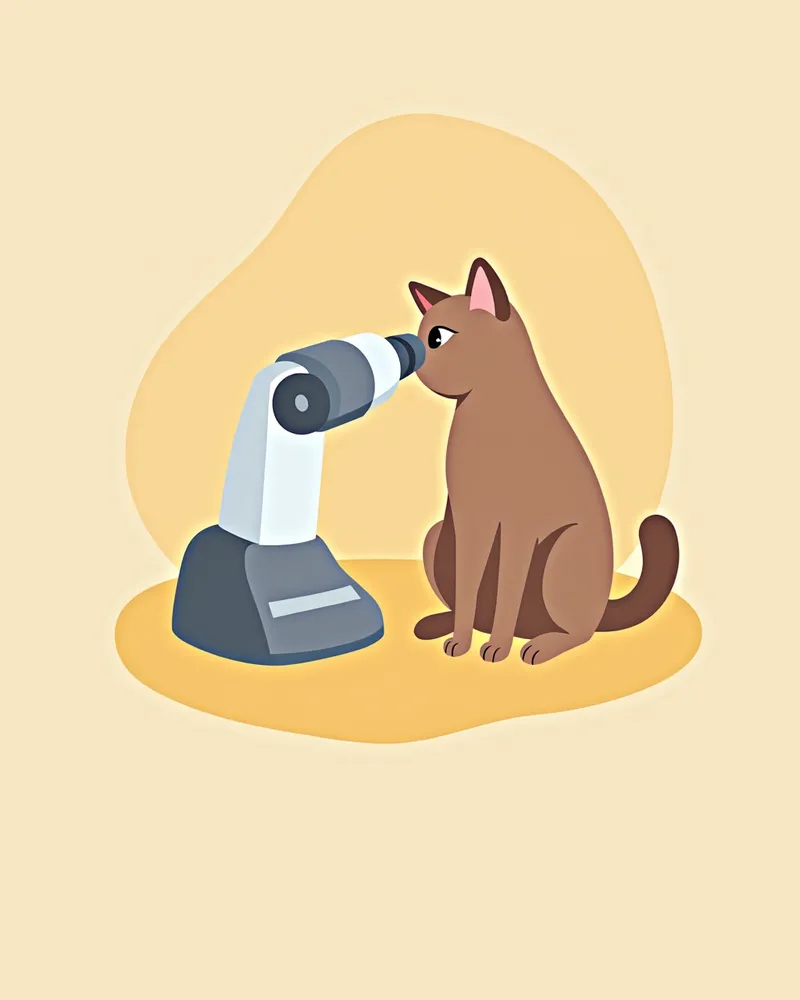
To accurately diagnose vitreous opacity in cats, your veterinarian will fully dilate the pupil and directly examine the vitreous body and fundus using an ophthalmoscope or similar instrument. Adequate pupil dilation is essential for properly evaluating the lens, vitreous body, and fundus. - Fundus (retinal) examination: After dilation, this key test uses an ophthalmoscope to check for cloudiness or floaters within the vitreous body and to assess the condition of the retina. - Ocular ultrasound: This is useful for evaluating internal eye structures and checking for retinal detachment when the vitreous is too opaque to see through clearly. - CT or MRI: These imaging techniques can help assess more serious underlying causes, such as tumors. - Blood tests: These are used to check for systemic causes, such as whole-body infections or inflammation. - Intraocular pressure measurement: This evaluates whether glaucoma is present. An accurate diagnosis allows us to develop a management plan tailored to the specific cause.
A veterinarian examining a cat's eyes using a slit lamp

Treatment Options and Step-by-Step Management
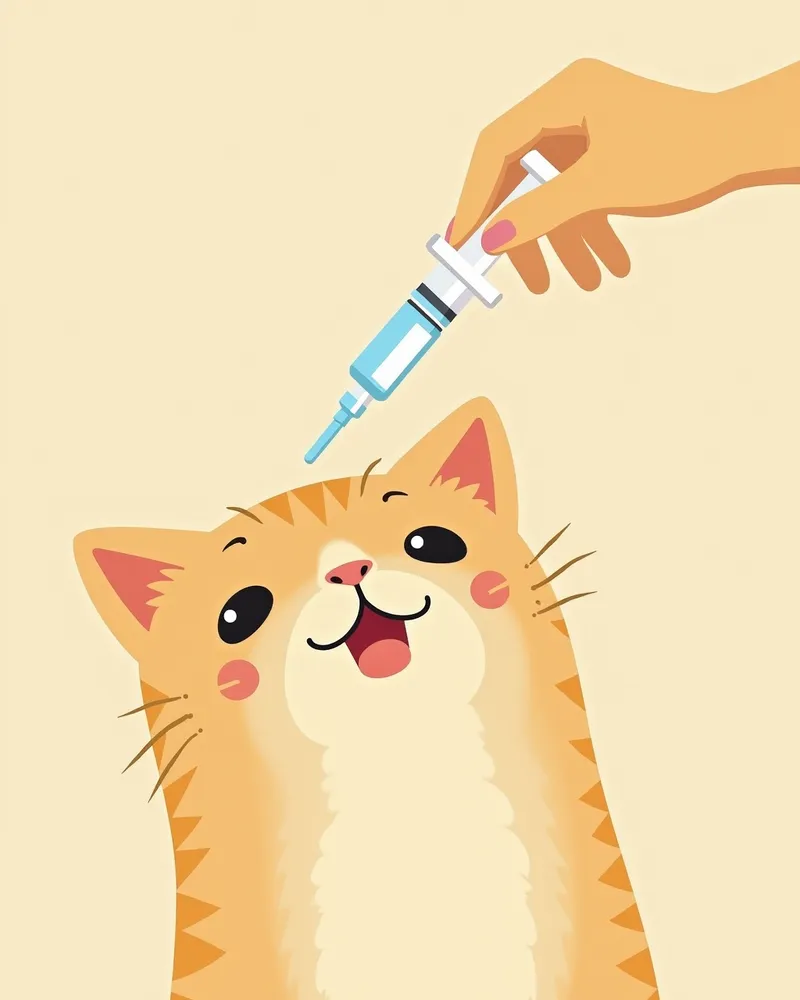
While it’s often difficult to completely reverse vitreous opacity, the approach depends on the underlying cause. - Treating the root cause: If inflammation, such as uveitis, is the culprit, we identify and treat the underlying issue with anti-inflammatory therapy. If an infection is confirmed, targeted treatment is provided accordingly. - Surgical options: In cases involving retinal detachment, intraocular hemorrhage, or foreign bodies/larvae within the vitreous, surgery such as vitrectomy may be necessary. - Managing systemic conditions: If systemic issues like hypertension are present, they should be managed concurrently to minimize further damage. - Protecting vision and adapting to daily life: To prevent further vision loss, maintain a stable environment, keep furniture arrangements consistent, and use toys that guide your pet through sound and scent. - Regular check-ups: Have your pet’s eyes evaluated at intervals recommended by your veterinarian to detect changes early. Early intervention plays a crucial role in preserving vision.
A veterinarian administering eye drops to a cat

Management Tips at Home

When a cat’s vision declines, it’s important to keep its surroundings stable and predictable. Avoid rearranging furniture, and remove obstacles from the paths your cat frequently uses. Keep lighting consistent, and use toys that appeal to sound or scent to encourage play.
Maintain a consistent environment: Avoid frequently changing the layout of furniture.
Remove obstacles: Keep your cat’s regular routes clear of any barriers.
Stabilize lighting: Minimize changes in brightness.
Sound-based play: Use toys that rely on hearing rather than sight.
Regular check-ups: Schedule an ophthalmic exam every six months.
A cat moving around comfortably in a stable environment free of obstacles

Considerations for Senior Cats and Specific Breeds

In senior cats, the risk of eye conditions, including vitreous degeneration, increases. Additionally, some cats may have congenital or hereditary eye diseases. Therefore, rather than focusing on specific breeds, it is important to detect changes early through regular eye examinations, regardless of breed or age.

Reviewed by a veterinarian

Dr. Tony — Punnawat Phongkittirak

Dr. Tony — Punnawat Phongkittirak

Veterinarian

A veterinarian who majored in veterinary medicine at Khon Kaen University, Thailand, and completed the IVSA program at North Carolina State University in the United States. Drawing on clinical experience at animal hospitals, he works in the pet healthcare field and is dedicated to building a digital care environment that connects pet parents with veterinarians.

Frequently Asked Questions

Does floaters cause complete blindness in cats?
No. In most cases, vision is not completely lost. However, shadows floating in the field of vision may be uncomfortable. If serious complications arise, vision impairment may occur.
Can floaters be treated?
If the cause is clear, treatment is possible. For example, if the cause is inflammation or trauma, it can be improved with medication. However, cloudiness caused by aging is difficult to heal naturally.
Does a cat feel uncomfortable when it develops a cataract?
Most cats adapt quickly. However, they may feel confused or anxious at first. Maintaining a stable environment can help reduce stress.
Can floaters be mistaken for other eye conditions?
Yes, the symptoms can be similar to other eye conditions such as retinitis, cataracts, and glaucoma. A professional examination by a veterinarian is necessary for an accurate diagnosis.
How can I help my pet at home if they develop floaters?
Keep your cat’s living environment stable and free of obstacles, and incorporate play that engages their sense of sound and smell. Regular veterinary check-ups are also essential.

Share

Related Guides

References

[1] Hoffman, J.M. et al. (2019). Vitreous opacities in cats: Clinical features and outcomes. Journal of Feline Medicine and Surgery, 21(5), 432–439.

[2] Gelatt, K.N. & K. (2020). Veterinary Ophthalmology, 6th ed. Wiley-Blackwell.

[3] Kraemer, D.C. et al. (2021). Retinal and vitreous changes in geriatric cats: A retrospective study. Veterinary Ophthalmology, 24(3), 210–217.

This information is based on veterinary literature and does not replace diagnosis or treatment. Please consult a veterinarian for specific health concerns.

Metapet Co., Ltd. | CEO: Park Sung-yong | Business Reg. No. 417-88-02562 | Seoul, South Korea | Customer Center

Feline Vitreous Opacity (Floaters): Causes, Signs & Care | Meongsiljang