
Cat Can’t Close Its Mouth — Symptoms, Causes, and Treatment Timing for Temporomandibular Joint Dislocation
Feline temporomandibular joint dislocation is a condition in which the jaw becomes displaced from its normal position, making it difficult for the cat to eat or vocalize. Immediate veterinary care is required.
Feline Temporomandibular Joint Dislocation Is a Condition Where the Jaw Displaces from Its Normal Position

The Main Causes Are Trauma, Surgery, and Jaw Muscle Tension
Key Symptoms Include Inability to Close the Mouth and Difficulty Eating

This Is an Emergency Situation Requiring Immediate Veterinary Care
If your cat is unable to close its mouth, has difficulty eating, or shows signs of pain, seek veterinary care immediately. The longer a dislocation goes untreated, the more difficult it becomes to correct, and there is a risk of further injury. Accurate diagnosis and professional manipulation by a veterinarian are essential.
Diagnosis Is Confirmed Through Physical Examination and Radiography
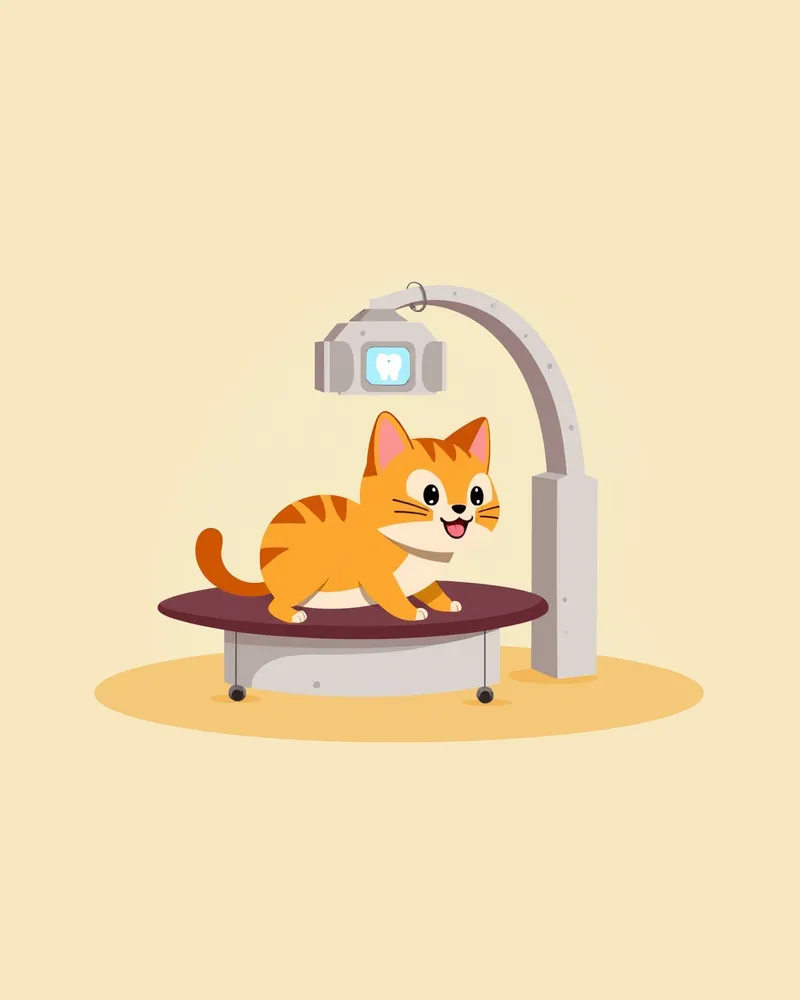
Treatment Involves the Veterinarian Manually Returning the Joint to Its Proper Position

Home Care Focuses on Stabilizing the Jaw and Providing Soft Foods

Avoid Straining the Jaw to Prevent Recurrence
Temporomandibular joint dislocation can recur. Avoid activities that involve opening the mouth too wide or subjecting the jaw to strong trauma. Pay close attention to the condition of the jaw, especially before and after dental examinations or surgeries. If recurrences persist, surgical treatment may be considered.
Reviewed by a veterinarian

Dr. Tony — Punnawat Phongkittirak
VeterinarianA veterinarian who majored in veterinary medicine at Khon Kaen University, Thailand, and completed the IVSA program at North Carolina State University in the United States. Drawing on clinical experience at animal hospitals, he works in the pet healthcare field and is dedicated to building a digital care environment that connects pet parents with veterinarians.
Reviewed 2026-06-07
Frequently Asked Questions
Is temporomandibular joint dislocation common in cats?
How long does it take to recover after treatment?
Can it recur?
Can I manipulate my pet’s jaw at home?
Does a temporomandibular joint dislocation require surgery?
Share
Related Guides
7 Best Cat Dental Chews for Tartar Prevention Recommended by Veterinarians and Selection Criteria
Top 5 Recommended Dental Treats for Dogs in 2026 — VOHC Certification Criteria

7 Criteria for Choosing Dog Tartar Prevention Dental Chews Recommended by Veterinarians

Should You Restrict Protein for Dogs with Liver Disease? — Principles and Precautions of a Restricted Diet
If Your Dog Suddenly Becomes Lethargic and Stumbles — Warning Signs of Hepatic Encephalopathy and Emergency Response
Complete Guide to Bile Acid Testing in Dogs — From Fasting and Postprandial Measurement to Result Interpretation
If Liver Values Remain Elevated with Unknown Cause — Signs and Treatment of Canine Autoimmune Hepatitis
If Your Cat’s Abdomen Is Distended — Causes of Portal Hypertension and When to Seek Treatment
If Your Cat Seems Dazed and Stumbles — Causes of Hepatic Encephalopathy and Emergency Response Points
Feline Liver Abscess: Symptoms, Causes, Diagnosis, Treatment, and Care Essentials
References
[1] DeBowes LJ. The Cat, Clinical Medicine and Management, 2nd Edition. 2023.
[2] Bellows J. Feline Dentistry – Oral Assessment, Treatment, and Preventative Care. 1st ed. Wiley-Blackwell, 2010.
[3] Perry R, Moore D, Scurrell E. Globe penetration in a cat following maxillary nerve block for dental surgery. J Feline Med Surg. 2015;17:66–72.