Like
Share
멍실장
고양이 발치 후 관리 증상과 원인, 진단·치료와 관리 포인트 총정리

Cat Not Eating After Tooth Extraction — Distinguishing Normal Recovery from Warning Signs, Managing Pain and Bleeding

Oral HealthDiseasesMeongsiljang Veterinary Advisory Board

After a cat’s tooth extraction, careful postoperative care is essential to prevent complications such as pain, bleeding, and infection. Proper management can speed up recovery and help prevent recurrence.

Post-Tooth Extraction Care for Cats Is a Recovery Process Shared with the Owner

During recovery after a cat's tooth extraction, wearing a recovery collar
After a cat’s tooth extraction, systematic care is essential to prevent postoperative pain, bleeding, and infection. During the recovery period, your careful observation and appropriate responses are crucial.
Persistent bleeding: Bleeding that continues for more than 24 hours after surgery is a warning sign.
Refusal to eat or drink: Pain may cause your cat to refuse food or water.
Worsening bad breath: A foul odor or discharge mixed with blood can indicate infection.
Signs of distress: Stress responses such as excessive licking, crying out, or hiding may occur.
Recovery varies significantly from cat to cat, so your attentive monitoring is key.

The Causes of Pain and Bleeding After Tooth Extraction Are Stimulation of the Surgical Site and Blood Vessel Damage

Pain after a cat’s tooth extraction occurs because the gum tissue and bone are damaged during the procedure, which involves incising the gum mucosa and shaping the alveolar bone. Tissue and nerve damage from surgery, along with inflammation, can cause pain, so proper pain management as prescribed by your veterinarian is essential.
Irritation at the surgical site: The gums become sensitive, which can intensify pain when eating or drinking.
Blood vessel damage: Small blood vessels may be damaged during the extraction, leading to bleeding that typically subsides gradually over time. If bleeding persists and does not stop, consult your veterinarian.
Inflammatory response: Post-surgical inflammation can cause swelling, and if infection develops, fever may occur.
Risk of infection: Bacteria in the mouth can invade the surgical site, potentially causing an infection.
While these reactions are usually temporary, severe or prolonged pain can lead to chronic pain, necessitating a visit to the veterinary clinic.
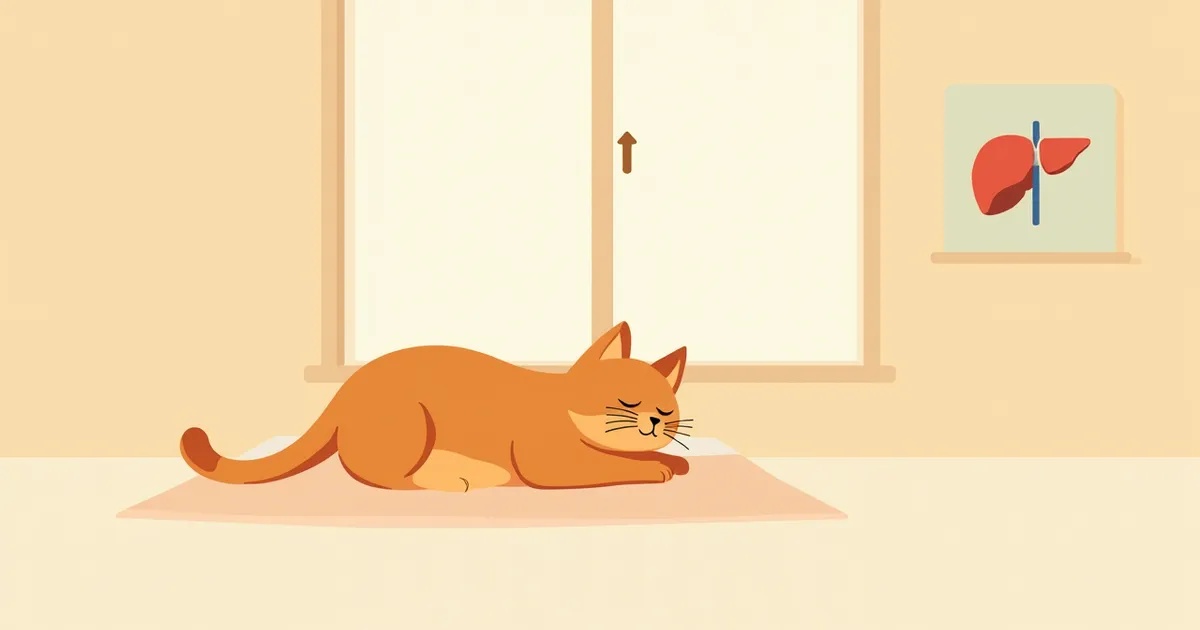
Appearance near the surgical site after a cat's tooth extraction

Check for Key Symptoms and Signs After Tooth Extraction

After your cat’s tooth extraction, it’s important to closely monitor any changes in their daily behavior. Early detection of abnormal signs is key to prompt treatment.
Persistent bleeding: Bleeding continues without stopping after surgery.
Refusal to eat or drink: Your cat hasn’t eaten or drunk water for more than 24 hours.
Worsening bad breath: A strong odor develops, or you notice discharge mixed with blood.
Signs of distress: Excessive licking, vocalizing, hiding, or lack of movement.
Fever or systemic symptoms: Elevated body temperature, lethargy, or signs of shock.
These symptoms may indicate infection or complications, so please contact your veterinarian immediately.
A cat showing signs of anxiety after dental extraction

Situations Requiring Immediate Veterinary Visit

If bleeding persists for more than 24 hours after tooth extraction, or if your pet refuses to eat, develops a fever, or shows signs of excessive pain, please visit the clinic immediately. These could be signs of infection or complications.

Veterinary Evaluation Is Necessary for Accurate Diagnosis

Post-extraction care for cats should be based on accurate assessments before and after surgery. Veterinarians evaluate the cat’s condition through clinical symptoms and imaging tests.
Clinical Examination: The mouth is directly inspected to check for pain responses and bleeding.
Imaging: X-rays or CT scans are used to identify any remaining teeth or bone damage.
Blood Tests: These assess overall health and check for signs of infection.
Pain Assessment: Pain levels are determined by observing behavioral changes and reactions.
These diagnostic steps help create a personalized care plan.
A veterinarian examining a cat's mouth

Follow the Management Methods for Each Treatment Stage

Post-tooth extraction care for cats follows a step-by-step process, with specific management required at each stage. Immediately after surgery: Once your cat wakes up from anesthesia, offer water and allow them to rest in a quiet environment. Days 1–3: Administer pain relief medication and provide soft food. Days 4–7: As bleeding stops and pain decreases, gradually transition back to solid food. After day 10: Consult with your veterinarian to confirm that the surgical site has healed properly. Your appropriate response at each stage determines the speed of your cat’s recovery.
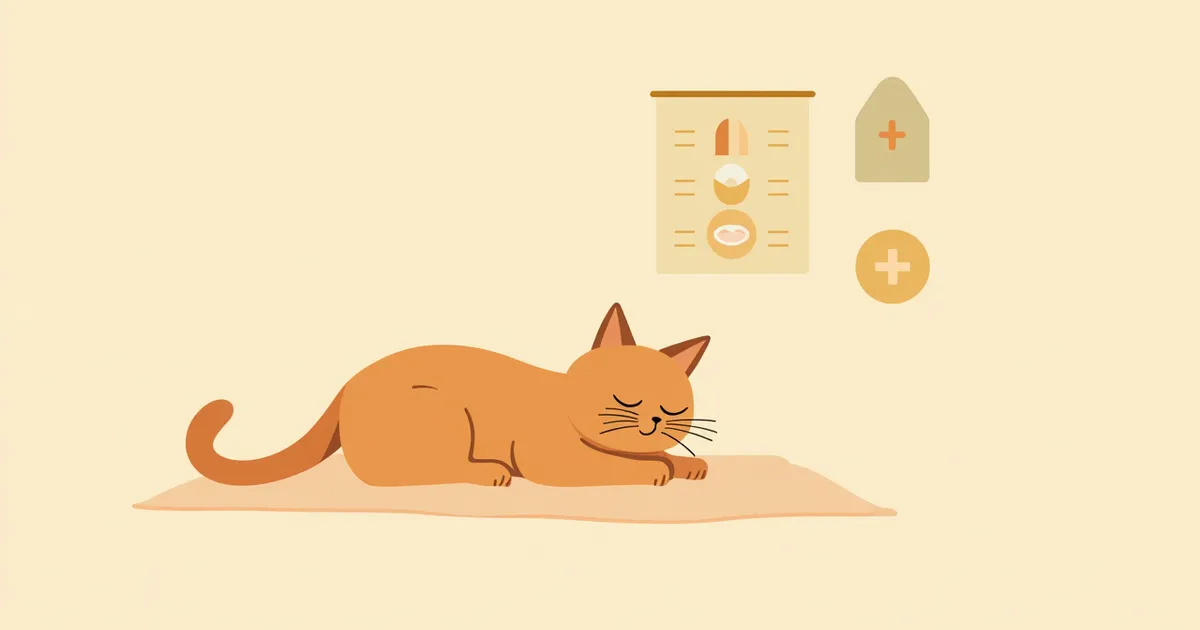
A cat eating soft food after having its teeth extracted.

Meticulously Follow the Home Care Points

Proper care at home after surgery is key to a smooth recovery, requiring your careful observation and appropriate responses.
Dietary Management: Offer soft food for 3 to 5 days, then gradually transition back to solid food.
Wearing an Elizabethan Collar: Always keep the collar on to prevent licking or scratching.
Environmental Adjustments: Ensure your pet rests in a quiet, warm space.
Medication Administration: Administer medications exactly as prescribed by your veterinarian, adhering strictly to the specified times and dosages.
Observation Checklist: Record daily any bleeding, signs of pain, and food intake.
Following these care guidelines significantly helps prevent recurrence and complications.
While wearing a recovery collar, let your cat rest in a calm, comfortable environment.

Breed-Specific Precautions and Prevention of Recurrence in Cats

Tooth resorption lesions are very common in cats, affecting 25% to 75% of the feline population depending on the study group and diagnostic methods used. Since oral and dental issues are not confined to specific breeds, all cats require regular oral examinations after tooth extractions to monitor for recurrence and additional lesions.

Reviewed by a veterinarian

Dr. Tony — Punnawat Phongkittirak

Dr. Tony — Punnawat Phongkittirak

Veterinarian

A veterinarian who majored in veterinary medicine at Khon Kaen University, Thailand, and completed the IVSA program at North Carolina State University in the United States. Drawing on clinical experience at animal hospitals, he works in the pet healthcare field and is dedicated to building a digital care environment that connects pet parents with veterinarians.

Frequently Asked Questions

The bleeding hasn’t stopped even after 24 hours since the tooth extraction?
If bleeding persists for more than 24 hours, there may be a risk of infection or blood vessel damage. Please consult your veterinarian immediately.
Is it really necessary to use a recovery collar?
The recovery collar is essential to protect the surgical site by preventing licking or scratching. Please make sure your pet wears it at all times.
My cat isn’t eating. What should I do?
If your pet hasn’t eaten for more than 24 hours, there’s a risk of dehydration or hypoglycemia. Consult your veterinarian about trying a liquid nutritional supplement.
Shouldn't I give pain medication?
Only administer medications prescribed by your veterinarian. Human pain relievers can be fatal to cats.
Do I need to bring my pet back to the clinic one week after the tooth extraction?
Be sure to visit the clinic on the date specified by your veterinarian. It is important to check the healing status of the surgical site.

Share

Related Guides

References

[1] The Cat, Clinical Medicine and Management, 2nd Edition, 2023

[2] Techniques in Small Animal Wound Management, 2021

[3] Veterinary Surgical Oncology, 2nd Ed, 2020

This information is based on veterinary literature and does not replace diagnosis or treatment. Please consult a veterinarian for specific health concerns.

Metapet Co., Ltd. | CEO: Park Sung-yong | Business Reg. No. 417-88-02562 | Seoul, South Korea | Customer Center

Cat Not Eating After Tooth Extraction: Normal or Warning Sign? | Meongsiljang