Like
Share
멍실장
고양이 흡인성 폐렴 증상과 원인, 진단·치료와 관리 포인트 총정리

Cat Aspiration Pneumonia: Symptoms, Causes, Diagnosis, Treatment, and Management Tips

RespiratoryDiseasesMeongsiljang Veterinary Advisory Board

Aspiration pneumonia in cats is a condition in which food, saliva, or stomach contents enter the airway and cause inflammation in the lungs. Early detection and appropriate treatment improve survival rates.

What is Feline Aspiration Pneumonia?
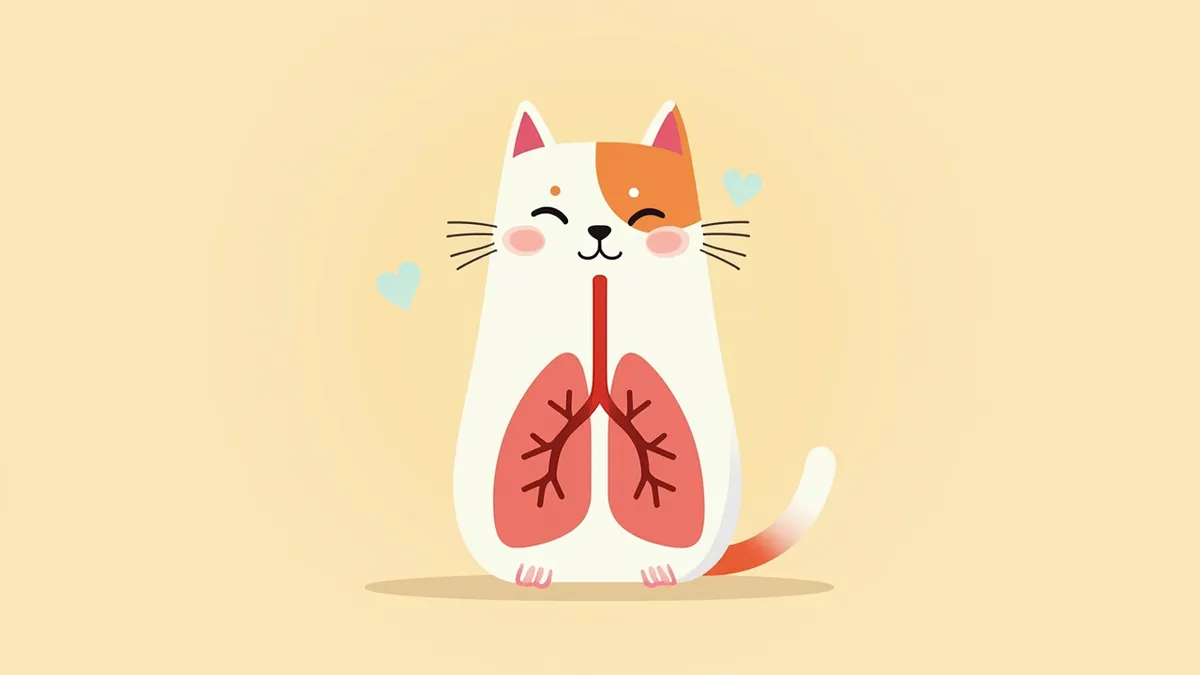
An anatomical image highlighting the inflamed areas of a cat's lungs
Feline aspiration pneumonia is a condition in which food, saliva, or stomach contents are inhaled into the airways, leading to bacterial infection and inflammation in the lungs. Unlike in humans or dogs, the occurrence and clinical presentation of this condition in cats are poorly documented and considered rare. However, once it develops, it can cause severe complications, with respiratory distress and coughing being the primary symptoms. The risk is particularly high in cats that have undergone anesthesia or have neurological disorders. - Causes of aspiration: Aspiration can occur when the cough and gag reflexes are weakened due to anesthesia or decreased consciousness, when there is esophageal motility disorder or reflux, or when swallowing is difficult due to neurological or muscular diseases. - Risk factors: The risk of aspiration increases with general anesthesia or sedation, endotracheal intubation, weakness or paralysis, and esophageal diseases such as megaesophagus. Early detection and appropriate treatment are key to recovery.

What are the Main Causes of Aspiration Pneumonia?

The main cause of aspiration pneumonia is when food, saliva, or stomach contents accidentally enter the airway. - Esophageal motility disorders and reflux: If esophageal function is impaired, as in megaesophagus, food may not pass down properly and can reflux, leading to aspiration. - Neurological and muscular issues: Conditions such as neuropathy or muscle diseases can weaken the swallowing reflex, increasing the risk of aspiration. - Decreased consciousness and anesthesia: During general anesthesia, when consciousness is clouded, or during endotracheal intubation, protective cough and gag reflexes are diminished. - Weakness and paralysis: Weakness, partial paralysis, or full paralysis can make it difficult to maintain normal airway defenses and cough effectively. Identifying these risk factors early is important for prevention.
A cat eating its food quickly

Check for Key Symptoms and Signs

The main symptoms of aspiration pneumonia in cats include coughing, rapid or labored breathing (dyspnea), lethargy, decreased appetite, and fever. - Coughing and Discharge: Coughing may be accompanied by purulent (mucopurulent) nasal discharge or phlegm, and the cough can become persistent as the condition worsens. - Respiratory Status: An increased respiratory rate and effort, along with cyanosis (a bluish tint to the gums or mouth), indicate insufficient oxygen supply. - Reduced Activity: The cat may appear lethargic and listless, with decreased movement and increased rest periods. - Auscultation Findings: Abnormal crackles (rales) may be heard in the lungs. Early detection is crucial for improving treatment success rates.
A cat coughing and appearing to be in distress

Signs Requiring Immediate Veterinary Care

If your cat develops rapid breathing, bluish discoloration of the lips or oral mucosa, severe coughing, or excessive mucus production, seek veterinary care immediately. These signs indicate severe lung inflammation or inadequate oxygen supply, and delays can significantly increase the risk to your cat’s health. In senior cats or those with underlying medical conditions, symptoms can worsen rapidly.

Diagnostic Tests for Accurate Diagnosis
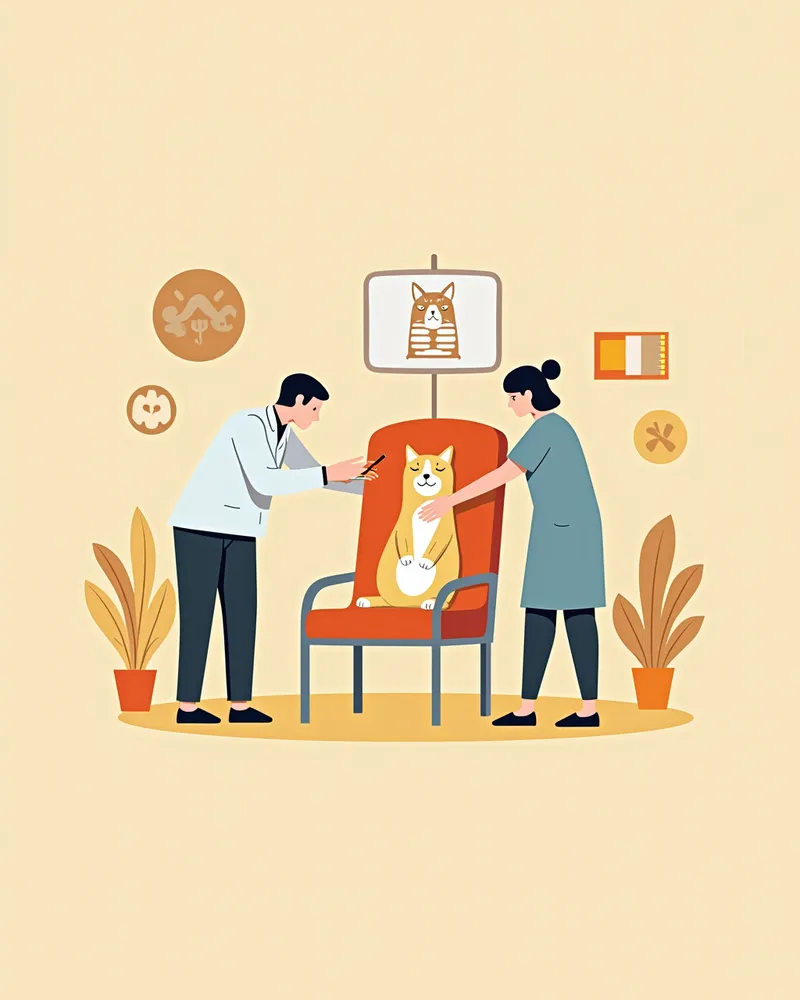
Aspiration pneumonia is diagnosed by taking chest X-rays to check for signs of inflammation in the lungs. - Imaging tests: Chest X-rays are essential for identifying the location and extent of lung inflammation. - Blood tests: White blood cell counts and inflammatory markers help determine whether an infection is present. - Bronchoalveolar lavage: Fluid is collected from the airways to accurately identify the causative pathogen. - Esophagography: This evaluates esophageal motility to trace the underlying cause of aspiration. - Neurological assessment: Swallowing reflexes and nerve function are checked to rule out underlying conditions. An accurate diagnosis is the foundation for developing an effective treatment plan.
A cat undergoing a chest X-ray at the veterinary clinic

Treatment Methods and Step-by-Step Management
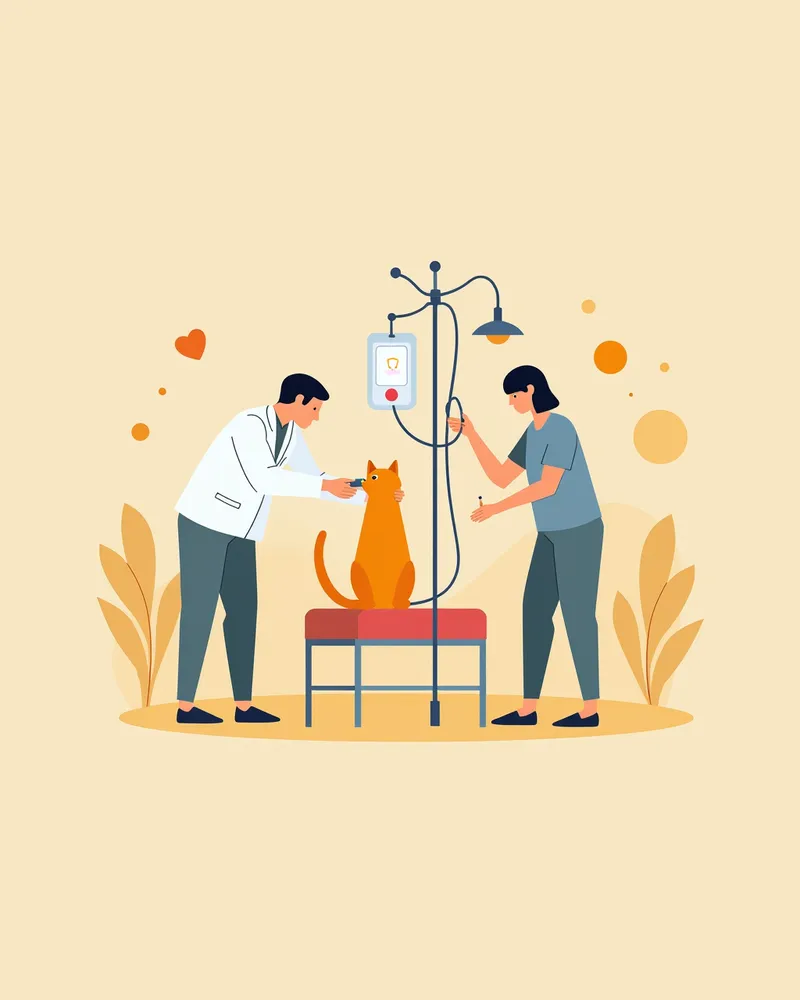
Treatment involves oxygen therapy, intravenous fluid administration, and airway clearance. Since bacterial infection is often present, empirical antibiotic therapy (e.g., doxycycline) is central to management. In severe cases, endotracheal intubation or mechanical ventilation may be required. Although inflammation contributes to lung injury, glucocorticoids are not recommended, and nonsteroidal anti-inflammatory drugs are generally avoided due to the risk of gastrointestinal side effects. To reduce the risk of aspiration, adjustments to feeding posture and improvements in the feeding environment are also implemented. Your veterinarian will determine the appropriate medications and dosages based on your pet’s weight and clinical condition. The duration of treatment and rate of recovery vary depending on the individual and severity of the disease, so consistent care is essential until full recovery is achieved.
A veterinarian administering an intravenous injection to a cat

Home Care and Prevention Tips

To help prevent recurrent aspiration pneumonia in cats, it’s beneficial to keep them in an upright position for about 10 to 15 minutes after meals. - Feeding method: Instead of giving large meals at once, offer smaller portions more frequently and help them eat slowly. - Food selection: If your cat vomits often or has poor esophageal motility, the appropriate food consistency (such as a thick porridge-like texture) varies depending on the type of esophageal disease, so consult your veterinarian to adjust accordingly. - Feeding environment: Ensure your cat eats in a quiet, calm setting. - Regular check-ups: Routine health screenings are essential for early detection of underlying conditions. - Managing risk factors: Closely monitor and manage conditions that increase aspiration risk, such as anesthesia effects, reflux, and neuromuscular diseases.
Using a slow-feeder bowl designed to help cats eat at a slower pace

Precautions for Senior Cats and Those with Underlying Conditions

Senior cats, as well as those with neuropathy, esophageal motility disorders, or undergoing anesthesia or sedation, are at a higher risk of aspiration pneumonia. In these cases, improving feeding habits and conducting regular health check-ups are essential. It is advisable to work with your veterinarian to assess the risk of aspiration and, if necessary, adjust the cat's feeding posture or method. Early intervention is key to preventing recurrence.

Reviewed by a veterinarian

Dr. Tony — Punnawat Phongkittirak

Dr. Tony — Punnawat Phongkittirak

Veterinarian

A veterinarian who majored in veterinary medicine at Khon Kaen University, Thailand, and completed the IVSA program at North Carolina State University in the United States. Drawing on clinical experience at animal hospitals, he works in the pet healthcare field and is dedicated to building a digital care environment that connects pet parents with veterinarians.

Frequently Asked Questions

Is aspiration pneumonia a common condition in cats?
No. Aspiration pneumonia in cats is a rare condition, and there is still insufficient documentation regarding its occurrence and clinical presentation. However, the risk is higher in senior cats or those with underlying health conditions, making early detection and management crucial.
Can aspiration pneumonia be prevented simply by changing eating habits?
While improving eating habits can help, additional treatment and management are necessary if there is an underlying condition. The risk of aspiration varies significantly depending on the presence of an underlying disease, so a comprehensive evaluation is essential.
Is aspiration pneumonia treatable?
Yes, in many cases, stabilization is possible through oxygen therapy, airway management, fluid therapy, and antibiotics. However, treatment can be challenging if there are underlying conditions or if the disease has progressed, so early intervention is crucial.
Does a coughing cat always have aspiration pneumonia?
No. Coughing can be caused by a variety of factors, including bronchitis, asthma, parasites, or foreign objects in the body. It's important to consult with a veterinarian for an accurate diagnosis.
Can aspiration pneumonia recur?
Yes, if the underlying cause isn’t addressed, the condition can recur. It’s important to manage risk factors by improving your pet’s eating posture and habits, as well as scheduling regular check-ups.

Share

Related Guides

References

[1] Littman MP, et al. (2018). Canine and Feline Respiratory Medicine, 3rd Edition. Elsevier.

[2] Hillier A, et al. (2020). Aspiration pneumonia in cats: A retrospective study of 120 cases. Journal of Feline Medicine and Surgery, 22(5), 456–463.

[3] Plumb's Veterinary Drug Handbook, 9th Edition. (2022). Wiley-Blackwell.

This information is based on veterinary literature and does not replace diagnosis or treatment. Please consult a veterinarian for specific health concerns.

Metapet Co., Ltd. | CEO: Park Sung-yong | Business Reg. No. 417-88-02562 | Seoul, South Korea | Customer Center

Feline Aspiration Pneumonia: Symptoms, Causes, Treatment & Care | Meongsiljang