Like
Share
멍실장
강아지 심장 처방 식이 증상과 원인, 진단·치료와 관리 포인트 총정리

What Should I Feed My Dog with Heart Disease? — Key Points of Prescription Heart Diets and Management

HeartDiseasesMeongsiljang Veterinary Advisory Board

Prescription heart diets for dogs are specially formulated to support compromised cardiac function. Proper nutritional management is key to slowing the progression of the disease.

What Are Prescription Cardiac Diets for Dogs?

The packaging of the heart-prescription diet and the puppy’s gaze
Prescription cardiac diets for dogs are specially formulated foods prescribed by veterinarians to support compromised heart function. These diets carefully manage sodium levels, maintain potassium balance, and include omega-3 fatty acids (such as fish oil) to help reduce fluid congestion and improve quality of life. - Cardiac Support: Nutrients are balanced to help reduce fluid accumulation in congestive heart failure. - Sodium Management: Excessive sodium can worsen fluid retention and congestion. However, since dogs are not highly sensitive to sodium, mild sodium restriction is recommended in asymptomatic stages rather than strict limitation. - Energy and Weight Management: As heart disease progresses, muscle loss known as cardiac cachexia may occur, making it essential to maintain an appropriate body condition score (BCS) and provide adequate nutrition. - Nutritional Balance: Essential nutrients, including protein, vitamins, and minerals, are properly included. Regular feeding under veterinary guidance is crucial.

Main Causes and Pathogenesis of Heart Disease
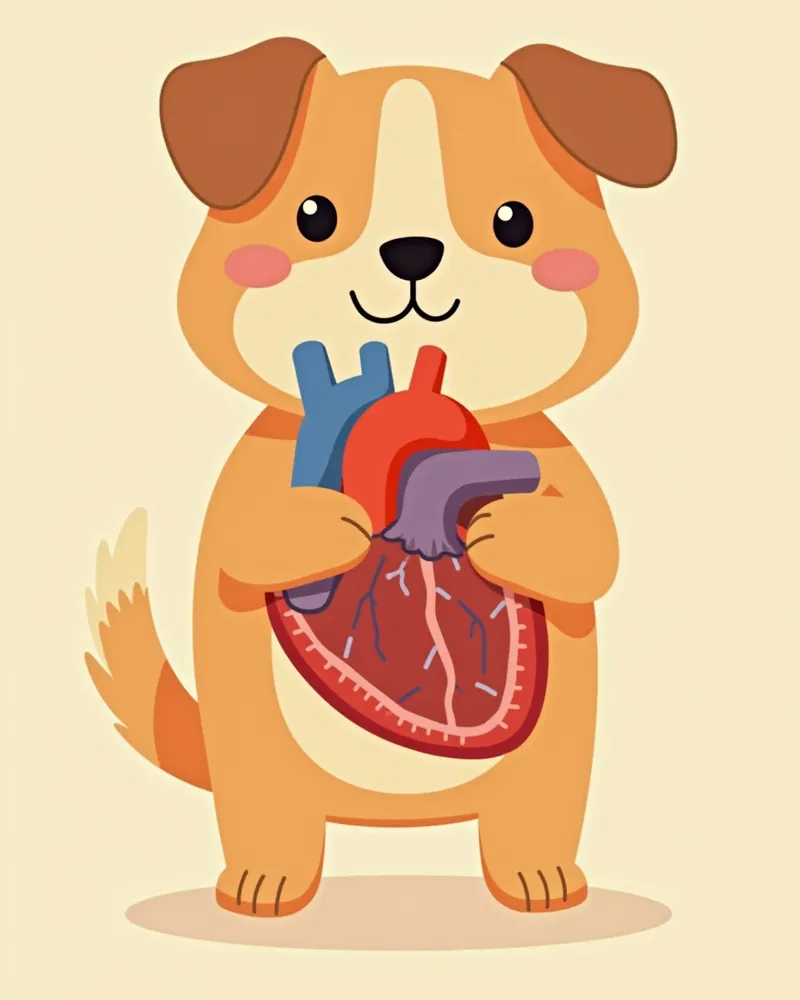
Canine heart disease arises from a combination of factors, including genetic predisposition, aging, and breed-specific vulnerabilities. A prominent example is dilated cardiomyopathy (DCM), a slowly progressive, heritable condition characterized by weakened heart muscle contraction and enlargement of the heart chambers. As the heart’s pumping strength declines, cardiac output drops. In response, neurohormonal compensatory mechanisms activate, which can ultimately lead to the heart becoming progressively overloaded. - Genetic factors: Large and giant breeds such as Doberman Pinschers, Great Danes, and Irish Wolfhounds, as well as certain spaniels like Cocker Spaniels and English Spaniels, are more susceptible to DCM. - Circulatory impairment: Reduced cardiac output leads to insufficient oxygen delivery to tissues, resulting in exercise intolerance and easy fatigue. - Myocardial changes and fibrosis: In dilated cardiomyopathy, structural changes such as myocardial degeneration, necrosis, and localized endocardial fibrosis are observed. - Neurohormonal compensatory mechanisms: To compensate for decreased cardiac output, intravascular volume and ventricular dilation increase. However, this process can paradoxically加重 the heart’s burden. Early detection and appropriate dietary management are key to slowing disease progression.
An anatomical illustration of heart valve abnormalities and ventricular dilation

Main Symptoms and Signs

Symptoms of heart disease in dogs may be subtle in the early stages but gradually worsen over time. Close observation by pet owners is essential. If symptoms appear, prompt diagnosis and treatment are critical.
Coughing: Often occurs frequently, especially at night or after physical activity.
Shortness of breath: Dogs may breathe heavily even while resting.
Decreased activity level: They may show reluctance to play or run as they used to.
Abdominal distension: Fluid accumulation due to impaired heart function can cause a swollen belly.
Fainting: Reduced blood flow to the brain can lead to episodes of collapse.
A dog experiencing fatigue and abdominal swelling due to heart disease

Emergency Signs Requiring Immediate Veterinary Visit

If your dog suddenly starts breathing rapidly, develops blue gums, or faints, seek veterinary care immediately. These symptoms may indicate heart failure or acute pulmonary edema. The longer you wait, the greater the risk to your pet’s life.

Diagnostic Tests for Accurate Diagnosis

Because heart disease is difficult to diagnose based on symptoms alone, we perform a comprehensive battery of tests. - Echocardiogram (Echo): This is the cornerstone test for precisely evaluating heart structure, valve function, and contractility, and it is recommended for dogs suspected of having heart disease. - Thoracic Radiography (X-ray): This imaging test assesses heart size and lung condition, serving as the standard method for identifying signs of congestive heart failure, such as pulmonary edema or pleural effusion. - Electrocardiogram (ECG): This test analyzes heart rhythm and electrical activity to determine the presence of arrhythmias and is essential for diagnosing underlying conditions. - Blood Tests: These evaluate electrolytes (such as sodium, potassium, calcium, and phosphorus) and biochemical markers to assess overall health. In particular, regular monitoring of serum potassium is recommended for patients with congestive heart failure. Your veterinarian will synthesize all these results to provide an accurate diagnosis.
A veterinarian performing an echocardiogram on a puppy.

Treatment Methods and Step-by-Step Management Strategies
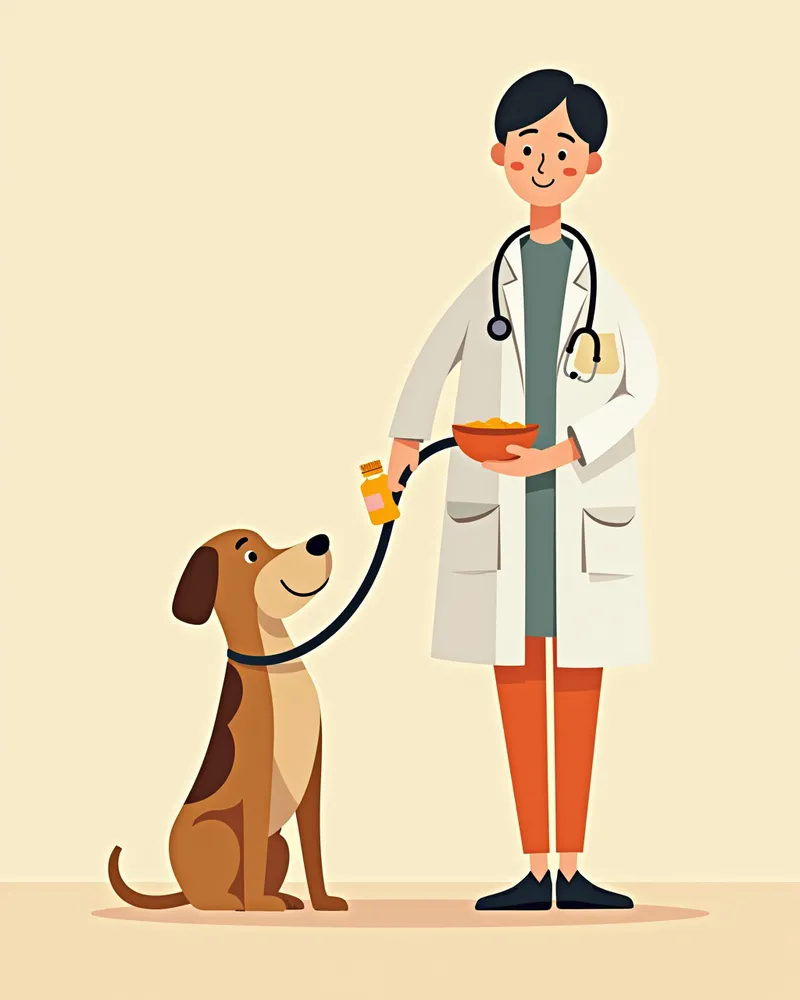
To maximize effectiveness, prescription heart diets and medication should be used together. - Goal of Medication: The focus is on supporting heart function, reducing fluid buildup (congestion) with diuretics, and maintaining stable blood pressure. - Role of Prescription Diet: It acts as a complementary aid by mildly restricting sodium to reduce fluid accumulation and maintaining an ideal body condition score (BCS) to support medication therapy. - Stage-Specific Management: In the asymptomatic stage, the goal is mild sodium restriction and weight maintenance. As congestive heart failure progresses, the focus shifts to symptom relief and improving quality of life. - Regular Monitoring: Work with your veterinarian to adjust medication and dietary plans through regular check-ups and additional testing. - Individualized Approach: Treatment strategies vary based on your dog’s age, weight, and heart condition. Consistent collaboration between dedicated pet owners and veterinarians is the key to long-term treatment success.
A scene where a veterinarian explains prescribed diet and medication.

Daily Home Care and Management Points

Home care is essential for managing heart disease in dogs. - Diet Management: Strictly follow the prescription diet recommended by your veterinarian, and offer only vet-approved treats in moderation. Regular treats often contain high levels of sodium, which can strain the heart. - Activity Control: Excessive exercise can increase cardiac workload, so short, gentle walks are best. - Stable Environment: Minimize noise and sudden changes, and maintain a quiet, calm environment. - Appetite Monitoring: Loss of appetite or reduced food intake is common in dogs with heart failure. Monitor eating habits closely and consult your vet if you notice any changes. - Weight and Body Condition: Maintaining an ideal body condition score (BCS) is crucial. As the disease progresses, watch for cardiac cachexia, a condition involving muscle wasting. - Regular Check-ups: Keep a record of symptom changes at home and maintain regular communication with your veterinarian. Small daily habits contribute to long-term health.
A scene of a puppy with heart disease resting in a calm environment.

Breed-Specific Precautions and Tips for Preventing Recurrence

Large and giant breeds such as Doberman Pinschers, Great Danes, and Irish Wolfhounds, as well as certain other breeds like Cocker Spaniels and English Spaniels, are more susceptible to heart conditions such as dilated cardiomyopathy. Because genetic factors play a significant role, regular veterinary check-ups are essential. Additionally, abruptly discontinuing prescribed diets or indiscriminately offering high-sodium treats can compromise management efforts. Consistent care is key to maintaining your pet’s quality of life and prognosis.

Reviewed by a veterinarian

Dr. Tony — Punnawat Phongkittirak

Dr. Tony — Punnawat Phongkittirak

Veterinarian

A veterinarian who majored in veterinary medicine at Khon Kaen University, Thailand, and completed the IVSA program at North Carolina State University in the United States. Drawing on clinical experience at animal hospitals, he works in the pet healthcare field and is dedicated to building a digital care environment that connects pet parents with veterinarians.

Frequently Asked Questions

Can I stop giving my pet heart medication if they’re on a prescription heart diet?
No. Prescription diets are a complementary treatment used alongside medication. Since the medication directly regulates heart function, it is essential that your pet takes it.
My pet vomits after eating the prescription diet. Is this normal?
If vomiting persists, there may be an issue with your pet’s diet. It’s best to consult your veterinarian about changing the food or trying a different product.
Should I absolutely avoid giving treats?
Treats are generally restricted. If you really want to give one, only offer special treats approved by your veterinarian. Regular treats are high in sodium, which can strain the heart.
Can feeding a prescription diet help reduce your pet's weight?
Prescription diets are formulated to provide balanced nutrition, but as heart disease progresses, muscle loss due to cardiac cachexia can lead to a decrease in body weight or muscle mass. If your pet loses weight or has a poor appetite, please consult your veterinarian.
Will feeding a prescription diet completely restore heart function?
While a complete cure may not be possible, we can slow the progression of the disease and significantly improve your pet's quality of life. Long-term management is key.

Share

Related Guides

References

[1] Freeman, L.M. et al. (2003). Dietary sodium intake in dogs with heart disease. Journal of Veterinary Internal Medicine, 17(4), 545–550.

[2] Smith, J.D. et al. (2007). Effect of fish oil and flaxseed oil on ventricular arrhythmias in dogs. American Journal of Veterinary Research, 68(11), 1201–1207.

[3] American College of Veterinary Internal Medicine (ACVIM). (2019). Consensus statement on the diagnosis and management of canine congestive heart failure. Journal of Veterinary Internal Medicine, 33(5), 1791–1805.

This information is based on veterinary literature and does not replace diagnosis or treatment. Please consult a veterinarian for specific health concerns.

Metapet Co., Ltd. | CEO: Park Sung-yong | Business Reg. No. 417-88-02562 | Seoul, South Korea | Customer Center

What to Feed a Dog with Heart Disease: Prescription Diet Guide | Meongsiljang