Like
Share
멍실장
강아지 부신기능저하증(애디슨병) 증상과 원인, 진단·치료와 관리 포인트 총정리

If Your Dog Keeps Vomiting and Is Lethargic — Symptoms and Treatment of Addison’s Disease (Hypoadrenocorticism)

EndocrineDiseasesMeongsiljang Veterinary Advisory Board

Canine hypoadrenocorticism (Addison’s disease) is an endocrine disorder caused by insufficient production of cortisol and aldosterone by the adrenal glands. Because it can progress to an acute crisis, early diagnosis is crucial.

What Is Canine Hypoadrenocorticism (Addison’s Disease)?
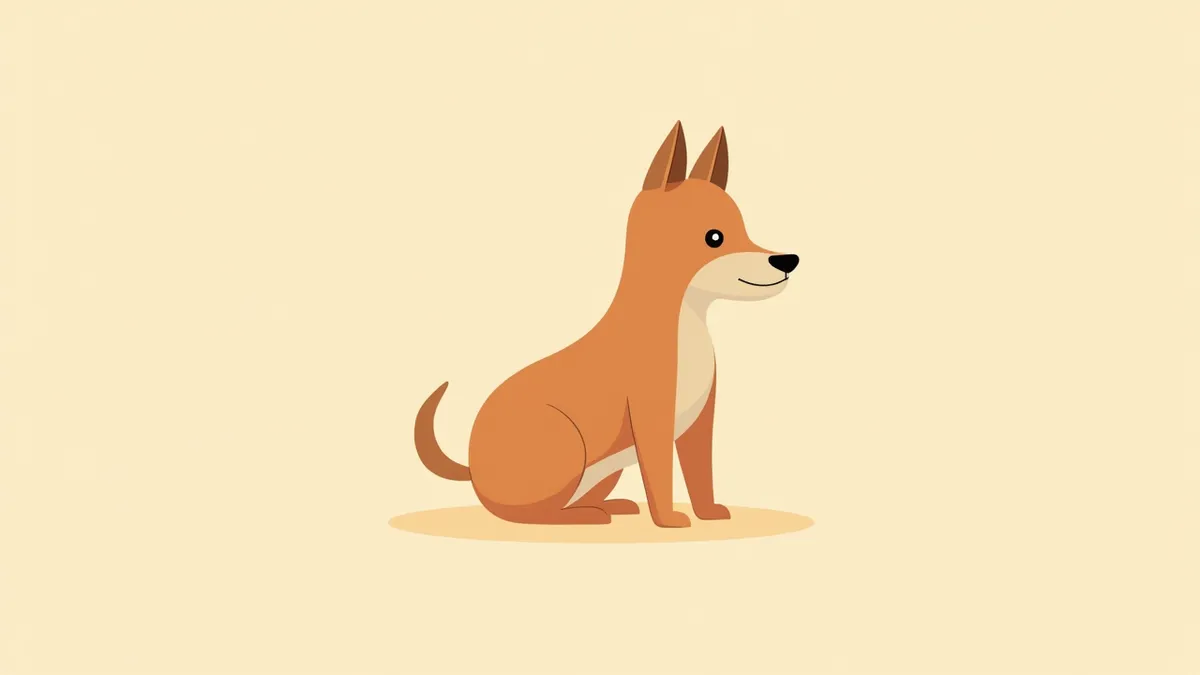
Location of the adrenal glands in dogs and their hormone secretion structure
Canine hypoadrenocorticism, commonly known as Addison’s disease, is an endocrine disorder characterized by a deficiency of cortisol (a glucocorticoid) and aldosterone (a mineralocorticoid) produced by the adrenal glands. These hormones are essential for managing stress and maintaining electrolyte balance. When hormone levels drop, symptoms such as lethargy, decreased appetite, recurrent vomiting and diarrhea, and low blood pressure may occur, potentially progressing to a life-threatening crisis if left untreated. The condition most commonly affects young to middle-aged dogs, with approximately 70% of reported cases occurring in females, making early diagnosis and treatment crucial. Addison’s disease is a chronic condition requiring lifelong hormone replacement therapy. Because an Addisonian crisis constitutes a medical emergency, immediate veterinary attention is required if such a state is suspected.

What Are the Main Causes of Hypoadrenocorticism?
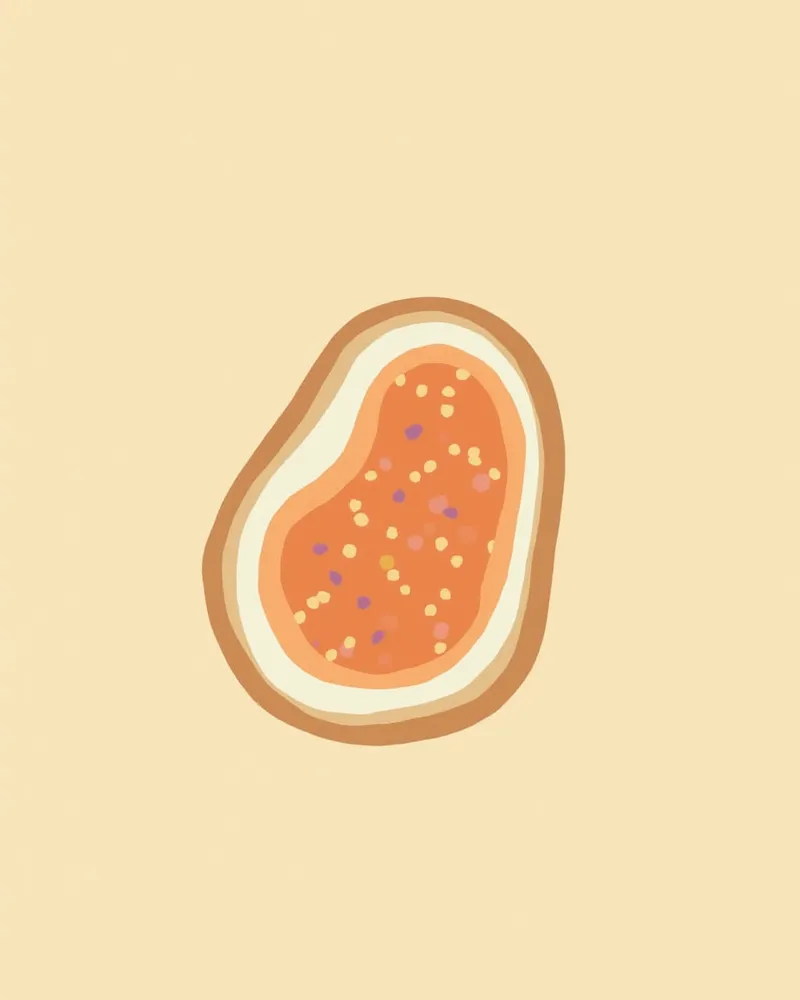
The most common cause of hypoadrenocorticism in dogs is bilateral destruction of the adrenal cortex due to an autoimmune response. Primary hypoadrenocorticism typically arises as an autoimmune disease, and when more than 95% of both adrenal cortices are destroyed, there is a deficiency of all adrenal cortical hormones. Approximately 70% of reported cases occur in female dogs, and the condition is most often diagnosed in young to middle-aged dogs. Certain breeds have a genetic predisposition that may increase their risk of developing the disease. Other causes include secondary hypoadrenocorticism due to decreased ACTH secretion, and iatrogenic (drug-related) causes such as the abrupt discontinuation of steroid medications. Accurately identifying the underlying cause is crucial for determining the appropriate treatment plan, and regular check-ups are recommended for early detection.
Infiltration of inflammatory cells in the adrenal tissue

What Are the Main Symptoms and Signs?
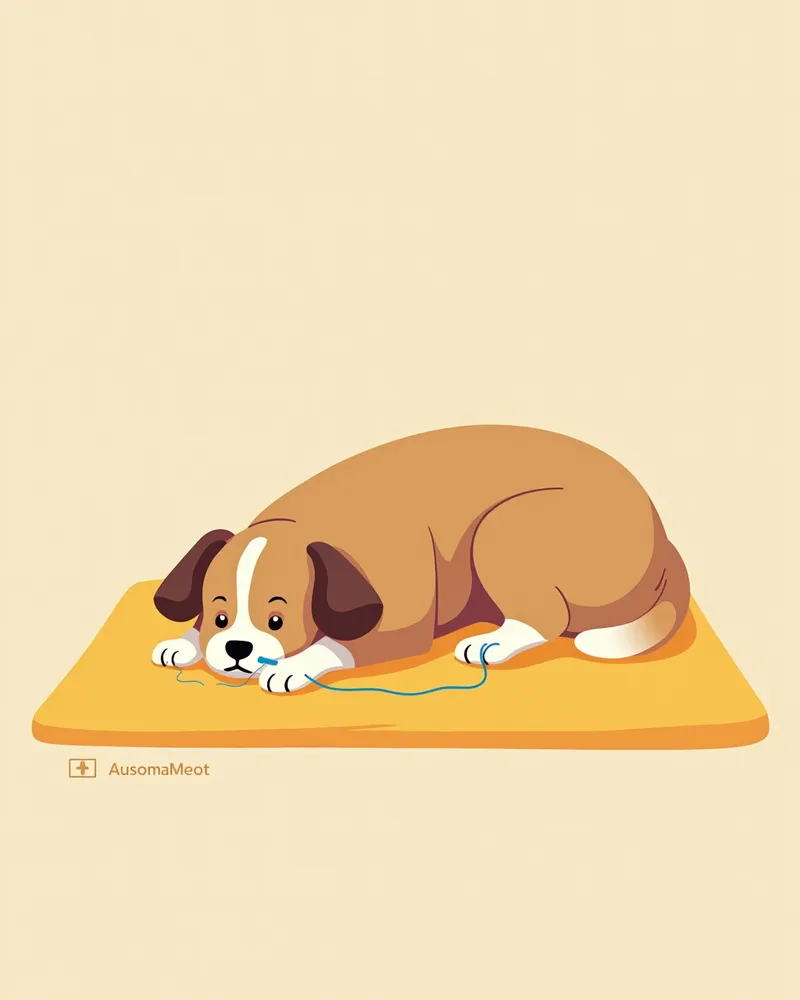
- Recurrent vomiting and diarrhea: Persistent gastrointestinal symptoms accompanied by loss of appetite and weight loss. - Lethargy: Repeated episodes of inactivity and collapse throughout the day. - Hypotension: Low blood pressure that may cause dizziness or fainting. - Dehydration signs: Dry mouth, dry mucous membranes, and reduced skin elasticity. - Abnormal heart rhythm: Hyperkalemia may lead to abnormalities on an electrocardiogram (ECG). - Hypoglycemia: Requires close attention, as it can rapidly progress to shock.
Lethargy and dehydration symptoms caused by adrenal insufficiency

Emergency Situations Requiring Immediate Veterinary Visit

If your dog suddenly collapses, their heart rate slows down, or their breathing becomes irregular, you should take them to the vet immediately. This could be an Addisonian crisis, which can be life-threatening.

Diagnostic Tests for an Accurate Diagnosis

Addison’s disease is diagnosed through blood tests and an ACTH stimulation test. Suspicion arises when blood sodium levels are low and potassium levels are high, while a definitive diagnosis is confirmed if there is no cortisol response in the ACTH test. Additionally, electrolyte imbalances, hypoglycemia, and electrocardiogram abnormalities are assessed. These tests enable accurate diagnosis even in cases presenting with general symptoms rather than an acute crisis. To ensure early detection, be sure to request these specific tests when visiting the clinic. It is also important to familiarize yourself with any pre-test preparation requirements to ensure accurate results.
Blood collection process for adrenal stimulation testing

Treatment Methods and Step-by-Step Management
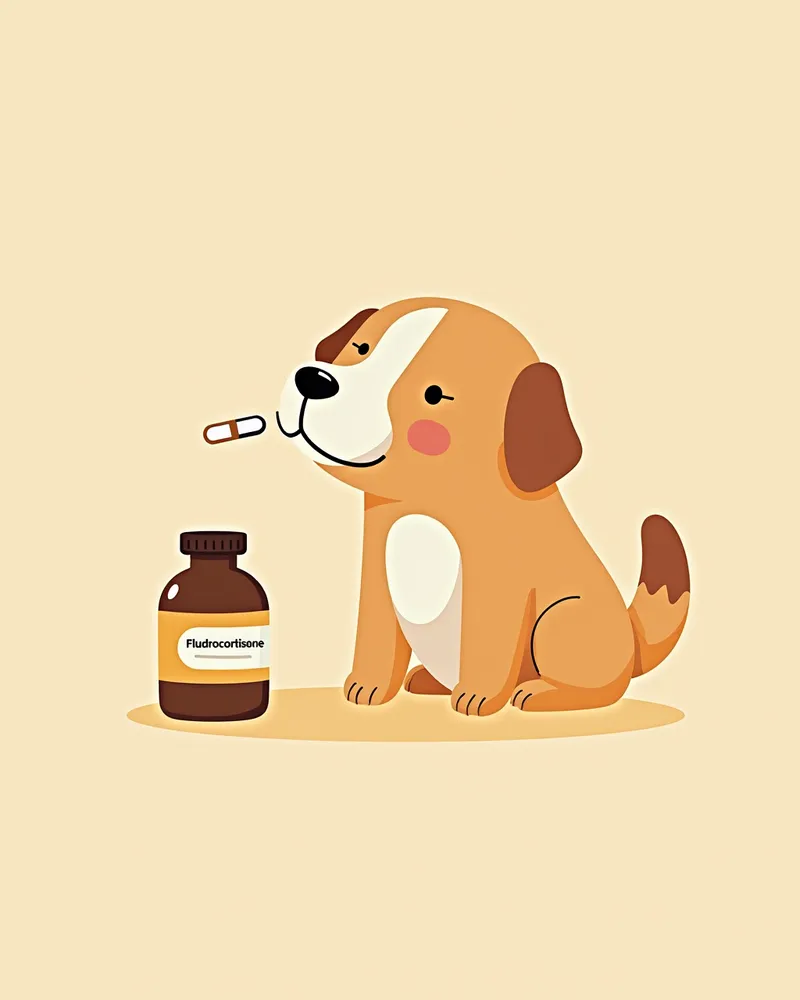
Treatment for hypoadrenocorticism begins with hormone replacement therapy. In acute crisis, immediate supplementation with intravenous fluids and hydrocortisone injections is required. Thereafter, daily oral administration of fludrocortisone or prednisolone tablets is necessary. Regular blood tests are essential to monitor hormone levels and electrolyte balance. Medication doses may need adjustment during stressful situations, and injectable medications should always be kept on hand for emergencies. Missing doses or administering incorrect amounts can lead to a crisis, so careful adherence to the prescribed regimen is crucial.
A puppy taking hormone supplements

Daily Management Points at Home

Addison’s disease requires lifelong management, making consistent medication and regular check-ups essential. Establish a routine of administering the exact dose at the same time every day. If your pet experiences stressors such as travel or changes in environment, consult your veterinarian, as medication adjustments may be necessary. Always keep an emergency kit on hand and visit the clinic immediately if symptoms change. Ensure regular meals and adequate hydration. Monitor hormone levels and electrolyte balance through routine blood tests, with more frequent testing recommended during the initial treatment phase. Educating yourself as a pet owner is crucial for developing the ability to respond promptly to any issues.
Management schedule and emergency preparedness materials for canine hypoadrenocorticism

Certain Breeds Require More Attention

Standard Poodles, Bearded Collies, Portuguese Water Dogs, Nova Scotia Duck Tolling Retrievers, Leonbergers, and West Highland White Terriers are known to have a genetic predisposition to hypoadrenocorticism (Addison’s disease). For dogs of these breeds, early detection through regular check-ups is essential.

Reviewed by a veterinarian

Dr. Tony — Punnawat Phongkittirak

Dr. Tony — Punnawat Phongkittirak

Veterinarian

A veterinarian who majored in veterinary medicine at Khon Kaen University, Thailand, and completed the IVSA program at North Carolina State University in the United States. Drawing on clinical experience at animal hospitals, he works in the pet healthcare field and is dedicated to building a digital care environment that connects pet parents with veterinarians.

Frequently Asked Questions

Is Addison's disease treatable?
Yes, with hormone replacement therapy, most dogs can maintain a normal life. While lifelong management is necessary, the survival rate is high.
Is Addison's disease hereditary?
While certain breeds have a genetic predisposition, the condition is primarily an acquired disease caused by an autoimmune response. Genetic factors can increase the risk.
Can the illness return if I stop the medication?
Yes, stopping the medication can cause a recurrence of hormone deficiency, which may lead to an acute crisis. Never discontinue the medication on your own without consulting your veterinarian.
Can stress make the symptoms worse?
Yes, stress can further worsen adrenal function. Travel, changes in environment, and conflicts with other dogs are all things to be mindful of.
Can cats also get Addison's disease?
No, this condition is much more common in dogs than in cats. In cats, it occurs very rarely.

Share

Related Guides

References

[1] Jamie M. Burkitt Creedon, DVM, DACVECC. Small Animal Critical Care Medicine, 3rd Ed. 2023.

[2] Textbook of Cardiovascular Medicine in Dogs and Cats. 2022.

[3] Clinical Medicine of the Dog and Cat, 4th Ed. 2021.

This information is based on veterinary literature and does not replace diagnosis or treatment. Please consult a veterinarian for specific health concerns.

Metapet Co., Ltd. | CEO: Park Sung-yong | Business Reg. No. 417-88-02562 | Seoul, South Korea | Customer Center

Dog Vomiting & Lethargic? Addison's Disease Signs & Treatment | Meongsiljang