Like
Share
멍실장
강아지 저칼슘혈증 증상과 원인, 진단·치료와 관리 포인트 총정리

If Your Dog Keeps Trembling and Stiffening — Causes and Treatment Points for Hypocalcemia

EndocrineDiseasesMeongsiljang Veterinary Advisory Board

Hypocalcemia in dogs is an endocrine disorder in which low blood calcium levels lead to muscle spasms, restlessness, and heart problems. Early detection and appropriate treatment are essential.

What Is Hypocalcemia in Dogs?

A dog with trembling muscles
Hypocalcemia in dogs is a condition in which blood calcium levels fall below normal, leading to dysfunction of the nervous and muscular systems. Calcium is essential for muscle contraction, nerve transmission, and maintaining heart function; therefore, low levels can cause various neuromuscular symptoms. However, these symptoms typically become clearly apparent only when total blood calcium drops below a certain threshold. - Low blood calcium: Severely reduced calcium levels can trigger neuromuscular symptoms such as muscle cramps, fasciculations, tremors, and seizures. - Neuromuscular abnormalities: Impaired nerve signal transmission may result in behaviors like rubbing the face, biting or licking the paws, and muscle tremors. - Reduced cardiac function: Calcium deficiency can weaken the heart’s contractility and lower the heart rate, potentially causing bradycardia (slow heart rate) and electrocardiogram abnormalities (prolonged QT and ST intervals). Early detection and appropriate treatment are therefore critical.

What Are the Main Causes?

The main causes of hypocalcemia in dogs are abnormalities in calcium-regulating mechanisms or impaired absorption. Postpartum hypocalcemia (eclampsia) is one of the most common causes, typically occurring in lactating females. - Hypoalbuminemia: Low albumin levels can result in a low total calcium measurement. In these cases, ionized calcium levels are often normal and the dog may be asymptomatic, so relying solely on total calcium can lead to misdiagnosis. This is actually the most common cause of low total calcium. - Underlying diseases: Conditions such as chronic kidney disease, acute pancreatitis, hypomagnesemia, and intestinal disorders that cause malabsorption can directly affect calcium metabolism. - Hormonal and vitamin imbalances: Hypoparathyroidism (insufficient parathyroid hormone) and reduced vitamin D activation can also disrupt calcium metabolism. It is important to identify these causes early.
A veterinarian examining a blood sample from a puppy

What Are the Main Symptoms and Signs?

In puppies, hypocalcemia can deteriorate rapidly once calcium levels drop below a certain threshold. Common symptoms include muscle tremors and fibrillary fasciculations, muscle spasms, behaviors such as rubbing the face or biting and licking the paws, decreased appetite, and lethargy. If the condition worsens, it can lead to seizures, decreased consciousness, or even cardiac arrest, requiring immediate veterinary attention.
Muscle tremors: Symptoms involving trembling of the entire body’s muscles or repeated spasms (fibrillary fasciculations).
Face and paw stimulation behaviors: The puppy may exhibit behaviors such as rubbing its face or biting and licking its paws.
Abnormal heart rhythm: Calcium deficiency can lower the heart rate, leading to bradycardia (slow heart rate) and electrocardiogram abnormalities (prolonged QT and ST intervals).
Decreased consciousness: A state characterized by lethargy or slowed responsiveness.
Seizures: Sudden episodes of body trembling or convulsions.
A puppy showing muscle tremors and an anxious expression

When to Seek Immediate Veterinary Care

If your dog experiences seizures, confusion, or an irregular heartbeat, seek veterinary care immediately. A sudden drop in calcium levels can be life-threatening, so prompt medical attention is essential.

How Is It Accurately Diagnosed?

Hypocalcemia in dogs is accurately diagnosed through blood tests. - Total calcium levels: A level below 8 mg/dL is considered abnormal, and ionized calcium below 1.25 mmol/L serves as the diagnostic criterion. - Ionized calcium measurement: Measuring ionized calcium provides a more accurate diagnosis than total calcium alone. - Essential auxiliary tests: Additional tests for albumin, magnesium, phosphorus, pancreatic enzymes, and kidney function are necessary to identify the underlying cause. - Immediate testing required: Blood tests should be performed without delay for dogs that have recently given birth or are showing symptoms. - Post-diagnosis management: Developing a treatment plan based on an accurate diagnosis is key to successful treatment.
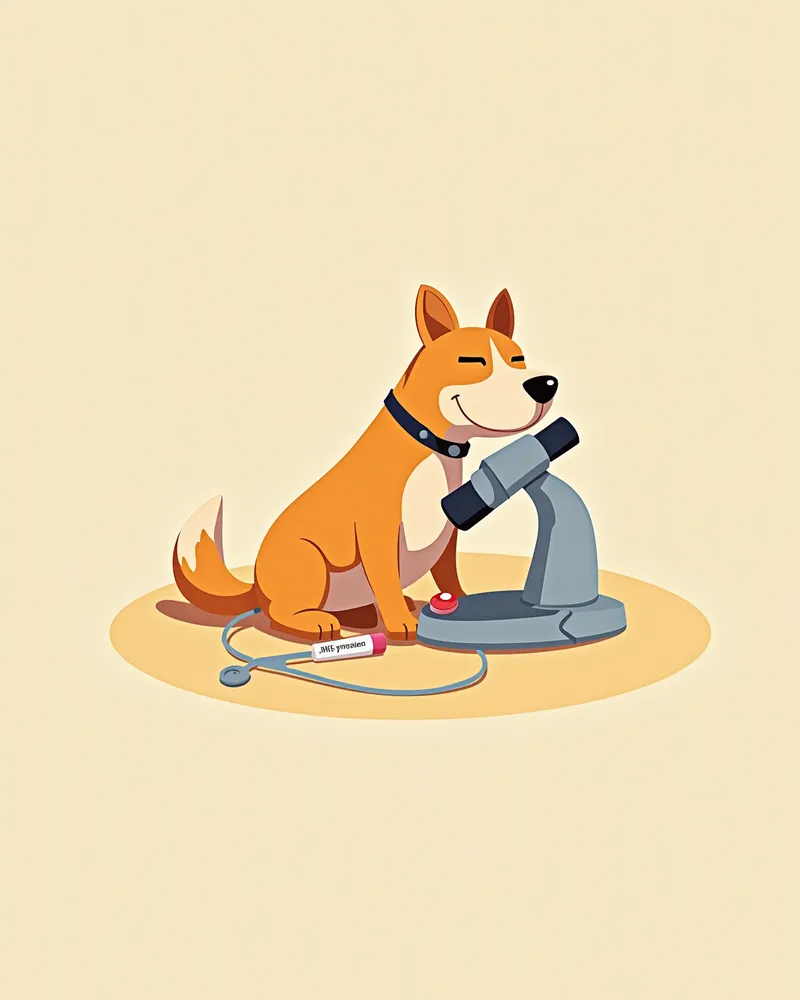
A veterinarian analyzing blood test results.

How Is It Treated?

The most urgent priority in treating hypocalcemia in dogs is immediate calcium supplementation. - Intravenous calcium: In severe cases, calcium is administered directly into the vein to rapidly restore levels. - Cardiac monitoring is essential: Real-time monitoring is required because intravenous administration can cause abnormal heart rhythms. - Oral supplements: Once symptoms stabilize, transition to oral supplements for ongoing management. - Treat the underlying cause: Concurrent treatment must address the root cause, such as pancreatitis, kidney disease, or hormonal imbalances. - Ongoing testing: Repeat blood tests after treatment to confirm that calcium levels remain stable. Discontinuing care after treatment significantly increases the risk of recurrence.
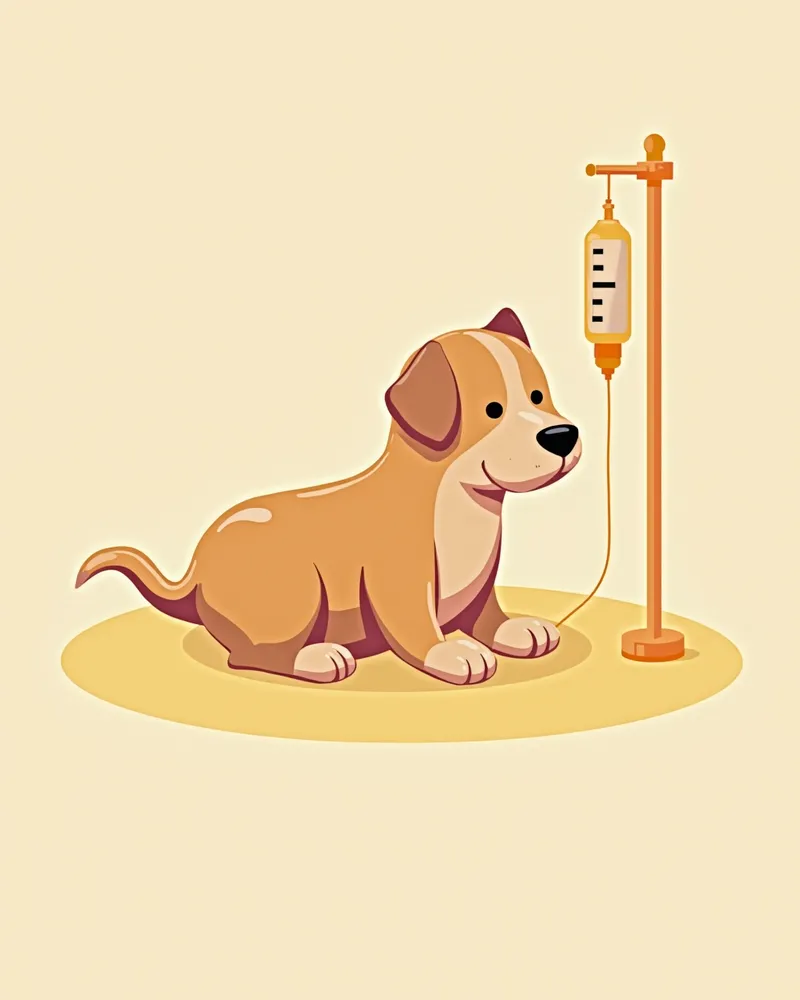
A veterinarian administering an intravenous injection to a puppy.

Home Care Points

Even after treatment, consistent care is essential until calcium levels stabilize. Administer any prescribed diet or supplements exactly as directed by your veterinarian, and be careful not to over-supplement with calcium or vitamin D. For dogs recovering from eclampsia (postpartum hypocalcemia), addressing the underlying cause—such as weaning the puppies—is just as important as calcium supplementation. Maintaining a calm, stable environment to minimize sudden changes and stress is also beneficial, and regular monitoring of calcium levels according to your veterinarian’s recommended schedule is advised.
Regular blood tests: Check whether calcium levels have stabilized through tests performed at intervals recommended by your veterinarian.
Supplement administration: Give supplements at the exact dosage and times specified by your veterinarian.
Minimizing stress: Allow your pet to rest comfortably in a quiet environment.
Addressing the underlying cause: If an underlying issue such as eclampsia is present, treat the root cause alongside supplementation.
A cozy indoor environment for dogs taking supplements

Breed-Specific Precautions and Prevention of Recurrence

Hypocalcemia can become particularly dangerous in certain situations, such as postpartum hypocalcemia (eclampsia) in lactating females. Therefore, it is advisable to consult with a veterinarian and take preventive measures for animals that are about to give birth or are currently nursing. Calcium supplements may be used under veterinary guidance to prevent recurrence, but unsupervised overdosing can cause adverse effects. When supplementing calcium, heart monitoring and regular blood tests are necessary.

Reviewed by a veterinarian

Dr. Tony — Punnawat Phongkittirak

Dr. Tony — Punnawat Phongkittirak

Veterinarian

A veterinarian who majored in veterinary medicine at Khon Kaen University, Thailand, and completed the IVSA program at North Carolina State University in the United States. Drawing on clinical experience at animal hospitals, he works in the pet healthcare field and is dedicated to building a digital care environment that connects pet parents with veterinarians.

Frequently Asked Questions

Can hypocalcemia in dogs be treated?
Yes, most pets can make a full recovery if the condition is detected early and treated appropriately. However, delayed treatment can lead to serious complications such as seizures, so prompt action is essential.
Does hypocalcemia only occur after giving birth?
No, it can occur for a variety of reasons beyond postpartum hypocalcemia (eclampsia) that develops after whelping (during lactation), including acute pancreatitis, kidney disease, hypomagnesemia, hypoparathyroidism, and hypoalbuminemia.
Is it enough to just give supplements?
Supplements are only part of the treatment. They should be used alongside treatment for the underlying condition and taken under veterinary guidance, as excessive use can lead to side effects.
Can it be prevented?
Yes, after giving birth, dogs may benefit from preventive calcium supplementation, but this should only be done after consulting with a veterinarian. Additionally, managing underlying health conditions and minimizing stress can also help prevent complications.
Can hypocalcemia recur?
Yes, if the underlying condition persists or treatment is inadequate, it can recur. Regular check-ups and ongoing management with your veterinarian are essential.

Share

Related Guides

References

[1] Textbook of Cardiovascular Medicine in Dogs and Cats, 2023, Chapter 10: Calcium Disorders

[2] Small Animal Critical Care Medicine, 3rd Edition, 2022, Section 57: Hypocalcemia in Canine Patients

[3] Applied Veterinary Clinical Nutrition, 2nd Edition, 2021, Chapter 8: Electrolyte Imbalances in Dogs

This information is based on veterinary literature and does not replace diagnosis or treatment. Please consult a veterinarian for specific health concerns.

Metapet Co., Ltd. | CEO: Park Sung-yong | Business Reg. No. 417-88-02562 | Seoul, South Korea | Customer Center

Why Is My Dog Shaking and Stiff? Causes and Treatment of Hypocalcemia | Meongsiljang