Like
Share
멍실장
강아지 고혈당증 증상과 원인, 진단·치료와 관리 포인트 총정리

If Your Dog Is Frequently Seeking Water and Urinating More — Checking for Hyperglycemia Causes and Diabetes Risk

EndocrineDiseasesMeongsiljang Veterinary Advisory Board

Canine hyperglycemia is an endocrine disorder in which blood sugar levels remain persistently elevated due to insulin deficiency or resistance. Early detection and proper management are essential.

What Is Canine Hyperglycemia?

A scene of a blood test for measuring a puppy's blood sugar level.
Canine hyperglycemia refers to a condition in which blood glucose levels remain consistently higher than normal. While it most commonly arises from insulin deficiency or insulin resistance, as seen in diabetes mellitus, it can also be triggered by stress or hormonal influences such as glucocorticoids (steroids). Therefore, not all cases of hyperglycemia are diabetes, making accurate identification of the underlying cause essential. Prolonged hyperglycemia leads to glucose loss through urine, resulting in polyuria and dehydration. Over time, it can cause cumulative damage to pancreatic beta cells and insulin-target tissues due to glucotoxicity. Since early symptoms are often subtle and easy to overlook, early detection and consistent management are key to significantly improving your dog’s quality of life. - Hyperglycemia: A state in which disrupted glucose regulation maintains elevated blood sugar levels, requiring ongoing management tailored to the underlying cause. - Relationship with Diabetes Mellitus: Persistent, confirmed hyperglycemia is a hallmark of diabetes mellitus, and early diagnosis is crucial for successful management.

What Are the Main Causes of Hyperglycemia?
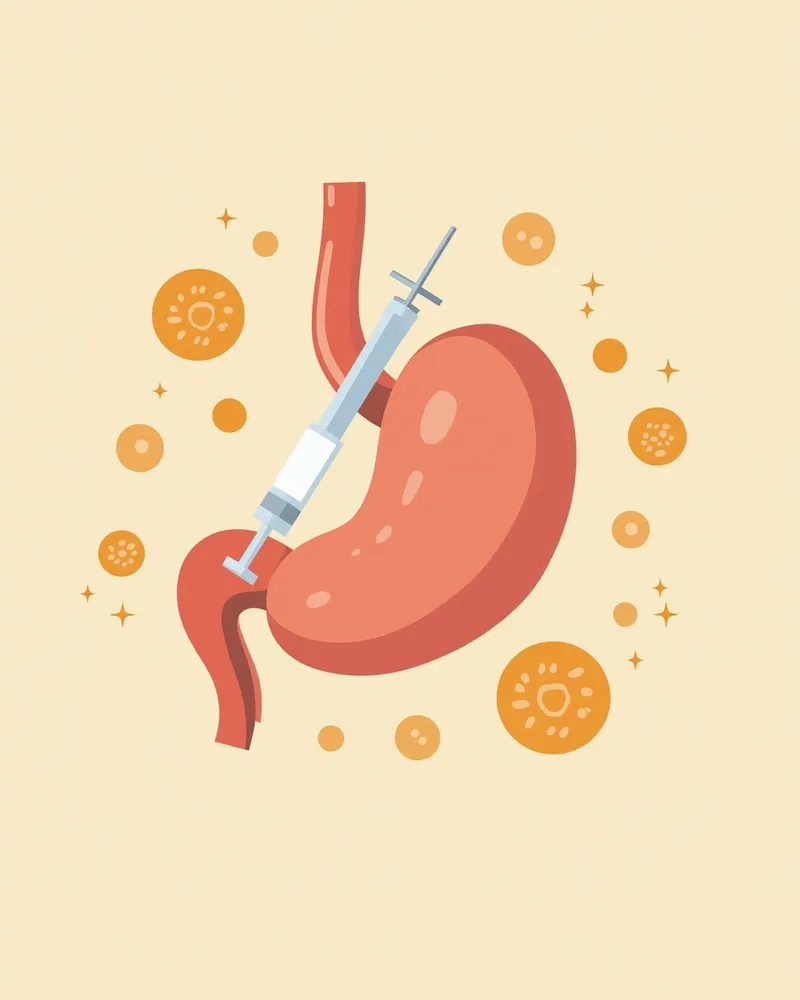
In dogs, persistent hyperglycemia is most commonly caused by diabetes mellitus, which results from a relative or absolute deficiency in insulin secretion or from insulin resistance. However, not all hyperglycemia indicates diabetes. In cases of severe illness or stress, a temporary rise in blood glucose known as "stress hyperglycemia" can occur due to relative insulin deficiency and increased secretion of counter-regulatory hormones. Additionally, drugs and hormones such as glucocorticoids (steroids) can elevate blood sugar by increasing hepatic glucose production. While genetic or constitutional predispositions may play a role in some dogs, individual assessment is essential rather than making definitive judgments based on breed alone. - Insulin deficiency or resistance: When insulin is insufficient or less effective, glucose cannot enter cells adequately, leading to elevated blood sugar levels. - Secondary factors: Stress, severe illness, and increased counter-regulatory hormones can drive up blood glucose. - Drugs and hormones: Medications such as steroids can cause temporary hyperglycemia by increasing the liver’s production of glucose, so caution is advised.
Diagram explaining the mechanism of insulin action

Check for Key Symptoms and Signs

High blood sugar in dogs can manifest through various signs. Keep a close eye on these changes, and if you have any concerns, be sure to consult your veterinarian.
Polydipsia (excessive thirst): When blood sugar levels rise, glucose and water are lost through urine, leading to increased thirst and more frequent drinking.
Polyuria (excessive urination): As glucose is excreted in the urine, osmotic diuresis occurs, increasing both the volume and frequency of urination.
Changes in appetite and weight loss: Your dog may maintain or even increase their food intake while still losing weight.
Lethargy and weakness: You may notice a decrease in energy levels and a more subdued demeanor compared to usual.
Vision-related changes: If you observe any changes in your dog’s eyes or vision, a veterinary examination is necessary.
Signs of dehydration: Persistent excessive urination can lead to dehydration.
Main symptoms of hyperglycemia in dogs: excessive drinking and urination

Symptoms Requiring Immediate Veterinary Visit

If your dog loses consciousness, experiences severe vomiting or extreme lethargy, shows changes in breathing patterns, or exhibits tremors or seizures, seek immediate veterinary care. These symptoms may indicate life-threatening emergencies such as diabetic ketoacidosis (DKA) or hyperglycemic hyperosmolar syndrome. In particular, a hyperosmolar state with blood glucose levels significantly exceeding 600 mg/dL and minimal ketones is extremely dangerous. However, since tremors and seizures can also occur with hypoglycemia, it is essential to check blood glucose levels promptly. Quick action can prevent fatal outcomes.

Diagnostic Tests for Accurate Diagnosis

Canine hyperglycemia is diagnosed through blood and urine tests. Blood is drawn while the dog is fasting to measure blood glucose levels, and urine is tested for the presence of glucose and ketones. If necessary, additional tests such as a glucose tolerance test or insulin level measurement may be performed. The veterinarian will make a diagnosis by comprehensively evaluating the symptoms and test results. Because a single test is often insufficient for a definitive diagnosis, repeated testing is essential. - Blood test: Measures fasting blood glucose levels to confirm whether hyperglycemia is present. - Urine test: Checks for glucose and ketones in the urine to assess for potential complications. - Repeated testing required: Single readings have low reliability, so multiple tests are necessary.
The process of a dog's blood test

Treatment Methods and Step-by-Step Management
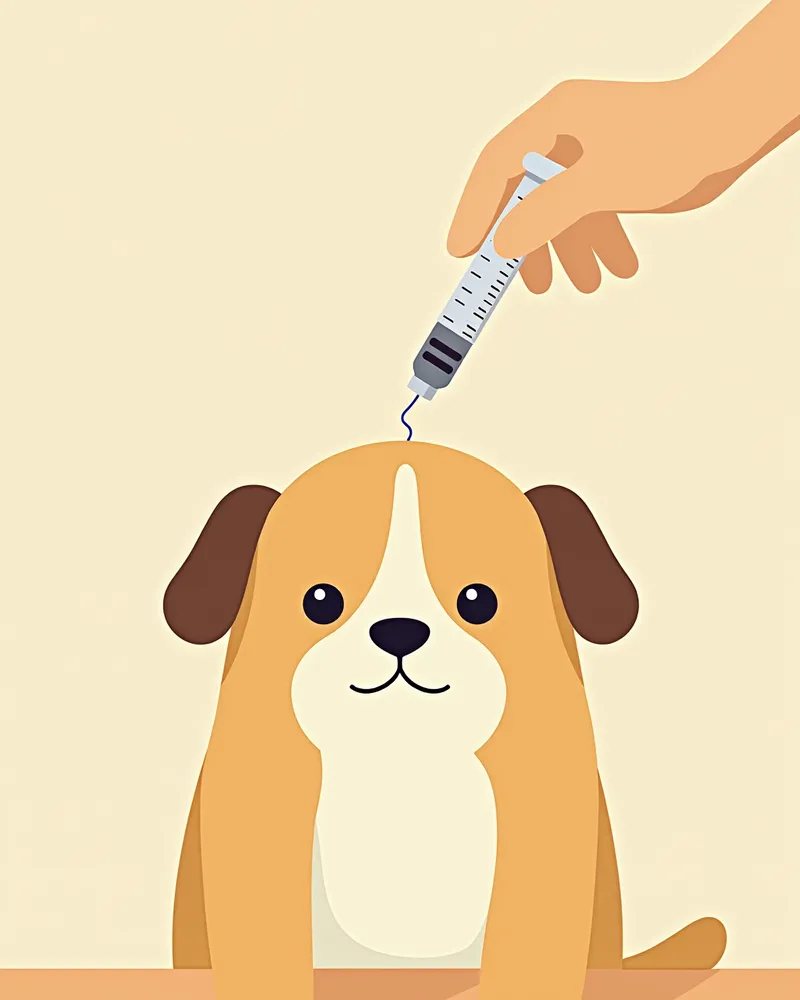
Treatment involves insulin injections, dietary management, and exercise control. Insulin is administered via injection once or twice daily, with the veterinarian adjusting the dosage based on your pet’s weight and condition. A specialized low-sugar, high-fiber diet is recommended. Regular, moderate exercise is also essential. Treatment is lifelong, and regular blood glucose monitoring is crucial. - Insulin injections: Administered at consistent times to maintain stable blood sugar levels. - Dietary management: A high-fiber diet helps stabilize eating patterns. - Blood glucose monitoring: Measure and record blood sugar levels at home to assess treatment effectiveness.
A scene of administering an insulin injection to a puppy

Daily Home Care Points

Home care is the key to successful treatment. It’s important to maintain a consistent schedule for meals and insulin injections. An imbalance between food intake and insulin dosage can cause sudden blood sugar fluctuations. Adjust your pet’s activity level before and after injections, and minimize stress. Keep the home environment stable and consult with your veterinarian regularly. Keeping a blood glucose log can help with ongoing monitoring. - Consistent Routine: Maintain a regular schedule for meals and injections every day. - Blood Glucose Log: Record daily blood glucose levels to track changes. - Stable Environment: Reduce stressors and provide a calm, consistent living space.
Blood Glucose Log for Managing Canine Hyperglycemia

Breed-Specific Precautions and Recurrence Prevention

In some dogs, genetic and constitutional predispositions may contribute to the development of hyperglycemia and diabetes mellitus. Rather than focusing on specific breeds, it is advisable to monitor each dog’s individual health status through regular veterinary check-ups. Additionally, concurrent conditions such as infections, estrus, pregnancy, and hyperadrenocorticism, as well as medications like steroids, can increase insulin resistance and complicate blood glucose control. Do not discontinue medication without consulting your veterinarian; always adjust treatment under professional guidance. Consistent management is paramount.

Reviewed by a veterinarian

Dr. Tony — Punnawat Phongkittirak

Dr. Tony — Punnawat Phongkittirak

Veterinarian

A veterinarian who majored in veterinary medicine at Khon Kaen University, Thailand, and completed the IVSA program at North Carolina State University in the United States. Drawing on clinical experience at animal hospitals, he works in the pet healthcare field and is dedicated to building a digital care environment that connects pet parents with veterinarians.

Frequently Asked Questions

Can high blood sugar in dogs be treated?
Yes, most cases can maintain a stable condition with insulin injections and dietary management. While lifelong care is necessary, your pet can still enjoy a normal life.
If hyperglycemia occurs, should an injection be administered immediately?
No. A veterinarian must diagnose the condition and establish a treatment plan. Administering injections based on your own judgment can cause blood sugar levels to drop too low, which could be dangerous.
Will changing the diet alone improve hyperglycemia?
While proper nutrition is essential, diet alone isn't enough. It must be combined with insulin therapy to be effective.
Is hyperglycemia contagious to other dogs?
No. It is not an infectious disease, so it will not spread to other dogs. While there may be a genetic predisposition, it is not an infection.
Can blood sugar be measured at home?
Yes, you can monitor your pet’s blood glucose at home using a glucometer. Your veterinarian will show you how to use it properly. Keeping regular records is essential.

Share

Related Guides

References

[1] Clinical Medicine of the Dog and Cat, 4th Ed, 2023, Chapter 12: Endocrine Diseases

[2] Notes on Canine Internal Medicine, 4th Ed, 2022, Section on Diabetes Mellitus

[3] Small Animal Critical Care Medicine, 3rd Ed, 2021, Diabetes and Metabolic Emergencies

This information is based on veterinary literature and does not replace diagnosis or treatment. Please consult a veterinarian for specific health concerns.

Metapet Co., Ltd. | CEO: Park Sung-yong | Business Reg. No. 417-88-02562 | Seoul, South Korea | Customer Center

Dog Drinking & Peeing More? Hyperglycemia & Diabetes Risk | Meongsiljang