

Cat Keeps Vomiting and Is Lethargic — Lead Poisoning Warning Signs and Treatment Timing
Lead poisoning in cats is a dangerous condition that triggers toxic reactions throughout the nervous and digestive systems. We’ve compiled a veterinary-evidence-based guide covering key symptoms such as seizures, vomiting, and gait abnormalities, along with emergency response steps, treatment options, and prevention strategies.
What Is Lead Poisoning in Cats? Exposure Routes and Key Risks

Main Routes of Lead Exposure in Cats
Lead Poisoning Key Symptoms Checklist

If You See These Symptoms, Go to an Emergency Veterinary Clinic Immediately
If your pet experiences seizures or collapses and cannot get back up, seek emergency veterinary care immediately. Vomiting accompanied by altered consciousness or unequal pupil sizes indicates serious neurological damage. Even if no symptoms appear right after lead exposure, it’s safest to have blood lead levels checked within 24 hours. The longer treatment is delayed, the greater the risk of lasting neurological complications.
Risk Intake Thresholds and Blood Lead Levels
Lead Poisoning Diagnostic Methods
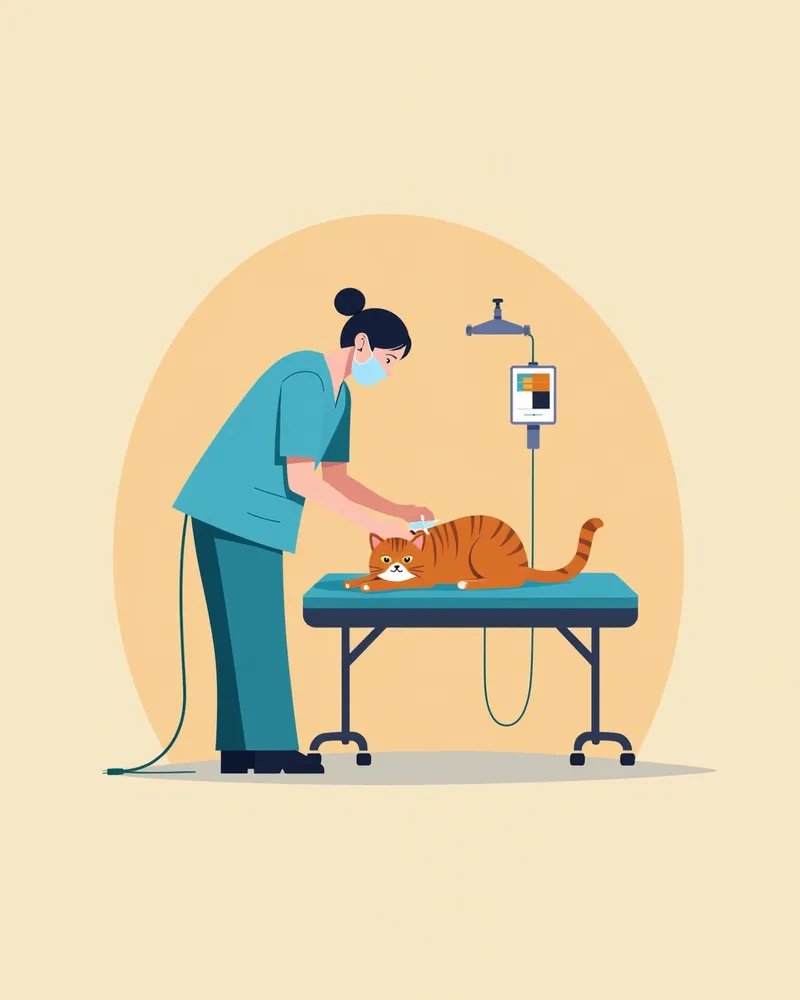
Lead Poisoning Treatment Methods — Step-by-Step Overview
Home Emergency First Aid and Strictly Prohibited Actions

Lead Poisoning Prevention — Checklist to Verify Right Now
If your home was built before the 1990s, the paint may contain lead. Promptly repair any peeling paint and prevent your cat from accessing it. Store fishing weights, old batteries, and imported toys out of your cat’s reach. During renovations or repairs, always confine your cat to a separate area. Request blood tests for heavy metals during routine health check-ups to aid in early detection.
Reviewed by a veterinarian

Dr. Tony — Punnawat Phongkittirak
VeterinarianA veterinarian who majored in veterinary medicine at Khon Kaen University, Thailand, and completed the IVSA program at North Carolina State University in the United States. Drawing on clinical experience at animal hospitals, he works in the pet healthcare field and is dedicated to building a digital care environment that connects pet parents with veterinarians.
Reviewed 2026-06-01
Frequently Asked Questions
My cat ingested a small amount of lead, but there are no symptoms right now. Is it okay to just monitor the situation?
Can a cat with lead poisoning be fully cured?
How can I check if there are lead-containing items in my home?
Which veterinary clinics can treat lead poisoning?
Are cats more vulnerable to lead than dogs?
Share
Related Guides

Top 5 Emergency Poisoning Kits for Dogs Recommended by Veterinarians

7 Emergency Checklist Items for Cat Poisoning — Signs to Check Immediately After Exposure

If Your Puppy Suddenly Stumbles or Has Seizures — Warning Signs of Tumor-Induced Hypoglycemia

If Your Dog Is Gaining Weight and Losing Hair — Warning Signs of Hypothyroidism and When to Get Diagnosed
If Your Dog Is Frequently Seeking Water and Urinating More — Checking for Hyperglycemia Causes and Diabetes Risk

If Your Dog Has Diabetes and Cloudy Eyes — Cataracts, Neuropathy Symptoms, and Management

When Your Cat Is Lethargic and Only Drinks Water — Causes and Treatment of Feline Primary Hyperparathyroidism

My Cat Is Constantly Lethargic and Having Seizures — Causes and Treatment Timing for Neoplasm-Induced Hypoglycemia

Complete Guide to Monitoring a Cat’s Blood Glucose Curve — From Measurement to Interpretation and Management

How to Plan a Diabetic Cat’s Diet — Key Points for Blood Sugar Management
References
[1] Peterson ME, Talcott PA. Small Animal Toxicology, 3rd Ed. Blackwell's Five-Minute Veterinary Consult Clinical Companion. Wiley-Blackwell, 2013.
[2] Schaer M, Gaschen FP. Clinical Medicine of the Dog and Cat, 4th Ed. CRC Press, 2022.
[3] Plumb DC. Plumb's Veterinary Drug Handbook, 10th Ed. Wiley-Blackwell, 2023.